
BREAKING: Royal Enfield Classic 350 Gets A New Shade
- Sep 21, 2026
- Views : 4361



 Follow us

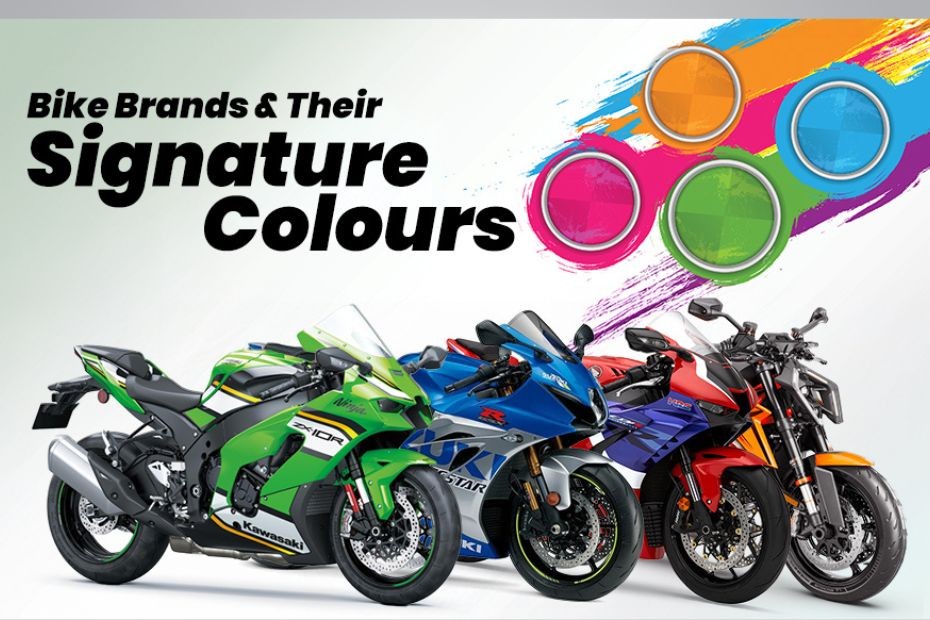
Colours are an important part of our lives, and every colour conveys a message and without them, life would be dull. Even our favorite bike makers understand the importance of colours and have associated themselves with certain shades that portray their personality the best. On this year’s festival of colours, we list down some of the most iconic brands and their respective colours.
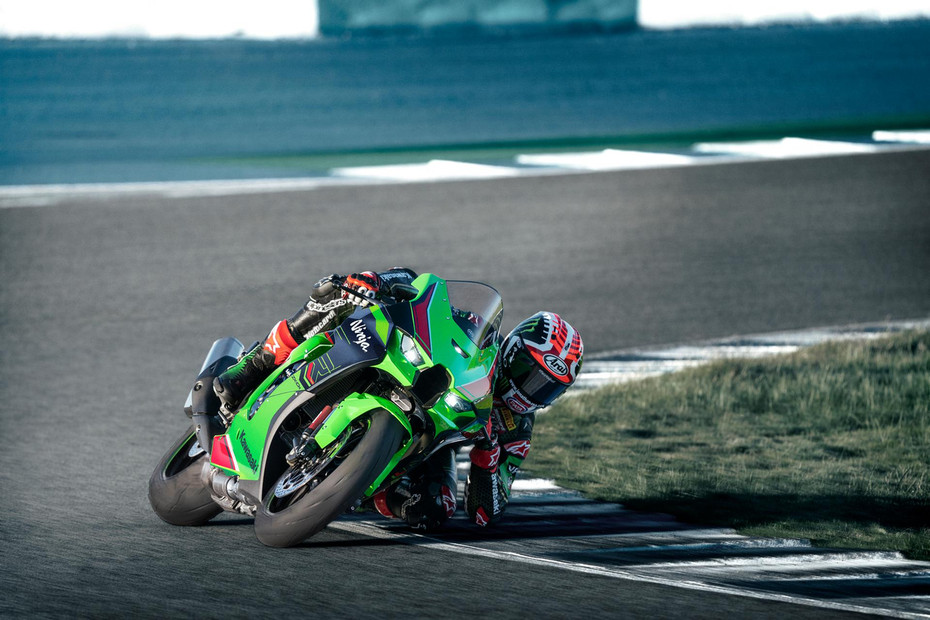
Today, we recognize Kawasaki with its bright green paint schemes, but Kawasaki bikes were not always associated with the bright lime green colour. In fact, before 1969, Kawasaki bikes used to come mostly in red and white colours. At that time, the green colour was considered unlucky. But then, Kawasaki made a bold decision and decided to race featuring a lime green livery on all its bikes. In 1969, all the Kawasaki A7RS and A1RAS factory race bikes which participated in the Daytona 200 races were painted in Green. Since then, Kawasaki defied the superstition and has never looked back. Who said going green can’t bring joy to us petrolheads?
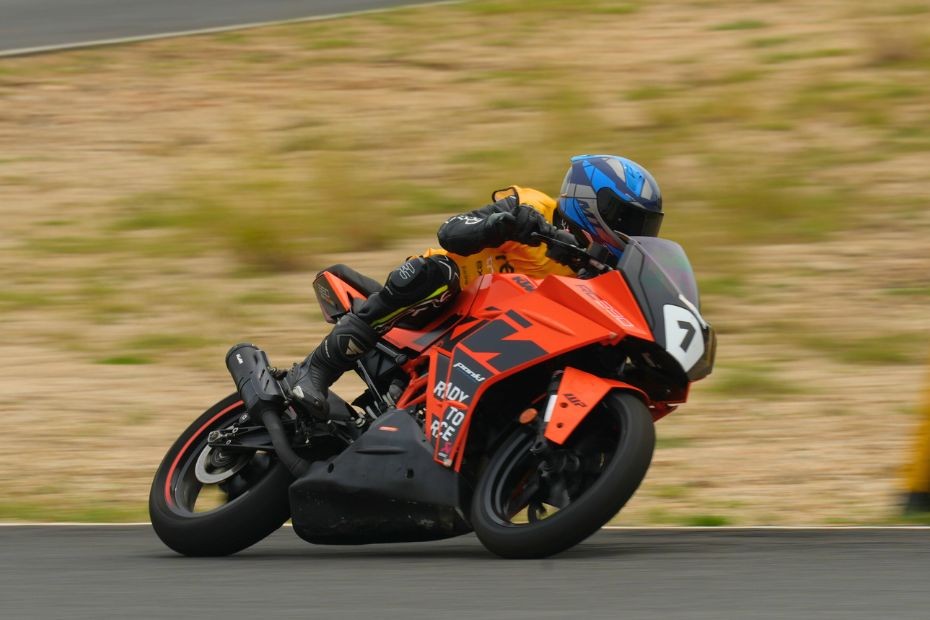
We associate KTM with a vivid orange colour. However, similarly to Kawasaki's story, KTM bikes were not always orange either. Earlier, KTM used to make white-coloured bikes. But when KTM was heading towards bankruptcy in 1991 and 1992, Dutch importer Brouwer KTM from Zwartebroek, Netherlands along with the KTM’s Italian importer saved the brand from bankruptcy.
Since then, KTM started using the Dutch national colour – Orange, to honour the Dutch importers’ efforts to save the brand. Now, the bright Orange colour has been the signature shade for the manufacturer. The in-your-face orange shade perfectly encapsulates the essence of a rebel, a Hooligan, if you like.
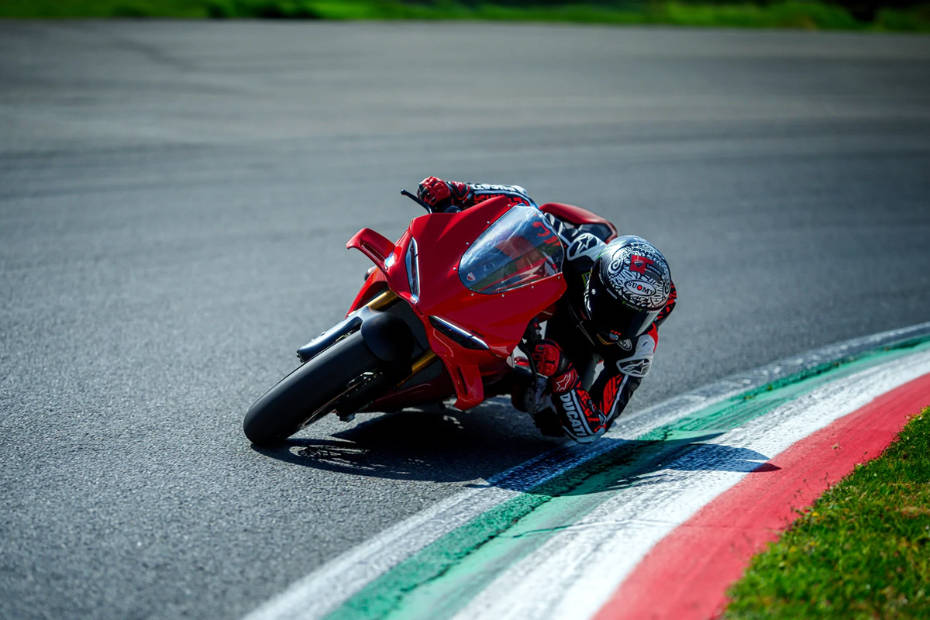
Ferrari paints the town red when it comes to cars, and so does Ducati with motorcycles. From marketing, to race bikes and production bikes - the brand uses red colour extensively. That said, the Italian brand originally used to use silver. However, it adopted the red as its signature colour in the late 1970s. At that time, the red-coloured Ferraris were dominating the car races all around the world and became a representation of speed and power. Around that time, the 125 Grand Prix was the first Ducati bike which featured bright red graphics. Gradually the brand shifted entirely to red, and now, the colour neatly goes with the red hot looks and the bleeding-edge performance many Ducati bikes are known for.
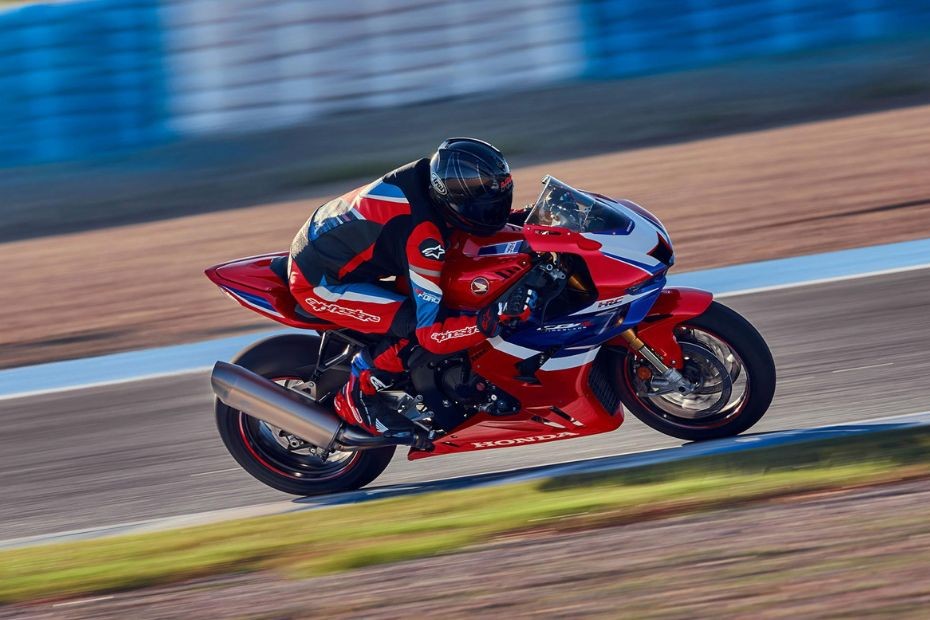
Honda bikes were earlier recognized with its white and red colour schemes, which represented the Japanese national flag. Later, Honda started experimenting with colours and began using more of the red colours in its rally and race bikes. One of the famous red liveries is of the Honda RC30 VFR750R’s white base colour with red and blue graphics. Then the brand partnered with Red Bull and started using more red colour in its race bikes, and that’s how Honda got associated with the red colour. In 2001, the brand decided to officially adopt a deep rich red colour representing Honda brand’s quality, feel and engineering capabilities.
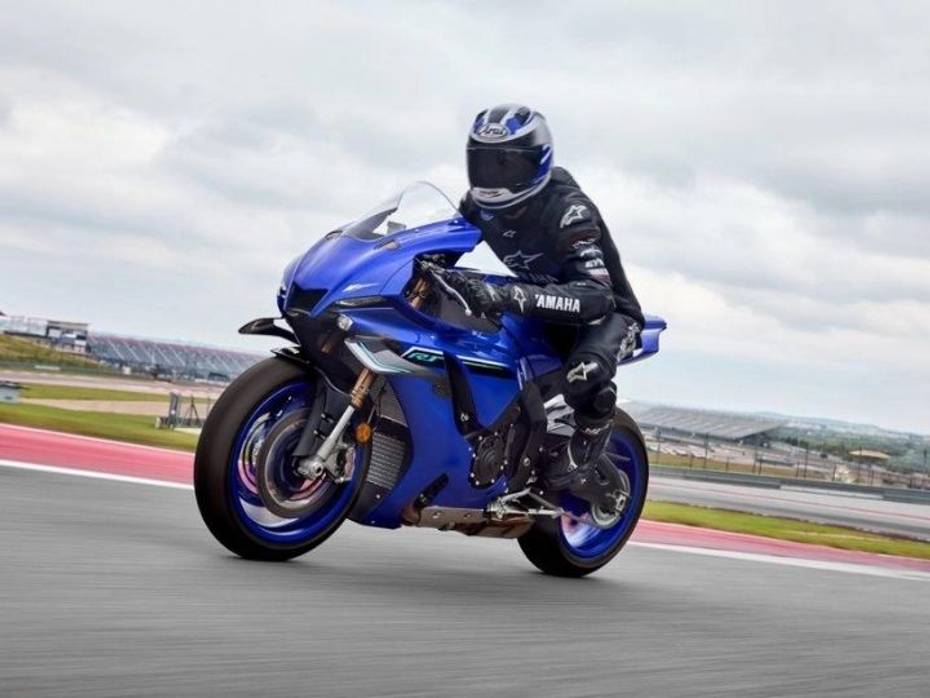
Yamaha also used to have red and white race bikes in the late 1970s. The manufacturer then started using yellow and black paint schemes for its race bikes between 1978 to 1980. Then, in the early 1980s, Yamaha went back to the red and white paint scheme which stayed on for a while. By 2004, every Japanese manufacturer had its own signature colour - Kawasaki had Green, Honda had red and Suzuki had light blue. That’s when Yamaha decided to switch from its red and white livery to a darker blue colour. The manufacturer started using the dark blue liveries on its race bikes, and the ‘Call of the Blue’ campaign is a great example of how Yamaha uses its colours to market itself.
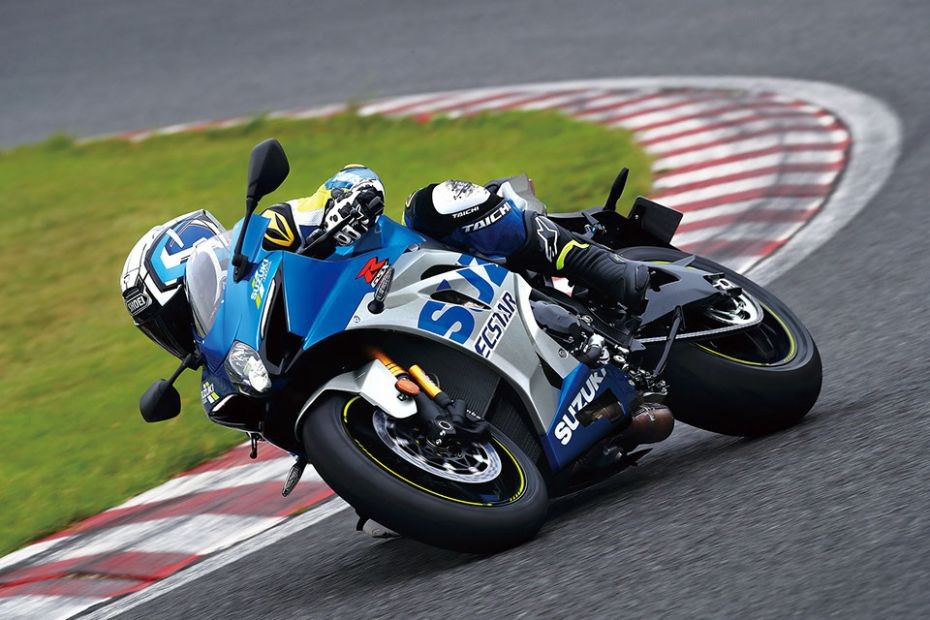
Suzuki Motorcycles also has a similar story. The Japanese brand tried a couple of different colours in the past, but later it became associated with the popular sky blue colour scheme. In 1976, Suzuki won its first 500cc world title with Barry Sheene on the RG500. Then in 1981, Italy's Marco Lucchinelli won the 500cc world championship on another RG500 with black and white livery with red graphics. Later in 1985, the Suzuki GSX-R750 arrived in a stunning blue paint scheme that changed the face of the brand forever. The Suzuki kept winning multiple championships with the white and blue livery. Soon, Suzuki started using Blue liveries in its production bikes.
For a while in 1993, Suzuki again experimented and went back to the red and white colour scheme and even won the 500cc world championship with Kevin Schwantz on the RGV. While the combo looked gorgeous, it seems Suzuki simply couldn’t let go of the blue shade. In 1996, Suzuki re-launched the GSX-R750 in the iconic blue paint scheme again. Now, the blue shade is pretty much the default colour option on a lot of its motorcycles.
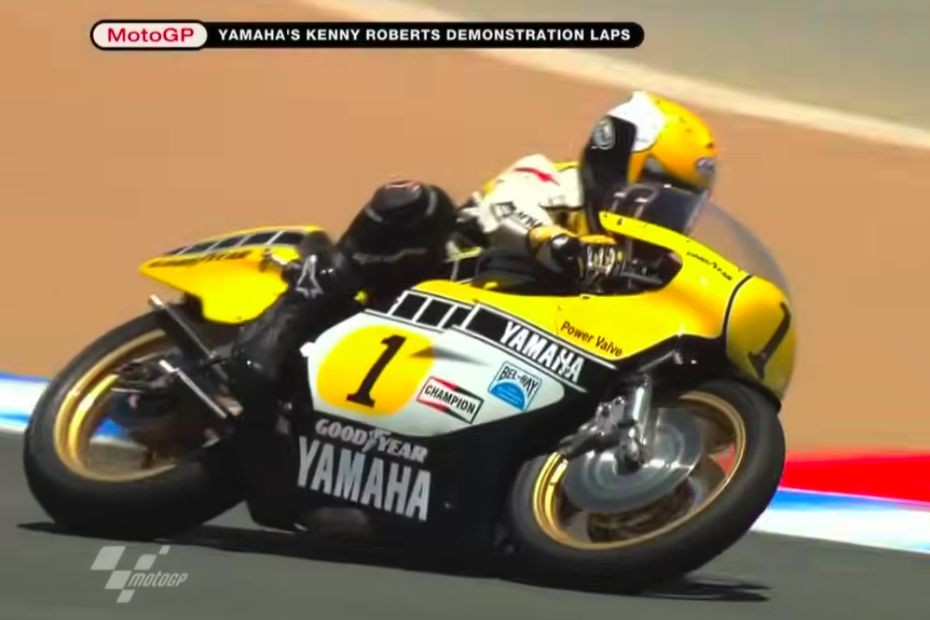
Many manufacturers in the past have used yellow for a few bikes but no one has used it consistently enough to become a part of the brand’s personality. But one of the most iconic yellow bikes is the ‘King Kenny Roberts’ 1980 Yamaha YZR500 Speedblock. The bike features a beautiful yellow paint scheme, complemented by white and black graphics. The bike was powered by a 500cc two-stroke engine and helped him win the 500cc Grand Prix championships for three years in a row in 1978, ’79, and ’80.
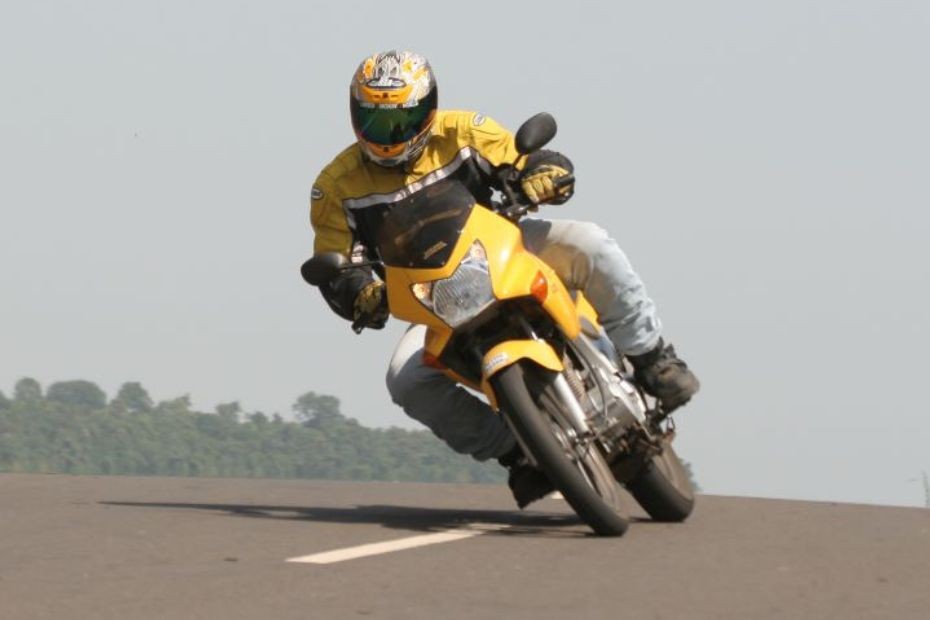
When we talk about iconic yellow bikes in India, it has to be the OG Hero Karizma which became popular in 2003. It really gave the masses performance that’s unheard of in a budget. Back in the day, a small but fast-moving yellow streak on the highway was instantly recognisable as the Karizma. Hero then brought the iconic colour again with the Karizma’s modern iteration, the Karizma XMR 210. Another popular yellow bike that made a mark in Bollywood is the yellow Suzuki Bandit ridden by Ali Bhai in Dhoom. The bright yellow Bandit perfectly represented Ali bhai’s jolly personality and exciting life.
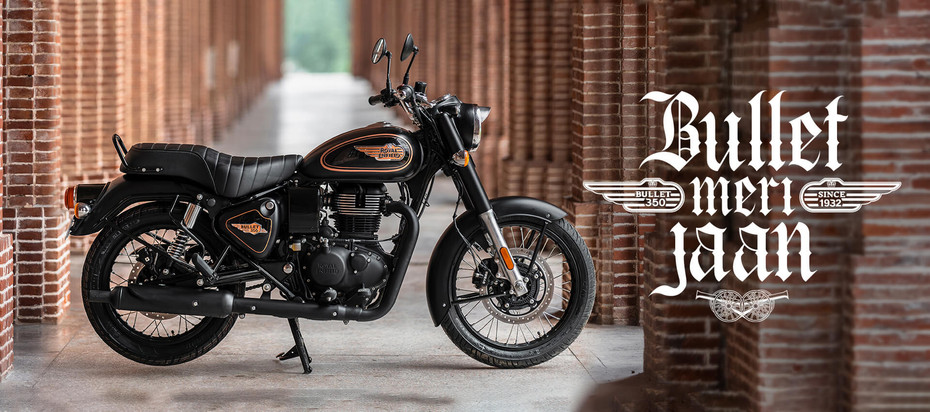
While Royal Enfield is not particularly associated with any colour, it takes the art very seriously. In the modern age of spraying different shades using sophisticated machines, Royal Enfield still continues with the tradition and uniqueness of the human touch (in addition to modern painting techniques, of course). The iconic Royal Enfield Bullet 350 may be as old as time itself and may have oodles of character, but what really gives it a soul is the hand-painted pinstriping done by one family of artists spanning over several decades. Not just this, the bikemaker is also creative with mixing and matching of colours (check out the shades on the Goan Classic 350), and also using bespoke combos to signify its rich history (read Classic 350 Signals Edition).


BREAKING: Royal Enfield Classic 350 Gets A New Shade
Royal Enfield Classic 350 Gorkha Edition: Top Highlights
Royal Enfield Classic 350 Gorkha Edition Launched: The...
2026 Royal Enfield Classic 350 Launched With Some Rider Focused...
Royal Enfield Shatters Monthly Sales Record In September 2025: These...
Top 5 Royal Enfield Bikes With Highest Price Cuts Due To New GST Rates
Select Royal Enfield And Bajaj Bikes To Get Cheaper After GST Rate Cut
Royal Enfield Sold Bikes Like Cold Lemonade On A Hot Summer Day
Evolution Of The Classic Range: Royal Enfield’s Greatest Hit
Royal Enfield Bullet 350
Honda CB350
Jawa 42
Royal Enfield Hunter 350
Bajaj Pulsar NS400Z
India's largest automotive community
Royal Enfield Hunter 350
Royal Enfield Continental GT 650
Royal Enfield Bullet 350
Royal Enfield Meteor 350
Royal Enfield Himalayan 450
Volvo EX90
Rs. 1.20 Crore
Volvo ES90
Rs. 1.10 Crore
Toyota Glanza Facelift
Rs. 6.85 Lakh
Hyundai Bayon
Rs. 10.00 Lakh
Audi Q3 2026
Rs. 48.00 Lakh
 From Prologue To Finish: KTM Adventure Rally Extreme
 Pole Position That Slipped Away: Finished Second At TVS YMRP Round-1
 TVS Takes Its Racing Championship To Europe
 BMW F 450 RR Teased: Most-Affordable Twin-Cylinder BMW Sportbike Coming Soon
Upcoming Bajaj Pulsar RS200 Spied Testing & NS200 Reaches Dealership
BMW F 450 RR Teased: Most-Affordable Twin-Cylinder BMW Sportbike Coming Soon
Upcoming Bajaj Pulsar RS200 Spied Testing & NS200 Reaches Dealership