 From Prologue To Finish: KTM Adventure Rally Extreme
Bajaj Pulsar 150 Evolution Over The Years
- Published August 26, 2026
- Views : 4186
- 4 min read
-

-

-
 Follow us
Here’s how the iconic Pulsar 150 has evolved over 25 years since its launch
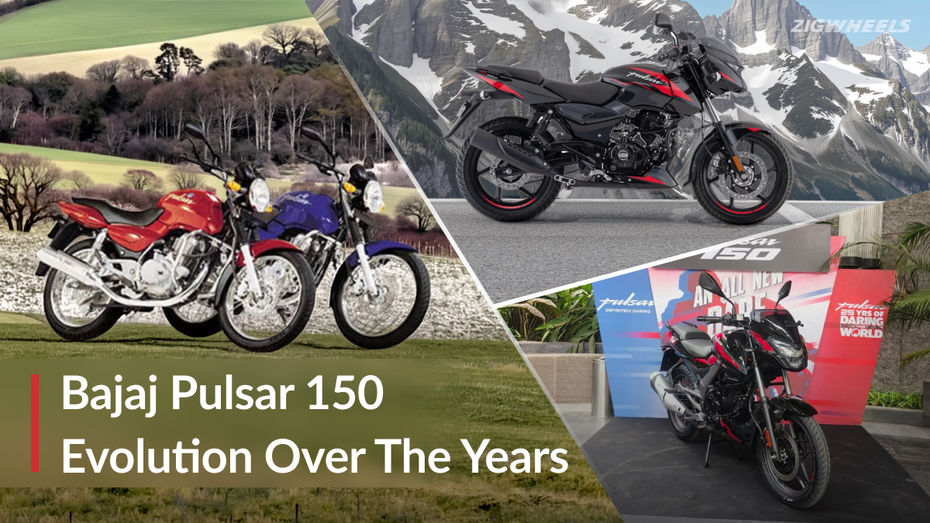
The Bajaj Pulsar 150 is one of the most iconic motorcycles in India, having remained a popular choice for enthusiasts for over two decades. From its debut back in 2001, to the recently launched next-gen Pulsar 150, here's how the bike has evolved over the years:
2001: The Original Pulsar
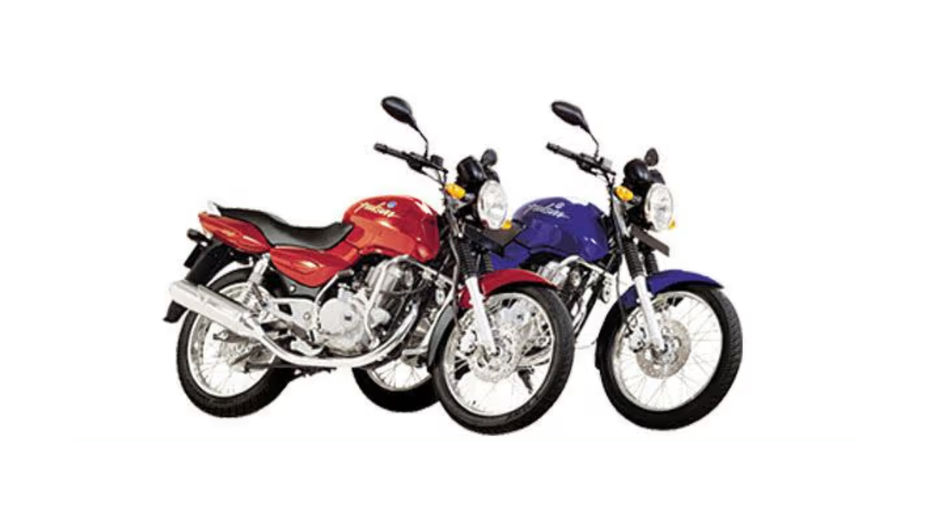
Back in 2001, the Indian motorcycling market was mainly dominated by small-capacity commuters and scooters. While enthusiasts had their taste of speed with two-stroke machines like the Yamaha RX100, RX135 and Suzuki Shogun, but these bikes were slowly becoming obsolete as two-strokes were phasing out of the market. At that point there was a strong demand for a sporty motorcycle for enthusiasts.
The Bajaj Pulsar 150 was the answer. Launched alongside its bigger sibling, the Pulsar 180, it featured a 149cc air-cooled single-cylinder engine producing 12 PS, which was pretty high at the time. It was known for its torquey nature, signature round headlight and muscular styling, which made it an instant hit.
2002: Addition Of DTS-i Technology
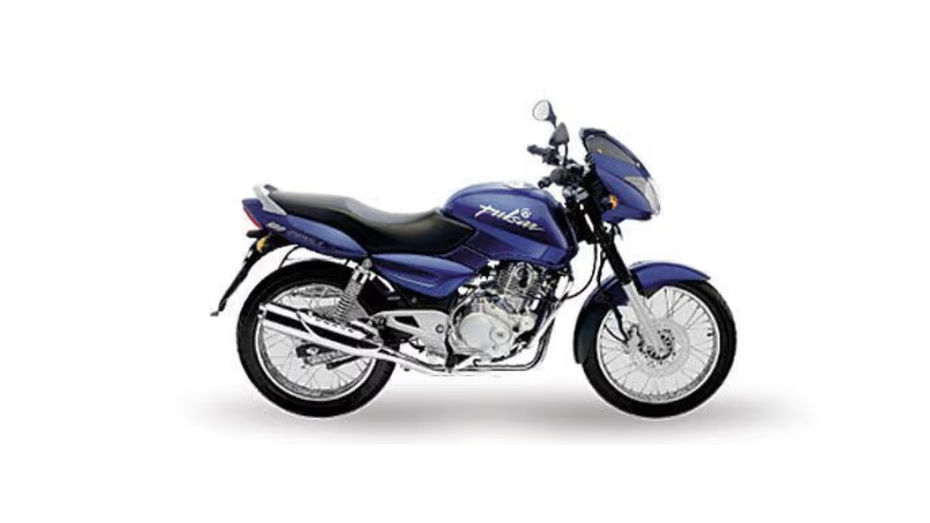
In 2002, Bajaj introduced its iconic DTSi (Dual Twin Spark Ignition) technology on the Pulsar 150 UG1. This improved the power and overall efficiency of the bike, with output increasing to 13 PS. The bike also received several design changes, including the addition of the iconic headlight cowl with twin pilot lamps.
After this Bajaj continued updating the Pulsar through the UG2 and UG3 generations, with notable additions including alloy wheels, an all-black engine casing, and an engine kill switch.
2007: Iconic Pulsar Taillight
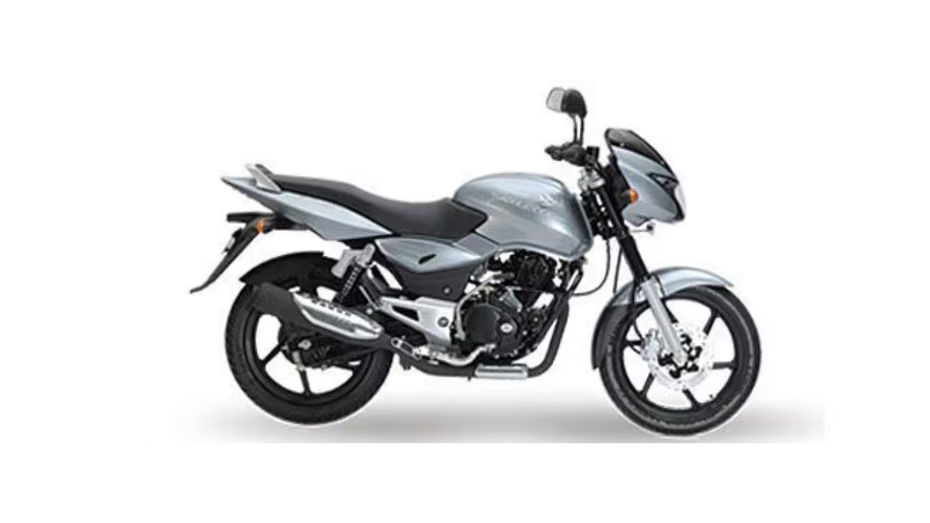
In 2007, the Pulsar 150 received another major update. Bajaj introduced the iconic twin LED tail lights, which remained a signature feature of Pulsars till the latest 2026 model got launched. The rear section was also redesigned for a sharper look, while power got increased from 13 PS to 14.2 PS.
Over the years, the bike received several smaller updates. One of the notable changes came in 2009 with the addition of clip-on handlebars and a split seat variant with a wider 120 section rear tyre. This version shared its underpinnings with the bigger Pulsar 180 and also dropped the kick-starter.
2012: Dual Tone Colours Introduced
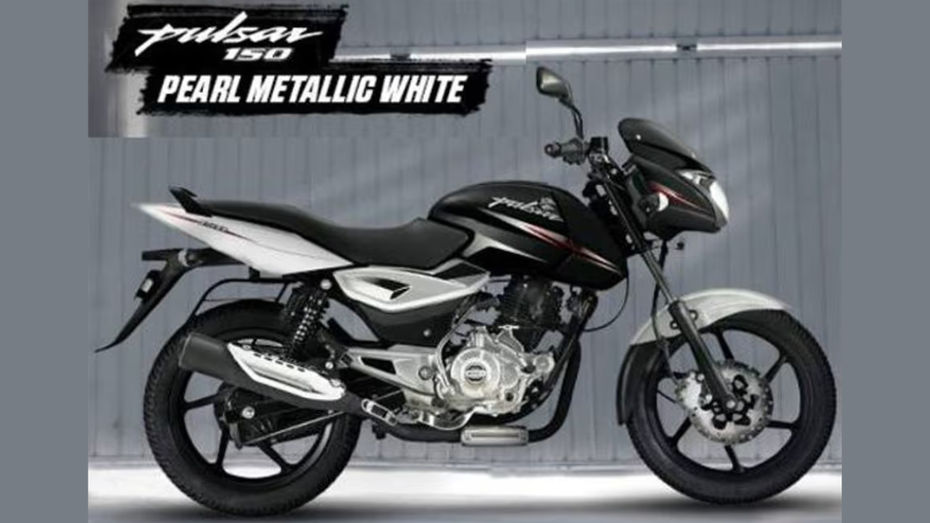
In 2012, the Pulsar series received another visual update, with dual-tone colours introduced on the Pulsar 150 for the first time. This gave the bike a sportier look while further increasing its premium appeal.
2017: BS4 Upgrade
In 2017, Bajaj updated the Pulsar 150 to meet Bharat Stage 4 (BS4) emission norms. The engine was also slightly reworked, and got a longer stroke and smaller bore. This resulted in stronger bottom-end performance, although power dropped from 14.2 PS to 14 PS.
The engine was now tuned for smoother power delivery, and to provide overall better fuel efficiency. In 2019, Bajaj introduced twin disc brakes and single-channel ABS on the split-seat variant.
2020: Fuel Injection Introduced
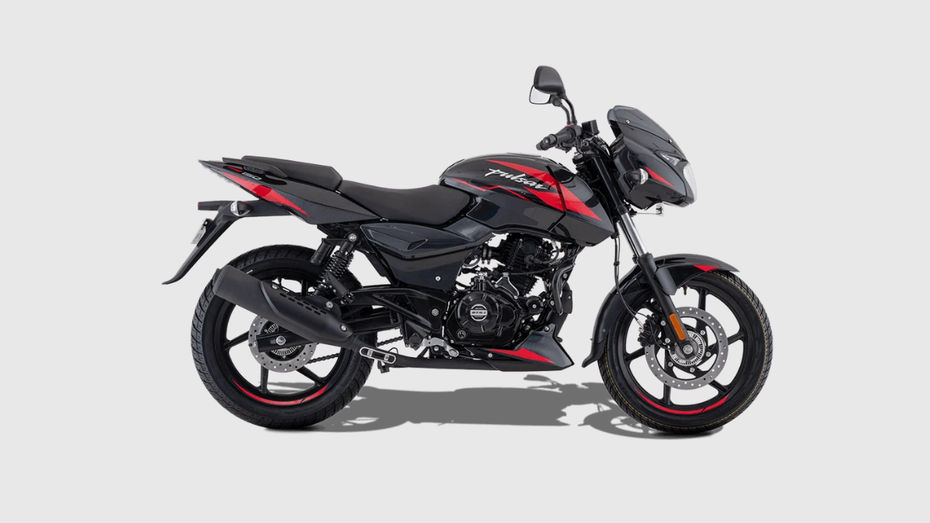
In 2020, Bajaj added fuel injection to the Pulsar 150, making it BS6 compliant. Power and torque figures remained unchanged, although peak power was delivered at a higher rev range. The bike also received new graphics as part of the update.
2025: LED Headlight & New Instrument Console
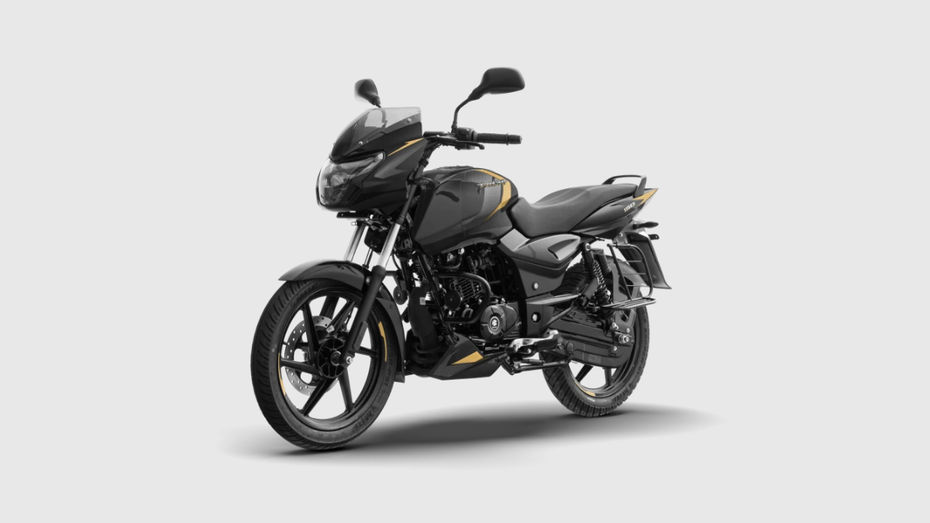
In 2025, Bajaj launched a refreshed Pulsar 150 with a new LED headlight that replaced the iconic twin pilot lamp headlight. The bike also received a new negative LCD instrument console along with a new Black Gold colour with updated graphics which was one of the biggest highlights of this update.
2026: Next-generation Pulsar 150
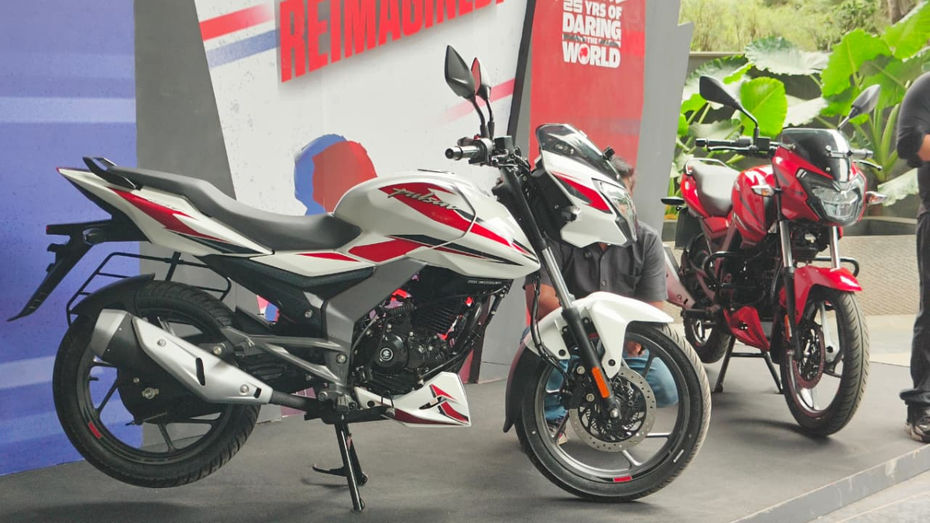
Which brings us to 2026, when Bajaj launched the all-new Pulsar 150, the biggest transformation in the motorcycle’s history. It gets a totally new design after almost 2 decades, along with a new LED headlight and a new tank with sharper tank extensions, while retaining the original Pulsar silhouette.
It also got an all-new 150cc air- and oil-cooled engine producing 14 PS and 14.1 Nm, which is the same power as before; however, the torque figure has gone up by 0.85 Nm. Along with this, it also got a brand-new diamond frame with monoshock suspension, which replaced the twin-shock setup.
In terms of features, it comes with either a 5-inch LCD screen or a 5-inch TFT console with Bluetooth connectivity, turn-by-turn navigation, and call/SMS alerts as standard. The top-spec TFT variant adds Google Maps mirroring, document storage, music controls, and a hazard light switch.
ZigSays
The Pulsar 150 is arguably one of the most iconic bikes in India. Ever since its launch in 2001, it has remained a popular choice across generations, right up to the next generation Pulsar 150 in 2026. With the next-gen bike, Bajaj aims to give the iconic bike another lease of life.
Add Your Comments


Bajaj Pulsar 150 Alternatives
-
 Bajaj Pulsar 125
Rs. 93,550Compare with Pulsar 150
Bajaj Pulsar 125
Rs. 93,550Compare with Pulsar 150 -
TVS Apache RTR 160
Rs. 1.15 LakhCompare with Pulsar 150
-
Bajaj Pulsar N160
Rs. 1.22 LakhCompare with Pulsar 150
-
Honda Unicorn
Rs. 1.16 LakhCompare with Pulsar 150
-
Yamaha FZS-FI V4
Rs. 1.32 LakhCompare with Pulsar 150
See what our community has to say! NEW
India's largest automotive community
Explore Now

Bajaj Bikes in India
-
Bajaj Pulsar NS200
Rs. 1.38 Lakh200 cc | 40.4 kmpl | 24.2 bhp
-
Bajaj Pulsar N160 S
Rs. 1.34 Lakh165 cc | 44 kmpl | 18.2 bhp
-
Bajaj Pulsar NS400Z
Rs. 1.90 Lakh349 cc | 39.5 bhp
-
Bajaj Pulsar N160
Rs. 1.22 Lakh165 cc | 47 kmpl | 15.8 bhp
-
Bajaj Pulsar NS 125
Rs. 99,622124 cc | 64.8 kmpl | 11.8 bhp
Bajaj Scooters in India
-
 Bajaj Chetak
Rs. 1.19 Lakh
Bajaj Chetak
Rs. 1.19 Lakh
-
 Bajaj Chetak C2501
Rs. 1.05 Lakh
Bajaj Chetak C2501
Rs. 1.05 Lakh
Best Cars
-
Tata Nexon
Rs. 7.40 Lakh1199 cc | 17.4 kmpl | 118.3 bhp
-
Hyundai Creta
Rs. 10.91 Lakh1497 cc | 17.4 kmpl | 113.2 bhp
-
Kia Seltos
Rs. 11.00 Lakh1497 cc | 113 bhp
-
Mahindra Thar ROXX
Rs. 12.52 Lakh1997 cc | 12.4 kmpl | 160 bhp
-
Hyundai Venue
Rs. 8.00 Lakh1197 cc | 18.5 kmpl | 82 bhp
Upcoming Cars in India
-
Volvo EX90
Rs. 1.20 Crore
Launch : Oct 12, 2026 -
Volvo ES90
Rs. 1.10 Crore
Launch : Oct 12, 2026 -
Toyota Glanza Facelift
Rs. 6.85 Lakh
Launch : Oct 14, 2026 -
Hyundai Bayon
Rs. 10.00 Lakh
Launch : Oct 15, 2026 -
Audi Q3 2026
Rs. 48.00 Lakh
Launch : Oct 16, 2026
Bajaj Pulsar 150 Twin Disc Single Seat Price in India
- Latest
- Popular
-
From Prologue To Finish: KTM Adventure Rally Extreme
-
 Pole Position That Slipped Away: Finished Second At TVS YMRP Round-1
-
 TVS Takes Its Racing Championship To Europe
-
 BMW F 450 RR Teased: Most-Affordable Twin-Cylinder BMW Sportbike Coming Soon
-
Upcoming Bajaj Pulsar RS200 Spied Testing & NS200 Reaches Dealership
Top Bike Brands
×