
Ceat SportRad Tyres 5,000km Review, on KTM 390 Duke
- Oct 6, 2024
- Views : 3277



 Follow us

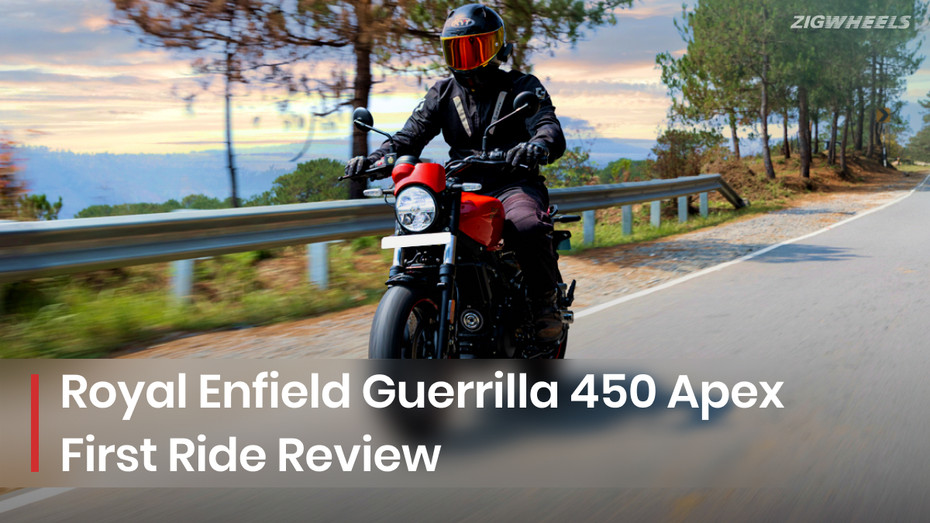
When Royal Enfield first launched the Guerrilla 450 back in 2024, it was an interesting mix. On one hand, it felt familiar, thanks to the same Sherpa 450 engine we’ve seen on the Himalayan. But on the other hand, it felt completely unlike a typical Royal Enfield, especially with its aggressive power delivery and surprisingly agile handling.
It was exciting, no doubt. But it wasn’t perfect. There were a few niggles that made you pause… and think twice before putting your money down. Now, with the Apex variant, Royal Enfield claims to have fine-tuned the experience.
But has the brand actually fixed what held the Guerrilla back? Or is this just a minor update dressed up as something more?
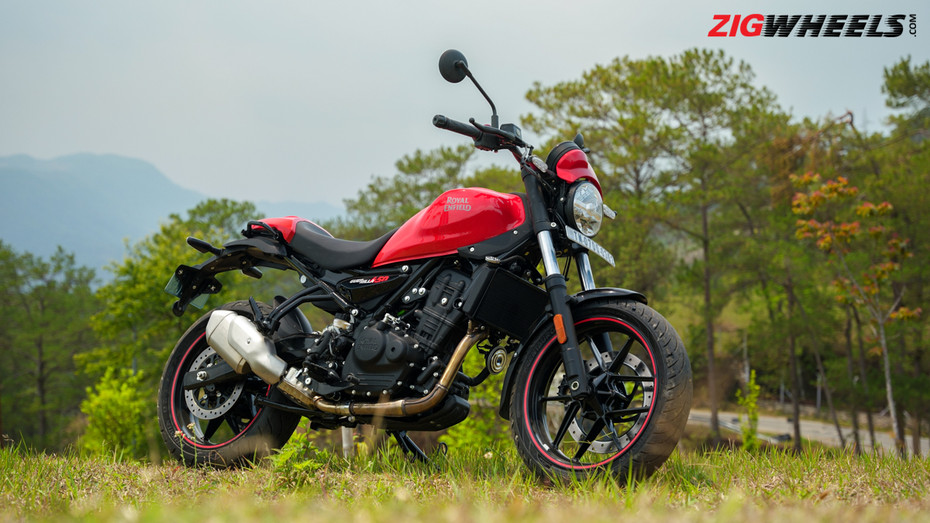
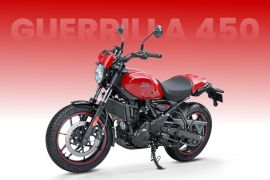
At first glance, the Guerrilla Apex doesn’t look drastically different, and that’s not a bad thing! It was already a good-looking motorcycle. There’s a new headlight cowl and a removable pillion seat cowl (for which you don’t get the right-sized tool in the factory-provided tool kit. Why Royal Enfield?), and three new colours (Apex Red, Apex Black and Apex Green). The red is definitely my pick of the lot as it looks absolutely rad. It accentuates the bike’s streetfighter stance, with a hint of that Ducati Monster vibe going on, which it really works.
Small updates, yes. But they add that extra bit of attitude the bike needed.
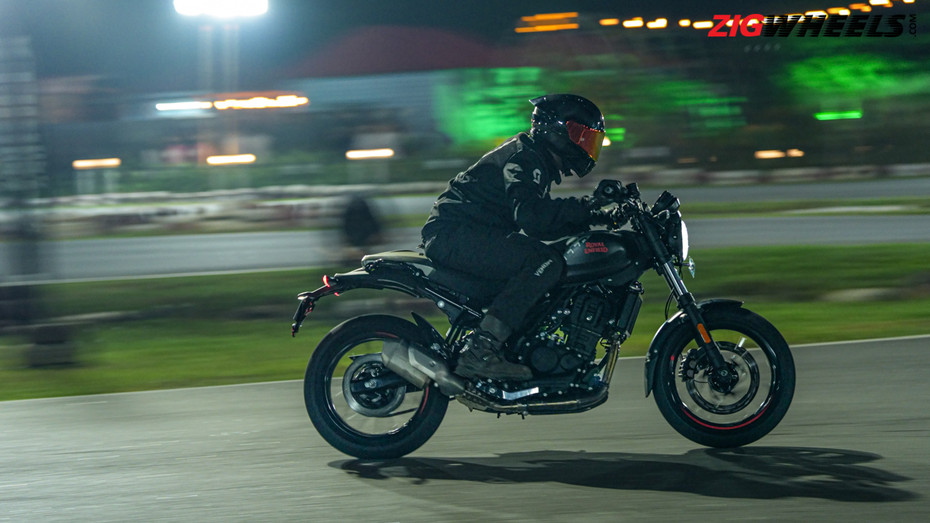
The new aluminium handlebar is slightly lower and a bit farther away. That’s it. Everything else, the seat and footpegs, stays the same.
But somehow, this small tweak changes how the bike feels in the twisties. You sit a little more forward, a little more engaged. Not uncomfortable… just more involved. And that sets the tone for what comes next.
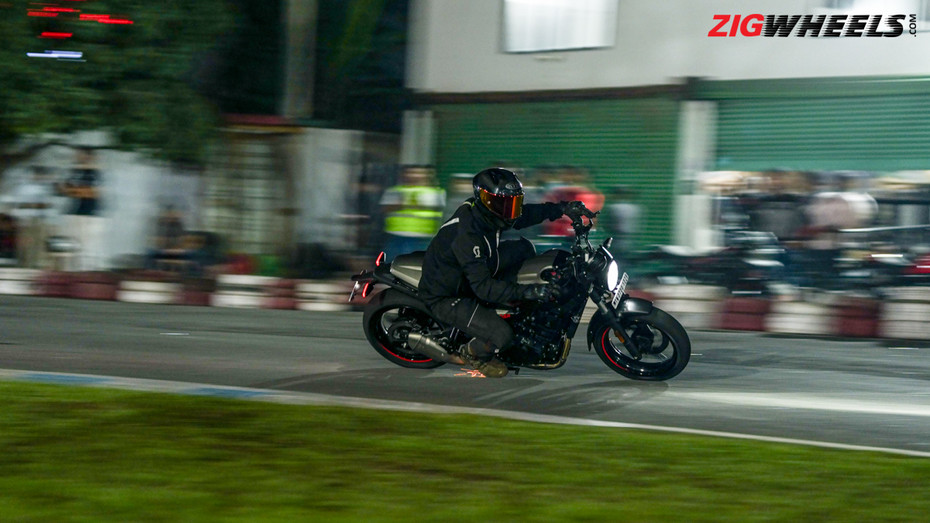
Because once you start riding it with that slightly sportier posture, you naturally begin loading the front wheel more. And that does two things: It improves front-end grip, and it boosts your confidence while cornering.
The Guerrilla already handled well earlier. But now? It just feels sharper. More connected.
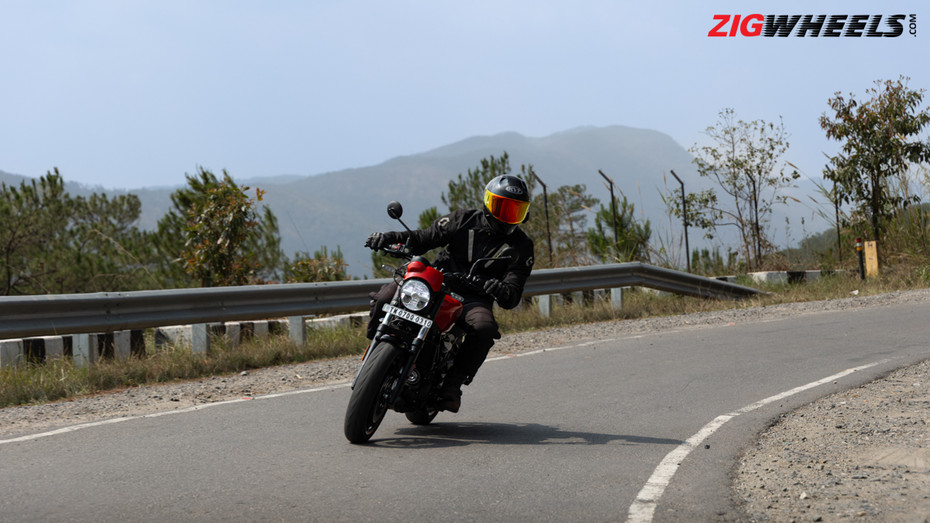
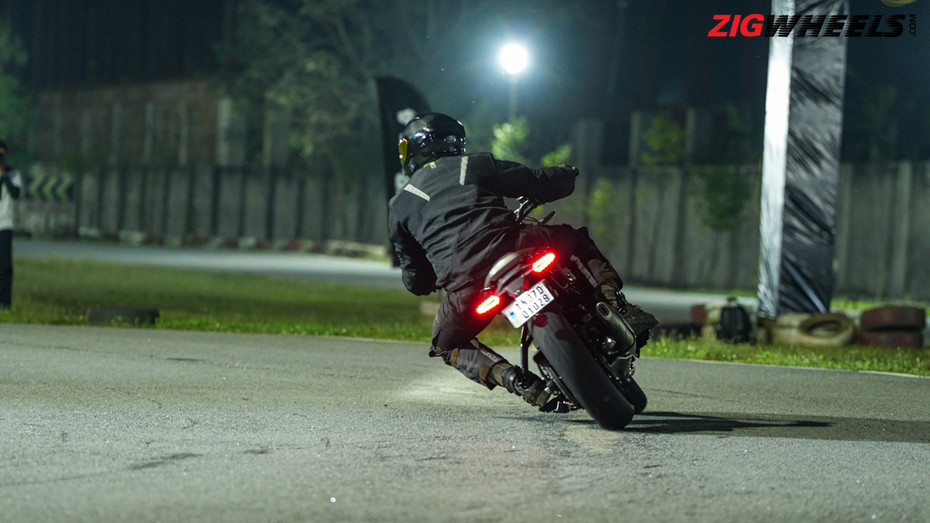
Then came the new Vredestein Centuro ST tyres. Whether it was on a go-kart track or those twisty roads from Guwahati to Shillong, they just give you that extra confidence to push a little harder.
Even when things feel like they might go slightly off… they sort of reassure you like, “Relax, we’ve got this.” In fact, you’ll run out of cornering clearance before you run out of grip. The tyres also play a big role under hard braking. They help the bike maintain its composure and continue to inspire confidence even when you grab a handful of the lever.
Now, the roads we rode on were honestly some of the best ghats in the country, and the go-kart track was butter-smooth. So ride quality isn’t something we could test thoroughly. That said, the rear suspension remains unchanged, and that shows. On smooth roads, it does its job well, keeping the bike planted and the ride comfortable. But hit a small rough patch, and you’ll have to slow down considerably. Because if you don’t, the bike does feel like it wants to throw you off the seat.
So yes, while the handling has improved, the ride quality still has that slightly firm, sporty edge to it.
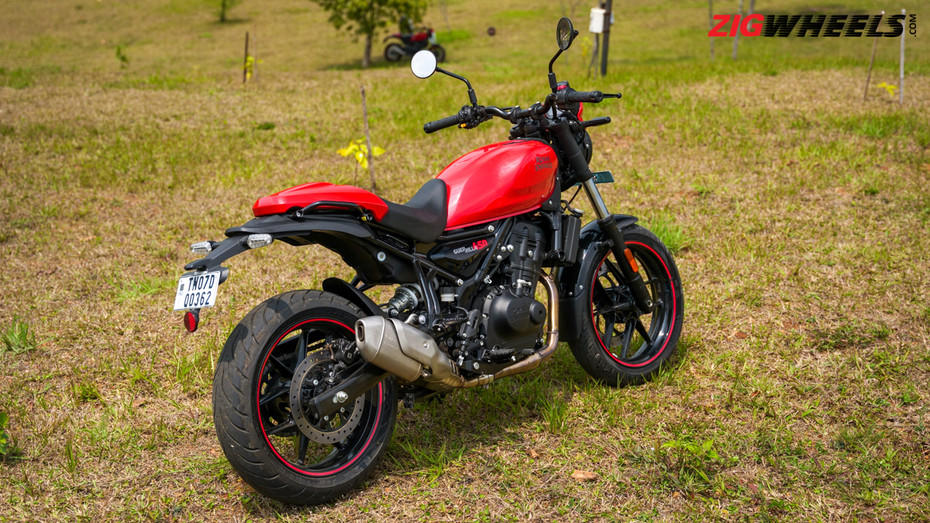
The 452cc single-cylinder, liquid-cooled Sherpa engine was always the highlight. It still makes the same amount of power and torque (40PS and 40Nm). Punchy, torquey, and fun, and that hasn’t changed. What has changed, though, is how usable it feels.
Earlier, the riding modes didn’t really feel all that different. Even the calmer mode felt a bit jumpy. Now, with City and Sport modes, replacing the earlier Eco and Performance, there’s a clear distinction. City mode is smoother, calmer, and easier to live across the rev range. Switch to Sport, and that lively, slightly aggressive character comes back.
It finally feels like the modes actually do something.
Feature-wise, things remain mostly the same, but with a couple of genuinely useful additions. The biggest one? You can now use Google Maps navigation even with the screen switched off. It’s currently limited to Android, but still super handy. You also get GPX route support and ride data sharing, which adds to the overall riding experience. That said, your phone battery will still take a hit, so keep that charger handy.
Here’s the thing. The Guerrilla 450 was always a fun motorcycle. It had character, it handled well… but it also had a few rough edges. With the Apex, those edges feel smoother. The bike feels more confident. More sorted. More complete.
At Rs 2,49,999 (ex-showroom) for the base Apex Red, it shows what happens when Royal Enfield leans a bit more towards being sporty. Sure, a quickshifter and traction control would’ve made it even more exciting. But even then, this just feels almost complete. Would this mid-life update be better with a tweak to the suspension settings? Definitely. Does it make it less fun, though? Not at all.


Ceat SportRad Tyres 5,000km Review, on KTM 390 Duke
Raida AirWave Motorcycle Riding Gloves Review
TVS Apache RR 310 1,000km Touring Review: Very Comfortable But…
2024 TVS Apache RR 310 First Ride Review: Better Than Ever Before!
TVS Apache Racing Experience - Taming the TVS Apache RR310 OMC Race...
Royal Enfield Guerrilla 450 VS Triumph Speed 400 VS Hero Mavrick 440...
Honda CB500
KTM 390 Duke R
Royal Enfield Continental GT 650
Triumph Scrambler 400 X
KTM 390 Adventure
India's largest automotive community
Royal Enfield Classic 350
Royal Enfield Hunter 350
Royal Enfield Bullet 350
Royal Enfield Continental GT 650
Royal Enfield Himalayan 450