Traction Control For Yamaha FZ-S Fi Version 4.0, FZ-X, R15 M, MT-15...
- Feb 14, 2023
- Views : 11791



 Follow us

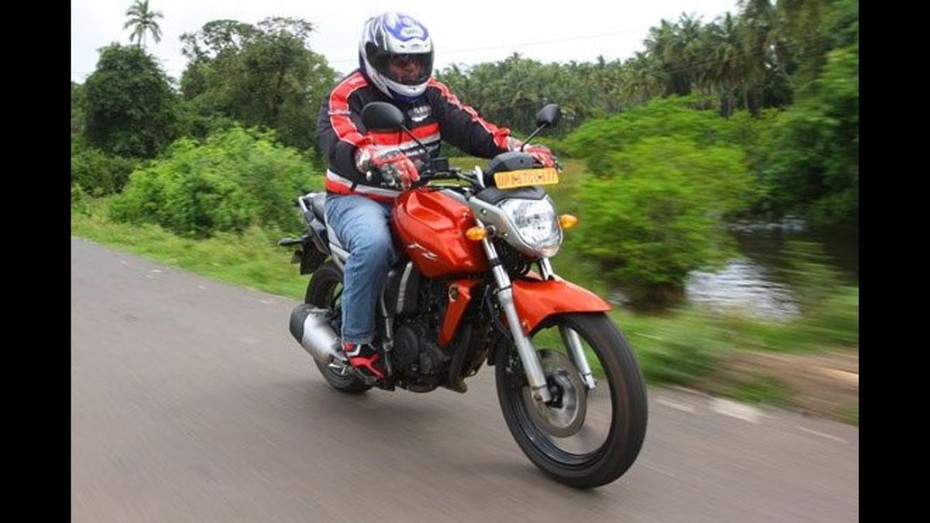
If you had come across Yamaha FZ back in 2008, the first thing which came to mind is good performance. Over the years, Yamaha evolved the FZ series with one goal in mind: refine and make it better. But where has the path led the brand to? Well, it is a long story and one which starts from the launch of the Yamaha FZ-16.
When Yamaha launched the FZ-16 in India, it was an instant hit with younger riders who wanted a balance between good performance, affordability, as well as everyday usability. The FZ-16 did well in this regard, with its 153cc, air-cooled, single-cylinder motor delivering 14PS and 13.6Nm. When we had first reviewed this bike back in 2008, the FZ was not only great at low-end grunt but its mid-range was impressive as well. As with Japanese engineering, the best byproduct was how frugal the bike was. We ran some mileage tests and got 60.32kmpl in mixed riding conditions (city and highway).
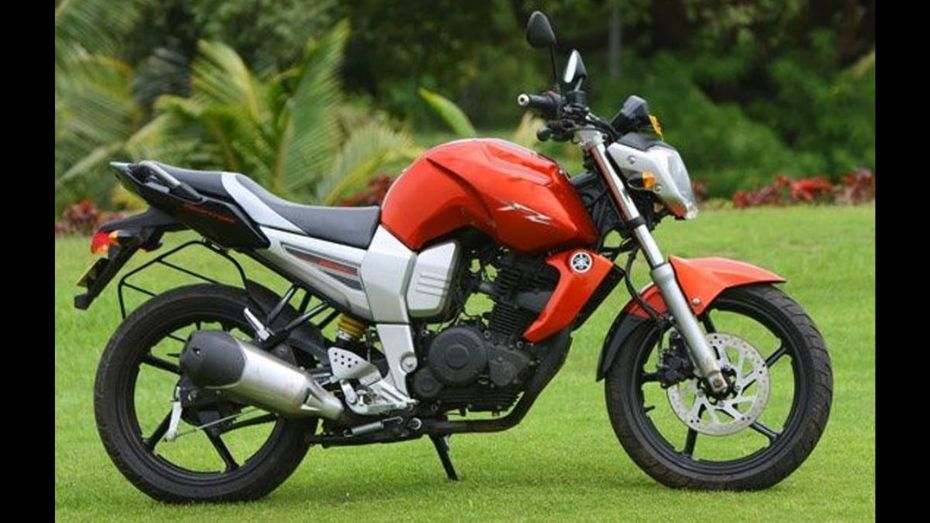
Another thing which worked well for the bike was its good looks. The bike got a large and muscular looking fuel tank, and aggressive extensions at the front, combined with the raised tail-section. In fact, this was the first modern small-capacity streetfighter in India, creating a brand new category: the sporty 160cc naked segment. Nothing could come close to its macho looks- be it the TVS Apaches, or the Pulsars, and the CBZ.
Yamaha aptly chose the FZ platform as it was well-known for its performance-packed streetfighters, notably the Yamaha FZ1. So in many ways the Yamaha FZ-16 was something truly special.
In 2014, Yamaha rolled out the second-generation of the Yamaha FZ lineup. This comprised the Yamaha FZ-S and the Yamaha FZ-Fi, and what set them apart from the previous generation model were the mechanical changes. Both the variants of the bike got a smaller 149cc engine, with fuel-injection.
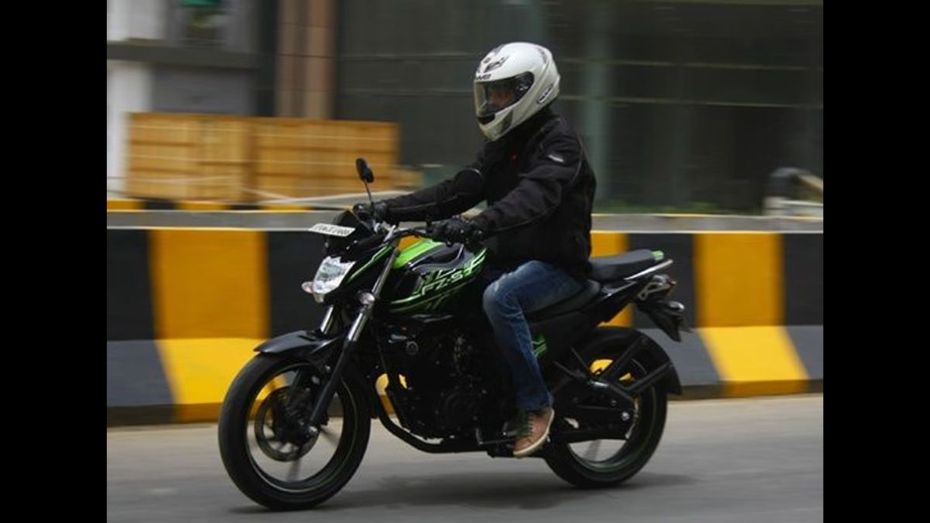
For most, this came as a shock and many weren’t happy because there was a drop in performance. The new engine produced 13.1PS and 12.8Nm - less powerful and less torquey compared to the first-gen model. Yamaha fought-off the naysayers claiming that the engine offered better low end-torque and more importantly, mileage. Even with the changes, the bike still had some of the old charm left.
With the 3rd generation that was launched in 2019, Yamaha decided to improve 3 aspects: comfort, features and safety. The bike got a new single-piece seat which was quite long and spacious. The bike also got slightly wider handlebars, for a more comfortable riding experience. Along with this, the brand also gave it a digital instrument console, and an LED headlight. This made the bike look and feel a lot more premium than before. Lastly, to comply with the latest safety regulations the brand had also added single-channel ABS to the bike. The bike has retained the same motor till now, with minor changes here and there to make it compliant with emission norms.
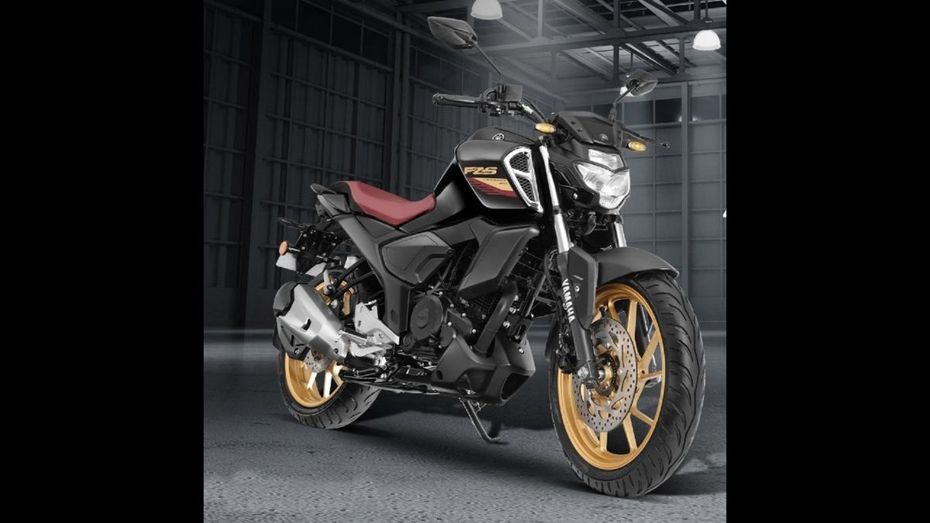
In doing all these things, it became clear that the brand wanted to take the FZ range more towards the premium commuter side, instead of performance. It went from being a poster child of the youth wanting performance tempered with Japanese engineering to pandering to the family man who is concerned about his monthly fuel bills - while also thoughtfully reminiscing his fun-filled college days. Yamaha’s logic here was - if you want performance, we’ve got something uncompromising for you - enter the Yamaha MT-15. This motorcycle was launched in the same year.
In 2023, Yamaha launched the Version 4 of the Yamaha FZ-S Fi. Despite the identity veering off performance and going towards frugality, the FZ range still tallied decent numbers as the brand had established itself among the hearts of enthusiasts. Yamaha had to be careful about not breaking the winning formula, so it only took small efforts here and there to make the bike feel a bit more value-for-money. Consequently, it added a traction control system. While this sounds great on paper, the reality is that this feature isn’t particularly necessary on a 150cc bike. But that didn’t faze (see what we did there?) the brand either as the sales numbers stayed consistently high, and Yamaha reaping the benefits through its balance sheets.
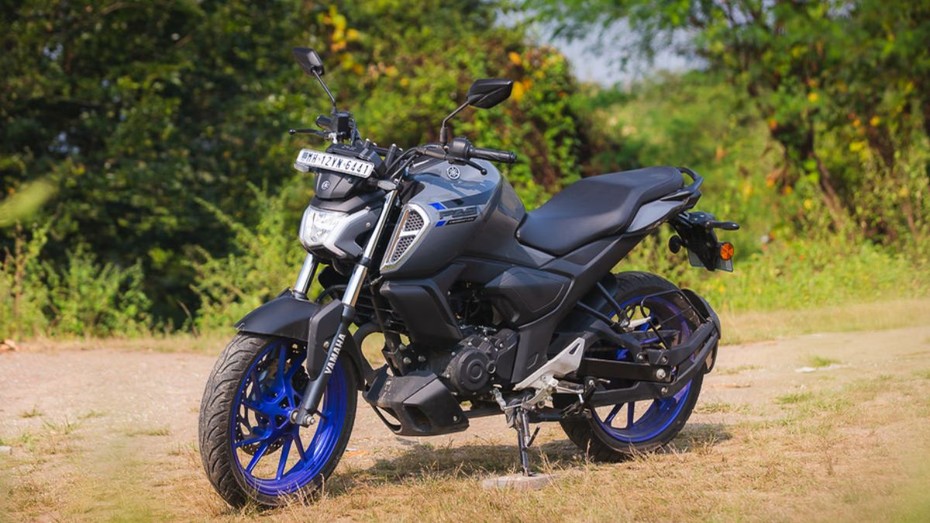
With the tightening emissions and the push towards electrification, Yamaha wanted to use the FZ sub-brand to bring out change towards this direction. Not surprisingly, it took inspiration from the mild-hybrid tech in its 125cc scooter range, and plonked it in the best-selling motorcycle range, the FZ. Thus, the 2025 Yamaha FZ-S Fi Hybrid launched in May this year.
Now, you might be thinking, with all these updates over the years the Yamaha FZ-S Fi would have become a lot more fuel-efficient than before. Well, when we tested the Yamaha FZ-S Fi Hybrid, we got a mileage of 61.2kmpl (average between city and highway). That’s less than 1kmpl compared to our tested mileage of the first-gen bike! Now, the question is was it all worth it?
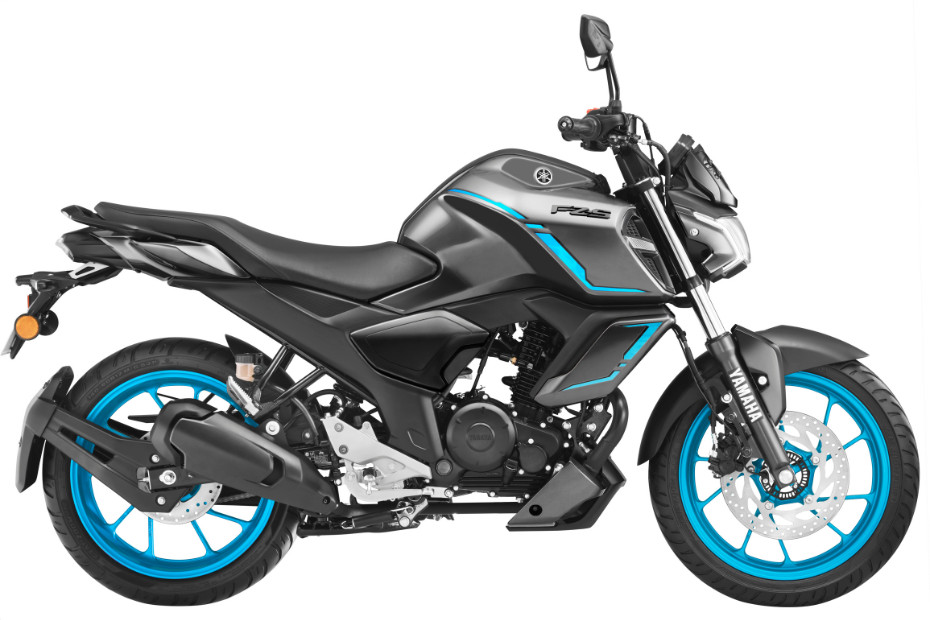
Well, the answer isn’t as straightforward as one would think considering different factors. It may not be the enthusiast’s sweetheart anymore, but what Yamaha is trying to do is offer a bike that retains the sporty FZ-16’s soul but also offers mileage comparable to modern 125cc bikes. That guy who has bills to pay - to him, the FZ is exactly what he wants - a frugal runabout that doesn’t look as boring when the passersby catch a glimpse of his busy life, more often than not, full of sacrifices.


Traction Control For Yamaha FZ-S Fi Version 4.0, FZ-X, R15 M, MT-15...
EXCLUSIVE: Updated Yamaha FZS V4, FZ Launch Soon
Yamaha Announces Festive Offers For FZ-Fi, FZ-S Fi V3 and V4, Fascino...
Yamaha FZ-S FI V4 vs TVS Apache RTR 160: Features Compared
Yamaha FZ-S V4 Vs FZ-S V3: New Vs Old In 5 Pics
Alcohol-guzzling Bikes Showcased at Auto Expo
Key Highlights Of The 2022 Yamaha FZ-S Version 3.0
ZigOpinion: The Yamaha FZ Range Deserves A Lot More This Year
Yamaha Adds New Range-topping DLX Variant To The FZS-FI
Yamaha FZS-FI V4
Yamaha FZ-FI Version 3.0
Bajaj Pulsar NS200
Yamaha FZ X
India's largest automotive community
Yamaha R15 V4
Yamaha XSR 155
Yamaha MT 15 Version 2.0
Yamaha FZ-S Fi
Yamaha YZF-R2
 Yamaha RayZR 125 Fi Hybrid
Rs. 79,880
Yamaha RayZR 125 Fi Hybrid
Rs. 79,880
 Yamaha Fascino 125 Fi Hybrid
Rs. 78,980
Yamaha Fascino 125 Fi Hybrid
Rs. 78,980
 Yamaha Aerox 155
Rs. 1.46 Lakh
Yamaha Aerox 155
Rs. 1.46 Lakh
 Yamaha Aerox-E
Rs. 2.82 Lakh
Yamaha Aerox-E
Rs. 2.82 Lakh
 Yamaha EC-06
Rs. 1.71 Lakh
Volvo EX90
Rs. 1.20 Crore
Volvo ES90
Rs. 1.10 Crore
Toyota Glanza Facelift
Rs. 6.85 Lakh
Hyundai Bayon
Rs. 10.00 Lakh
Audi Q3 2026
Rs. 48.00 Lakh
Yamaha EC-06
Rs. 1.71 Lakh
Volvo EX90
Rs. 1.20 Crore
Volvo ES90
Rs. 1.10 Crore
Toyota Glanza Facelift
Rs. 6.85 Lakh
Hyundai Bayon
Rs. 10.00 Lakh
Audi Q3 2026
Rs. 48.00 Lakh
 BMW F 450 RR Teased: Most-Affordable Twin-Cylinder BMW Sportbike Coming Soon
 Upcoming Bajaj Pulsar RS200 Spied Testing & NS200 Reaches Dealership
 Upcoming Triumph Street Triple, Tiger 900 And Tiger 1200 To Get Major Updates
 Ampere Nexus EX+ Launched In India; Gets More Power And New Features
Triumph Bonneville T40: New Platform To Spawn More Bikes?
Ampere Nexus EX+ Launched In India; Gets More Power And New Features
Triumph Bonneville T40: New Platform To Spawn More Bikes?