Top 5 Things Which Make The Ampere Magnus Neo The Best First Electric...
- Aug 31, 2026
- Views : 21187



 Follow us

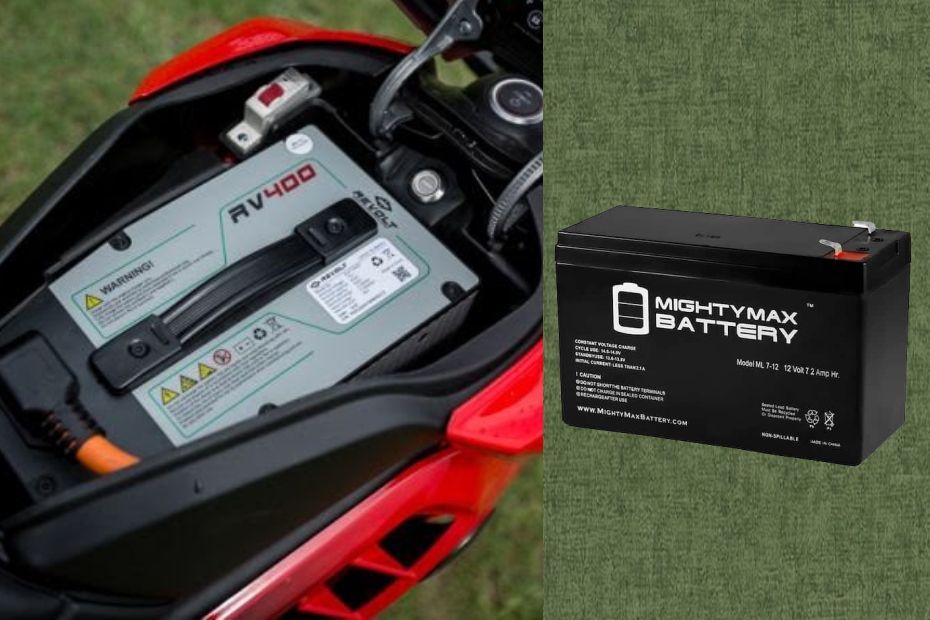
Battery packs are considered the heart of an electric two-wheeler. This power source does not store electricity as a whole but contains chemicals that react to produce an electric current. This includes chemicals and metallic compounds such as lead, sulfuric acid, lithium compounds, and more.
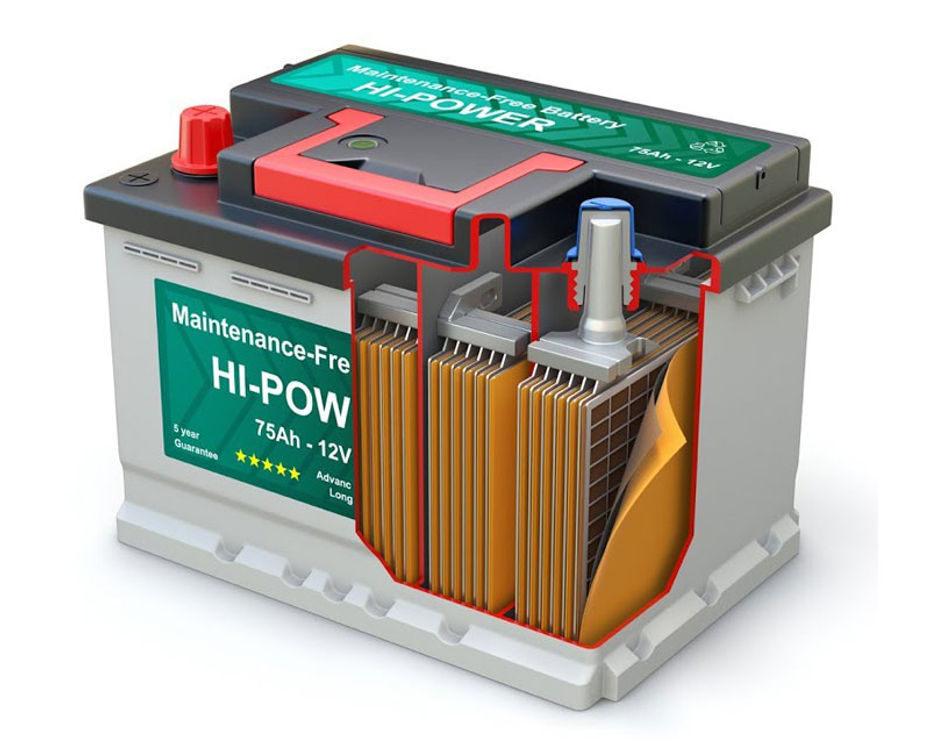
The current level of technology in electric automotive propulsion relies heavily on two primary kinds of batteries: lead-acid and lithium-ion. The first type of rechargeable battery was, in fact, a lead-acid one. It consists of a negative electrode made of porous lead in a plate dipped in dilute sulfuric acid, where the reactions take place for the charge and discharge to occur. Lithium-ion battery, too, is a type of rechargeable battery in which the lithium ions move from positive to negative electrodes and vice versa.
Lead-acid battery
A lead-acid battery commands a significantly lower price, which would obviously weigh in heavily while choosing the type of battery you want. However, lead-acid batteries are heavy, and as a consequence, they can make the two-wheeler heavier when the batteries are mounted, thereby not offering optimum dynamics.
Other than the charge of the battery, the discharge also plays an important role. Lead-acid batteries discharge quite faster in an idle state, and as time passes, the discharge rate only increases. So if you haven’t used your bike in a few months, a considerable amount of charge would have been lost, and you would face issues in starting it after long intervals. Another major point would be that, at freezing temperatures, a lead-acid battery’s capacity will be reduced to 50 percent, making it perform poorly in cold environments. Although, a silver lining with the lead-acid batteries is that it recovers from deep discharge better and more regularly.
Lithium-ion Battery
Lithium-ion batteries are relatively more advanced, and consequently, more expensive. Plus, these are much lighter than lead-acid powered ones and do not impact the riding dynamics as much.
Li-ion batteries also have a slower discharge rate compared to lead-acid batteries and hence have a much better storage life. Additionally, these batteries perform better in cold temperatures; a Li-ion battery would lose only 10 percent of its capacity at freezing conditions. That said, they cannot be charged at sub-zero temperatures.
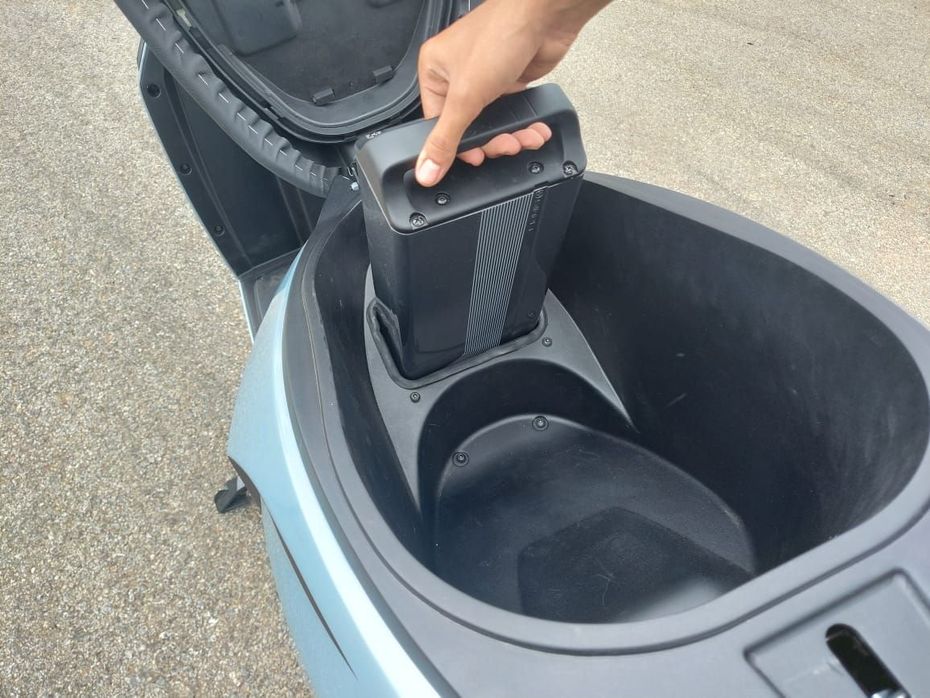
Both battery types have their pros and cons in different situations, but overall, lithium-ion batteries’ inherently better reliability makes them better suited for electric two-wheelers.
That said, the Indian two-wheeler market is still price-conscious, so EVs with lead-acid batteries may not go out of fashion any time soon.


Top 5 Things Which Make The Ampere Magnus Neo The Best First Electric...
New Bajaj Pulsar 125: First Look Review
BREAKING: Yamaha R2 Launched In India: KTM RC 200 Rival Is Finally...
Ather Konarc Explained In Detail With Real-Life Images
Ather’s Rizta Now Has A Mini-Me, And It Rocks!
KTM 490 Duke Spotted Stoppie-ing: India Launch 2027
Royal Enfield Himalayan 750 Showcased In Brazil
BREAKING: Triumph Bonneville T40 Launched In India; The Baby Bonnie...
Kawasaki Z Range Gets New Shades For 2027
5 Yamaha Bikes We Wished Yamaha Launched In India
India's largest automotive community
Triumph Bonneville T40
₹ 2.55 Lakh
Honda XR 300 Rally
₹ 2.08 Lakh
Honda XR 300L
₹ 1.83 Lakh
Aprilia SXR GT 175
₹ 1.30 Lakh
Aprilia SXR GT 125
₹ 1.10 Lakh
Volvo EX90
Rs. 1.20 Crore
Volvo ES90
Rs. 1.10 Crore
Toyota Glanza Facelift
Rs. 6.85 Lakh
Hyundai Bayon
Rs. 10.00 Lakh
Audi Q3 2026
Rs. 48.00 Lakh
 From Prologue To Finish: KTM Adventure Rally Extreme
 Pole Position That Slipped Away: Finished Second At TVS YMRP Round-1
 TVS Takes Its Racing Championship To Europe
 BMW F 450 RR Teased: Most-Affordable Twin-Cylinder BMW Sportbike Coming Soon
Upcoming Bajaj Pulsar RS200 Spied Testing & NS200 Reaches Dealership
BMW F 450 RR Teased: Most-Affordable Twin-Cylinder BMW Sportbike Coming Soon
Upcoming Bajaj Pulsar RS200 Spied Testing & NS200 Reaches Dealership