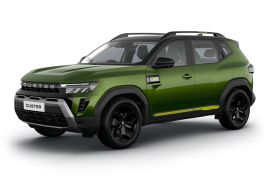

2026 Renault Duster Drive Review: Tough SUV Now More Modern
- Mar 25, 2026
- Views : 7038



 Follow us

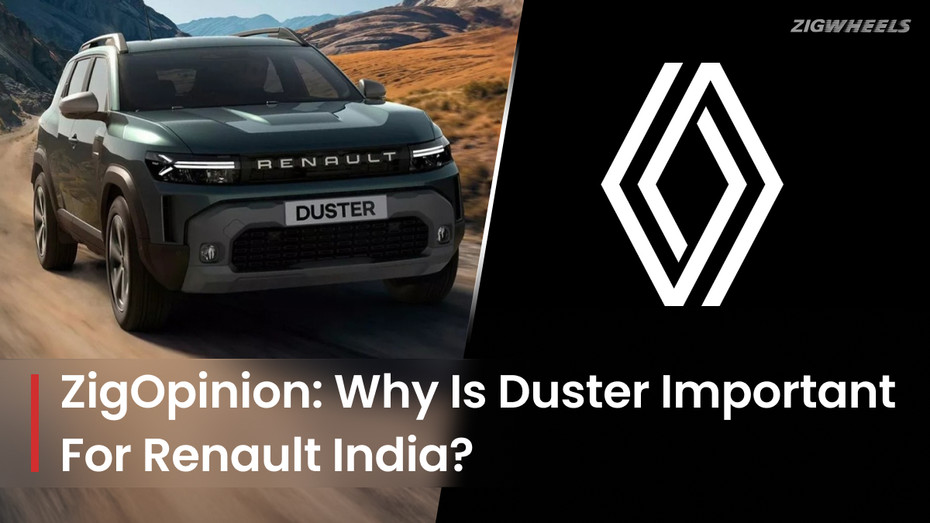
Some cars sell well, and then some cars stay with you long after the spotlight has dimmed out. The Renault Duster did both; it sold, it succeeded, and when it disappeared, it left behind a void that Renault India or even any other brand in India has struggled to fill ever since..
For Renault India, the Duster wasn’t just a successful SUV. It was the product that built the brand in India.
And once that was gone, everything else began to… fall apart.
When the Duster was first launched in 2012, it didn’t come with flashy features or premium positioning. It was a mass-market package oriented to be a monocoque SUV that felt genuinely capable, comfortable, and accessible.
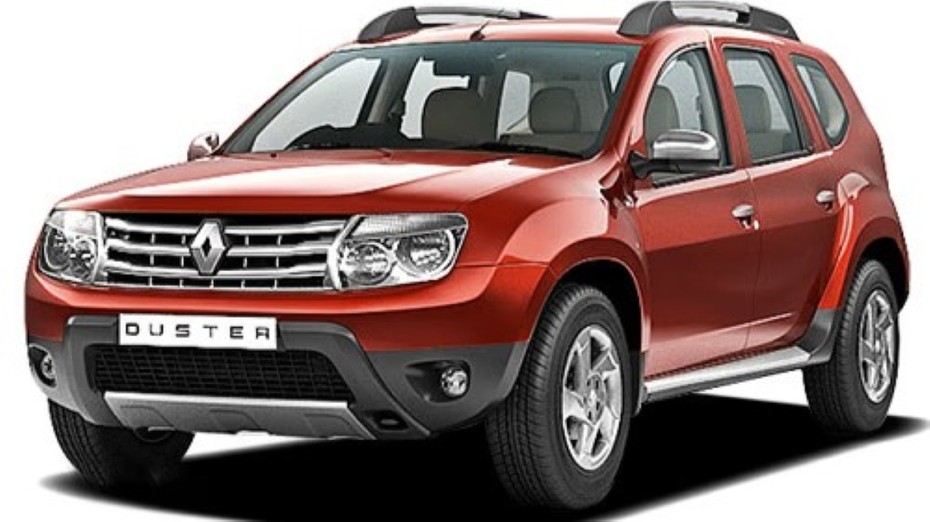
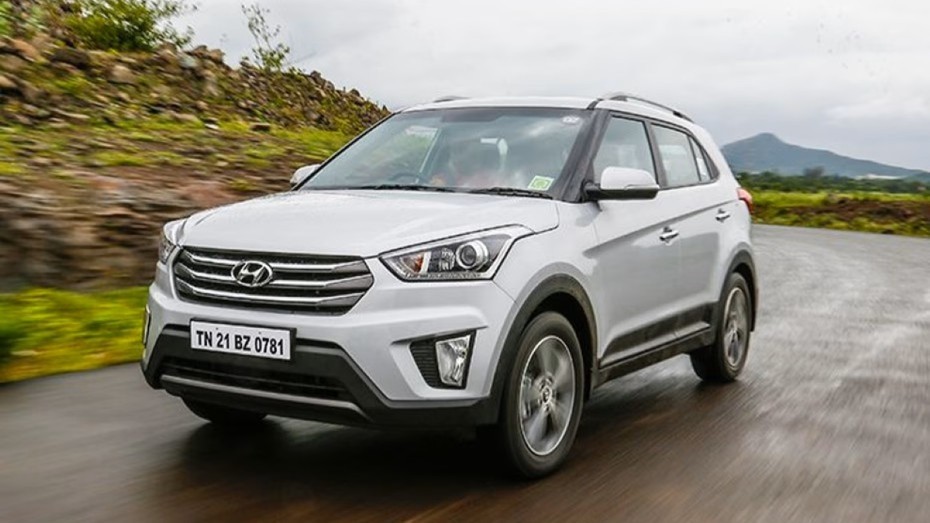
It literally kick-started the compact SUV segment in India (alongside the smaller Ford Ecosport), which the Hyundai Creta rules today. That very segment is now the most competitive and aggressively contested battlefield in the Indian car market.
Today, manufacturers pour their best R&D, platforms, engines, safety tech and marketing campaigns into this space because this is where volumes, profits, and brand perception are built.
For context, the Hyundai Creta isn’t just a segment leader; it is Hyundai’s backbone in India. In recent years, the Creta has accounted for roughly one-third of Hyundai’s total passenger vehicle sales and commands around 34 percent of the compact SUV segment, underlining just how dominant it is in this space.
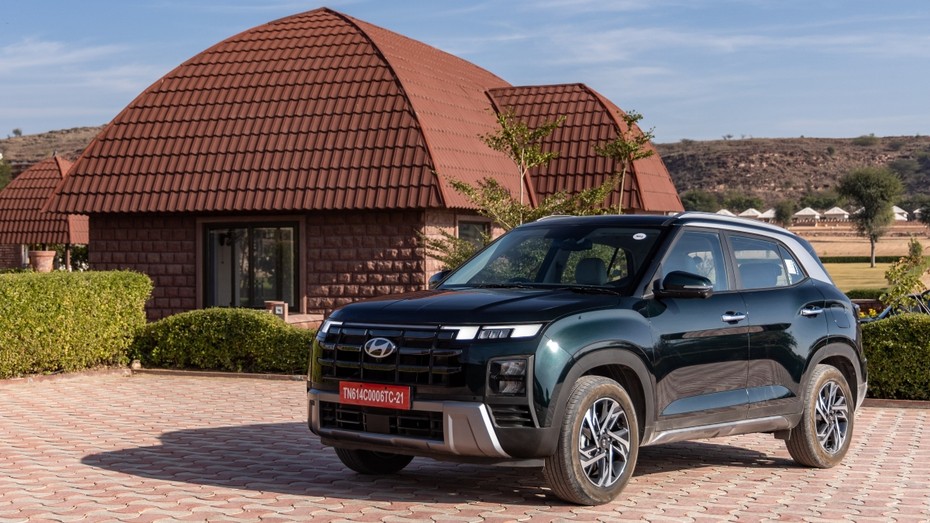
In comparison, the Maruti Grand Vitara, while a strong and consistent performer, holds a much smaller share of the segment, typically in the low-teens at around 10–12 percent, clearly showing the scale of the gap Renault’s Duster will be up against in a market now shaped by high-volume players.
Back then, the Duster didn’t follow a trend; it created one.
For Renault India, the Duster defined their credibility because Indians connected Renault to Duster, almost instantly, even prevalent today. The compact SUV gave the brand a strong, dependable image: tough cars, engineered for bad (Indian) roads and built to last.
When the Duster was eventually discontinued, Renault lost its strongest emotional connector.
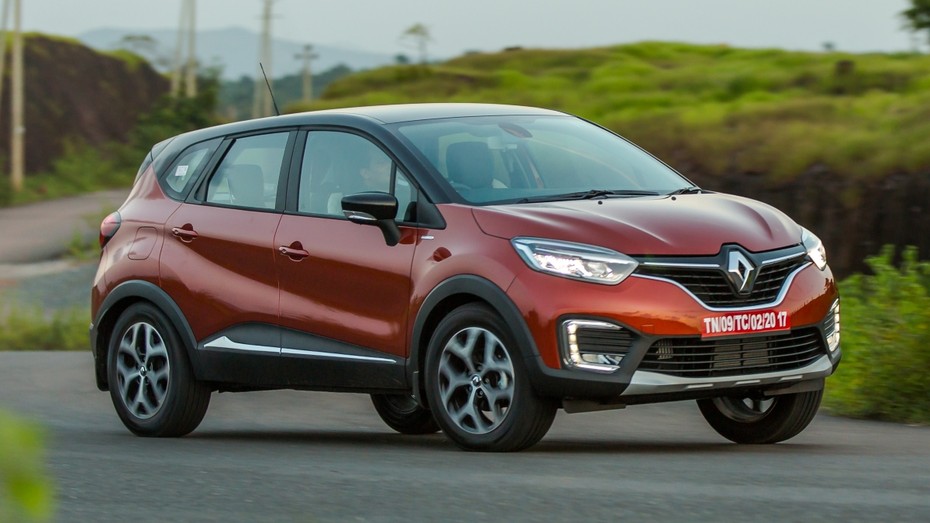
What followed only made that gap evident. The Captur tried to step in, but it failed to resonate, priced ambitiously, styled softly, and disconnected from what buyers loved about the Duster. The message became unclear. Was Renault premium? Was it rugged? Was it value-driven?
Fast forward to the last couple of years, and Renault’s presence in India has felt… muted.
The brand has effectively been surviving on just three products: the Kwid, Triber and Kiger. Budget-focused and value-driven cars that do their job.
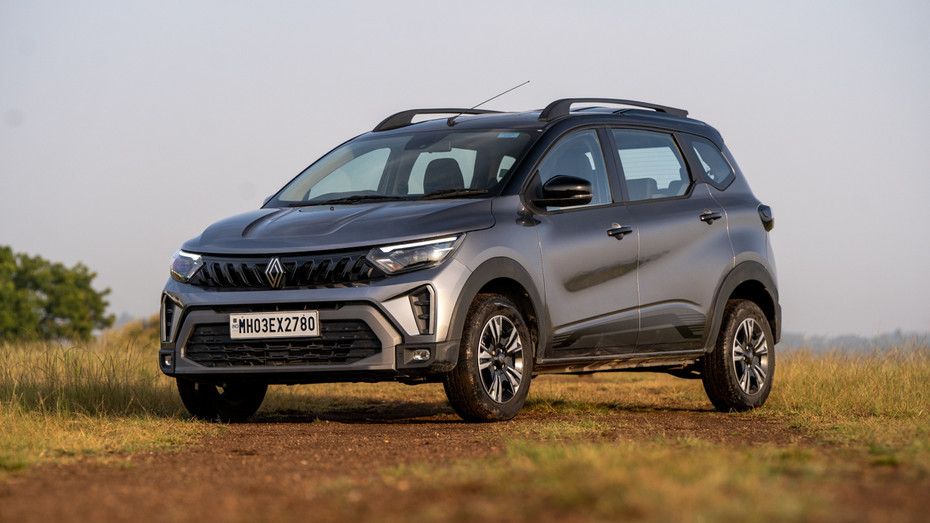
Yes, the Kiger and Triber recently received their first facelifts, but let’s be honest, these were minor updates. Useful, sensible tweaks, not the kind that reset a brand’s image or rewrite sales charts.
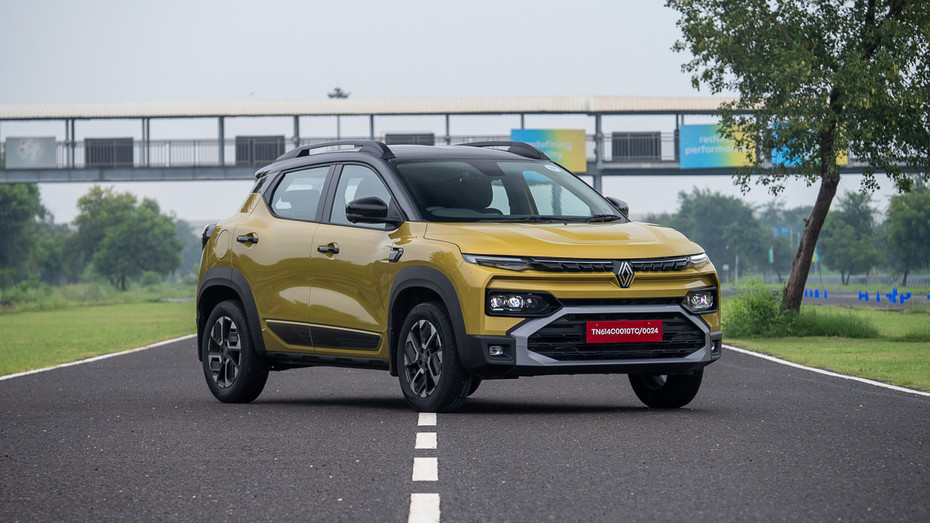
The last truly meaningful update to the Kwid came nearly two years ago, and even then, it didn’t introduce anything substantially new. At the same time, buyer preferences have clearly shifted; first-time car buyers are steadily moving away from entry-level hatchbacks and gravitating towards micro-SUVs and sub-4-metre SUVs, which now offer a stronger sense of value, presence, and long-term appeal.
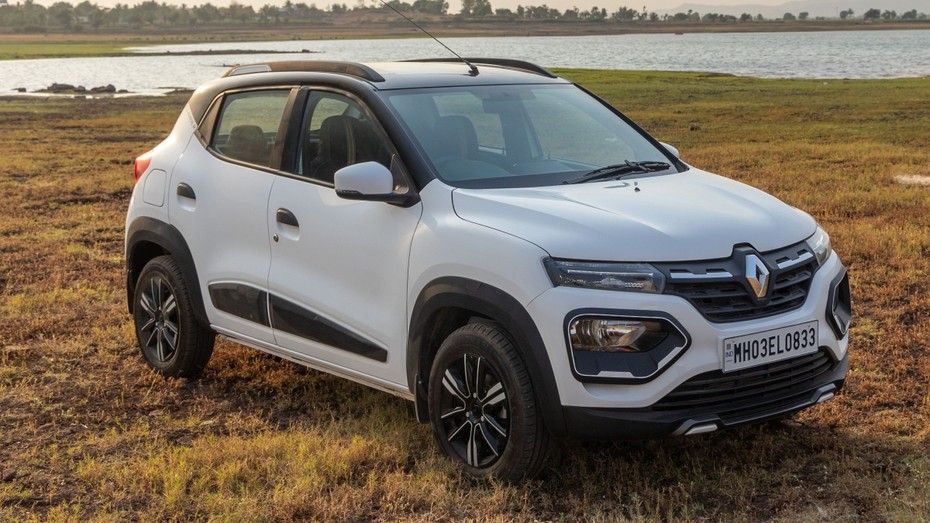
And with only three cars on sale, Renault’s visibility on Indian roads and in public perception has been a shadow of what it once was.
For a brand that once defined an entire SUV segment, that’s a tough fall.
Between 2020 and 2025, Renault India has seen its market share steadily slip, falling from around the 2–3 percent mark to well under 1 percent. With a shrinking line-up and no strong volume or image-driving product after the Duster, the brand’s presence faded just as the market grew faster and more competitive than ever.
This is exactly why the Duster’s comeback matters so much.
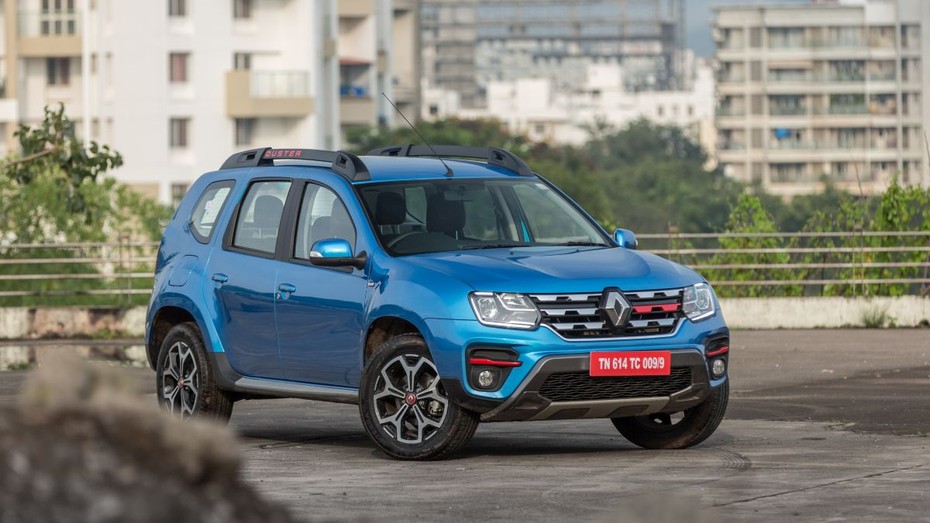
Renault India needs credibility in the form of a product that reminds buyers, and to some extent, even their dealers, that the brand knows how to build something solid, dependable, and reassuring.
The Duster carries a reputation money can’t buy anymore. It reminds you of a time when Renault felt bold and bullish about India. It’s remembered as a workhorse, a highway mile-muncher, i.e. something that could go on for years and even aged well.
To be honest, the Duster is returning to the toughest battlefield it will face.
The segment it once created is now congested like Bangalore during office hours. It will go against rivals that have evolved faster and more aggressively.
Going up against established leaders like the Hyundai Creta and Kia Seltos (who recently got its first generation change), enthusiast favourites like the Volkswagen Taigun and Skoda Kushaq (which is also undergoing its first facelift), value-packed challengers like the Maruti Victoris, Maruti Grand Vitara and Toyota Urban Cruiser Hyryder.
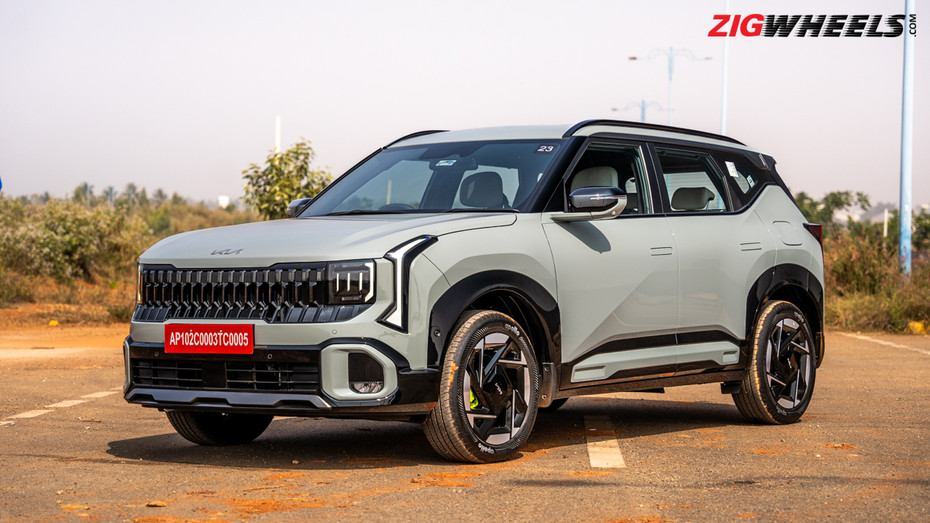
There’s also competition driven by nostalgia with the return of the Tata Sierra, and sibling rivalry from its brother-from-another-mother, the Nissan Tekton.
This isn’t about grabbing a piece of pie; it is about sustaining against these fighters, holding ground and then rebuilding step by step.
There’s a certain poetry in how this story is unfolding. The Renault Duster was the car that began Renault’s India innings, the one that announced the brand’s arrival with confidence and clarity. And now, more than a decade later, it’s doing something remarkably similar, restarting that innings all over again.
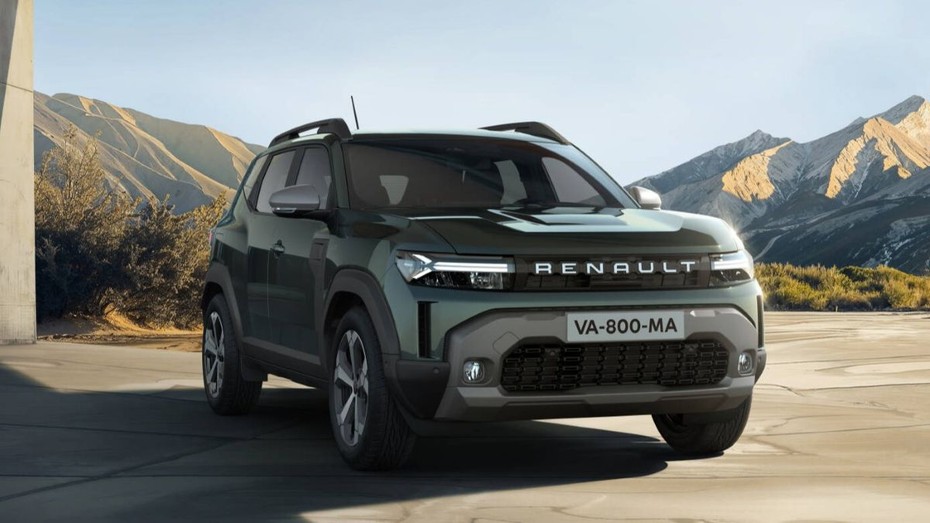
Because Renault knows this can’t stop at just one car. The Duster is the opening move. If it finds its footing, it naturally unlocks a larger roadmap, a Duster Hybrid for a market steadily warming up, the bigger and more premium Renault Bigster to push the brand into an upper territory, and potentially other products across segments where the brand has been missing in action.
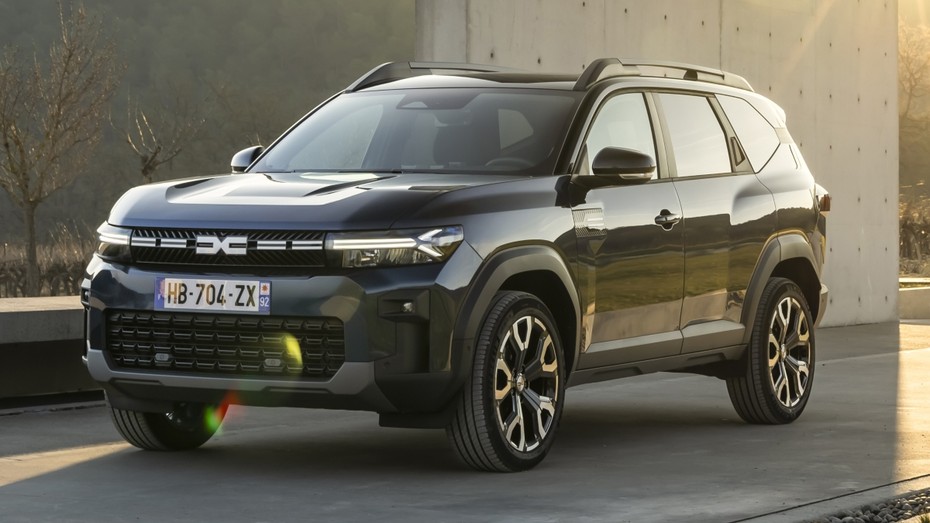
In many ways, the Duster is an attempt to start afresh.
And that’s what makes this moment feel like coming full circle. Once before, the Duster gave Renault a foothold when it needed one the most. Today, with the market tougher and expectations higher, the challenge is far greater, but so is the opportunity. If the Duster could quietly build a brand once, there’s hope it can help rebuild one again.
Buyers may be willing to give the Duster more time to prove itself because they remember what it once stood for. They remember the kilometres it covered, the abuse it tolerated, and the trust it built over the years. That goodwill is rare and fragile.
If Renault nails the fundamentals: modern looks, premium yet rugged interior, tech-backed features, safety, ride quality, real-world performance, reliability, and an immersive ownership experience, the Duster can once again anchor the brand. Not immediately. But slowly and steadily.
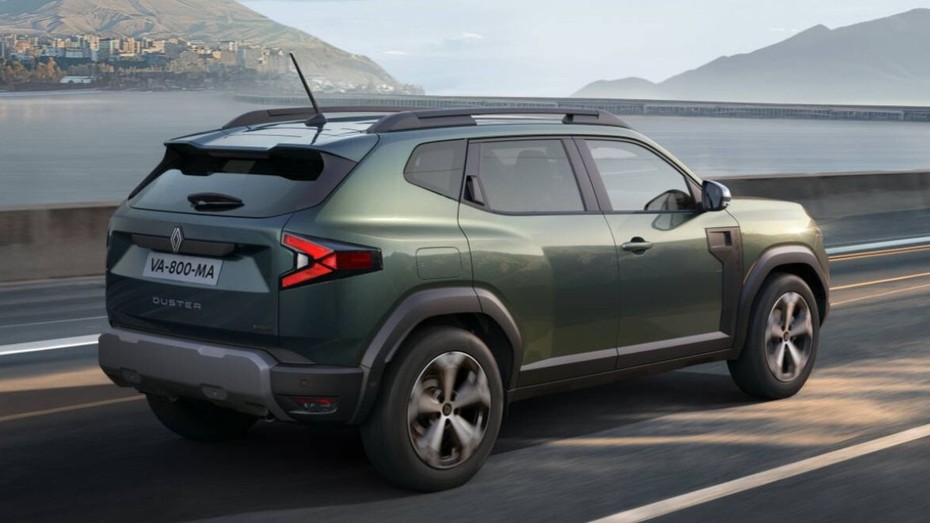
Because comebacks aren’t about reclaiming the past. They’re about using it wisely.
And for Renault India, there is no better place to start than with the one car that once made everything possible.
Are you excited for the new Renault Duster? Let us know what you feel in the comments below!


2026 Renault Duster Drive Review: Tough SUV Now More Modern
Renault Duster 1-litre Turbo Petrol Driven: A Surprise All-Rounder
Renault Duster Continues To Impress Us; This Time With A 5-Star...
Renault’s “futREady” Plan For India: New Sub-4m SUV...
Planning To Buy The New Renault Duster? Check Out Its Pros And Cons...
2026 Renault Duster Short Review: What We Liked & What Needs To...
2026 Renault Duster Variants Explained: How Well Equipped Is Each...
2026 Renault Duster Makes A Comeback At Rs 10.49 Lakh; Iconic SUV...
All You Need To Know About The New 2026 Renault Duster Ahead Of Its...
Nissan Tekton
Maruti Grand Vitara
Maruti Brezza
Maruti Victoris
Tata Harrier
India's largest automotive community
Renault KWID
Renault Triber
Renault Kiger
Maruti Suzuki Brezza
Tata Punch
Maruti Suzuki FRONX
Mahindra Thar
Tata Nexon
Mahindra Thar 3-door Facelift
Rs. 10.50 Lakh
Skoda Superb 2026
Rs. 50.00 Lakh
Skoda Slavia Facelift
Rs. 11.99 Lakh
Honda Elevate Facelift
Rs. 11.91 Lakh
Volvo EX90
Rs. 1.20 Crore
 Here Are Five Things We Loved About The BMW i5 LWB!
 BMW i5 LWB First Drive Review: Does Going Electric Cost The 5 Series Its Soul?
 2026 Mahindra XUV 7XO Scores A Perfect 5 Stars In BNCAP Crash Tests, More Points Than The Tata Safari!
 Hyundai Bayon Upcoming SUV Confirmed: To Rival Even Its Bigger Brother, Creta
2026 Mercedes-Benz GLC Electric Launch Confirmed! Bookings Open On…
Hyundai Bayon Upcoming SUV Confirmed: To Rival Even Its Bigger Brother, Creta
2026 Mercedes-Benz GLC Electric Launch Confirmed! Bookings Open On…