

5 Things We Love About The Kia Syros EV
- Aug 9, 2026
- Views : 2445



 Follow us

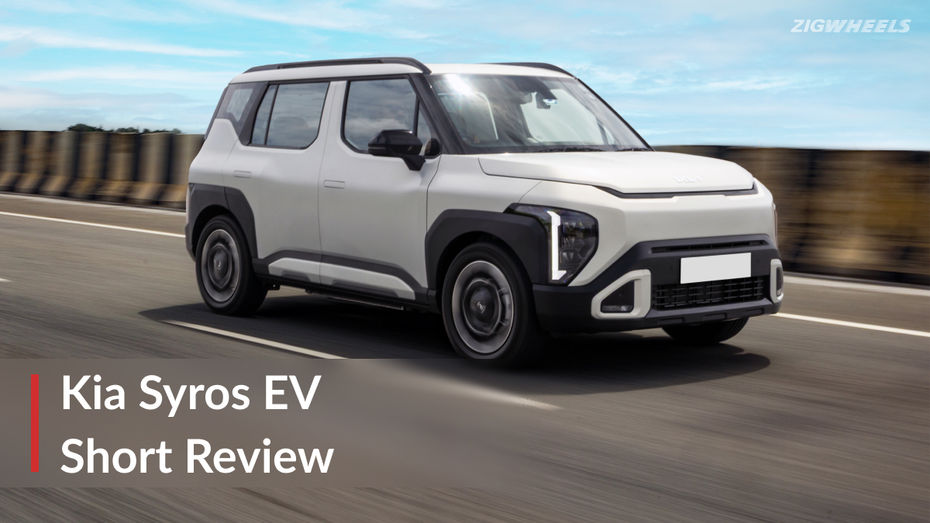
The Kia Syros is a case study in engineering and product packaging. The mission statement for Kia was to make a car that did almost everything the larger Seltos does but for someone who perhaps didn’t have the parking space for a larger car. None of that has changed with the Syros EV.
The looks remain the same whether you like it or not. The ground clearance goes up by 7mm to account for the battery pack, and you can see a bit of it, but otherwise, all versions of the Syros look almost exactly the same.
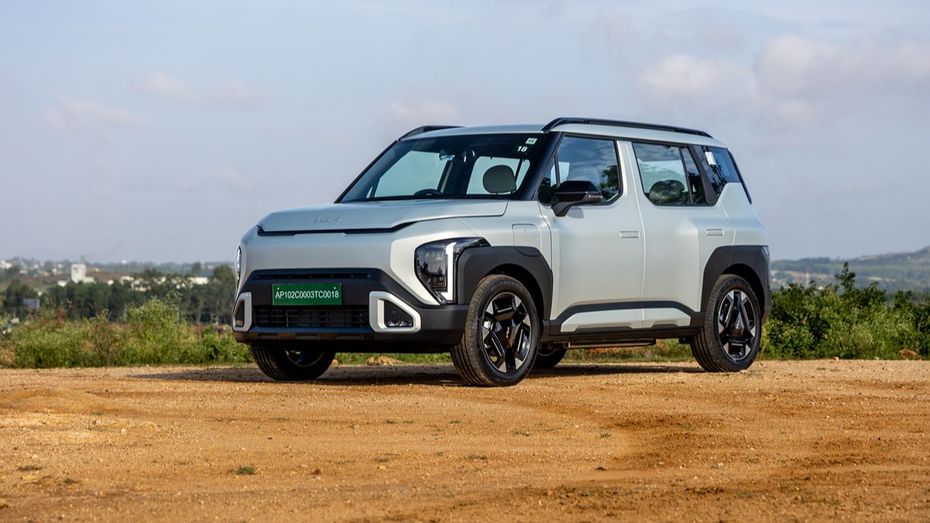
The front end reminds me of the Kia Tasman, complete with the LED headlights, DRLs and fog lamps. Its side profile reminds me of a stormtrooper’s helmet, with the side now featuring the charge port and motorised flush-fitting door handles.
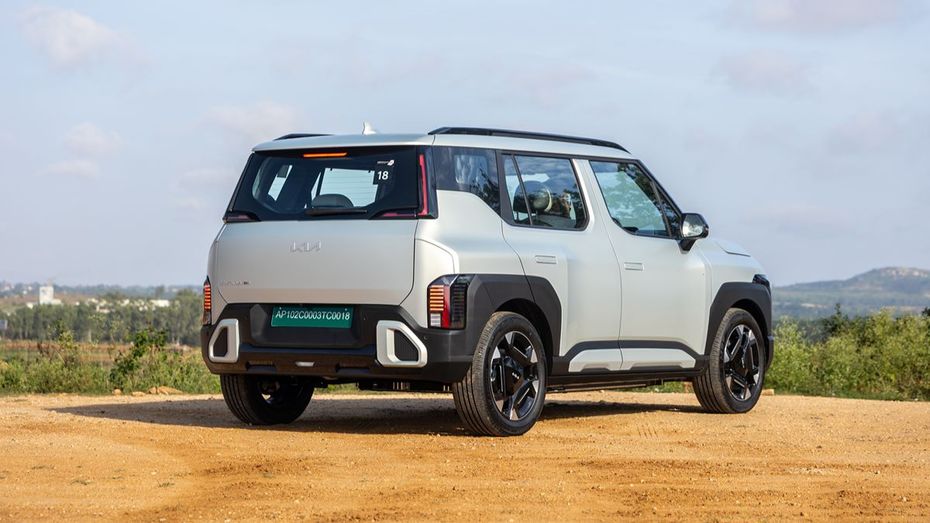
And the rear end, especially with its lighting elements, looks like two design concepts colliding for an end result that hasn’t become easier for me to digest with time.
Tremendous! There’s no other way to put it. The tall boy design opens up headroom that’s great even for users over 6 feet tall, and there’s enough knee room for someone 6.5 feet tall to fit behind a 6-foot tall driver. The Syros EV feels like a Carens without the 3rd row. The sliding and reclining rear seats enable more flexibility for luggage, and it’s easily the most versatile cabin in its segment.
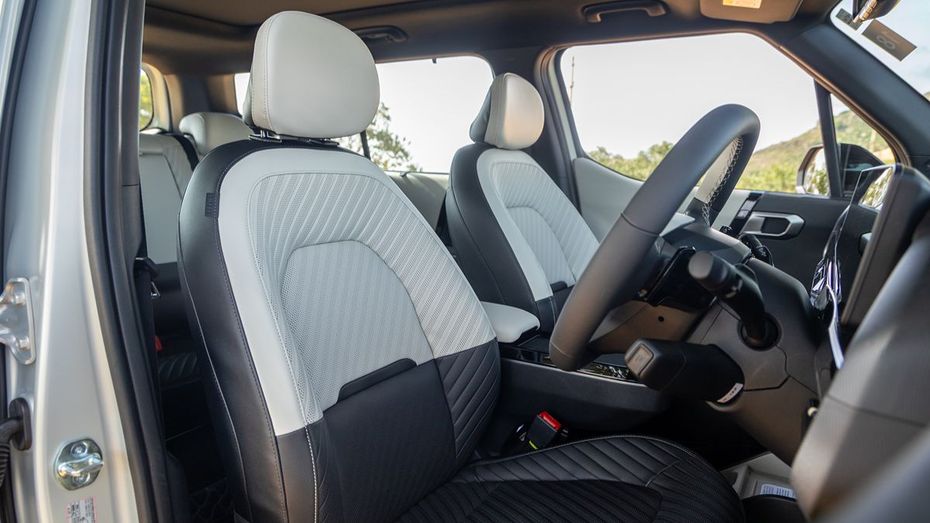
Even the front row is super roomy and feels way more spacious than a Tata Nexon EV. In fact, even the larger Maruti Suzuki eVitara doesn’t beat the Syros EV by much, with the latter actually offering better width to move around in the seat.
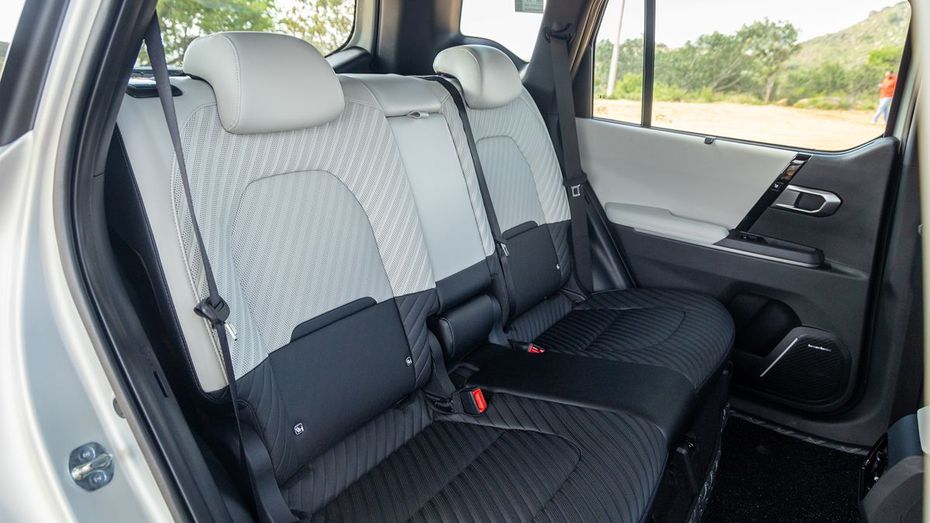
Quality remains a strong point as well. The buttons offer likeable tactility, and while the plastics are hard, finish quality remains solid and very similar to the Seltos.
At the top-end, the Kia Syros EV is far from cheap, but the money does get you a lot of kit.
Panoramic sunroof
Ventilated front seats
Ventilated seat bases at the rear
One-touch up/down power windows
Eco-Normal-Sport drive modes
4-way powered adjustment for the driver’s seat (height adjustment manual)
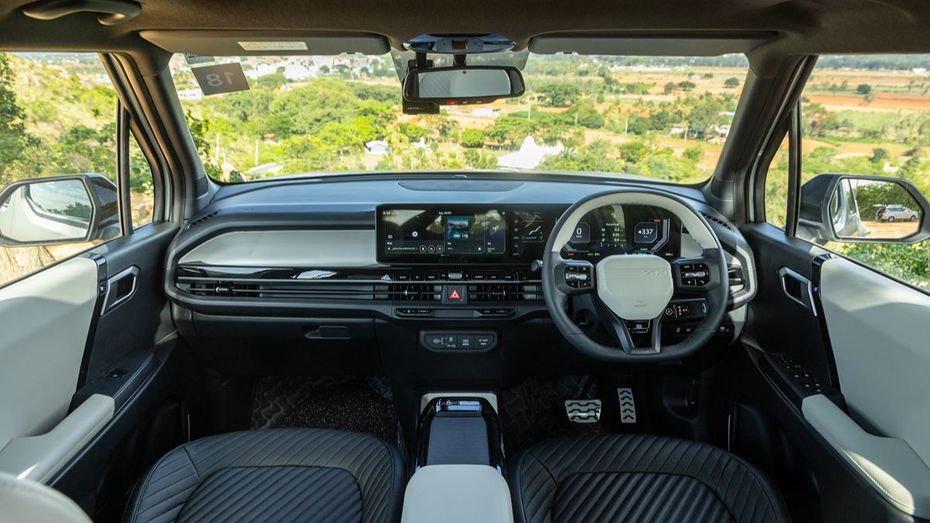
The touchscreen infotainment system is among the smoothest I’ve ever used, with wireless Apple CarPlay and Android Auto support, and even the digital cluster is buttery and intuitive to use. There’s a mini AC screen (5-inch) as well, but key functions like blower speed and temperature have big physical buttons.
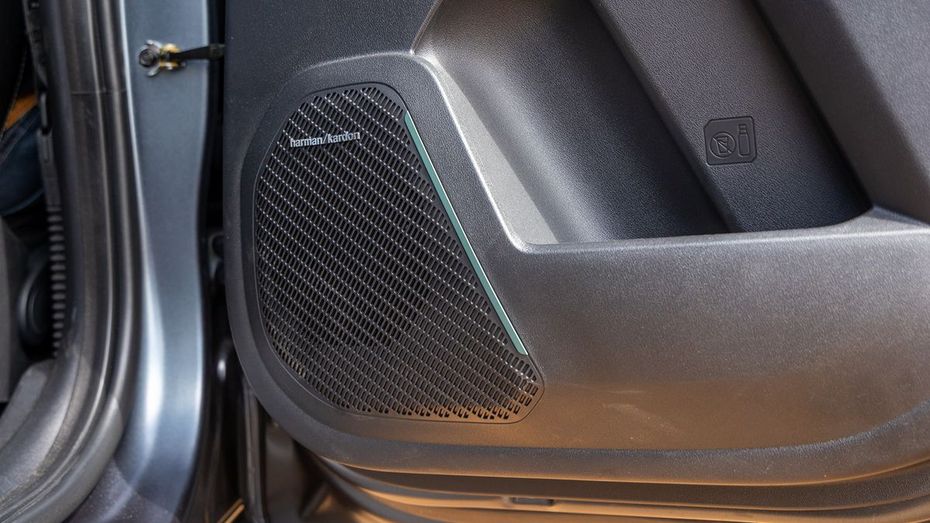
The 8-speaker Harman Kardon audio is a bit lacking on the lows, but treble to 8, mids at 4 and bass at 2 worked best to deliver respectable immersion.
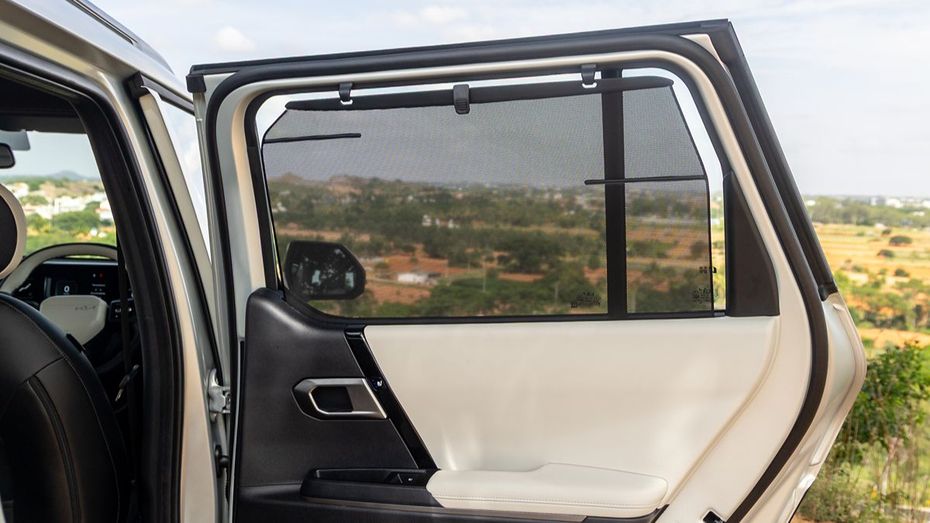
Also offered is a 3-pin plug point, 64-colour front ambient lighting, 4 Type-C chargers (including a 100W up front), wireless phone charger and rear sunshades too.
With the rear seat pulled all the way back and set at a comfortable recline angle, you can still fit 5 cabin-sized trolley bags.
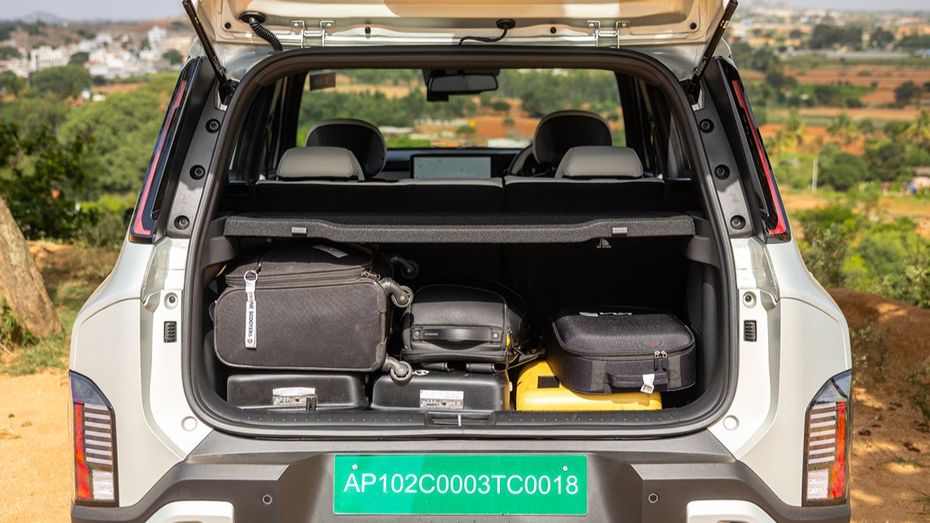
390-465 litres of boot space (with a space saver spare tyre underneath) makes the Syros EV very usable for airport runs.
The first notable change vs the petrol/diesel Syros is the ride quality. The Syros EV has a stiffer suspension setup to account for the battery’s weight but ends up making the overall ride package better balanced. Bump absorption is good, and the suspension doesn’t get noisy through potholes the way the petrol Syros does.
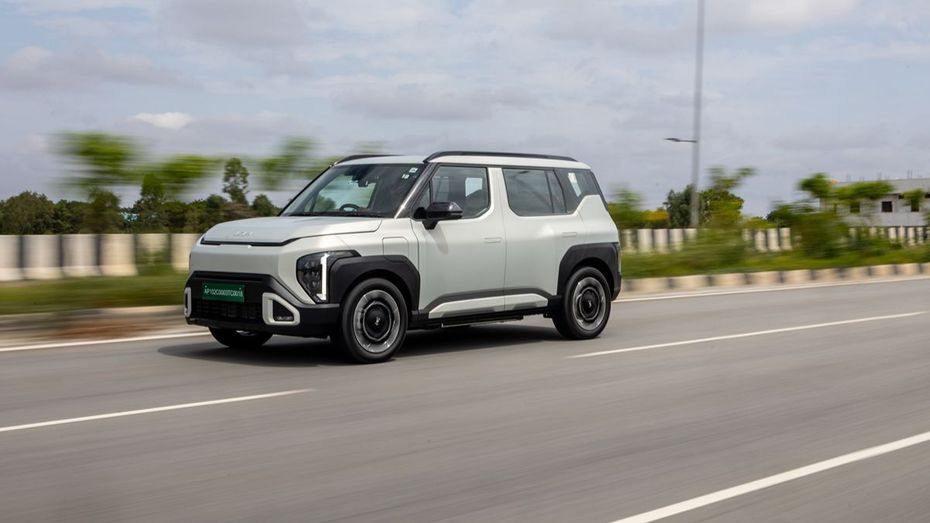
High-speed manners are good as well. The Syros EV masks speeds appreciably, making 120kmph feel like you’re doing 80kmph. It is, of course, a tall boy SUV so you will feel some body roll through curvy roads but nothing unexpected even at 80-120kmph. This extends to the rear seat as well, which doesn’t feel bouncy at high speeds, at least on tar roads.
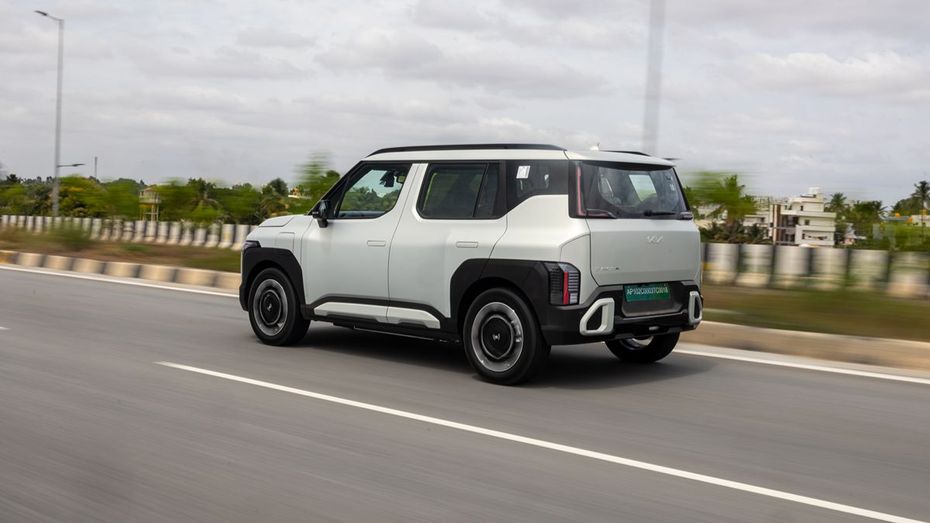
Performance is effortless. Throttle calibration feels precise and even in the Eco drive mode, there’s enough punch to manage highway drives or uphill driving. In Sport mode, punching the throttle makes progress very quick, though you can encounter some torque steer. It’s not the kind that’s overwhelming but you need to be mindful of it if you haven’t experienced EV acceleration before.
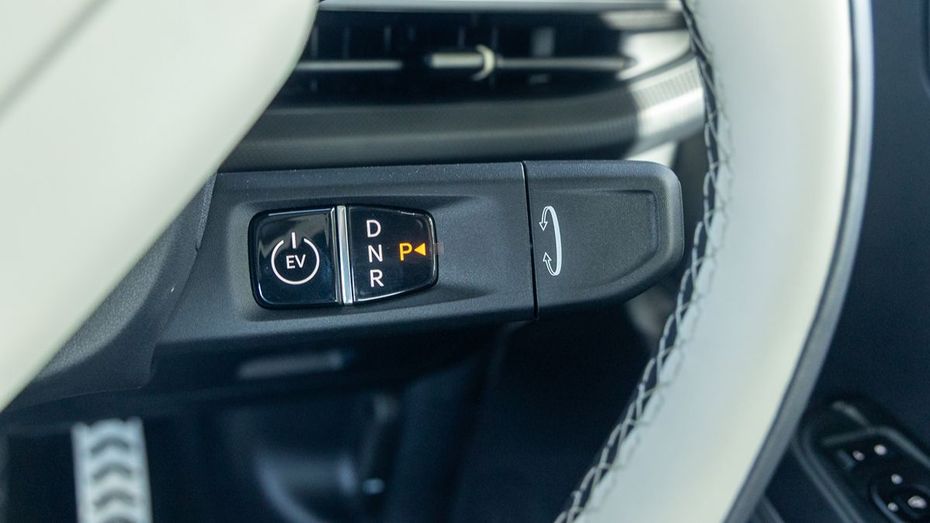
Brake energy regeneration is also easy to use and adjustable using paddle-shifters. City driving can be done at L3 or in the single-pedal mode (i-Pedal) if you’re driving alone. In this mode, passengers may not like the head-nod unless you’re extra progressive with the pedal movements. L2 works well in flowing traffic, and L1 can be used for downhill or highway driving.
You also have a zero-regen mode and L Auto in the X-Line, which uses the front camera to automatically slow the car using regenerative braking.
|
Technical Specifications |
42kWh |
51.4kWh |
|
Drive |
Front-Wheel Drive |
Front-Wheel Drive |
|
Claimed Range |
443km |
526km |
|
Estimated Real World Range (Combined-City Only) |
355-370km |
435-450km |
|
Power |
135PS |
171PS |
|
Torque |
255Nm |
255Nm |
|
Charge Times (Approximate) |
42kWh |
51.4kWh |
|
DC 100kW (10-80%) |
39 mins |
39 mins |
|
AC 11kW (10-100%) |
4 hours |
5 hours |
|
AC 7.4kW (10-100%) |
6 hours |
7 hours |
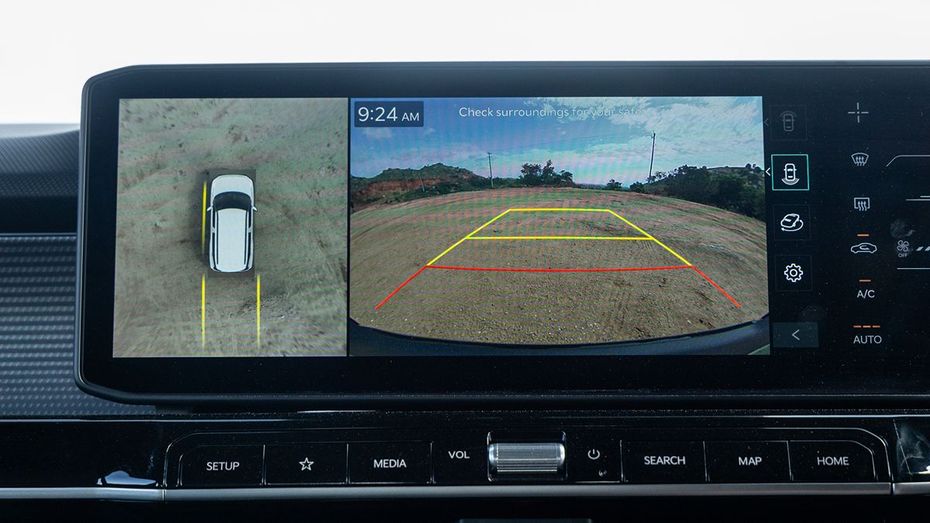
As standard, you get 6 airbags, ABS, highline tyre-pressure monitoring, ESC, ISOFIX and rear parking sensors. Higher variants add front parking sensors, a very high-resolution 360-degree camera and ADAS too, including a blind-view monitor (indicator-linked camera view in instrument cluster)
Advanced Driver Assistance Systems
|
Rear Cross-Traffic Alert & Avoidance |
Adaptive Cruise Control with stop-n-go |
|
Lane-Departure Warning & Mitigation |
Lane Follow Assist |
|
Auto High Beam Assist |
Auto Emergency Braking |
|
Attention Assist |
Lead Vehicle Departure Alert |
This isn’t specific to the EV, but the Syros should have been one of India’s highest-selling cars. The packaging is ingenious, the drive is dependable and convenient, and the features list is beyond complete.
It feels like the outlandish design is what affected this car’s popularity and will continue to play a role even in the Syros EV’s fate. Additionally, while it does everything a larger car does, it seems expensive at the top end just because it doesn’t have a bigger physical size to be more emotionally gratifying.
If you like the looks and don’t care for the bragging rights of a big car, the Syros EV is a car we can blindly recommend.


5 Things We Love About The Kia Syros EV
Kia’s Most Affordable Electric Car Is Here! Syros EV Launched,...
Kia Syros EV REVEALED; Arrives As Kia’s Entry-level EV in India
Mahindra BE 6
Maruti e Vitara
Tata Punch EV
Tata Tiago EV
MG Windsor EV
India's largest automotive community
Kia Seltos
Kia Sorento
Kia Sonet
Kia Carens
Kia Syros
Maruti Suzuki Brezza
Tata Punch
Maruti Suzuki FRONX
Tata Nexon
Mahindra Thar
Skoda Superb 2026
Rs. 50.00 Lakh
Skoda Slavia Facelift
Rs. 11.99 Lakh
Volkswagen Virtus Facelift
Rs. 11.99 Lakh
Honda Elevate Facelift
Rs. 11.91 Lakh
Volvo EX90
Rs. 1.20 Crore
 2026 Mercedes-Benz GLC Electric Launch Confirmed! Bookings Open On…
 2026 BMW 7 Series Facelift And i7 Facelift Launched: Sleeker And Pack In Much More Screen
 Skoda Auto Volkswagen India Private Limited Signs MoU With JSW: Partnership To Strengthen Their Automotive Foothold?
 Top 5 Things We Loved About The 2026 Maruti Baleno Facelift
2026 BMW i5 LWB Launched At Rs 79.60 Lakh Onwards: Is This The Best Balance Of Sport, Luxury And Electric?
Top 5 Things We Loved About The 2026 Maruti Baleno Facelift
2026 BMW i5 LWB Launched At Rs 79.60 Lakh Onwards: Is This The Best Balance Of Sport, Luxury And Electric?