
Nissan Tekton Drive Impressions: Driver’s Delight!
- Jul 29, 2026
- Views : 5850



 Follow us

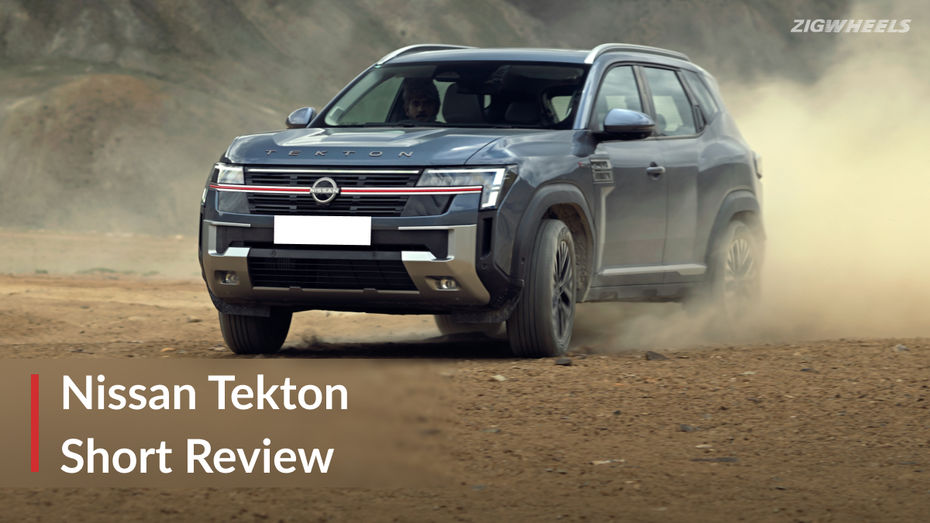
Both the Nissan Tekton and the Renault Duster (its cross-badged partner) are pivotal to the futures of the car makers that sell them. Save for the brand and some cosmetic changes, both offer the exact same experience and make sense for the same kind of buyer.
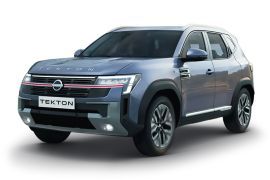
If the Duster is a G-Shock, the Tekton embodies a Casio Edifice. While the underlying base is no different, the Tekton arguably has more universal and urban appeal. Impressively, Nissan has filtered down the essence of the Patrol to a car that’s based on an entirely different platform and is multiple sizes smaller.
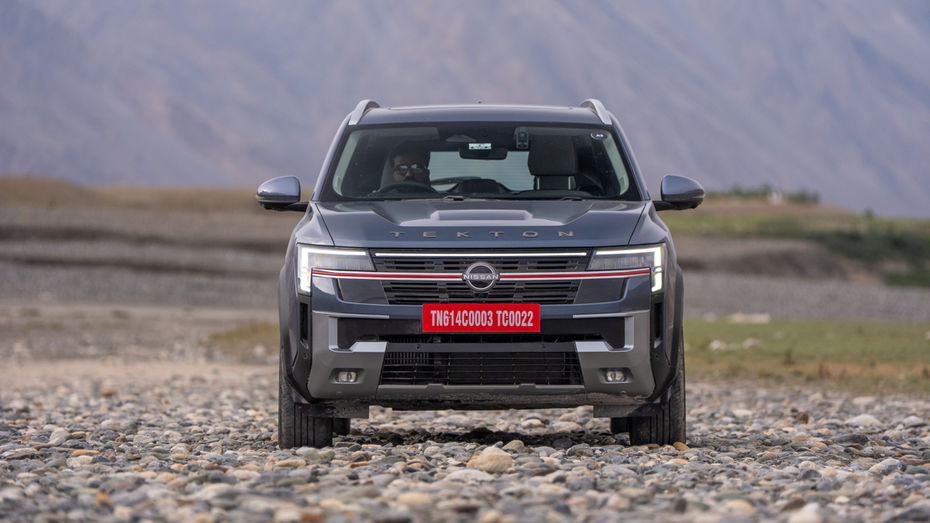
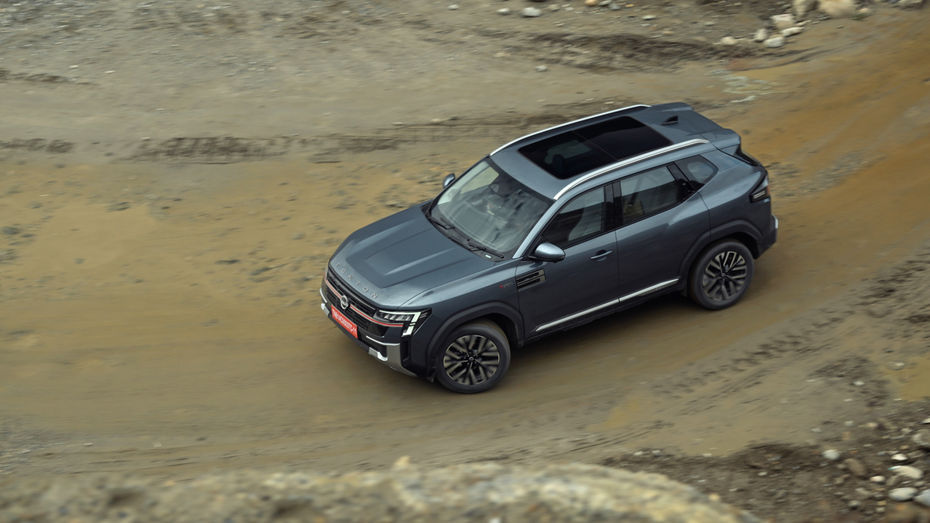
The bonnet oozes muscle, the fenders sport engine-specific badging (T160 - 1-litre | T280 - 1.3 litre) and the Tekton sports possibly the best-looking factory-fit alloy wheels in the segment. The 18-inch wheels complement the car’s side profile immensely, and the tyres look size-appropriate too.
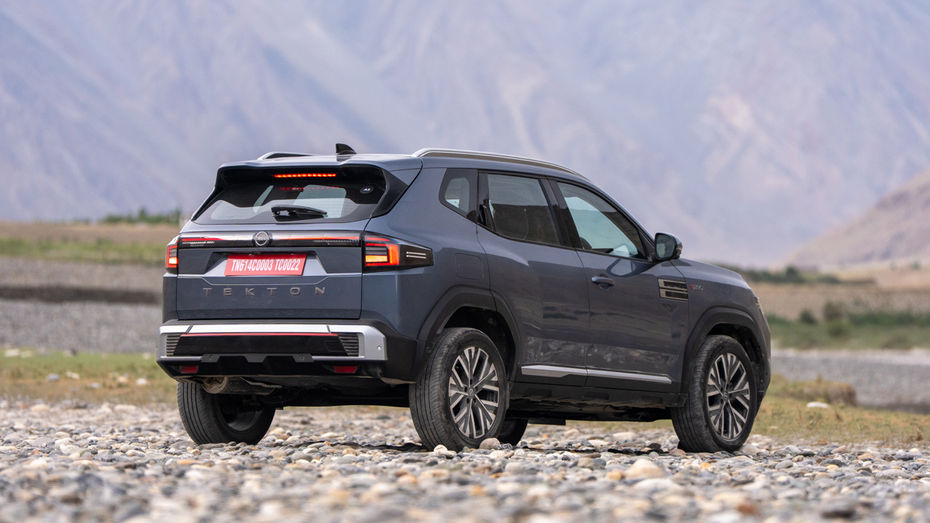
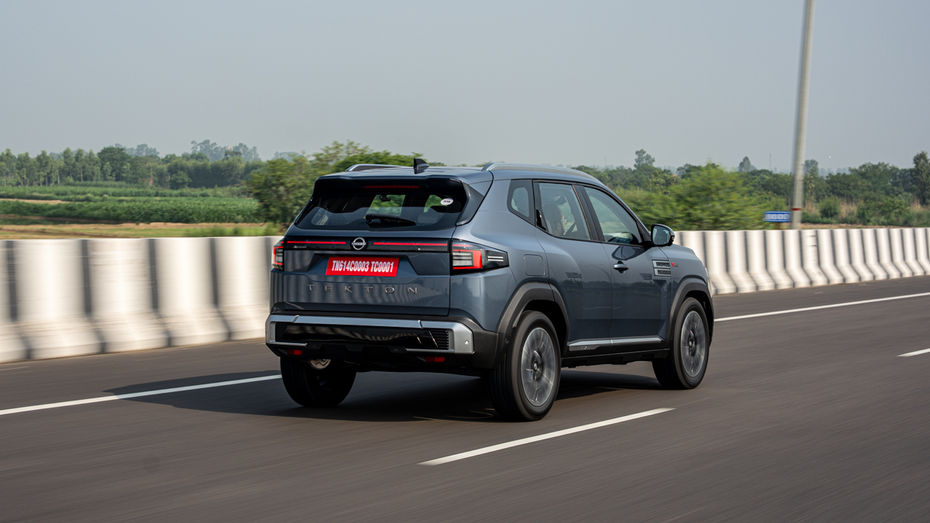
The rear end is hard to tell apart from the Duster. Well, at least until you see the giant TEKTON badging at the rear and the slightly different tail light internals. Overall, it’s a styling package that walks a fine line between urban finesse and SUV ruggedness.
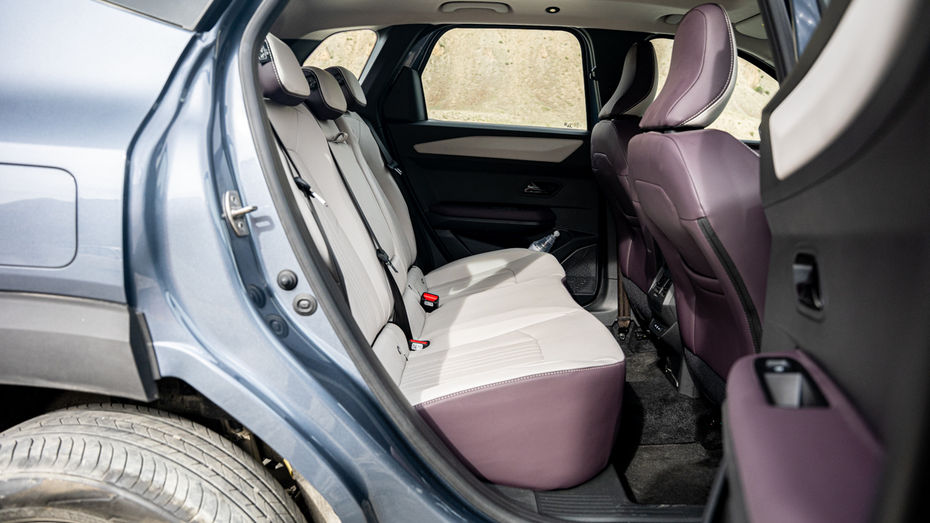
Much like the Duster, the Tekton is not the most backseat-focused car in the segment. While cabin space is decent, it’s not remarkable, especially when compared to new entrants like the Sierra and Seltos, though closer to the Creta (new generation expected in Jan-March 2027) or recently updated Kushaq. A six-footer can just about fit behind his/her own driving position, and the cabin width makes it cramped for 3 rear seat users.
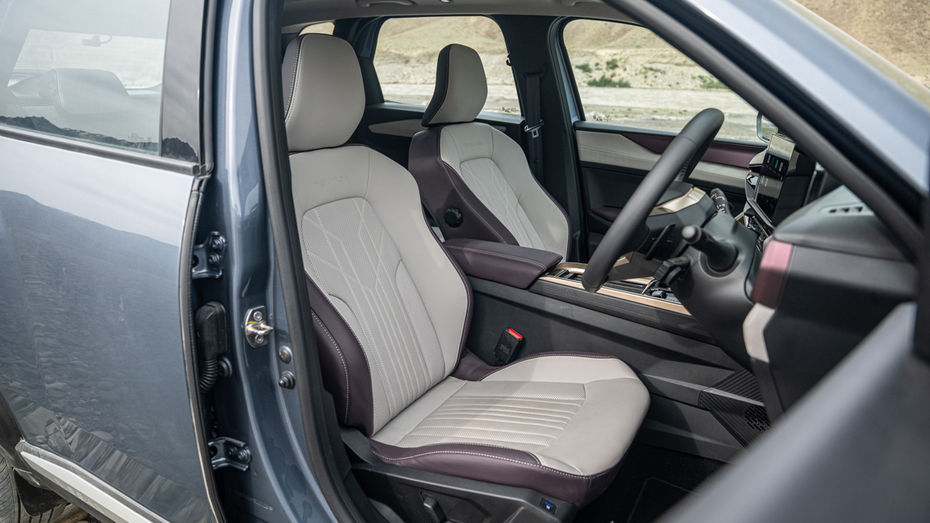
While seat support is good, I do wish the rear backrest could be set to a more reclined angle. As for front seat space, it’s good even for exceptionally tall users. Someone as tall as 6.5ft can make good use of the seat's travel range and not have their knees hitting the dashboard on either front seat. The footwell is roomy enough in the automatic, but most will want more space next to the clutch pedal in the manual to rest their foot.
The driving position itself is the most cockpit-like as the dashboard, screens and core controls are all angled towards the driver. You also feel tucked into the cabin, making the Tekton’s driver’s seat a very unique place to be vs its rivals.
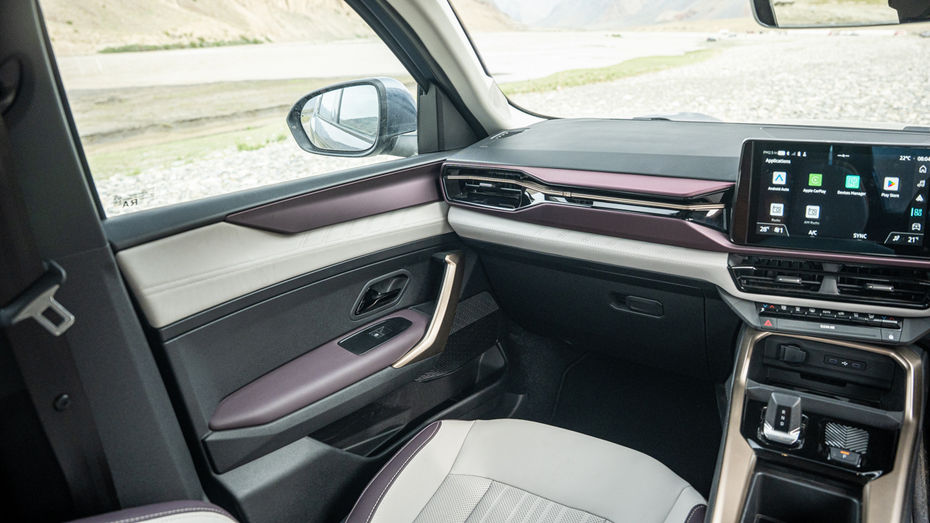
Quality is decent but sets no benchmarks. Nissan has used some leatherette padding to premiumise the cabin, along with a partly bejewelled crashpad. But some of the plastics, like those of the AC panel or sliding cupholder cover (DCT only), feel low-grade. Interestingly, they’ve gone with a purple-white interior, which is derived from Nissan’s luxury brand - Infiniti. It’s a risky combination but actually works tastefully.
This Tekton gets a panoramic sunroof, one-touch up/down power windows all around and a powered tailgate. The Google-based touchscreen supports wireless Android Auto/Apple CarPlay, but also has Google Maps natively built-in and runs it in the digital cluster as well.
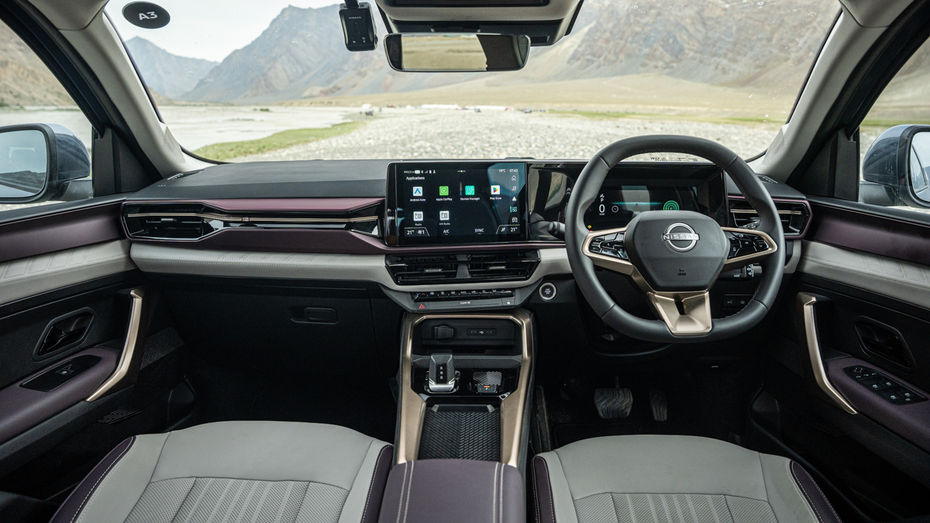
With the Google Play Store accessible, major streaming, gaming and music apps are also downloadable. The interface feels quite intuitive to use with quick touch response, though the sound system isn’t as advanced as the Tata Sierra’s.
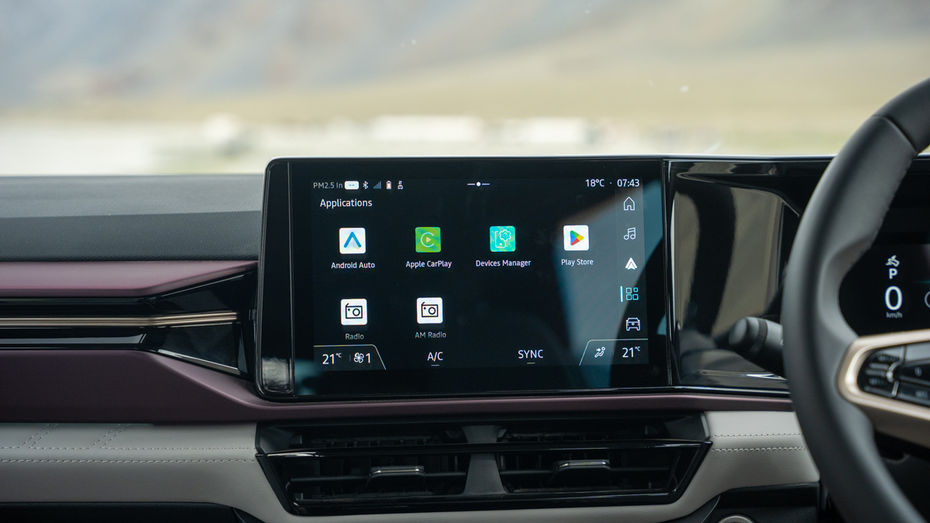
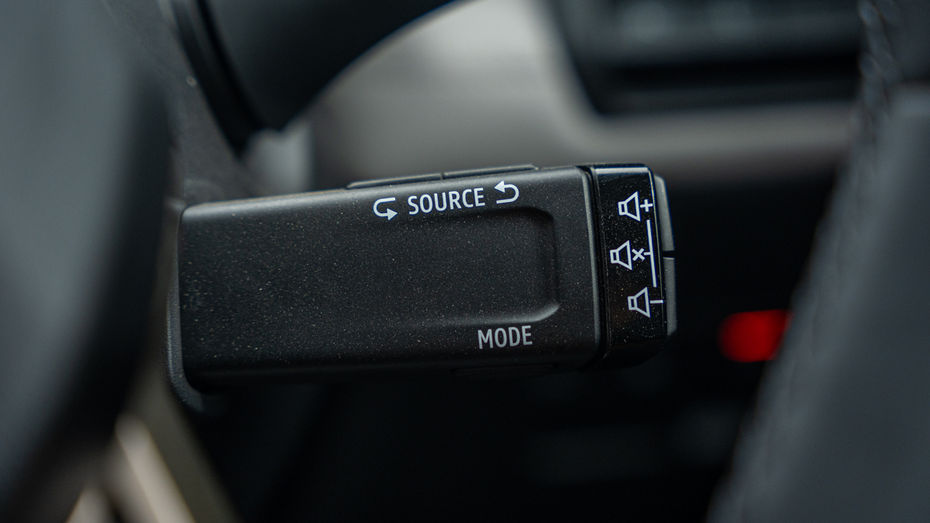
The touchscreen gets physical buttons up top for volume and screen mode (off, on, clean mode) control, while the steering media control is a separate stalk which includes a jog dial.
Other features include:
|
Powered Front Seats |
Ventilated Front Seats |
|
2-Zone Climate Control |
Panoramic Sunroof |
|
48 Colour Ambient Lighting |
4 x USB-C Charge Ports |
|
Wireless Phone Charger |
Drive Modes |
At 700 litres measured up to the boot and 518 litres measured up to the parcel tray, the Tekton’s boot scores big on usability.
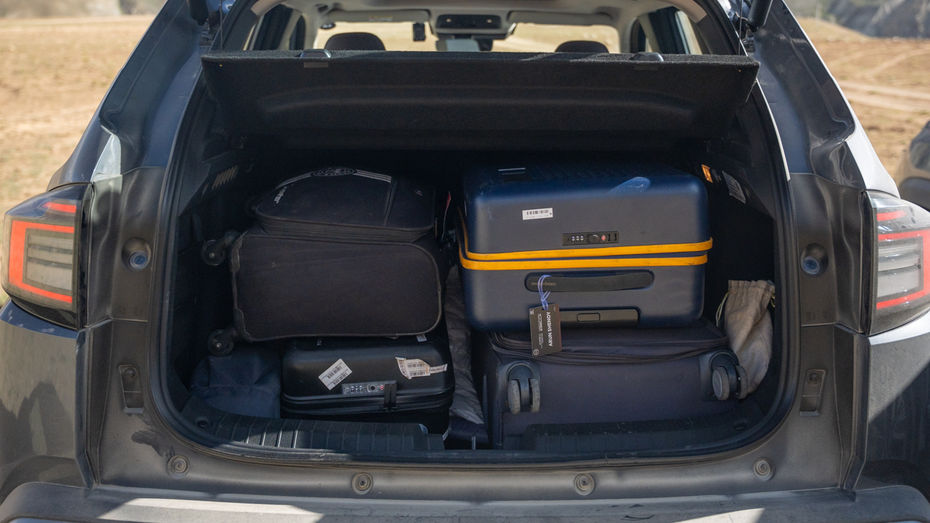
The great depth and volume let you get in a full suitcase set with ease.
The Tekton’s ride-and-handling package is punishment-friendly, comfortable, and precise. Nissan chose a tough route for the media drive precisely for this reason. Driving from Chandigarh to Leh via Shinku-La meant we came across all kinds of road surfaces and the Tekton felt composed and comfortable through all of it.
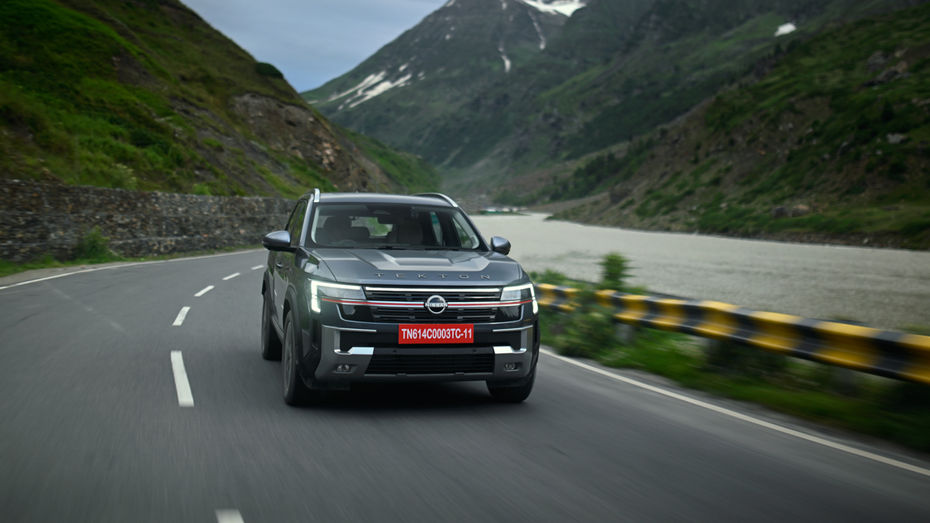
Notably, it handles brilliantly too, letting you push very hard before the tyres show any signs of protest. The mechanical grip is excellent, and the Tekton encourages you to find your own limits.
The 1-litre turbo is offered only with a 6-speed manual transmission, though an automatic is under consideration. This engine is best suited to city driving because of the power available and more importantly, how it’s delivered. The meat of its performance is between 2,000-3,200rpm, below which power delivery flat-lines and above which, power tapers down rapidly.
Essentially this means you will be using the gearbox often and short-shifting to keep the engine at the right revs Thankfully, the clutch is light, and its bite-point is actually easier to gauge than in the 1.3 manual.
This engine’s performance or refinement is not on par with the turbo petrols of the Hyundai Creta, Kia Seltos, VW Taigun or Skoda Kushaq. That being said, performance on tap is plenty for most driving conditions. We managed to push the car in a variety of conditions and didn’t find the need for more punch. Some notes:
There is turbo-lag below 2,100-2,200rpm, so responsiveness at very low speeds is slow initially. In the manual, working the gearbox between 1st and 2nd gear is frequent in the ghats or at very slow city speeds.
The clutch’s bite point is tricky to figure out. Many at the drive stalled the car multiple times, and the car also has an auto-start feature, i.e. even if you stall it, just pressing the clutch restarts the engine.
The DCT is the better transmission, as it delivers a smoother, more convenient, and more sophisticated experience. It also masks the engine’s turbo-lag better.
Gear changes are smooth, and it stays in the right gear most of the time.
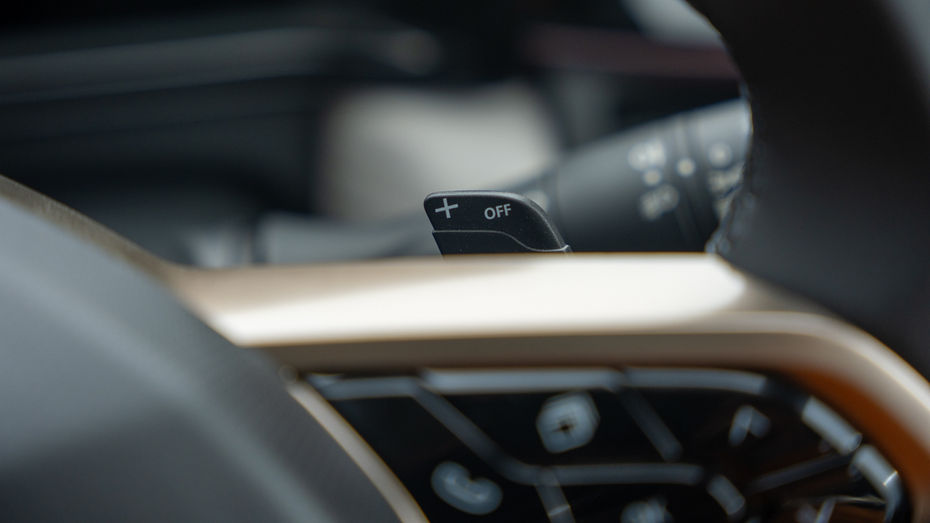
While it does get paddle-shifters, the shift action lacks tactility, and the response times to manual inputs could be quicker. The transmission also won’t let you get too aggressive with your downshifts.
You can, however, press and hold the paddle-shifter to get into manual mode, where the transmission will let you get to and hold high revs and auto-upshift only once you’ve redlined it.
|
Technical Specifications |
1-Litre, 3 Cylinder Turbo Petrol |
1.3-Litre 4 Cylinder Turbo Petrol |
|
Power |
100 PS |
163 PS |
|
Torque |
166 Nm |
280 Nm |
|
Transmission |
6-speed MT |
6-speed MT/DCT |
|
Drive |
Front-Wheel Drive |
Front-Wheel Drive |
MT - Manual Transmission / DCT - Dual-Clutch Transmission (automatic)
The features list includes 6 airbags, ABS with EBD, highline TPMS and a very calibrated ESP, but a very poor quality 360-degree camera.
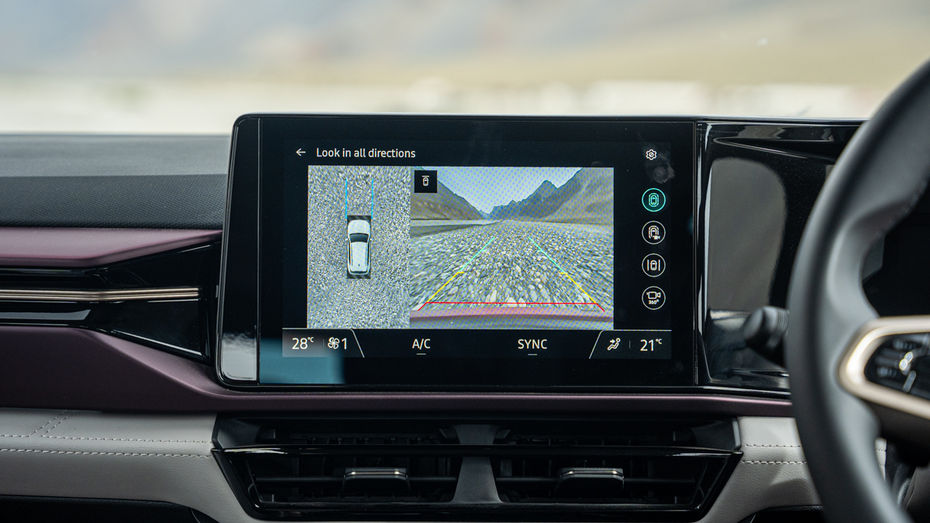
The Tekton also gets front/rear parking sensors and ADAS, including lane-keeping aid, adaptive cruise control, blind spot detection and auto emergency braking.
The Nissan Tekton is a well-engineered SUV that has a strong element of ruggedness to its nature. This means it is a great driver's car, especially for someone who encounters bad roads or rough conditions often. Thankfully, it also has plenty for tech-lovers and is spacious and practical enough for family use.


Nissan Tekton Drive Impressions: Driver’s Delight!
Top 5 Things We Love About The Nissan Tekton
Nissan Launched The Tekton SUV - Its Latest Compact SUV Contender...
2026 Nissan Tekton To Make Its Global Debut Tomorrow! Here’s...
Nissan Tekton Unveil And Gravite Launch Dates CONFIRMED! Nissan Is On...
Nissan Bullish On Indian Market; 3 New Cars Coming In Next 2 Years!
How Nissan Tekton Will Be Different From The Renault Duster! Which...
ZigOpinion: Will Tekton Change The Fortunes For Nissan India?
Here’s How Nissan’s Upcoming Tekton Sets Itself Apart From The...
Renault Duster
Hyundai Creta
Kia Seltos
Maruti Brezza
Nissan Gravite
India's largest automotive community
Nissan Gravite
Nissan Magnite
Nissan X-Trail
Maruti Suzuki Brezza
Tata Punch
Maruti Suzuki FRONX
Tata Nexon
Mahindra Thar
Skoda Superb 2026
Rs. 50.00 Lakh
Skoda Slavia Facelift
Rs. 11.99 Lakh
Volkswagen Virtus Facelift
Rs. 11.99 Lakh
Honda Elevate Facelift
Rs. 11.91 Lakh
Volvo EX90
Rs. 1.20 Crore
 Hyundai Bayon Upcoming SUV Confirmed: To Rival Even Its Bigger Brother, Creta
 2026 Mercedes-Benz GLC Electric Launch Confirmed! Bookings Open On…
 2026 BMW 7 Series Facelift And i7 Facelift Launched: Sleeker And Pack In Much More Screen
 Skoda Auto Volkswagen India Private Limited Signs MoU With JSW: Partnership To Strengthen Their Automotive Foothold?
Top 5 Things We Loved About The 2026 Maruti Baleno Facelift
Skoda Auto Volkswagen India Private Limited Signs MoU With JSW: Partnership To Strengthen Their Automotive Foothold?
Top 5 Things We Loved About The 2026 Maruti Baleno Facelift