Bajaj Dominar 250 Road Test
- Jul 12, 2020
- Views : 18119



 Follow us

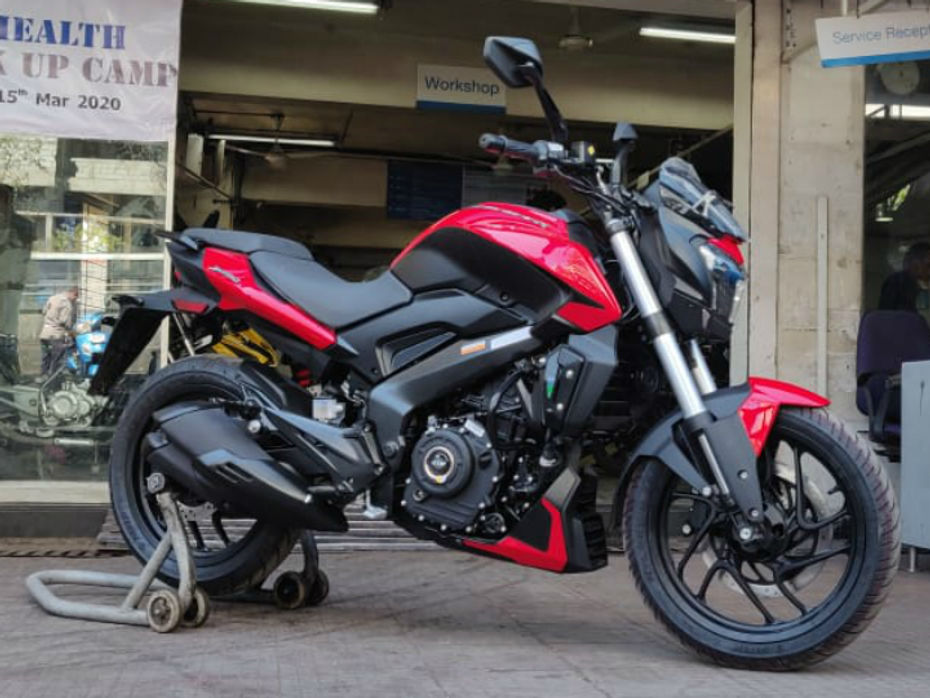
Bajaj launched the Dominar 250 at a sweet price point of Rs 1.60 lakh (ex-showroom Delhi), pitching it directly against the Suzuki Gixxer 250. We managed to get a quick glimpse of the motorcycle (click here to watch the walkaround video), where most of you liked the idea of the quarter-litre Dominar. However, there were a few queries in the comments section. Here are the answers to the most common ones:
Also Read: Bajaj Dominar 250 vs KTM 250 Duke BS6: Spec Comparison
What is the seat height of the Dominar 250?
Bajaj hasn’t shared the official figure for the Dominar 250. However, the bike shares its frame as well as the subframe with the Dominar 400, whose seat height is 800mm. We expect the figure to be the same for the Dominar 250, give or take a few millimetres.
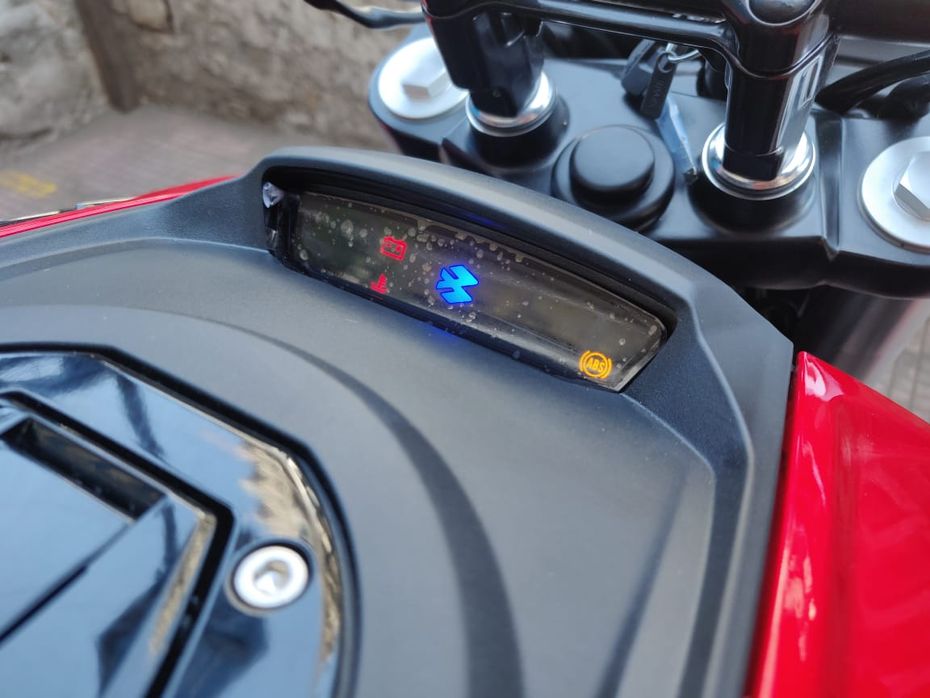
Will the gear position indicator come with a software update?
The Dominar 400’s secondary information console, located on the fuel tank, gets a gear position indicator, tripmeters and other trip related data. However, this was not the case on the first-gen Dominar 400 or what is now found on the Dominar 250. This panel contains tell-tale signs only. Even if there is a software update for the motorcycle, it is highly likely this feature will not make it onto the bike, as there is no provision made for it.
Also Read: Bajaj Dominar 250: 5 Things To Know
Can you fit the wider 150-section rear tyre on the Dominar 250?
Most motorcycles allow customers to fit one section wider tyre. On the Dominar 250, you could upsize the rear tyre from a 130/70-section to a 140/70-section rubber. Fitting a 150-section rubber could turn out to be problematic as it might just foul with the new box section swingarm. We shall clarify about the same with Bajaj officials during our first ride.
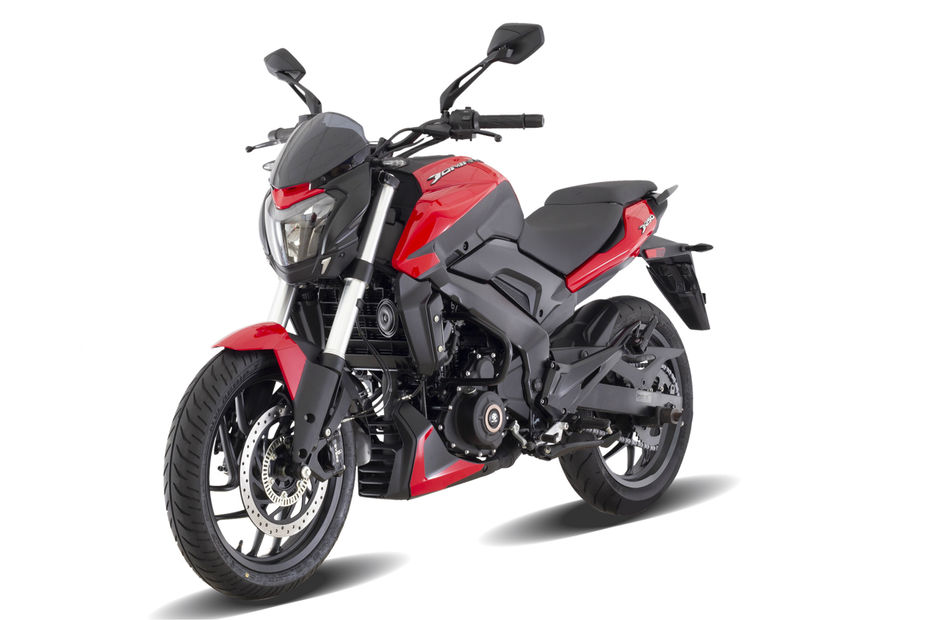
How has Bajaj managed to offer the bike at Rs 30,000 less even though it looks the same as the Dominar 400?
The Dominar 250 retains the same perimeter frame, muscular body work and front radial brake setup as the Dominar 400. It even makes use of a USD fork. Where has the cost cutting been done then? The box-section swingarm and skinnier cross-ply tyres are the obvious areas where Bajaj has been able to save up on costs. The smaller engine is another item. But once you observe the components closely you would find that the USD fork is a slimmer 37mm unit and the front brake rotor is a 300mm unit. The alloy wheels aren’t machine finished. And the secondary info cluster is from the old-gen Dominar 400. That’s how Bajaj has been able to save costs.


Bajaj Dominar 250 Road Test
BREAKING: The Bajaj Dominar 250 Gets Fresh New Dual-tone Colours
2021 Bajaj Dominar 250: Same Price, Other Options
The Bajaj Dominar 250 Just Got A Lot More Affordable
The Bajaj Dominar 250 Goes Green
KTM 250 Duke vs Husqvarna Svartpilen 250 vs Husqvarna Vitpilen 250 vs...
Another Month, Another Dominar Price Hike
Bajaj Dominar 250: Your Review Questions Answered
Royal Enfield Hunter 350
Bajaj Pulsar N250
India's largest automotive community
Bajaj Pulsar NS200
Bajaj Pulsar N160 S
Bajaj Pulsar NS 125
Bajaj Pulsar NS400Z
Bajaj Pulsar 125
 Bajaj Chetak
Rs. 1.19 Lakh
Bajaj Chetak
Rs. 1.19 Lakh
 Bajaj Chetak C2501
Rs. 1.05 Lakh
Hyundai Bayon
Rs. 10.00 Lakh
Mercedes-Benz GLC Electric
Rs. 80.00 Lakh
Mahindra Thar E
Rs. 25.00 Lakh
Bajaj Chetak C2501
Rs. 1.05 Lakh
Hyundai Bayon
Rs. 10.00 Lakh
Mercedes-Benz GLC Electric
Rs. 80.00 Lakh
Mahindra Thar E
Rs. 25.00 Lakh
 BREAKING: Hero Xtreme 250R & Xtreme 160R Get Smarter; Launched With More Tech
 Magnus GMax With Intellipack: The Assurance Of A Safe Family Electric Scooter
 BREAKING: Upcoming BMW F 450 RR Unveiled: The Baby S 1000 RR Is Here
 BREAKING: BSA Gold Star Gets 2 New Colours Ahead Of The Festive Season
Triumph Trident 800 Launched In India? Arrives At Dealerships Before Official Launch
BREAKING: BSA Gold Star Gets 2 New Colours Ahead Of The Festive Season
Triumph Trident 800 Launched In India? Arrives At Dealerships Before Official Launch