
TVS Hikes Two-Wheeler Prices Up to Rs 10,400; Ntorq 125 Cuts Up to Rs...
- Jul 30, 2026
- Views : 10625



 Follow us

Quick Read:
Only one variant, not as confusing as the iQube, iQube S and the iQube ST (phew)
It is priced at Rs 99,990 (ex-showroom, Bengaluru)
Funky design, looks like a more youthful version of the iQube minus the flab
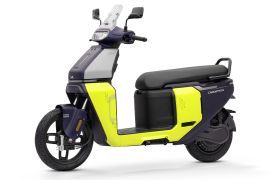
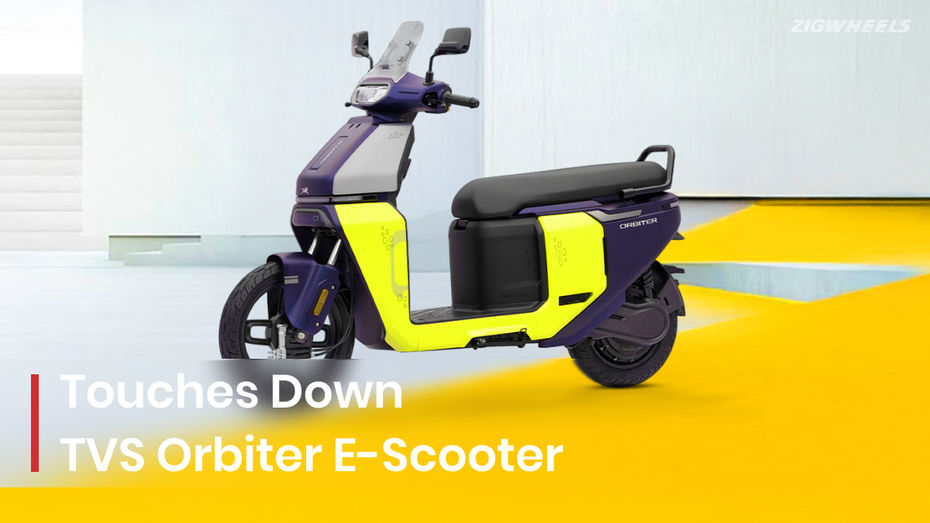
TVS’ new electric scooter has just landed, and it's called the Orbiter. Available in a single battery pack variant with multiple colour options, the scooter has a contemporary look, all the while being priced quite well at Rs 99,990 (ex-showroom, Bengaluru). Here’s everything you need to know about the TVS Orbiter:
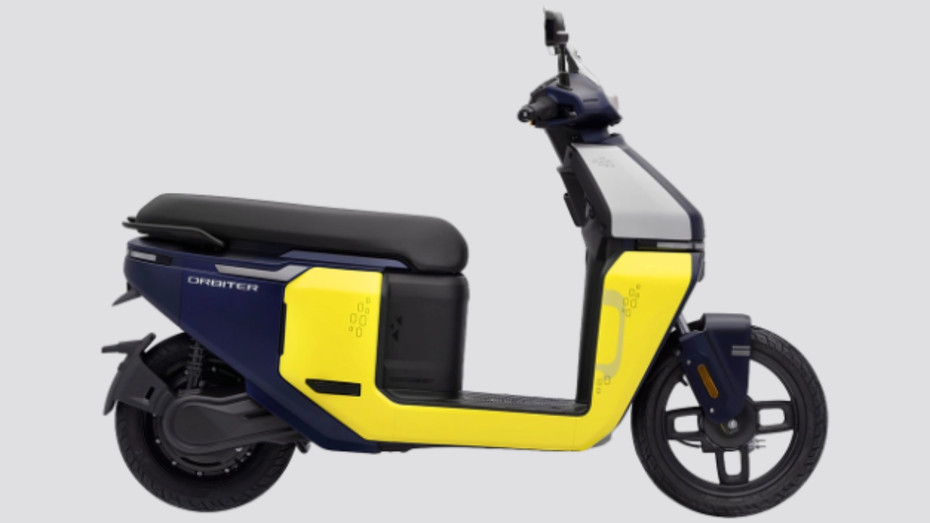
Comes with all-LED lighting with the headlight mounted on the handlebar
Has a small flyscreen as standard
Apron gets a horizontal LED DRL that also has integrated indicators
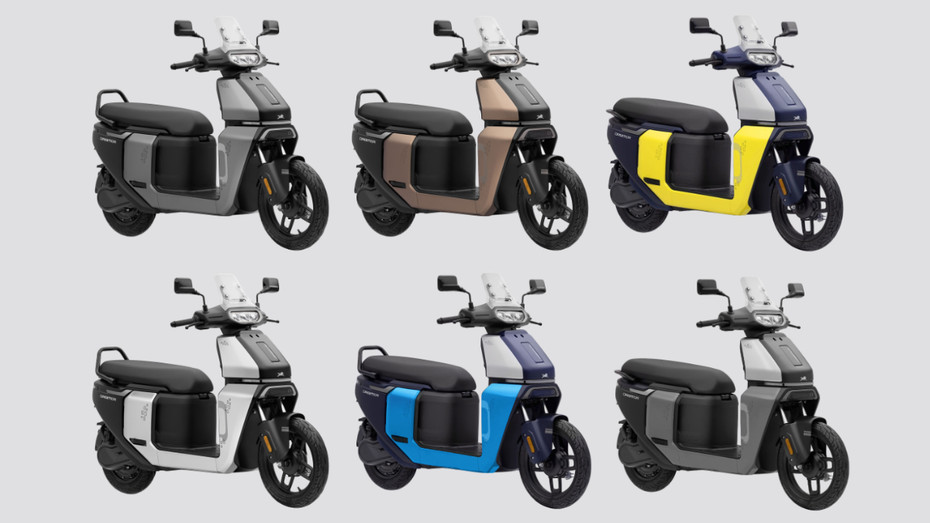
Even though the side panels are boxy, the dual-tone shade keeps it interesting.
Comes in 6 colour schemes: Neon Sunburst, Stratos Blue, Stellar Silver, Martian Copper, Cosmic Titanium and Lunar Grey
The TVS Orbiter certainly has the boxy charm of the iQube but still looks evolved enough to have its own identity. That said, we’re not really big fans of the relatively simple tail light. The overall design is more youthful than the iQube, while still feeling neutral enough to appeal to a wide range of buyers.
Gets a 5.5-inch colour LCD instrument console
Supports smartphone connectivity with ride telemetry data
Comes with two riding modes: Eco and City
Has a dedicated reverse mode button
Additional features include cruise control, hill-hold assist and selectable regen
Comes with CBS (Combined Braking System)
Has a USB charging point on the handlebar
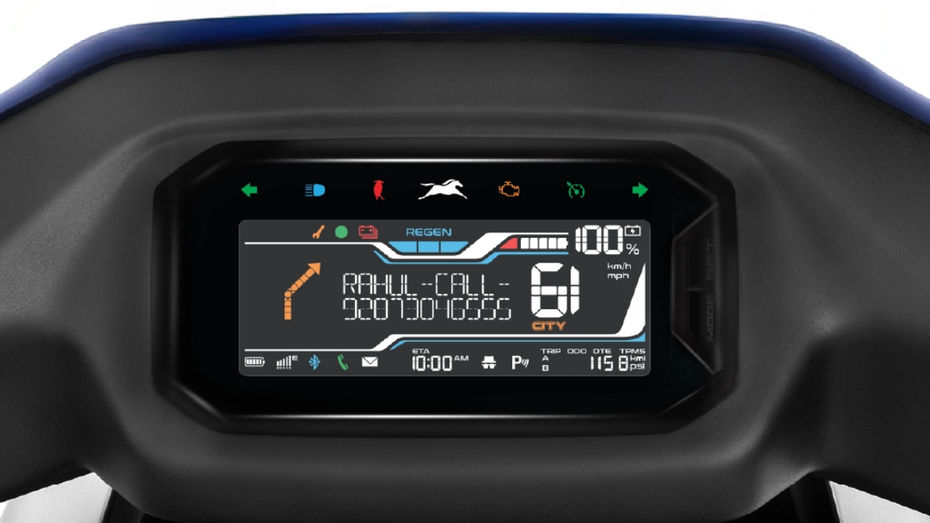
Let’s get straight to the point. The TVS Orbiter is not the most feature-rich scooter when it comes to the sheer number of features. Though the Orbiter lacks a TFT screen, its color-LCD console is pretty feature-packed with all the basic goodies. The scooter also comes with cruise control, which in our opinion, is more of a value-added feature than a practical one. Afterall, you don’t really get to see a massive stretch of open highway without traffic, that too in rush hours. Again, TVS could’ve just given a disc brake instead of it.
The two riding modes should be enough for everyday commutes. Whether they’re actually usable or not is something we’ll have to see once we get to ride the e-scooter.
It is powered by a 3.1kWh battery pack with a claimed range of 158km
Charged from 0-80% in 4 hours and 10 minutes
Has a hub-mounted motor with a claimed top speed of 68kmph
Will do the 0-40kmph sprint in a claimed 6.8 seconds
Gets a telescopic fork and dual-shock absorbers
Has drum brakes at both ends
Rides on a 14-inch front and a 12-inch rear alloy wheel
Has an underseat storage capacity of 34 litres and a small open cubby hole on the apron
Seat height is 763mm, ground clearance is 169mm, while the kerb weight is 112kg
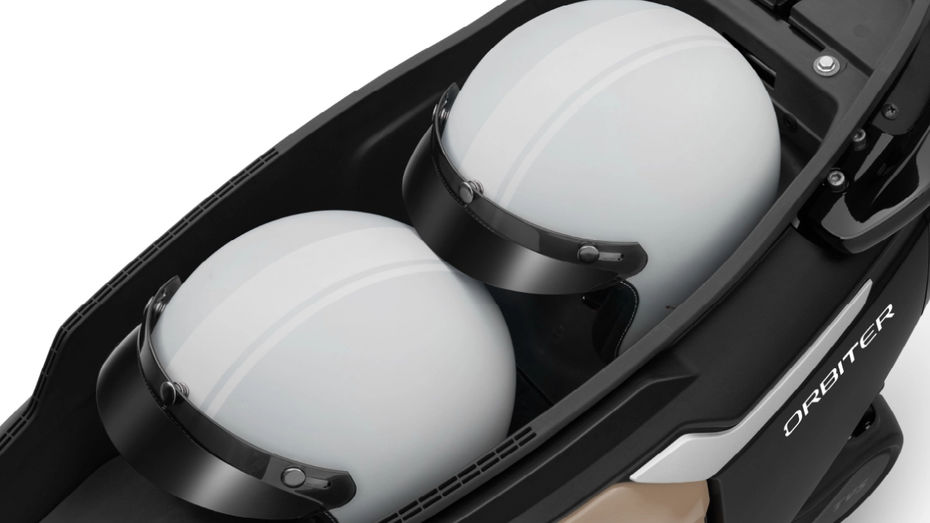
The Orbiter has decent specs, which, on paper, should make it a formidable city commuter. The claimed range should be long enough for most people, while the charging time is decent. Although the top speed is quite low, it should be fine for the average Joe. The impressive aspect of the scooter is the massive underseat storage space, which TVS claims will fit in two half-face helmets easily and have some more space for little knick-knacks to squeeze in. It also comes with a large 14-inch front wheel. While this should ensure slightly better ride quality than 12-inch ones, we feel TVS could’ve retained the 12-inch front but given a front disc instead of drum. This would’ve made the e-scooter considerably safer.
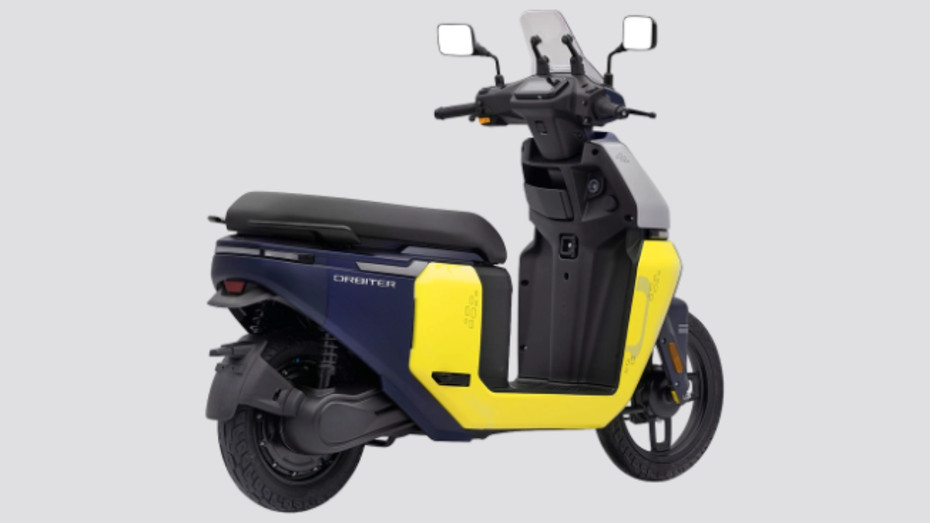
On paper, the TVS Orbiter seems to be a solid city commuter. It has a long seat to accommodate two large adults, a decent claimed range to take you around the city and slightly beyond, and massive underseat storage to store all your daily groceries.
While the pricing is pretty competitive by TVS standards, its key rivals Ather and Hero Vida have been able to price their entry-level even more competitively thanks to BaaS (Battery-as-a-Service) pricing structure. Both the Vida VX2 and the Ather Rizta come at a much lower price tag while offering comparable features. That said, the Orbiter has the range advantage, which to some might be worth it over the other two.


TVS Hikes Two-Wheeler Prices Up to Rs 10,400; Ntorq 125 Cuts Up to Rs...
TVS Orbiter V1: Booking Details
TVS Orbiter V1 vs V2: Top 5 Differences Explained
TVS Orbiter Electric Scooter Review: 5 Things We Liked & 3 Things We...
TVS iQube
Ather Konarc
Bajaj Chetak
Vida VX2
Honda Activa e
India's largest automotive community
TVS Jupiter
Rs. 74,400
TVS iQube
Rs. 1.20 Lakh
TVS NTORQ 125
Rs. 84,350
TVS Jupiter 125
Rs. 82,100
TVS NTorq 150
Rs. 1.13 Lakh
 TVS Ronin
Rs. 1.31 Lakh
TVS Ronin
Rs. 1.31 Lakh
 TVS Raider
Rs. 84,460
TVS Raider
Rs. 84,460
 TVS Apache RTR 160
Rs. 1.14 Lakh
TVS Apache RTR 160
Rs. 1.14 Lakh
 TVS Apache RTR 160 4V
Rs. 1.20 Lakh
TVS Apache RTR 160 4V
Rs. 1.20 Lakh
 TVS Apache RR 310
Rs. 2.66 Lakh
Suzuki Access 125
Rs. 82,185
TVS Jupiter
Rs. 74,400
TVS iQube
Rs. 1.20 Lakh
TVS NTORQ 125
Rs. 84,350
Ather Konarc
Rs. 1.02 Lakh
Hyundai Bayon
Rs. 10.00 Lakh
Mercedes-Benz GLC Electric
Rs. 80.00 Lakh
Mahindra Thar E
Rs. 25.00 Lakh
TVS Apache RR 310
Rs. 2.66 Lakh
Suzuki Access 125
Rs. 82,185
TVS Jupiter
Rs. 74,400
TVS iQube
Rs. 1.20 Lakh
TVS NTORQ 125
Rs. 84,350
Ather Konarc
Rs. 1.02 Lakh
Hyundai Bayon
Rs. 10.00 Lakh
Mercedes-Benz GLC Electric
Rs. 80.00 Lakh
Mahindra Thar E
Rs. 25.00 Lakh
 BREAKING: Bajaj Pulsar NS200 Gets Ride Modes and 5-inch TFT Display
 Ducati Formula 73 Lands in India at Rs 20 Lakh-Already Sold Out
 Ducati Hypermotard V2 and V2 SP Launched In India
 BREAKING: Ultraviolette X47 Venom Launched; With An Introductory Price Of Rs 2.65 Lakh
BREAKING: Kawasaki Z300 Launched In India; Gets The Ninja 300 Engine And More Features!
BREAKING: Ultraviolette X47 Venom Launched; With An Introductory Price Of Rs 2.65 Lakh
BREAKING: Kawasaki Z300 Launched In India; Gets The Ninja 300 Engine And More Features!