
TVS Orbiter Review: Youthful EV or Missed Opportunity?
- Sep 20, 2025
- Views : 11751



 Follow us

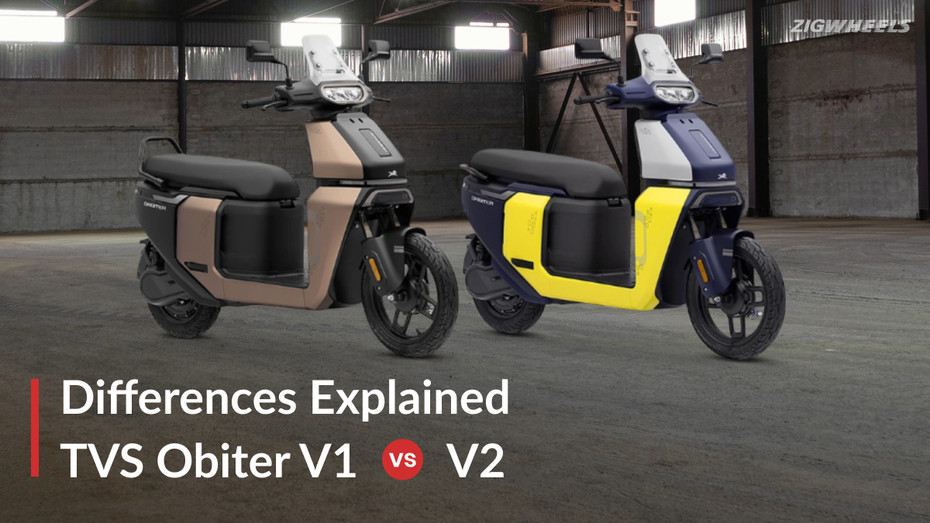
TVS recently expanded its affordable electric scooter lineup with the launch of the Orbiter V1, slotting it below the existing V2 variant. While both scooters look identical and share features, the real differences lie underneath. Here’s a clear breakdown of what separates the two:
The biggest difference comes down to battery size. The TVS Orbiter V1 gets a smaller 1.8kWh battery pack, offering a claimed IDC range of 86km.
In comparison, the V2 uses a larger 3.1kWh battery, which should deliver significantly higher real-world range, making it better suited for longer daily commutes.
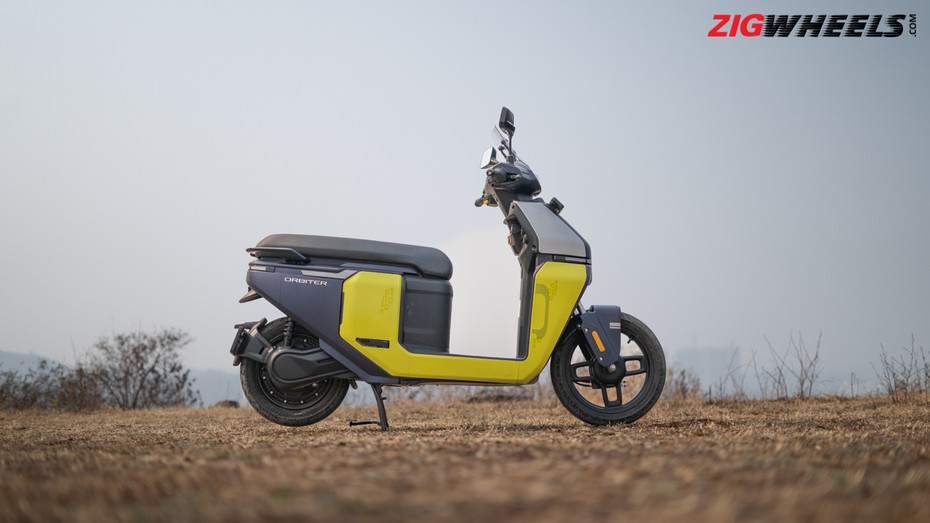
The V1 is clearly aimed at budget-conscious buyers.
V1 (with BaaS): Rs 49,999
V1 (without BaaS): Rs 84,500
The V2 sits higher up the pricing ladder, mainly due to its larger battery pack and longer range.
With the introduction of Battery-as-a-Service (BaaS), TVS has made the V1 far more accessible, with monthly plans starting at Rs 862.
|
Variant |
Price (Ex-showroom, Delhi) |
|
Orbiter V1 (BaaS) |
Rs 49,999 |
|
Orbiter V1 (Without BaaS) |
Rs 84,500 |
|
Orbiter V2 |
Rs 1,04,900 |
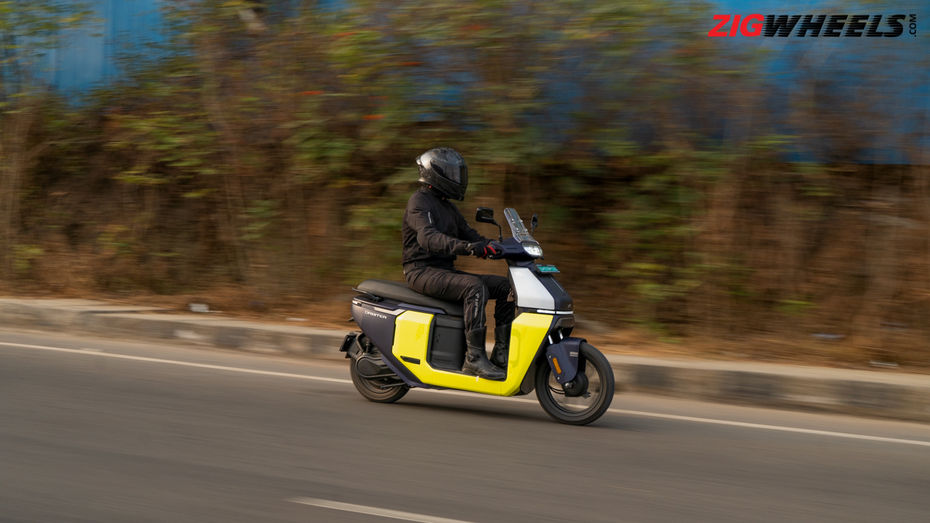
Thanks to the smaller battery, the V1 weighs just 101kg, making it 12kg lighter than the V2.
This should make a noticeable difference in city riding, expect easier manoeuvrability, better handling in traffic, and less effort while parking.
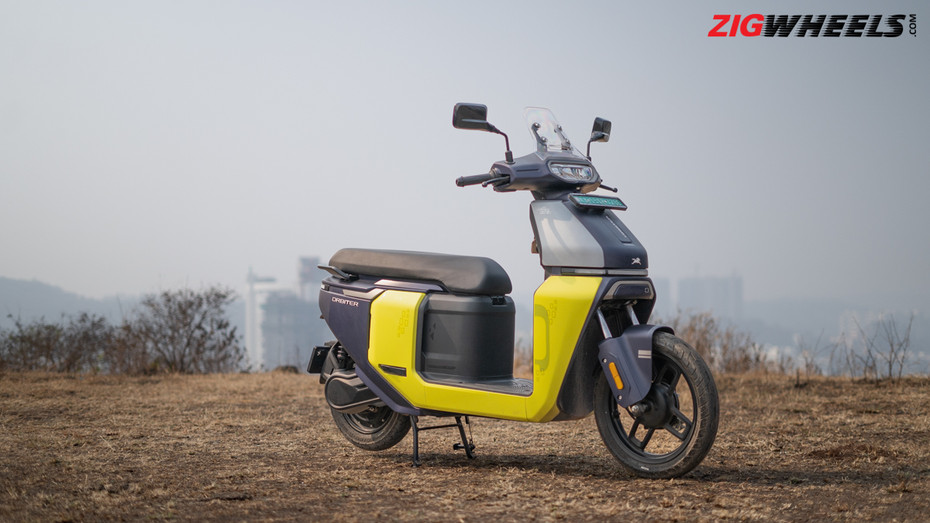
Interestingly, the lighter V1 is actually quicker off the line.
0-40kmph: V1 does it in 6.3 seconds
V2: Slightly slower by 0.5 seconds
However, both variants share the same claimed top speed of 68kmph. So, while the V1 should feel peppier in short bursts, the V2 compensates with better sustained usability thanks to its larger battery.
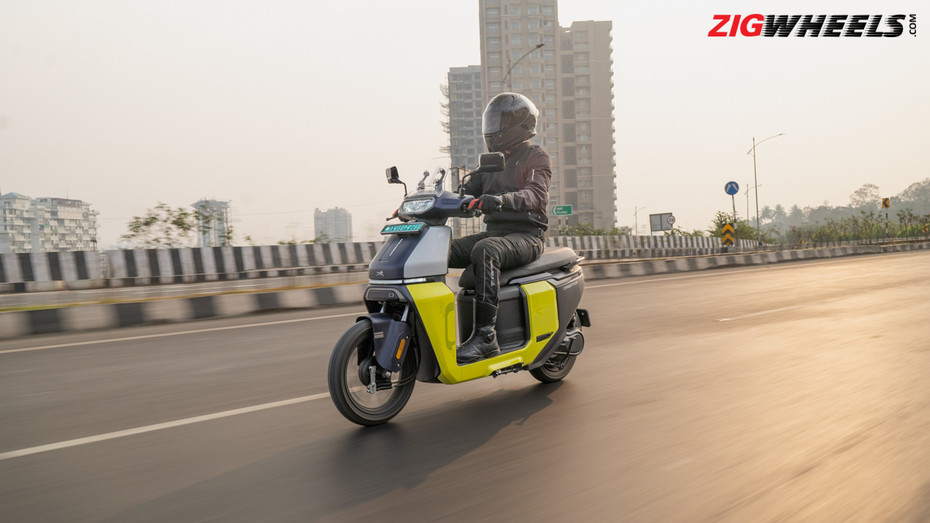
The smaller battery on the V1 also means faster charging:
V1: 0-80% in 2 hours 20 minutes
The V2, with its larger battery, will naturally take longer to charge but offers fewer charging cycles due to a higher range.
Additionally, BaaS plans differ in warranty coverage:
V1: 3 years / 30,000km
V2: 5 years / 70,000km
The Orbiter V1 is built for buyers who want an affordable, lightweight, city-focused EV, especially with the BaaS option lowering upfront cost. Meanwhile, the V2 makes more sense if you want better range and long-term usability, even if it comes at a higher price.


TVS Orbiter Review: Youthful EV or Missed Opportunity?
TVS Hikes Two-Wheeler Prices Up to Rs 10,400; Ntorq 125 Cuts Up to Rs...
TVS Orbiter V1: Booking Details
TVS Orbiter Electric Scooter Review: 5 Things We Liked & 3 Things We...
BREAKING: TVS Goes Urban Mode; Orbiter Electric Scooter Launched
Vida VX2
Ola S1 X
Bajaj Chetak C2501
Honda QC1
India's largest automotive community
TVS NTORQ 125
Rs. 83,350
TVS Jupiter
Rs. 73,975
TVS NTorq 150
Rs. 1.11 Lakh
TVS iQube ST
Rs. 1.75 Lakh
TVS iQube S
Rs. 1.65 Lakh
 TVS Raider
Rs. 83,410
TVS Raider
Rs. 83,410
 TVS Apache RTR 160
Rs. 1.13 Lakh
TVS Apache RTR 160
Rs. 1.13 Lakh
 TVS Apache RTR 160 4V
Rs. 1.19 Lakh
TVS Apache RTR 160 4V
Rs. 1.19 Lakh
 TVS Apache RTX 300
Rs. 1.99 Lakh
TVS Apache RTX 300
Rs. 1.99 Lakh
 TVS Apache RTR 200 4V
Rs. 1.42 Lakh
Suzuki Access 125
Rs. 81,585
Vida VX2
Rs. 79,490
Bajaj Chetak
Rs. 1.19 Lakh
Yamaha RayZR 125 Fi Hybrid
Rs. 77,730
TVS NTORQ 125
Rs. 83,350
Mahindra Global Pik Up
Rs. 25.00 Lakh
Mahindra Bolero 2026
Rs. 10.00 Lakh
Skoda Slavia Facelift
Rs. 11.99 Lakh
BMW X1 LWB
Rs. 51.00 Lakh
Audi Q3 2026
Rs. 48.00 Lakh
TVS Apache RTR 200 4V
Rs. 1.42 Lakh
Suzuki Access 125
Rs. 81,585
Vida VX2
Rs. 79,490
Bajaj Chetak
Rs. 1.19 Lakh
Yamaha RayZR 125 Fi Hybrid
Rs. 77,730
TVS NTORQ 125
Rs. 83,350
Mahindra Global Pik Up
Rs. 25.00 Lakh
Mahindra Bolero 2026
Rs. 10.00 Lakh
Skoda Slavia Facelift
Rs. 11.99 Lakh
BMW X1 LWB
Rs. 51.00 Lakh
Audi Q3 2026
Rs. 48.00 Lakh