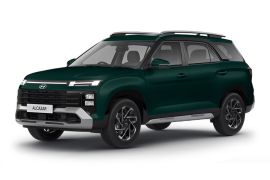

2024 Hyundai Alcazar Facelift Review - Who Is It For?
- Sep 18, 2024
- Views : 12611



 Follow us

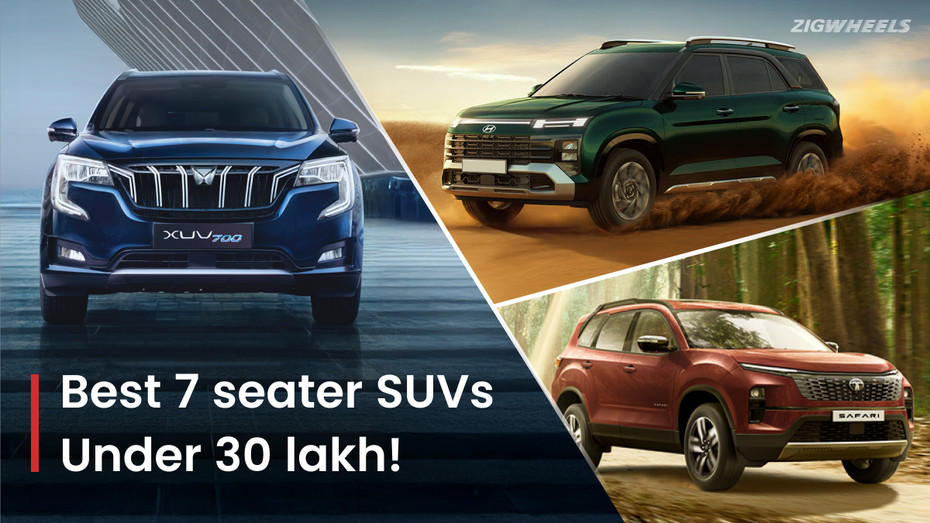
The 7-seater SUV segment in India has been buzzing lately, thanks to the GST 2.0 overhaul and a renewed focus from brands on making premium family movers more attainable. Buyers today want more than just space; technology, safety, power, and comfort all play a significant role in shaping their decisions.
Here’s a closer look at the top contenders in the Rs 15–Rs 30 lakh bracket that deliver 7-seat practicality with their own unique flavours.
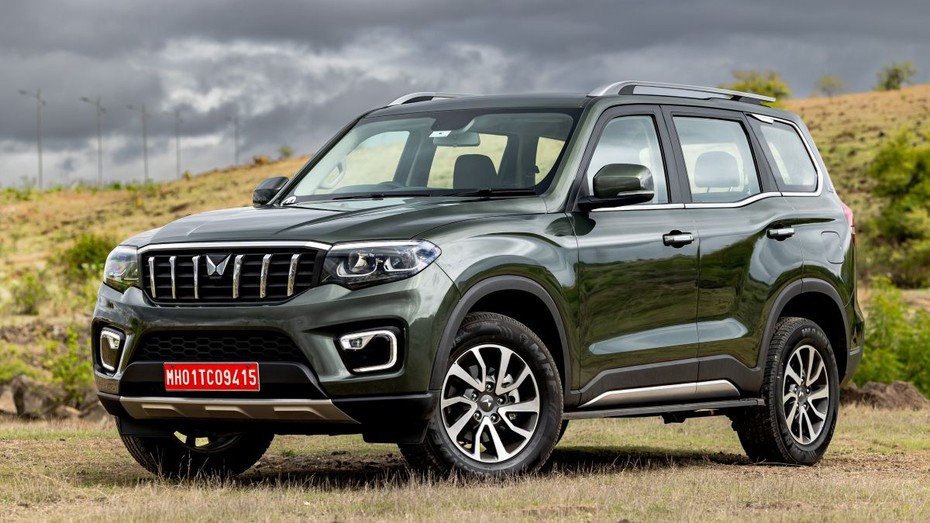
The Mahindra Scorpio N sits in a unique position in this list. Unlike most of its monocoque rivals, the Scorpio N features a modern ladder-frame chassis, which provides it with a level of ruggedness and off-road capability that others can’t match. At the same time, Mahindra has worked hard to make it more refined and family-friendly than the old Scorpio ever was.
It comes with both a 2-litre turbo-petrol and a 2.2-litre diesel engine, paired with manual and automatic transmissions. Higher-spec diesel variants even offer a proper 4x4 system with terrain modes and a low-range transfer case, something rare in this price bracket. On bad roads or no roads, the Scorpio N feels right at home.
Despite its rugged underpinnings, the Mahindra Scorpio N is surprisingly comfortable inside. The cabin is well-finished, and the third row, although upright, is more usable than in most SUVs. The only real trade-off is price; fully loaded 4×4 variants get expensive, and lower trims feel more utilitarian compared to their feature-rich rivals. For buyers seeking a proper SUV with genuine capability, the Scorpio N is one of the most well-balanced options available.
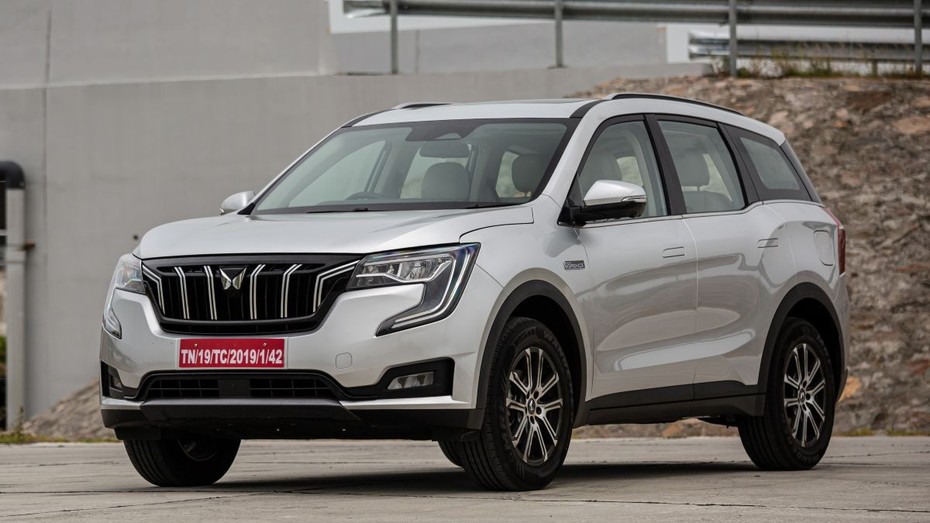
The Mahindra XUV700 has been the poster child for mass-market SUVs ever since its launch. Bold styling, a premium cabin experience, and a tech package that was previously the domain of much more expensive cars, the XUV700 claims to be complete. Its twin-screen displays, one for infotainment and the other for the driver, give the cabin a very modern vibe, while features like Level 2 ADAS and a panoramic sunroof help seal its upmarket credentials.
At the heart, the XUV700 receives a 2-litre turbo-petrol engine and a 2.2-litre diesel unit. The petrol is smooth and powerful, while the diesel is known for its strong torque and highway capability. Both engines can be paired with either a 6-speed manual transmission or an automatic transmission, while higher trims also offer all-wheel drive.
In terms of size, the XUV700 measures 4,695 mm in length and features a 2,750 mm wheelbase, providing generous space in both the first and second rows. Like most SUVs in this category, the third row is better suited for kids or short trips. Prices earlier hovered between Rs 16 lakh and Rs 27 lakh (ex-showroom), and Mahindra has already passed on GST-driven price reductions to buyers. While isolated complaints about sunroof leakage have surfaced, they haven’t dented the SUV’s popularity. For those who want the most tech for the money in this segment, the XUV700 remains a solid pick. Do note that Mahindra is also planning to launch a facelift for the XUV700 early next year.
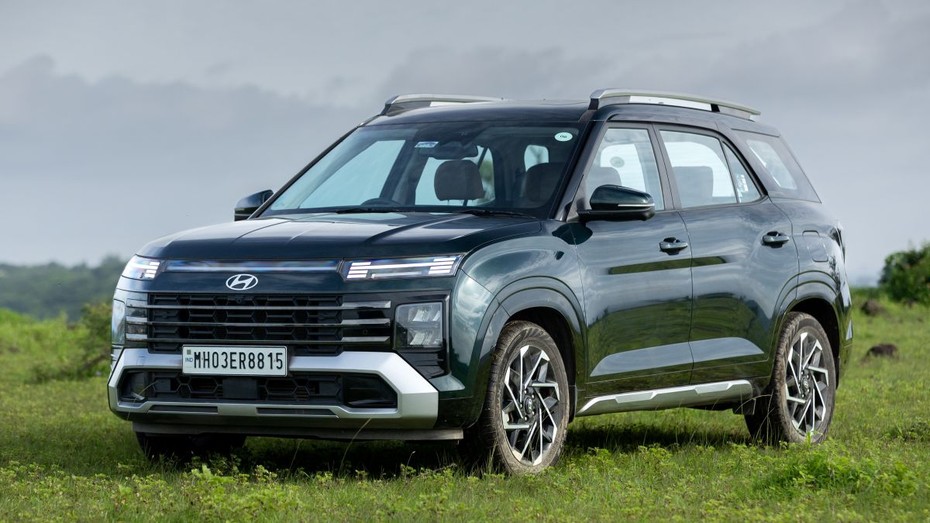
Hyundai’s Alcazar is essentially a stretched and refined version of the Creta, designed for those who want three-row practicality in a city-friendly footprint. Its key strength is how well it balances compact dimensions with usable space. This makes it particularly appealing to buyers who live in urban centres but occasionally need 7 seats.
The Alcazar now gets a 1.5-litre turbo-petrol engine producing 160 PS and 253 Nm, paired with a 7-speed DCT or a 6-speed manual. Then there is also the 1.5-litre diesel engine that churns out 116 PS and 250 Nm of peak torque, transferred to the front wheels via a 6-speed manual or a 6-speed automatic gearbox. With a wheelbase of 2,760 mm, it offers generous space for second-row passengers, which is often a weak point in other compact three-row SUVs.
That said, the third row remains tight, and taller adults will find it uncomfortable on longer journeys. Hyundai's feature list remains one of its biggest draws, with highlights like a panoramic sunroof, ventilated seats, digital instrumentation, and ADAS in higher trims. For buyers who prioritise convenience, features, and ease of use over brute size, the Alcazar fits the bill neatly.
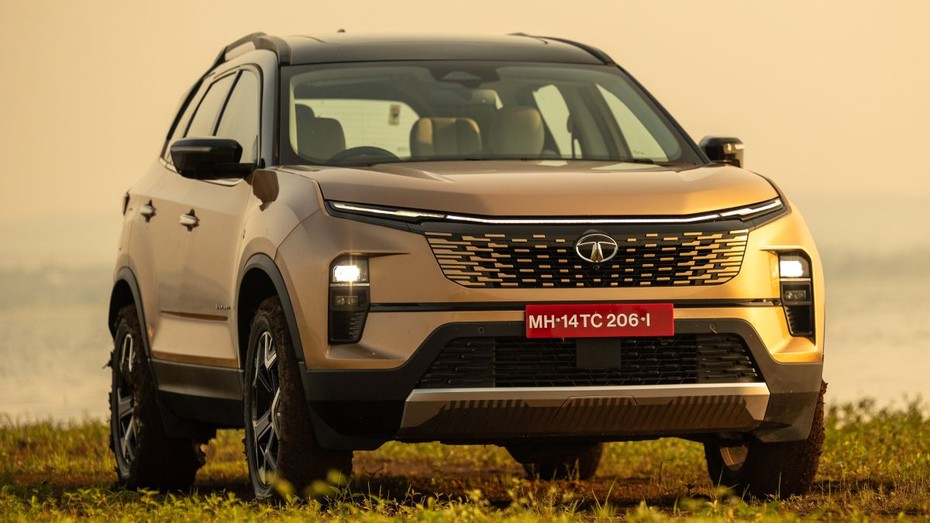
The Tata Safari carries forward a legacy nameplate, and in its latest avatar, it’s positioned as Tata’s flagship family SUV. Its key strength lies in the amount of space and comfort it offers, particularly in the third row, which is among the most usable in this segment.
It’s powered by a single 2-litre diesel engine that makes 170 PS and 350 Nm of torque, paired with a 6-speed manual or automatic. Thanks to its generous dimensions, the Safari offers excellent first- and second-row comfort. Additionally, ingress and egress to the third row are relatively easy, a big plus for families who frequently use all seven seats.
The equipment list is extensive, featuring a panoramic sunroof, ventilated seats, a large touchscreen, and ADAS available on higher trims. The only limitation is the lack of a petrol engine and 4x4 capability, which may deter some buyers. But for those who want space, comfort, and a strong brand legacy, the Safari delivers on its promise.
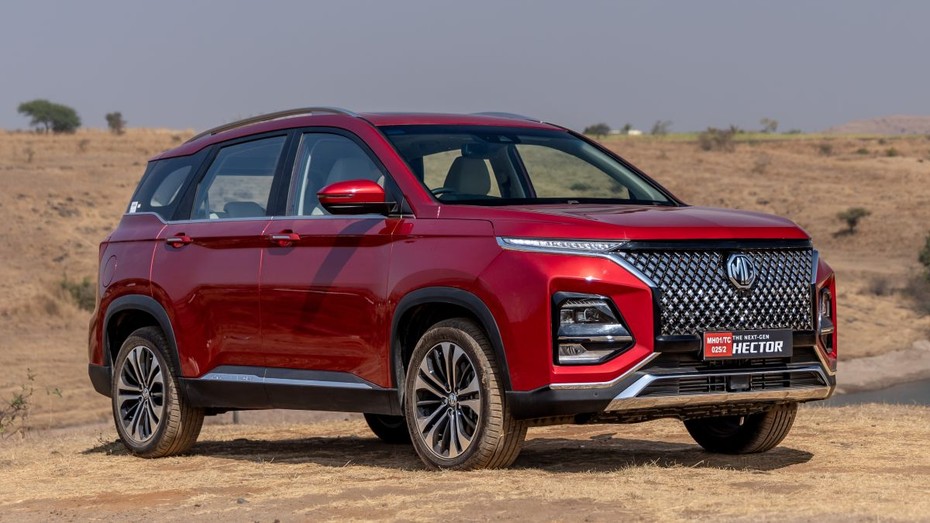
The MG Hector Plus takes the formula of the regular Hector. It stretches it just enough to accommodate a third row, making it a great value proposition for families that need extra seating without diving into the rugged SUV bracket.
Powering the Hector Plus are both a 1.5-litre turbo-petrol and a 2-litre diesel, paired with either a 6-speed manual or CVT, making it smooth and easy to drive in urban traffic. While it lacks the diesel punch of some rivals, its petrol engine and relatively soft suspension make for a comfortable everyday SUV.
The Hector Plus scores well on overall cabin feel and a long list of features, which includes a large touchscreen and multiple airbags. The second-row comfort is impressive, but like most three-row SUVs in this price band, the last row is best reserved for children or occasional use. Its pricing undercuts several of its rivals, making it an appealing option for buyers who want premium looks and comfort.
The Force Gurkha is not your typical urban family SUV. It’s a purpose-built off-roader, aimed squarely at buyers who want serious go-anywhere ability and are willing to compromise on creature comforts. In this segment, it’s a bit of a wildcard.
The SUV is powered by a 2.6-litre diesel engine making 140 PS and 320 Nm, mated to a manual gearbox. It comes with front and rear differential locks, 4×4 as standard, and a generous 233 mm of ground clearance. Its dimensions and wheelbase make it surprisingly practical, and it can technically seat up to seven people.
However, comfort isn’t the Gurkha's priority. The third row is basic, the cabin is functional rather than plush, and refinement levels fall short of those of mainstream SUVs. But what it lacks in polish, it more than makes up for in character.

The 7-seater SUV segment is no longer a one-size-fits-all game. The Mahindra XUV700 leads the pack in terms of technology and performance, while the MG Hector Plus offers strong value and comfort. The Hyundai Alcazar is ideal for city dwellers who require occasional 7-seat flexibility, while the Tata Safari offers unmatched third-row comfort in this segment. The Scorpio N stands tall as the proper SUV for those who need ruggedness without giving up family usability, while the Gurkha 5-Door is a pure enthusiast’s machine.
So, which one would you buy? Let us know in the comments section below.


2024 Hyundai Alcazar Facelift Review - Who Is It For?
Check Out The List Of New Cars Launched In India In September 2025
5 Most Affordable Cars With Panoramic Sunroof In India
Hyundai Alcazar Diesel Gets A New Variant With Panoramic Sunroof!...
Check Out The Base Executive Variant Of The 2024 Hyundai Alcazar...
2024 Hyundai Alcazar VS Hyundai Creta: Siblings Compared
Weekly Roundup: Top Car News Stories In India From The Past Week
2024 Hyundai Alcazar Facelift Compared With Kia Carens: Which One...
Hyundai Alcazar Facelift: Here’s What You Get With Each Variant
Hyundai Creta
Maruti Suzuki Ertiga
Kia Seltos
Mahindra Scorpio N
Maruti Suzuki Victoris
India's largest automotive community
Hyundai Bayon
Hyundai Creta
Hyundai Venue
Hyundai Verna
Hyundai i20
Tata Sierra
Mahindra Thar OG
Hyundai Bayon
Tata Punch
Maruti Suzuki Brezza
Mercedes-Benz GLC Electric
Rs. 80.00 Lakh
Mahindra Thar E
Rs. 25.00 Lakh
JSW Chery iCar V23
Rs. 20.00 Lakh
JSW Jaecoo J5 EV
Rs. 20.00 Lakh
 Hyundai Bayon Launched At Rs 10 Lakh! A Cup Of Vanilla, Yet With Choco Chips And Sprinkles
 Jeep Announces Pickup Truck For India: Is The Gladiator Coming Soon?
 2026 Mercedes-AMG GT Electric SUV Unveiled: Powerful Performance Now In An Electrifying Package!
 Honda Elevate ZX+ Black Variant Explored: Is the Top-End Variant The Best Looking Elevate?
Mahindra Bolero Bold Edition Launched: Exclusive Accessory Pack With Bronze Accents And Dual-tone Interiors!
Honda Elevate ZX+ Black Variant Explored: Is the Top-End Variant The Best Looking Elevate?
Mahindra Bolero Bold Edition Launched: Exclusive Accessory Pack With Bronze Accents And Dual-tone Interiors!