India’s All-Electric Push For 2030 Is Bullish And Impractical:...
- Dec 29, 2017
- Views : 2250



 Follow us

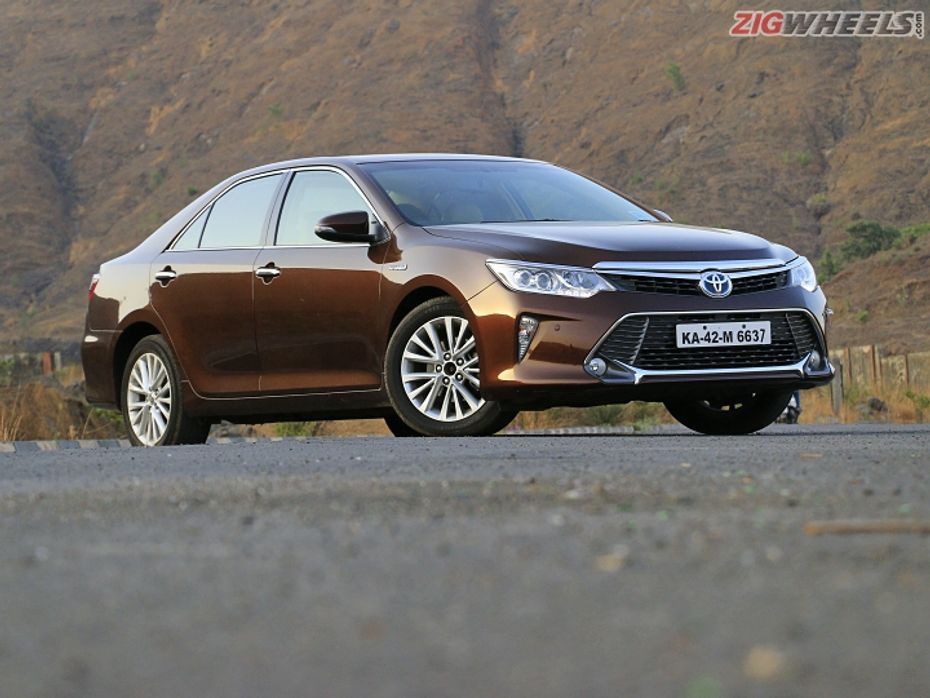
It seems as though the top brass at Toyota’s Indian arm, Toyota Kirloskar Motor (TKM), have had enough of the bashing hybrid technology has received from the government. The automaker has hit out at the current political dispensation for not only tagging hybrid cars as a luxury item but also for ignoring the eco-friendly nature of such cars. A few days ago, Shekar Viswanathan, vice-chairman and whole time director of TKM, claimed that country’s ambitious plan of aiming for 100 per cent electric vehicles (EVs) for the public transport and 40 per cent for the private sector, although bullish, was quite impractical. N Raja, senior vice-president of sales and marketing and director of the company, added that the manufacturer would soon ask the government to consider hybrid vehicles as a key part of the country’s drive towards electric vehicles by providing a number of facts to support the demand.
“We understand that all the cars will be electric by 2040, but till then hybrids will help in the transition to EVs,” said Raja. He further highlighted that the bulk of electricity produced in India (> 80 per cent) comes from burning coal. If the country were to produce more electricity to power all-electric cars, it would only result in more pollution, he said. “If you look at pollution factor, the hybrids stand much better than EVs. It is less for electrified hybrid vehicles,” Raja added while comparing the effective overall emissions from the two technologies.
Also Read: Auto Expo 2018: Toyota Cars And SUVs
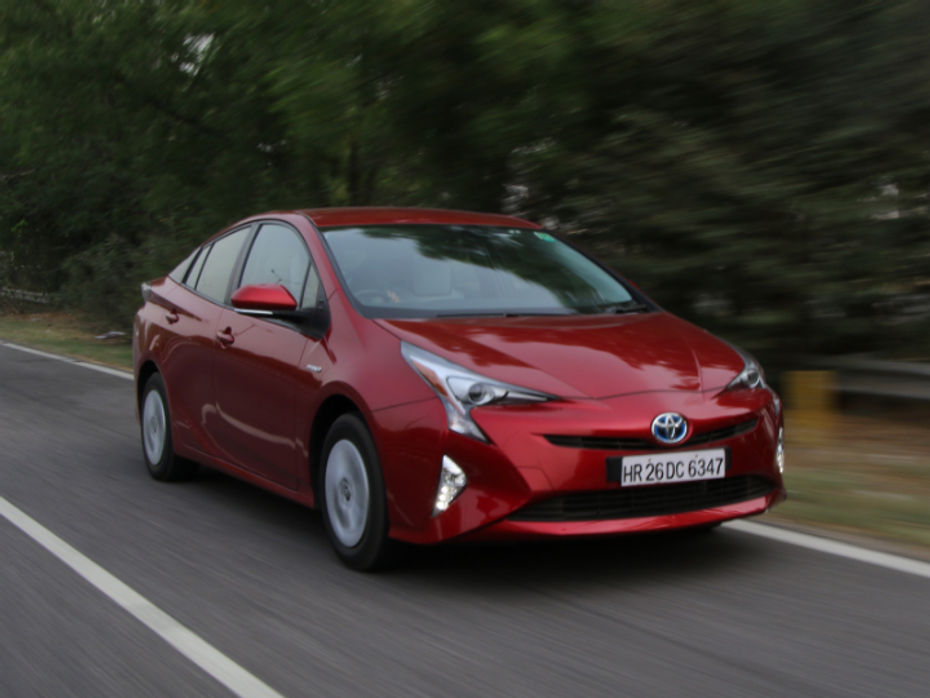
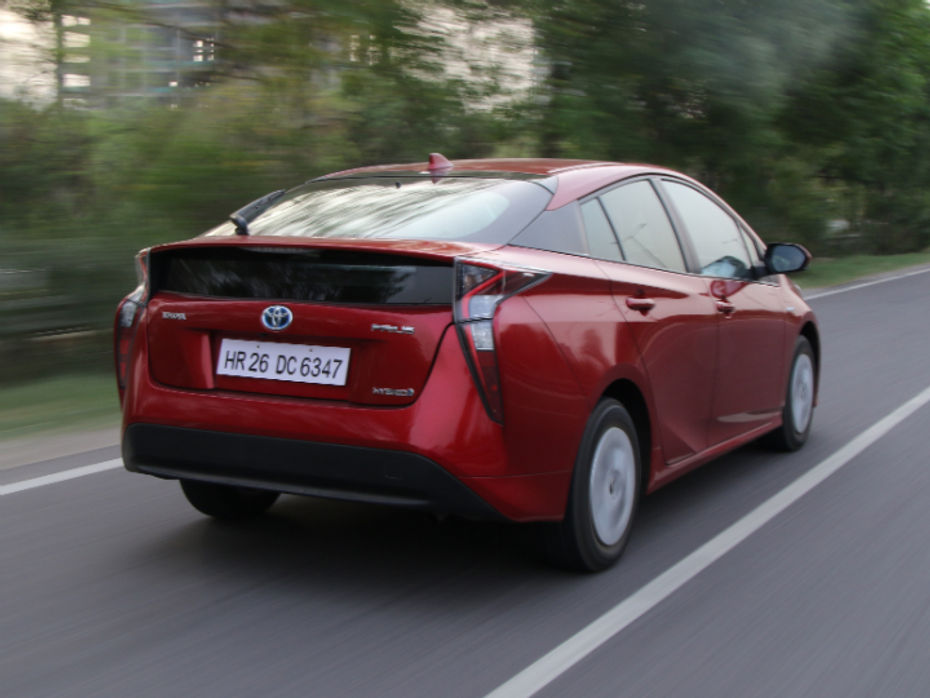
While India is still quite far away from establishing the infrastructure required to support EVs, the country is also relying on BS-VI grade of fuel, which is set to be introduced in Delhi-NCR by April 2018 and across India by April 2020, to curb the rising levels of air pollution, especially in metro cities. Raja also claimed that hybrid vehicles could accelerate the process of curbing air pollution as they are already compliant to meet Euro-VI (BS-VI) emission norms.
When asked about Toyota’s future plans for EVs, Raja said, “Toyota’s strategy is clear. We will also have electric vehicles, but electrified vehicles will have hybrids, plug-in hybrids, fuel cells and electric vehicles.”
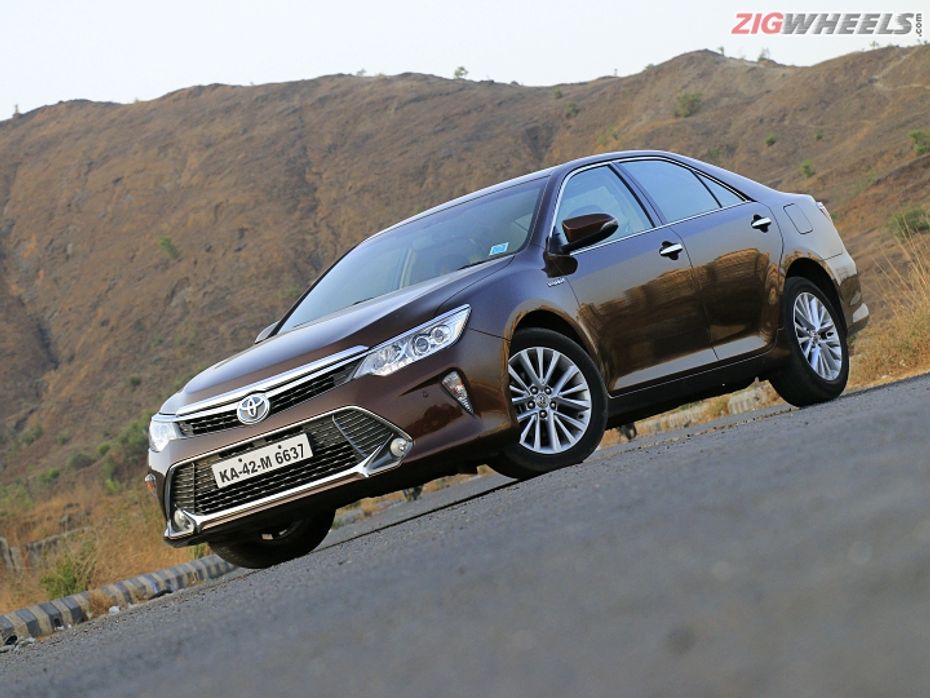
According to the current GST (Goods and Services Tax) structure, hybrids attract an overall tax of 43 per cent. When this new tax regime was implemented during the second half of 2017, prices for hybrids soared beyond belief. Toyota sold less than 800 units of the Camry Hybrid in 2017, which is around 400 units less than what it managed to sell in 2016. In October, Toyota gave up on the Camry Hybrid’s lacklustre sales figures and pulled the plug on its production.
Also Read: Toyota Chalks Out Its Strategy For EVs

India’s All-Electric Push For 2030 Is Bullish And Impractical:...
Toyota India Drives Camry Hybrid Out Of Production For Now
Auto Expo 2018: Toyota Cars And SUVs
Toyota Chalks Out Its Strategy For EVs
2026 Toyota Hilux LAUNCHED! The Next-Gen Iconic Pickup Truck Now In...
5 Things We Love About The New Toyota Hilux
Toyota Hilux Gets a New Face, Yet Still A Lot Of Features Missing
2026 Toyota Hilux Review: What We Liked & What Needs To Improve
2026 Maruti Brezza Teased! Comprehensive Update With Styling &...
Mahindra Thar Roxx vs Scorpio N: Why Character Still Wins
India's largest automotive community
MG Hector Tomahawk PHEV
₹ 25.69 Lakh
MG Hector Tomahawk EV
₹ 19.49 Lakh
BMW X1 LWB
₹ 49.90 Lakh
Mahindra Scorpio N
₹ 13.69 Lakh
Toyota Hilux
₹ 31.99 Lakh
Kia Sorento
Rs. 25.00 Lakh
BMW i7 Facelift
Rs. 2.10 Crore
BMW 7 Series Facelift
Rs. 1.80 Crore
Skoda Superb 2026
Rs. 50.00 Lakh
Skoda Slavia Facelift
Rs. 11.99 Lakh
 Tata Motors Passenger Vehicles Rebrands as TATA.CARS: Carries 'Nothing's Too Far' As Brand Promise
 MG Hector Tomahawk PHEV With 1100 Km Range LAUNCHED At Rs 25.69 Lakh
 MG Hector Tomahawk EV Launched At Rs 19.49 Lakh! With Claimed Range of 517 Kms
 2026 Audi Q3 Unveiled In India Finally! Looks Truly A Generation Ahead!
Volkswagen To Bring A Sportier Kylaq With Sporty Sub-4-Metre SUV
2026 Audi Q3 Unveiled In India Finally! Looks Truly A Generation Ahead!
Volkswagen To Bring A Sportier Kylaq With Sporty Sub-4-Metre SUV