Ather Konarc Explained In Detail With Real-Life Images
- Aug 30, 2026
- Views : 10128



 Follow us

India’s electric two-wheeler industry is getting perhaps the most important behind-the-scenes upgrade, something very foundational: locally made rare-earth permanent magnets. These compact but powerful components sit at the heart of electric motors, and India is now preparing to manufacture them within the next two years.
Backed by a Rs 7,280 crore government scheme, the plan is to build a complete domestic ecosystem for Rare Earth Permanent Magnets (REPMs), starting from processing rare earth oxides and going all the way to finished magnets. The timing is crucial. Over the past year, export restrictions and licensing delays from China – currently the dominant global supplier – created uncertainty and bottlenecks for Indian EV manufacturers.
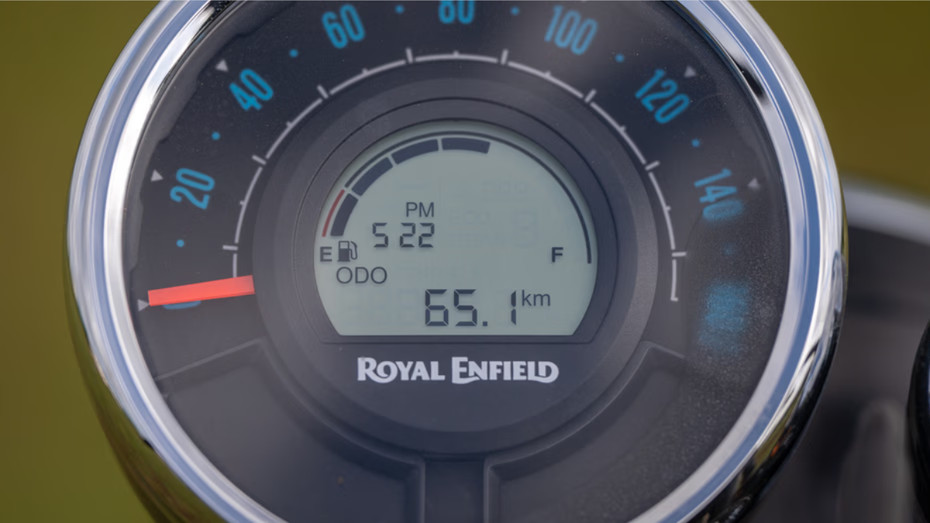
Not only EVs, even ICE brands were affected as certain components are made with the help of these magnets. For example, Royal Enfield had to temporarily ship its 350cc J-series bikes without the gear position indicator due to this shortage. Local production could change these equations dramatically.
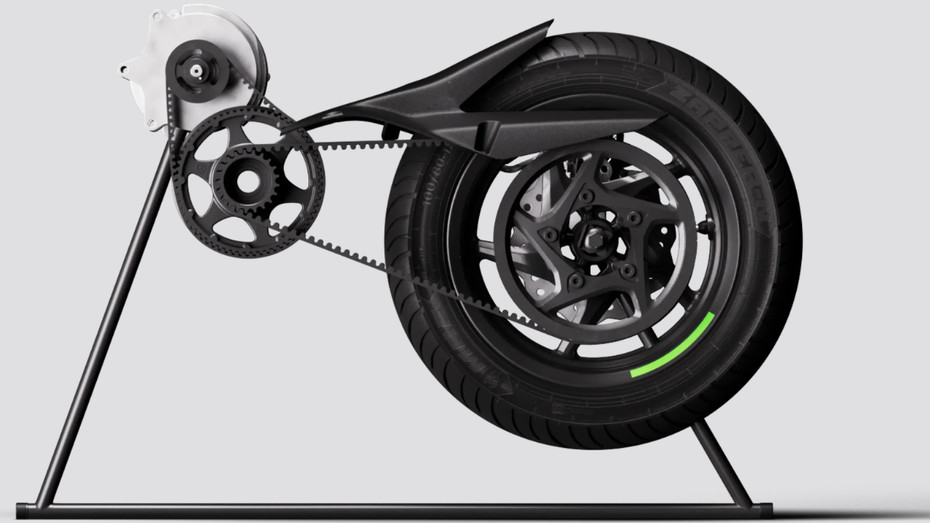
Permanent magnets are essential for the motors used in electric vehicles. When supply gets disrupted, production lines slow down, launches get delayed, and costs become unpredictable. By developing domestic magnet manufacturing, India is aiming for supply chain stability, reduced import dependence, and stronger control over such a critical EV component.
This is not just about electric cars and electric scooters. These magnets are also vital for wind turbines, electronics (even in fossil-fuel powered vehicles, as mentioned earlier), aerospace systems, and defence equipment. But for the EV industry, it means fewer geopolitical headaches and a clearer path to scaling production.
Ather has been actively developing motor technologies that reduce or eliminate the use of rare earth materials, but such transitions take time to perfect and scale. A reliable domestic supply of magnets gives the company breathing room. It can continue innovating on next-generation, rare-earth-free solutions while maintaining stable production for its current lineup. This balance is crucial as Ather Energy works toward more affordable platforms and new battery strategies.
Simple Energy had also announced last year that it’ll be making motors that avoid heavy rare earth elements. But scaling new motor architectures takes time. Domestic magnet production provides a fallback option if alternative technologies face supply or manufacturing challenges. For a growing brand expanding retail presence and production capacity, that kind of backup adds valuable operational confidence.
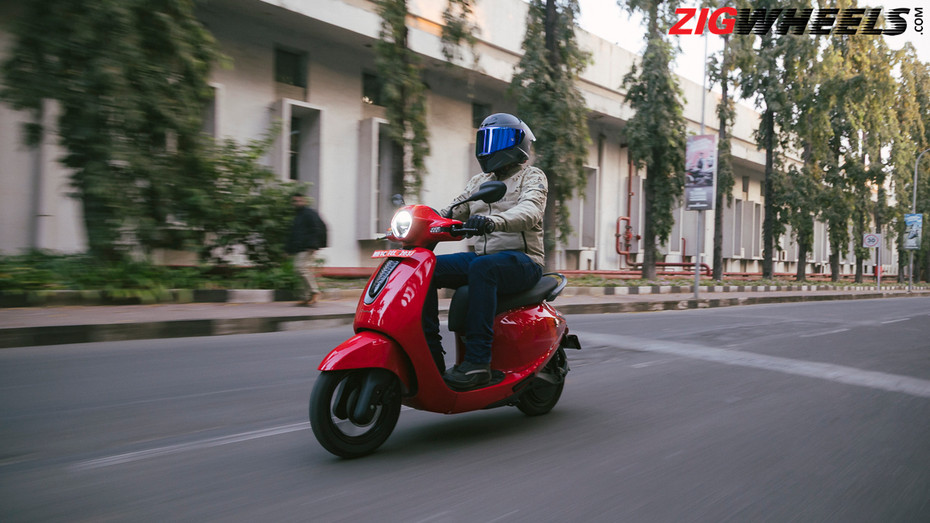
For legacy manufacturers like Bajaj, which rely on established supplier networks for the Bajaj Chetak, magnet localization could quietly solve major supply chain concerns. Reduced reliance on imports means fewer delays, less exposure to currency fluctuations, and smoother production planning. For large-scale manufacturers, consistency in component supply is key to maintaining volumes and controlling costs. Bajaj has mastered this art of cost-effective manufacturing, but it takes a lot to be consistent.
Ola Electric has been diversifying its magnet sourcing and fast-tracking in-house motor development that avoids rare earths altogether. Even so, locally made magnets offer a strategic safety net. They reduce exposure to global supply disruptions and give Ola better cost predictability as it expands its scooter and motorcycle portfolio. Greater component security can directly support aggressive production targets and pricing strategies.
India’s EV ambitions are no longer limited to assembling vehicles. The focus is shifting toward controlling the deeper layers of the supply chain that make electrification possible. Batteries, semiconductors, and now magnets are all part of that strategy.


Ather Konarc Explained In Detail With Real-Life Images
Ather’s Rizta Now Has A Mini-Me, And It Rocks!
BREAKING: Ather Konarc Launched In India!
Top 5 Things Which Make The Ampere Magnus Neo The Best First Electric...
BREAKING: Yamaha R2 Launched In India: KTM RC 200 Rival Is Finally...
KTM 490 Duke Spotted Stoppie-ing: India Launch 2027
BREAKING: Triumph Bonneville T40 Launched In India; The Baby Bonnie...
Kawasaki Z Range Gets New Shades For 2027
Upcoming Kawasaki Z300 Launch Timeline Revealed
5 Yamaha Bikes We Wished Yamaha Launched In India
India's largest automotive community
Hero Xtreme 250R
₹ 1.84 Lakh
Hero Xtreme 160R 4V
₹ 1.27 Lakh
e-Sprinto G1
₹ 89,999
VLF Strada
₹ 1.20 Lakh
Triumph Bonneville T40
₹ 2.55 Lakh
Hyundai Bayon
Rs. 10.00 Lakh
Mercedes-Benz GLC Electric
Rs. 80.00 Lakh
Mahindra Thar E
Rs. 25.00 Lakh
 450cc Norton Roadster To Debut At EICMA 2026; India Launch In 2027
 All-New Aprilia SXR GT 175 Review: Top Likes And Dislikes
 2027 Kawasaki Z1100 Launched: New Model Year, Same Bike
 BREAKING: Hero Xtreme 250R & Xtreme 160R Get Smarter; Launched With More Tech
Magnus GMax With Intellipack: The Assurance Of A Safe Family Electric Scooter
BREAKING: Hero Xtreme 250R & Xtreme 160R Get Smarter; Launched With More Tech
Magnus GMax With Intellipack: The Assurance Of A Safe Family Electric Scooter