Top 5 Things Which Make The Ampere Magnus Neo The Best First Electric...
- Aug 31, 2026
- Views : 21132



 Follow us

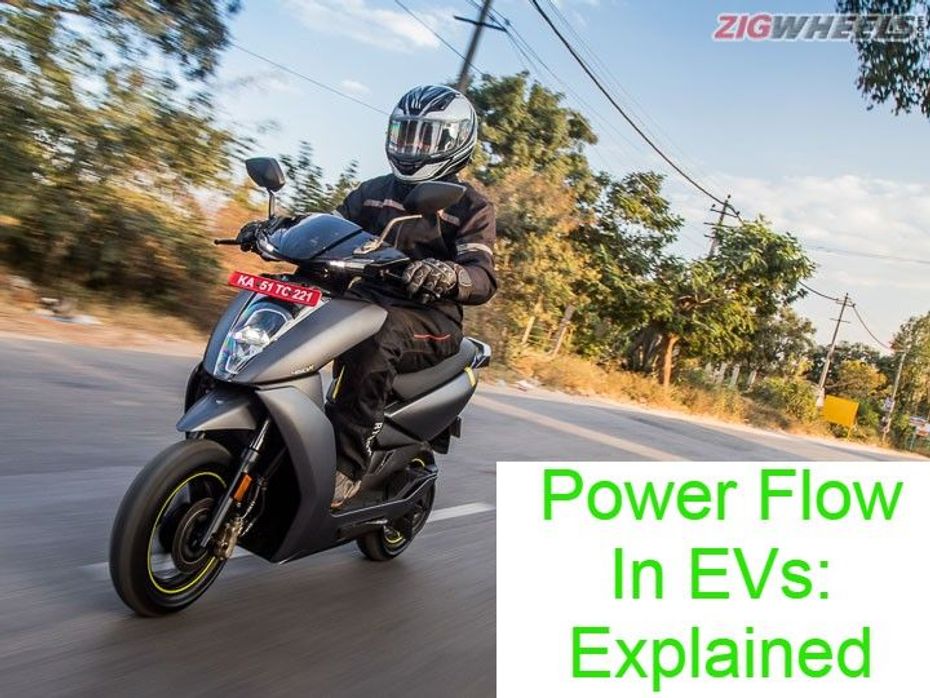
Electric vehicles have been rapidly growing and gaining popularity not just in the Indian market, but also worldwide. With more and more EVs turning up on the road, have you wondered how exactly the power and electricity flows through an EV? Well we have the answers for you, so read on.
An electric vehicle setup is rather complex with multiple components playing different but important roles. Now what’s basic here is the fact that the electricity is generated from the battery pack, which goes to the motor, which consequently gets the electric vehicle moving.
For that process to function, there are a bunch of electronic components that facilitate the flow of power and electricity throughout the electric vehicle.
The most important device in the functioning is a motor controller also called the electronic speed controller (ESC) which basically controls and regulates the power flow from the battery pack to the motor in an electric vehicle.
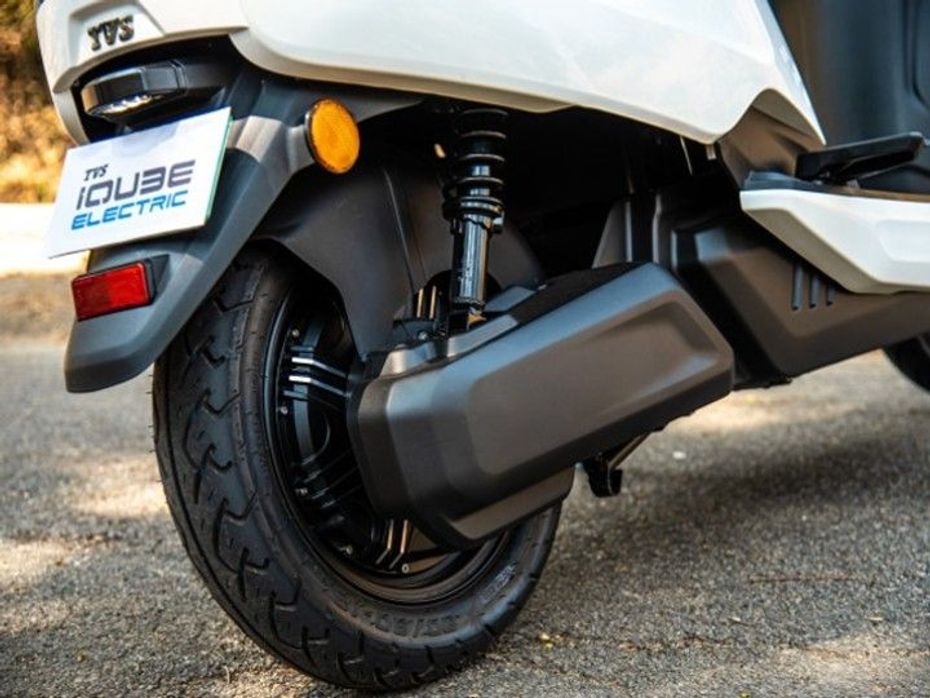
The process involves the motor controller, which has several microcontrollers, receiving control signals from the throttle and braking of the vehicle and delivering the requested amount of power to flow in a timely manner to the motor, consequently achieving a certain speed on the vehicle. For instance, when the brake is applied on an electric vehicle, the throttle input is cut off immediately, consequently getting the vehicle to a halt.
Most of the motor controllers also possess the functionality of regenerative braking. In this phenomenon, the motor controller re-routes the excess power from the motor to the battery pack further recharging it. Bear in mind, that this only occurs when the battery is not fully charged.
Electric vehicles with regenerative braking technology have motors that act as generators when the brakes are applied or when the throttle is let go. During this situation, the power to the motor is cut off. As the motor shaft slows down, this rotational motion is converted into electricity by the generator.
To get more perspective on the functioning of electric two-wheelers, you can check out the details on different types of motors currently used in electric vehicles.


Top 5 Things Which Make The Ampere Magnus Neo The Best First Electric...
Ather Konarc Explained In Detail With Real-Life Images
Ather’s Rizta Now Has A Mini-Me, And It Rocks!
Kawasaki Z Range Gets New Shades For 2027
5 Yamaha Bikes We Wished Yamaha Launched In India
2027 Kawasaki Ninja 500 Launched At Rs 5,76,000: Same Same, But...
Upcoming Royal Enfield Himalayan 440 Spotted Again
All-New Bajaj Pulsar 125: Top Likes & Dislikes
Upcoming Triumph Bonneville 400 Spied Again
India's largest automotive community
Honda QC3
₹ 1.35 Lakh
Honda CB500
₹ 2.75 Lakh
BGauss C12 MaxR
₹ 1.60 Lakh
Royal Enfield Himalayan 440
₹ 2.30 Lakh
Simple Wave
₹ 1.10 Lakh
 Suzuki Hayabusa Gets A Fresh Makeover; New Special Edition Launched In India
 BREAKING: Yamaha R15 M Likely To Be Discontinued In India
 Honda QC3 Electric Scooter: Top 5 Highlights
 Bajaj Pulsar NS125 To Get Smarter & Receive New Shades
Yamaha Is Planning To Re-enter The 250cc To 1000cc Bike Segment In India
Bajaj Pulsar NS125 To Get Smarter & Receive New Shades
Yamaha Is Planning To Re-enter The 250cc To 1000cc Bike Segment In India