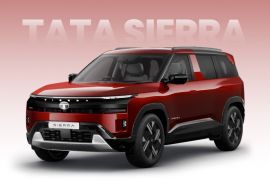

2025 Tata Sierra SUV Review | Ride Quality, Performance, Tech and...
- Dec 8, 2025
- Views : 12474



 Follow us


New platform, new-age design, new trim, new tech and even some new engines and transmissions. It’s almost ironic how one of Tata’s most historic names is giving us a look into the brand’s product line future. One that seems more exciting and unique but with some old habits that need to go away immediately.
It’s a 4.3 metre long compact SUV based on Tata’s new monocoque chassis platform called ARGOS (built for cars 4.3-4.6 metres long). This platform is all-wheel drive-ready and can support new components driven by SDVs or software defined vehicles. It’s also multi-powertrain compliant, ready for petrol, diesel, CNG or even hybridisation (mild-hybrid or fully-self charging hybrid has yet to be specified). While the car is all-wheel drive capable, the drive option itself is still only being considered and is in development as of December 2025.

Given its size, it competes with a cavalcade of other SUVs including the Hyundai Creta, Kia Seltos, Maruti Suzuki Grand Vitara and Victoris, Honda Elevate, Toyota Hyryder, Skoda Kushaq and Volkswagen Taigun.
When the original Sierra was launched in 1991, it was a relatively rudimentary SUV based on a truck’s ladder-frame chassis. While it offered features such as power windows or power steering which were a rarity at the time, its biggest draw was its design. It brought to life the concept of a lifestyle SUV, decades before such a segment even existed.
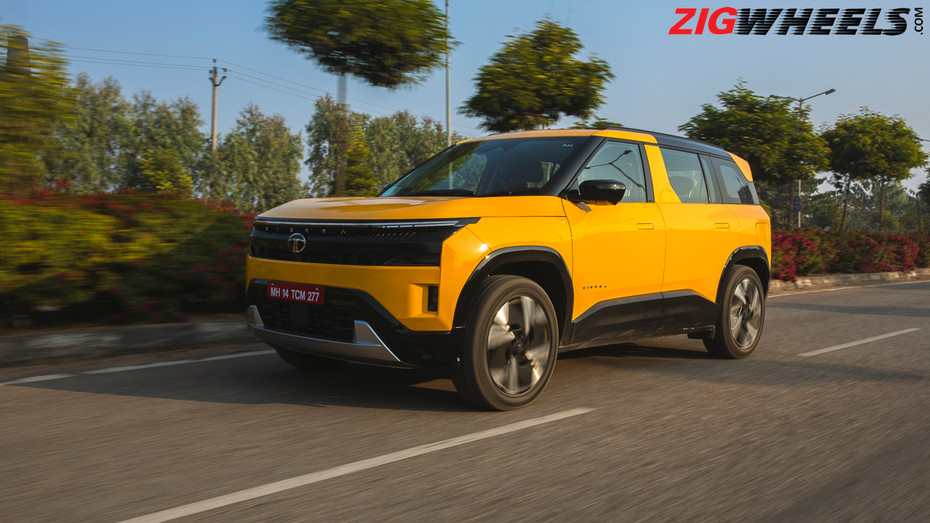
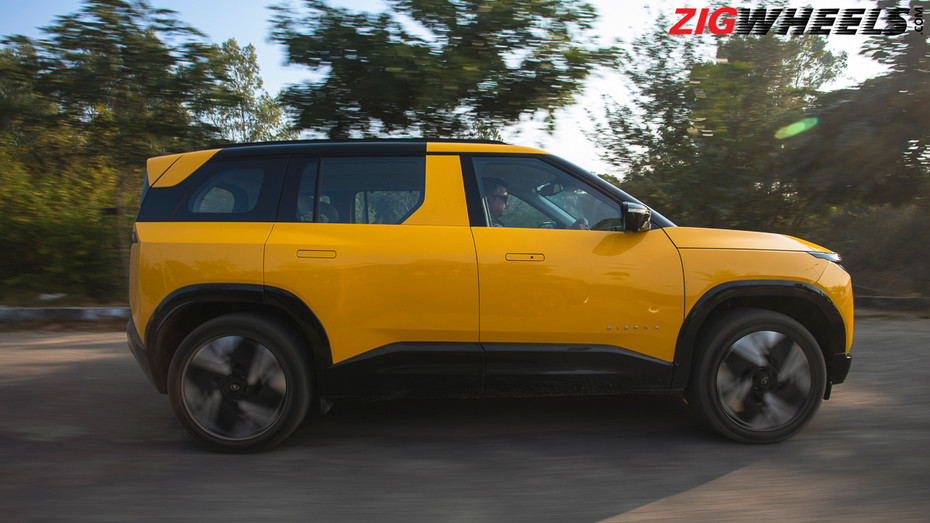
Today’s Sierra has no connection to that car, but if there’s one thing that is its biggest highlight; it’s design.
Tata has actively chosen not to recreate the original but borrow some key elements while developing a contemporary new styling language. It’s clean, attention-grabbing and minimalist in a way that’s rarely seen outside of luxury car designs. The front DRL strip and tail light, for example, are single piece units which help make the look cleaner.

Similarly, Tata’s done away with exposed window garnishes to lend the side profile a cleaner look and even the rear wiper hides being the spoiler. Thanks to this and the fact that it stands taller and wider than most rivals in the segment, the Sierra looks bigger than it actually is. At 2730mm, the wheelbase is less than half an inch short of the Tata Harrier’s!

Other Talking Points
|
Ground Clearance (unladen): 205mm |
|
Other Colours: Pure Grey, Pristine White, Coorg Clouds (silver). (Dark edition expected at a later stage) |
|
Flush-fitting pop-out door handles are manual only. They do not deploy electrically. |
It’s big on showing off its metal (literally), it’s big on wheelbase and even gets big 19-inch alloy wheels in the higher variants. Opt for colours like Andaman Adventure (Yellow), Munnar Mist (Green-Grey) or Bengal Rouge (Red) and the styling package of the Sierra pops beautifully.

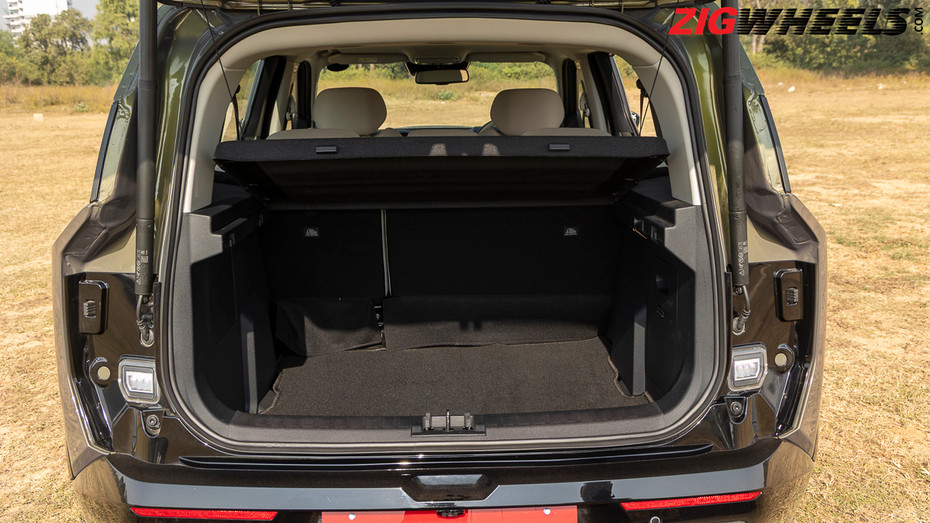
It’s big here too. At 622 litres, the Sierra has plenty of space to fit big suitcases even with the parcel tray in place. There’s a slot between the backrest and boot to slide the parcel tray in as well which is thoughtful and very handy. The space saver spare tyre is in the undercarriage though.
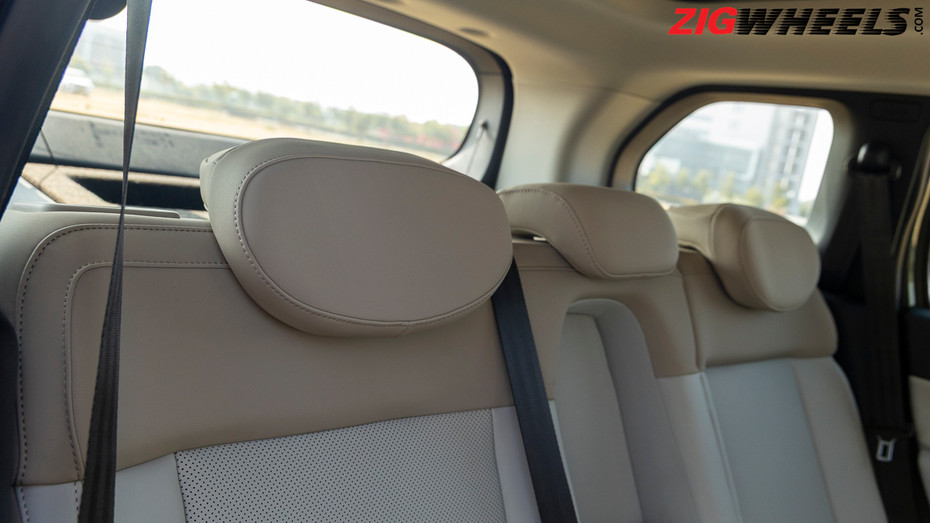
Let’s just say it puts its wheelbase to good use. A six-footer can sit behind his own driving position with about 5-inches of knee room to spare. Passengers even taller than that will also be comfortable with enough headroom for people who are tall or wear headgear like turbans.

The front passenger’s seat has a lever for backseat owners to adjust it when needed and once you push the seat all the way ahead, there’s a LOT of room to stretch out. The cabin’s also wide enough to seat three users of an average build in relative comfort.
In the front seat, most users will find seating space and comfort to be strong. The seats are large in size and even come with extendable under-thigh support for added comfort. However, users who are exceptionally tall (read: over ~6.2ft or so) will find their knees either too close to the dashboard or digging into it. This is more pronounced in the front passenger’s seat.
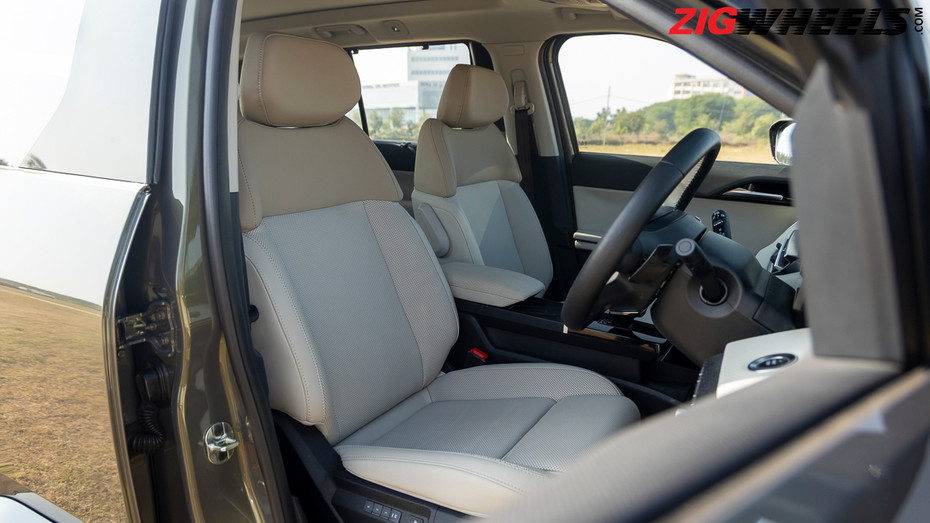
Yes, this can be a deal-breaker for those who wouldn’t face an issue like this in most other segment rivals, save for the Honda Elevate.
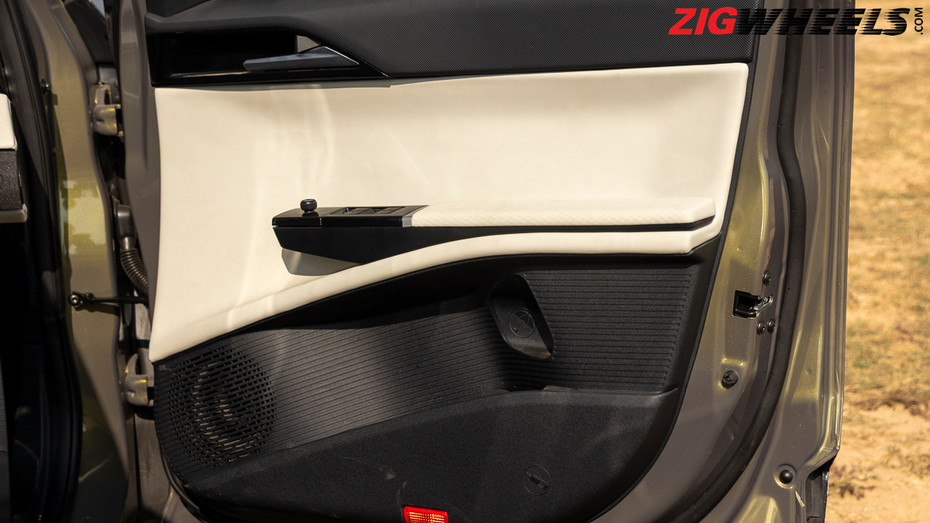
Finish quality is rich across the board, complemented by the lounge-like premium cabin styling. Fitment quality, however, has odd gaps. The floating door armrests don’t feel solid enough, some cars we tested had loose trim and we hope they’re ironed out before customer deliveries begin.
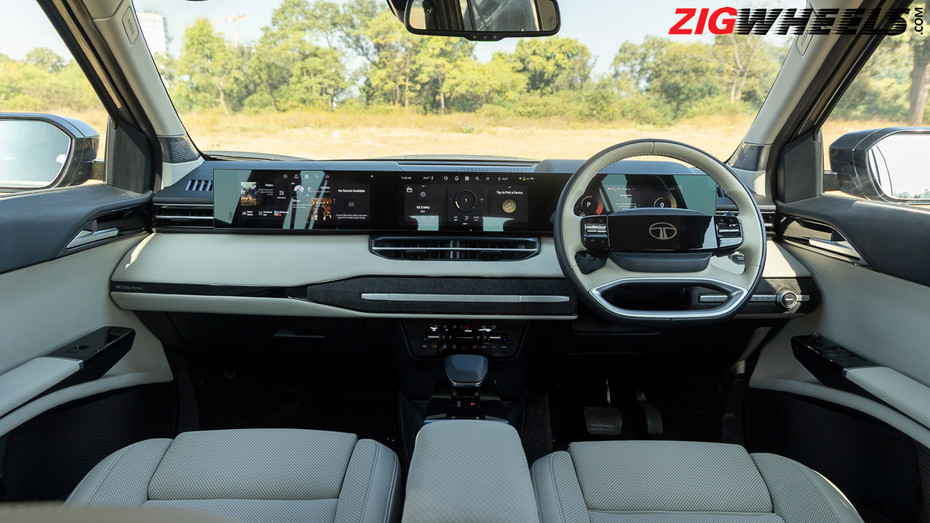
First, the premium essentials - ventilated front seats, a huge panoramic sunroof, powered-driver’s seat with 3 memory settings and dual-zone climate control with rear AC vents. The infotainment screens make a big part of the tech package:
|
10.25-inch Digital Driver’s Display: |
Good resolution, easy to understand interface. Has multiple views (single dial, dual dial etc) and also displays the side camera feed when you indicate. With Apple CarPlay connected you can see Apple Maps fed here or Google Maps if you use Android Auto. |
|
12.3-inch Touchscreen: |
Rich on data but runs Android’s automotive interface that’s fairly easy to navigate through. Features like the AQI or ambient lighting options can be seen here and you get a search bar to look for key settings quickly. |
|
12.3-inch Co-Driver Screen |
Offered only in the top-end variant, this screen works independently of the central touchscreen. You can stream videos, play onboard games and even connect a wireless gaming controller or wireless earphones to it. The USB input for it is under the rear AC vents. |
|
AR Head-Up Display: |
This feature is not available in the top Accomplished+ variant, but available in the one-below-top Accomplished grade. It displays a good resolution feed of vital drive data along with interesting graphics and animations for ADAS functions and navigation. |
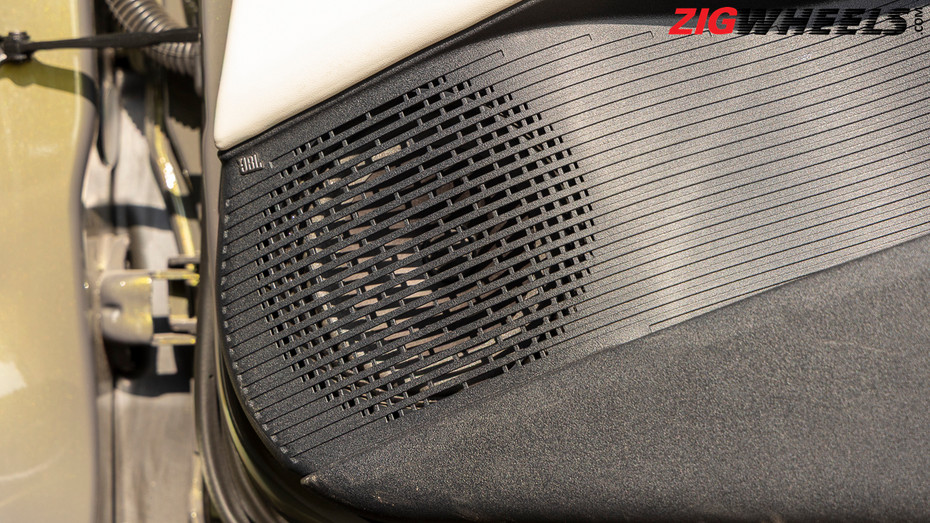
Tata also offers the Sierra with a 12-speaker JBL black music system that includes a soundbar that’s integrated into the central console and is a design element (and a crucial one at that). Sound quality is very strong and Dolby Atmos does a great job of showing off sounds that have been recorded specifically for it.
|
Specifications |
1.5-litre Petrol |
1.5-litre Turbo-Petrol |
1.5-litre Turbo-Diesel |
|
Cylinders |
4 |
4 |
4 |
|
Power |
106PS @ 6000rpm |
160PS @ 5000rpm |
118PS @ 4000rpm |
|
Torque |
145Nm @ 2100rpm |
255Nm @ 1750-4000rpm |
260Nm (MT) | 280Nm (AT) @ 1500-2750rpm |
|
Transmission |
6MT | 7DCT |
6AT |
6MT | 6AT |
1.5-litre Naturally-Aspirated Petrol: Untested by Zigwheels but will be a popular option. This engine should deliver smooth and convenient city driving with short-gearing to match up to its strong on paper torque delivery. It will also be more fuel-efficient than the turbo-petrol in heavy traffic conditions.

1.5-litre Turbo-Petrol: Refined, smooth and responsive to drive. This engine has an eagerness we’ve never seen from a Tata car in recent years and can manage the 0-100kmph sprint in 9.5-10 seconds. Offered only with an automatic transmission (torque-converter), it’s an enjoyable car to drive daily and manages turbo-lag well. High speed performance will delight and while the transmission isn’t as quick as the DCTs many rivals offer, it is smooth and offers seamless shifts in most driving scenarios.

1.5-litre Turbo-Diesel: The core note: this engine prefers a laid-back approach to driving. It’s not as rev-happy or responsive as Hyundai-Kia’s 1.5-litre diesel but offers good usability and grunt. Gear changes aren’t as smooth as they are in the turbo-petrol but we have no complaints viz usability.

Ride Quality: A big strong point on the Sierra. There is a firm edge to it i.e. it isn’t as soft or cushy as the Creta or Elevate at low speeds but bump absorption is strong. The suspension doesn’t crash through sharp bumps and even with the segment’s biggest wheels, the Sierra feels plenty rugged. High-speed stability is impressive too, and the Sierra feels confidence-inspiring through quick lane switches (as in emergency swerves) or hard/panic braking maneuvers.
Standard safety features on the 2025 Tata Sierra include:
6 airbags
ABS with EBD
ISOFIX Child Seat Mounts
Electronic Stability Programme
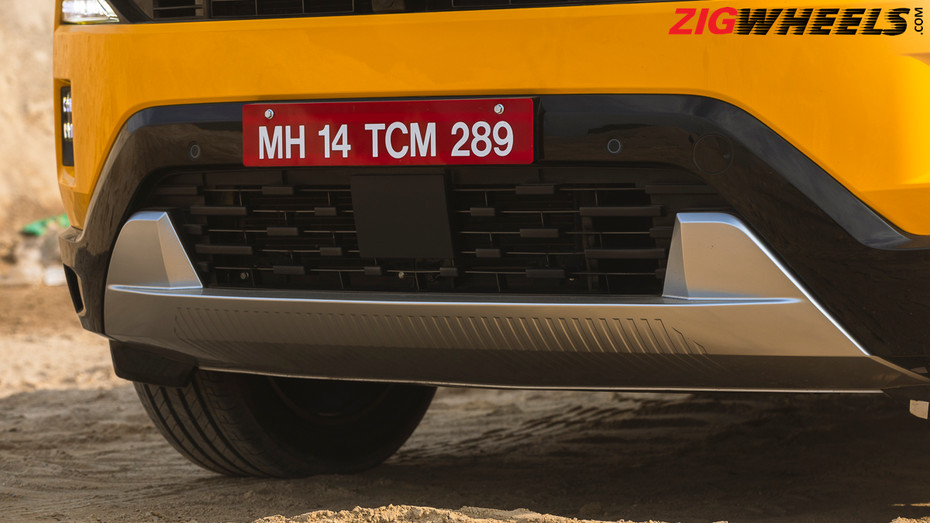
Rear Parking Sensors
Seatbelt Reminders
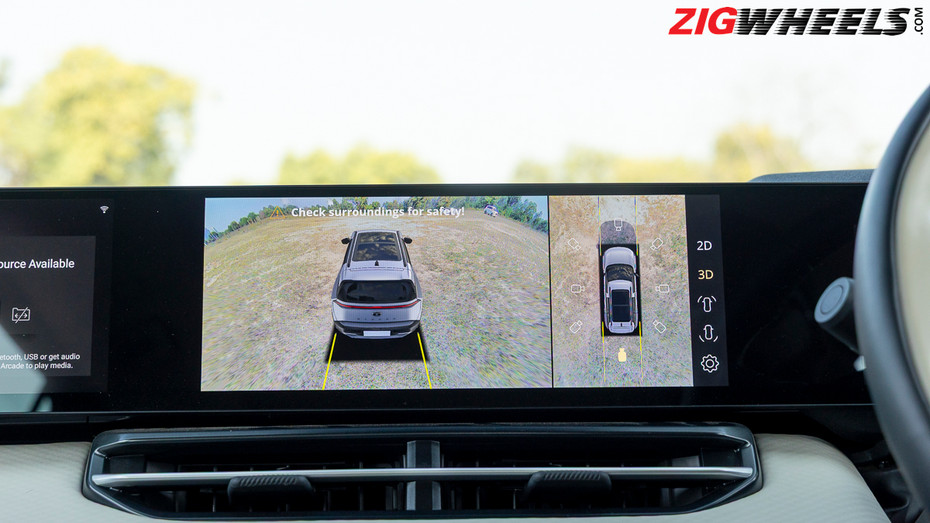
Higher variants add features such as a knee airbag, hill descent control, a highline tyre pressure monitoring system and front parking sensors. The Sierra also gets a high-resolution 360-degree camera.
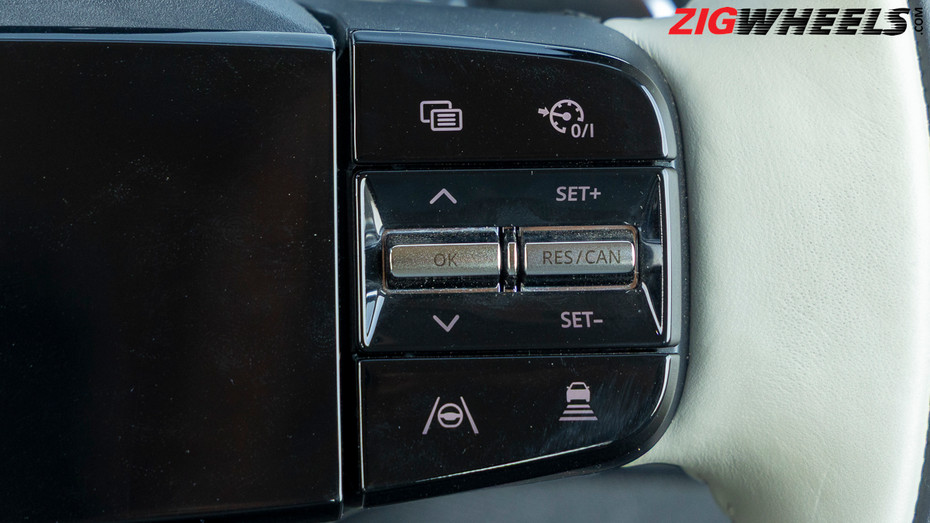
Level 2 ADAS (advanced driver assistance systems) is available only with the fully-loaded Accomplished+ variant. Features include adaptive cruise control, automatic emergency braking, lane keep assist, blind spot monitoring and rear cross traffic alert (among many others). Like we’ve experienced in other Tata cars, calibration of the ADAS seems to be done well as per Indian conditions.
Features like adaptive cruise control are suitable for use in light highway traffic though they can seem a touch too brake happy in heavy traffic. Rear collision warning also goes off way too easily and flashes the hazard lights every time a biker approaches you from behind. If you have a lot of highway use, ADAS is a feature worth investing in.
As of December 2025, the Tata Sierra doesn’t have an official crash test rating from Bharat NCAP.
The Tata Sierra could have been an easy way out. Tata’s marketing has always been among the best and they could’ve sold you on emotion and called it a day. Thankfully, Tata chose to not just push the envelope but the whole post office. The attention to detail in design on the inside and out shows. The choice to engineer a new and future-proof platform and the tech unlocks that come with it also shows.
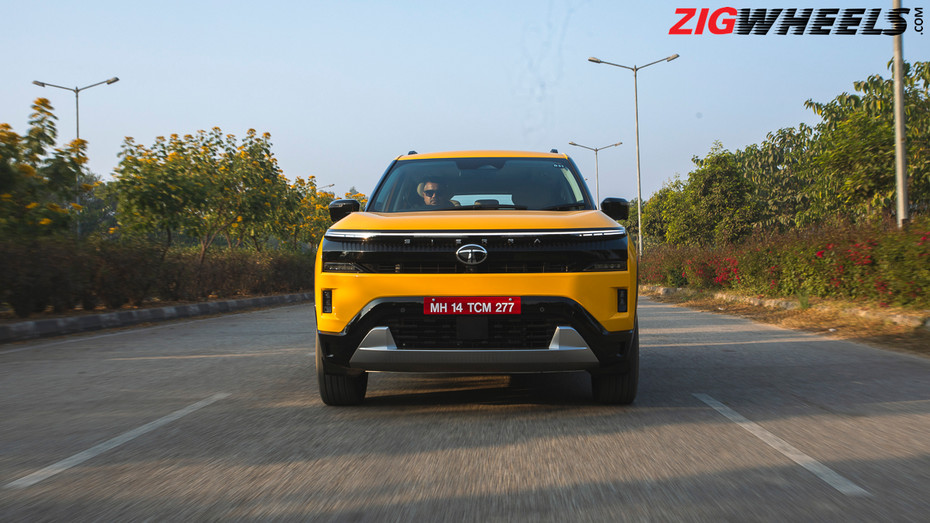
For all intents and purposes, Tata could’ve called this car anything else and it would still stand out as a push for the segment to do something different than what it has done so far.
But this car is called Sierra - meaning it’s the biggest legacy play that Tata has and probably will have. Simply put, it has to function as intended. Customer cars cannot have issues like we faced in our media drive - glitching headlights and indicators, loose upholstery on the dashboard, broken powered tailgate button, flimsy-feeling door armrests and even an indicator chime that’s off rhythm. Such niggles have no place in 2015, let alone 2025.
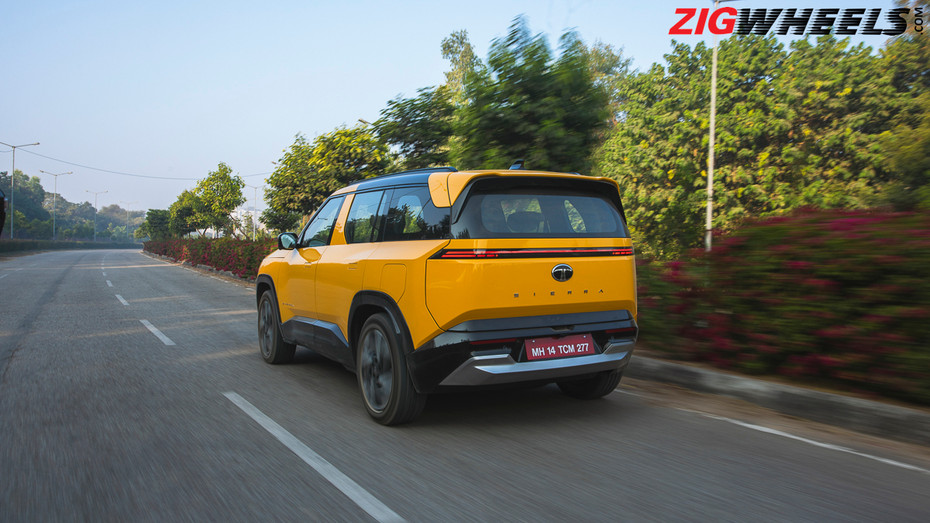
Tata’s already shown us how we can see the Sierra in a whole new way. It’s time for the Sierra to change how we look at Tata cars as well.


2025 Tata Sierra SUV Review | Ride Quality, Performance, Tech and...
2026 Tata Sierra Scores 5-Stars At Bharat NCAP! Checkout the Detailed...
New Renault Duster Vs Tata Sierra: Which Is The More Stylish SUV?...
The SUVs That Got 2025 Right: Our Picks Across Petrol, Diesel, and...
Tata Sierra Pure & Pure+ Variants Explained
Tata Sierra Smart+ Base Variant Explained In Detail; Is It Worth...
Tata Sierra Adventure and Adventure+ Variants Explained, Prices...
Tata Sierra Bookings Open Today! Here Is All You Need To Know!
2025 Tata Sierra Best Variant To Buy: Why Adventure + Should Be Your...
Kia Seltos
Tata Harrier
Hyundai Creta
Tata Safari
Tata Harrier EV
India's largest automotive community
Tata Punch
Tata Nexon
Tata Tiago
Tata Sierra EV
Tata Punch EV
Maruti Suzuki Brezza
Tata Sierra
Tata Punch
Mahindra Thar
Maruti Suzuki FRONX
Mahindra Global Pik Up
Rs. 25.00 Lakh
Mahindra Bolero 2026
Rs. 10.00 Lakh
Skoda Slavia Facelift
Rs. 11.99 Lakh
BMW X1 LWB
Rs. 51.00 Lakh
Audi Q3 2026
Rs. 48.00 Lakh
 5 Things We Love About the 2026 Maruti Brezza Facelift
 2026 Tata Nexon Camo Edition Launched: Does It Get Sweeter For The Urban Jungle?
 2026 Mahindra Scorpio N Facelift Launched With Minor Styling Upgrades And New Features!
 Toyota Hilux Gets a New Face, Yet Still A Lot Of Features Missing
BMW 7 Series And i7 Facelift Pre-Bookings Open
Toyota Hilux Gets a New Face, Yet Still A Lot Of Features Missing
BMW 7 Series And i7 Facelift Pre-Bookings Open