Can You Downshift Without The Clutch?
- Dec 15, 2019
- Views : 30674



 Follow us

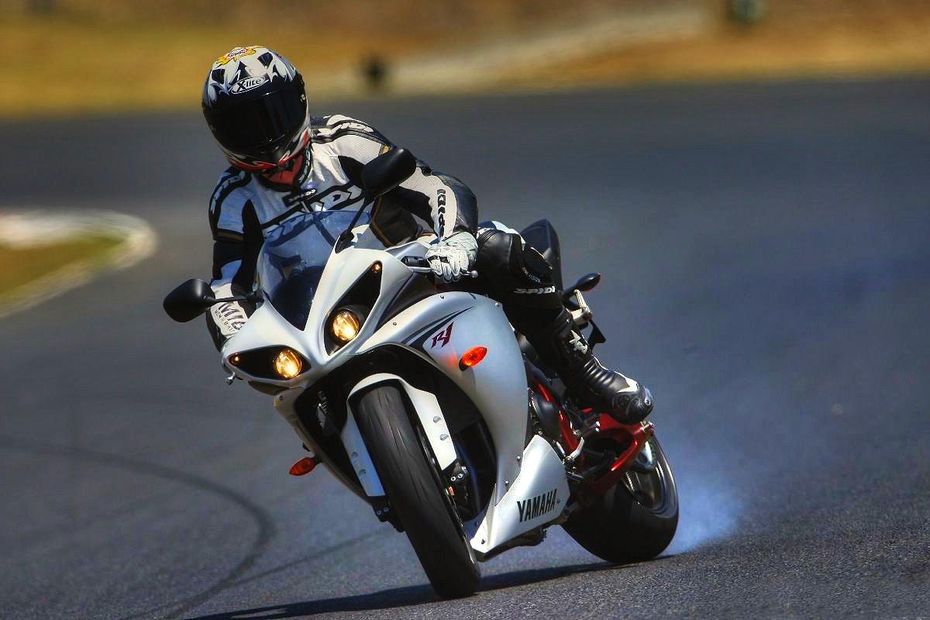
With road and traffic conditions like ours, panic braking isn’t a very rare occurrence, unfortunately. And in the process of panic braking, sooner or later, we’ve all banged down the gearbox a little too quickly and had the rear end lock up and step out. Not the nicest feeling when you’re staring down a rapidly approaching cow in the middle of the road. But with more and more bikes (even more affordable models like the Bajaj Dominar 400 and TVS Apache RTR 200 4V) being fitted with slipper clutches (and dual-channel ABS), rear wheel lock ups could soon become a thing of the past. So what exactly is a slipper clutch and how does it work?
Clutch Basics
Let’s get one thing straight - when the clutch lever is pulled in, the clutch is disengaged (engine and transmission are disconnected from each other), and when the clutch lever is released, the clutch is engaged (engine is sending power to and through the transmission). With that out of the way, let’s take a look at what exactly a clutch is.
Also Read: Shifting Gears Without The Clutch? Is It Possible?
The primary function of a clutch is to connect and disconnect the engine from the gearbox as and when required. This is required to successfully perform gearshifts. When the transmission is loaded i.e. when power is being transmitted through it, it’s not possible to deselect a particular gear and select the next one. By pulling in the clutch lever, what we’re actually doing is disconnecting the engine from the transmission and thereby unloading it, which is what allows us to successfully perform a gearshift.
Engine Braking
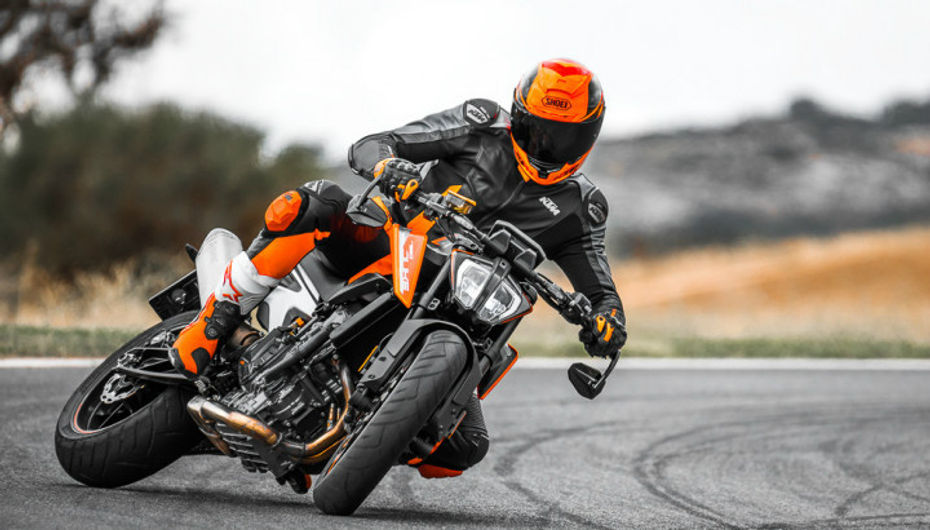
When we’re on the throttle, the engine is sending positive torque to the rear wheel through the clutch and transmission, producing an accelerating effect. And when we’re off the throttle, the engine is sending negative torque to the rear wheel, creating a braking effect. This braking effect is called engine braking, since it is the engine that is producing a retarding effect on the rear wheel. It is also directly proportional to engine RPM, and if applied suddenly, can cause the rear wheel to momentarily lock up.
This is why banging down multiple gears and suddenly releasing the clutch lever can result in a loose back-end. There are some ways to mitigate this manually, such as rev matching, which is explained somewhere in this article. But the easiest way to prevent a rear wheel lock up from engine braking is to implement a slipper clutch.
Slipper Clutches

Now that you know the why, let’s also tell you the how. Without getting into the nitty gritty technical construction of clutches, we can tell you that a slipper clutch uses ‘ramps’ to drive apart from the clutch plates when the negative torque exceeds a certain threshold. This means if you happen to downshift one gear too many and/or throw out the clutch lever suddenly and this threshold is exceeded, the clutch plates will partially disengage and ‘slip’, limiting the negative torque that is actually sent to the rear wheel and therefore, also preventing a lock up.


Can You Downshift Without The Clutch?
Shifting Gears Without The Clutch?
Hands Off The Wheel, No, Handlebars
Kawasaki Z Range Gets New Shades For 2027
5 Yamaha Bikes We Wished Yamaha Launched In India
Upcoming Royal Enfield Himalayan 440 Spotted Again
All-New Bajaj Pulsar 125: Top Likes & Dislikes
Upcoming Triumph Bonneville 400 Spied Again
Upcoming Bajaj Pulsar NS400Z & NS200 To Get Smarter: Spotted At A...
BREAKING: Royal Enfield Classic 350 Gets A New Shade
India's largest automotive community
Honda QC3
₹ 1.35 Lakh
Honda CB500
₹ 2.75 Lakh
BGauss C12 MaxR
₹ 1.60 Lakh
Royal Enfield Himalayan 440
₹ 2.30 Lakh
Simple Wave
₹ 1.10 Lakh