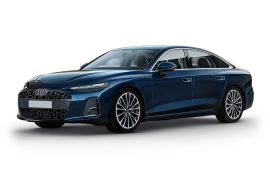

2019 Audi A6 First Look Review, Price, Features, Interiors & More
- Oct 30, 2019
- Views : 10258



 Follow us

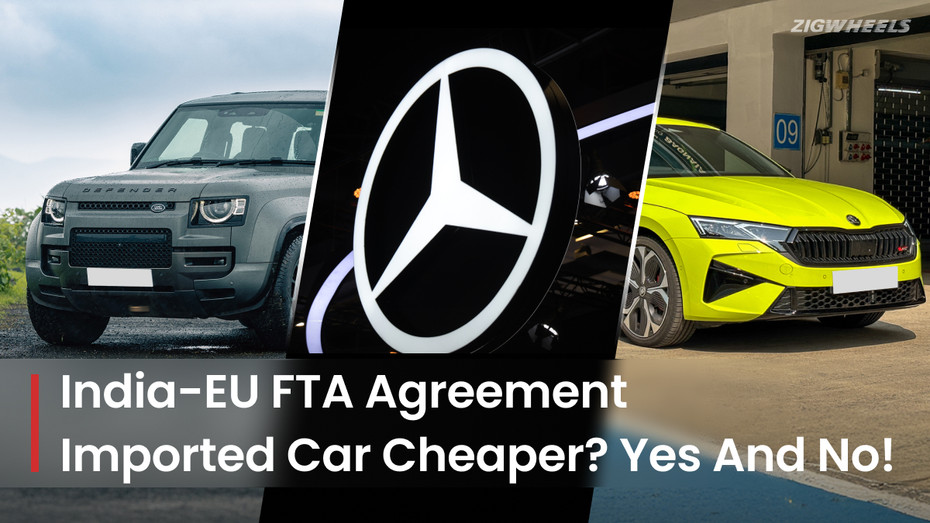
India and the European Union have concluded a Free Trade Agreement that will, over time, reduce import duties on fully imported vehicles from 110 percent to as low as 10 percent, under a fixed annual quota.
While the immediate reaction has been excitement around cheaper imported cars, that’s only scratching the surface. The bigger story is how this agreement could reshape the quality, technology, and expectations for both four-wheelers and two-wheelers sold in India over the long term.
Under the India–EU FTA, import tariffs on fully built vehicles will not be slashed overnight. The agreement still needs to pass through legal processes, parliamentary ratification and regulatory clearances on both sides. Only after that will tariff reductions begin, and even then, they will be phased in. Initial reductions are expected to bring duties down to around 40 percent, followed by further reductions over time, potentially reaching 10 percent. This entire process is expected to take at least a year or two before any tangible impact is seen in showrooms.
In short, this is a gradual transition, not an overnight reset.
The benefit applies strictly to vehicles that are imported into India as Completely Built Units, or CBUs, cars that are fully manufactured and assembled outside India before being shipped here. This distinction is important because it immediately rules out a large number of cars that many buyers assume will become cheaper.
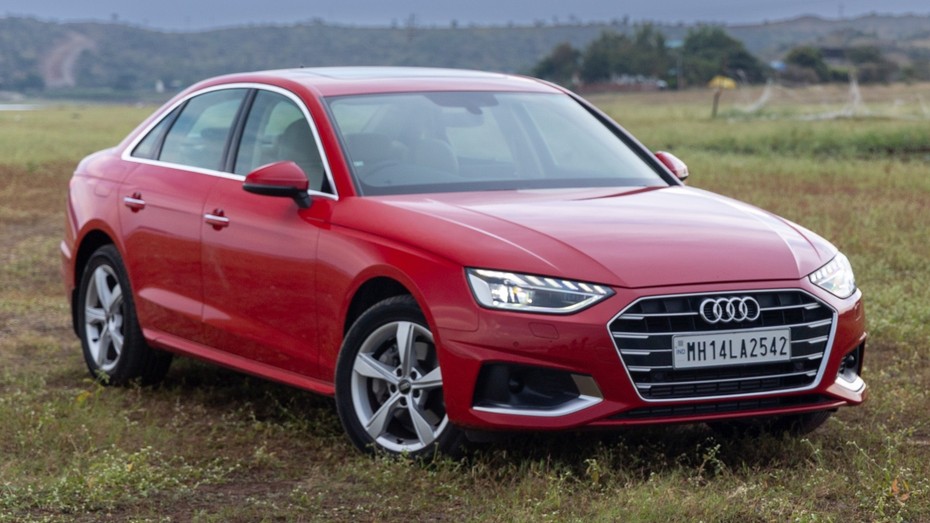
Most luxury cars sold in India today, from brands like Mercedes-Benz, BMW and Audi, are locally assembled in India using CKD kits. As a result, their high-volume models such as the C-Class, E-Class, 3 Series, X5, A4 and Q5 will not see any direct price benefit from this agreement.
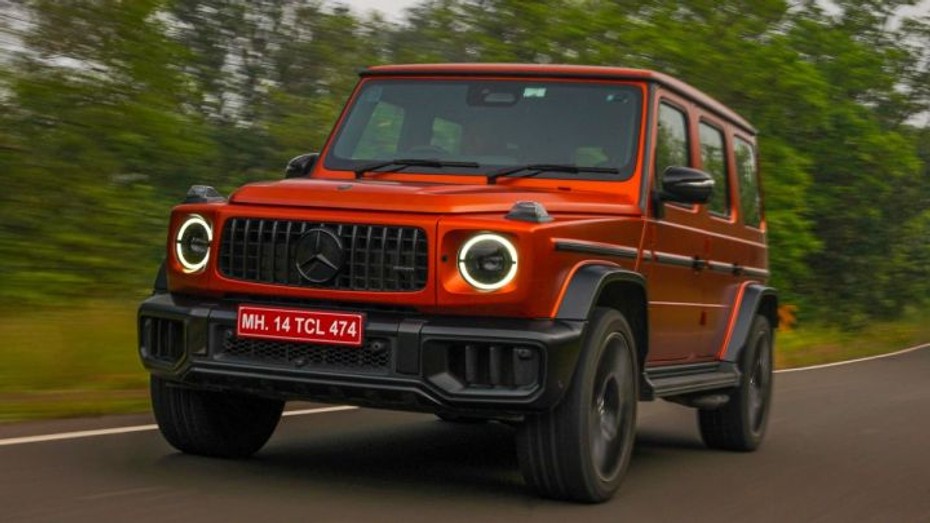
The most immediate beneficiaries will be performance-oriented and halo models that are typically imported in fully built form. Cars like the BMW M3, Mercedes-AMG G 63, Audi RS 5 and Porsche 911 are already niche, low-volume products, and the high import duty has been a major reason why they carry eye-watering price tags. Lower duties won’t make them affordable in the conventional sense, but they will bring pricing closer to what these cars actually cost globally.
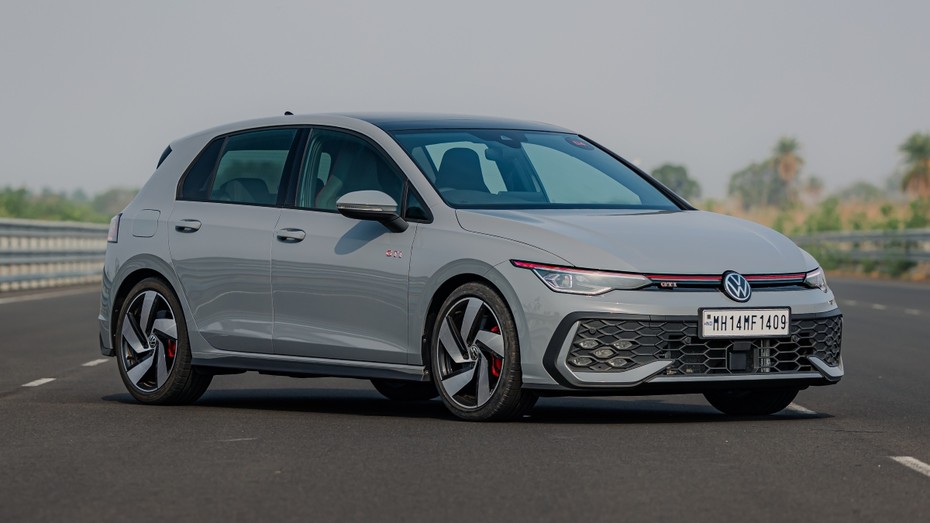
Another interesting segment is enthusiast-oriented cars that were earlier considered too expensive to justify importing into India. Models such as the Volkswagen Golf GTI and Skoda Octavia RS fall into this category. With import duties easing, manufacturers can price these cars more aggressively and test demand without taking on disproportionate financial risk. This could mean more niche, enthusiast-friendly products finally making it to Indian roads.
On paper, the numbers look dramatic. A fully imported car priced at around Rs 1 crore ex-showroom today could theoretically drop to roughly Rs 66 lakh if duties fall to 40 percent. If duties eventually reach 10 percent, that number could further drop to the Rs 50–52 lakh range.

However, real-world pricing is rarely that straightforward. Manufacturers have to factor in currency fluctuations, brand positioning, market perception and margins. There is also the possibility of additional cess or pricing adjustments that may absorb part of the tariff benefit. So while meaningful reductions are likely, expecting luxury cars to suddenly be priced like mass-market offerings would be unrealistic.
While CBUs dominate headlines, they will always remain low-volume products in India. The more important change lies in something less flashy but far more influential: auto parts and components.
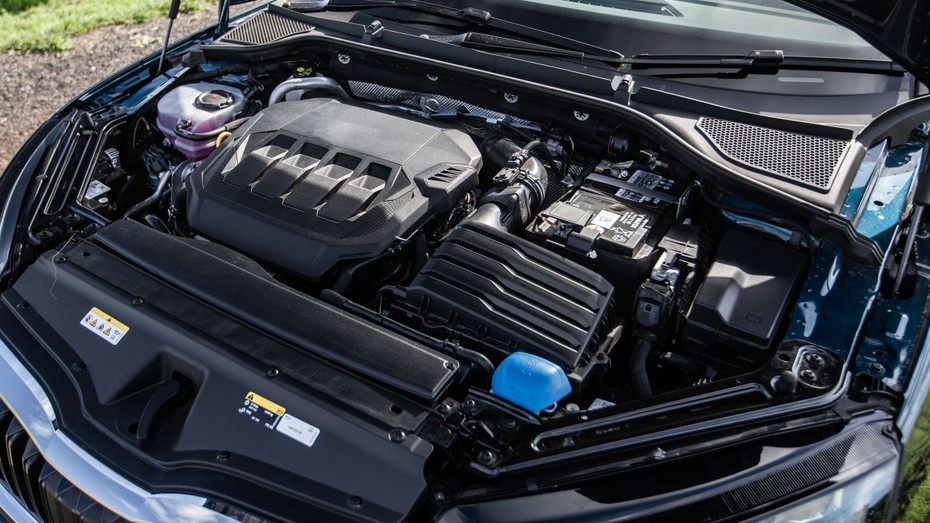
The agreement outlines the intent to eliminate tariffs on automotive parts and components over a period of five to ten years. This has far-reaching implications. Cheaper access to European braking systems, electronics, sensors, materials and manufacturing technology will allow carmakers operating in India to improve quality across the board. Over time, this translates to safer cars, better ride and handling, improved refinement and more reliable electronics—even in vehicles manufactured locally.
Electric vehicles may emerge as some of the biggest winners from this agreement. European EVs today are often priced out of reach due to high import duties, limiting choice in the premium EV segment. Lower tariffs will make importing such EVs more viable, but the bigger gain comes from component access.
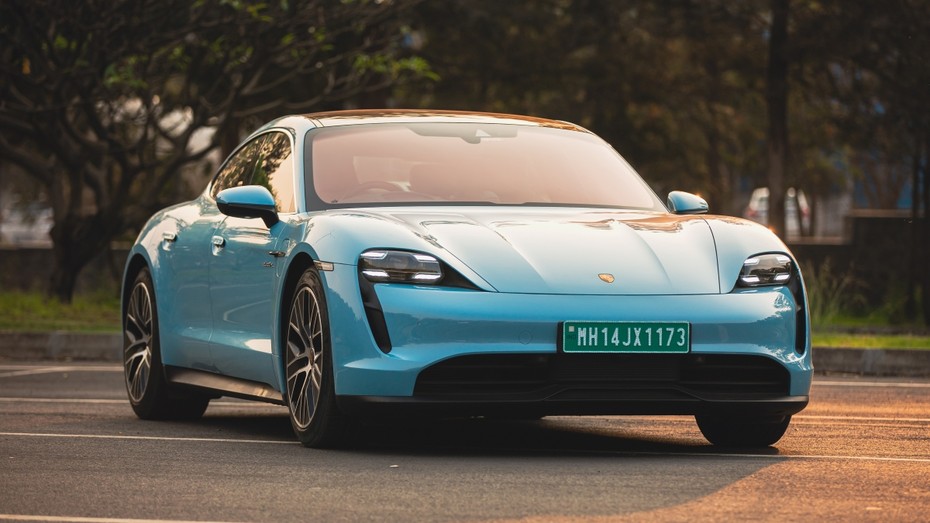
As battery systems, motors, power electronics and software become easier and cheaper to source, EVs manufactured or assembled in India stand to become more mature and reliable. This reduces the need for compromise-driven, cut-down platforms and allows manufacturers to bring closer-to-global-spec EVs to Indian buyers.
The India–EU FTA also has implications for two-wheelers, especially in the premium and performance segments. Fully imported motorcycles from brands like BMW Motorrad, Ducati, KTM and select Triumph models could benefit from more rational pricing over time. While they will remain premium offerings, reduced duties could make them more accessible to enthusiasts.
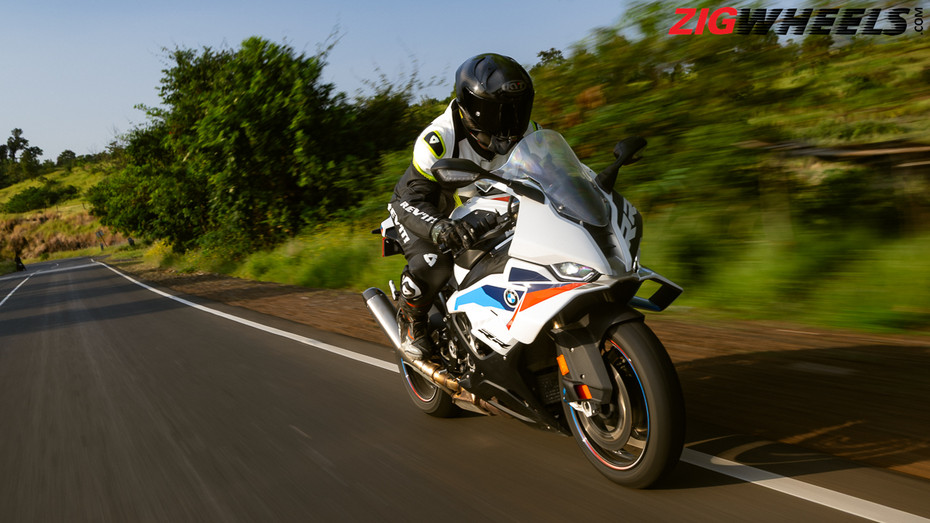
Beyond complete motorcycles, the component story plays an even bigger role here. Access to European suspension systems, braking hardware and electronic rider aids could significantly improve the quality and performance of premium and electric two-wheelers manufactured in India. As Indian two-wheelers move up the value chain, this technology transfer becomes increasingly important.
The agreement has been designed to avoid sudden shocks to the domestic industry. With a quota of 250,000 imported vehicles per year and gradual tariff reductions, Indian manufacturers are given sufficient time to adapt. Rather than disruption, what this creates is healthy pressure, forcing brands to improve quality, safety and technology to stay competitive.
From a consumer’s perspective, that pressure is a good thing.
This agreement is not about making cars cheap. It’s about making better cars necessary.
While some imported cars will indeed become more attainable, the real benefit lies in raised standards across the market. Over time, buyers can expect better-built vehicles, fewer compromises on global specifications, more mature EVs and stronger safety benchmarks across both two-wheelers and four-wheelers.
The India–EU FTA doesn’t make excuses cheaper. It makes them harder to justify.
And that’s exactly how a market grows up.
What do you think about this move? Let us know in the comments below!


2019 Audi A6 First Look Review, Price, Features, Interiors & More
New-gen Audi A6 Avant Revealed Globally, Features Bold and Menacing...
Audi A6 e-tron Makes Global Debut As Its Newest EV Entrant To The...
The All-electric Audi A6 e-tron Avant Is An Estate That Doesn’t...
Facelifted Audi A6 Makes It Spy Shot Debut
Play Video Games Using The Audi A6 e-tron Concept’s LED Headlamps!
Top 5 Car News Of The Week: 2019 Audi A6 Launched, 2019 Tokyo Motor...
2019 Audi A6 India Launch The New And Improved Sedan In Detailed...
The New Audi A6 Comes To India Priced At Rs 54.20 Lakh
Toyota Camry
Mercedes-Benz E-Class
BMW 5 Series
Mercedes-Benz C-Class
BMW 3 Series
India's largest automotive community
Audi Q3
Audi A4
Audi Q7
Audi Q5
Audi Q8
Maruti Suzuki Dzire
Hyundai Verna
Hyundai Aura
Volkswagen Virtus
Toyota Camry
Mahindra Thar 3-door Facelift
Rs. 10.50 Lakh
Skoda Superb 2026
Rs. 50.00 Lakh
Skoda Slavia Facelift
Rs. 11.99 Lakh
Tata Aeris
Rs. 6.00 Lakh
Honda Elevate Facelift
Rs. 11.91 Lakh