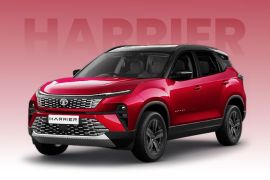

Tata Harrier And Safari Now Launched With A Petrol Engine! Prices...
- Jan 7, 2026
- Views : 2390



 Follow us

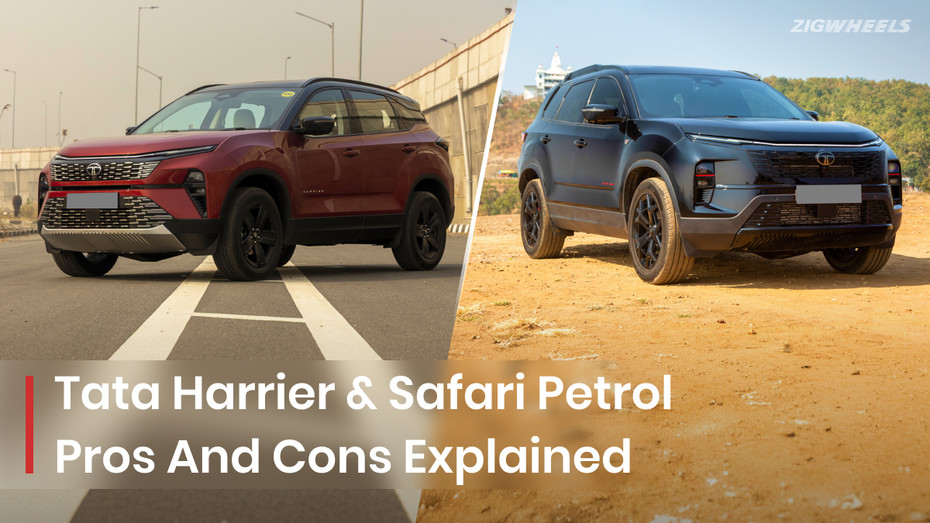
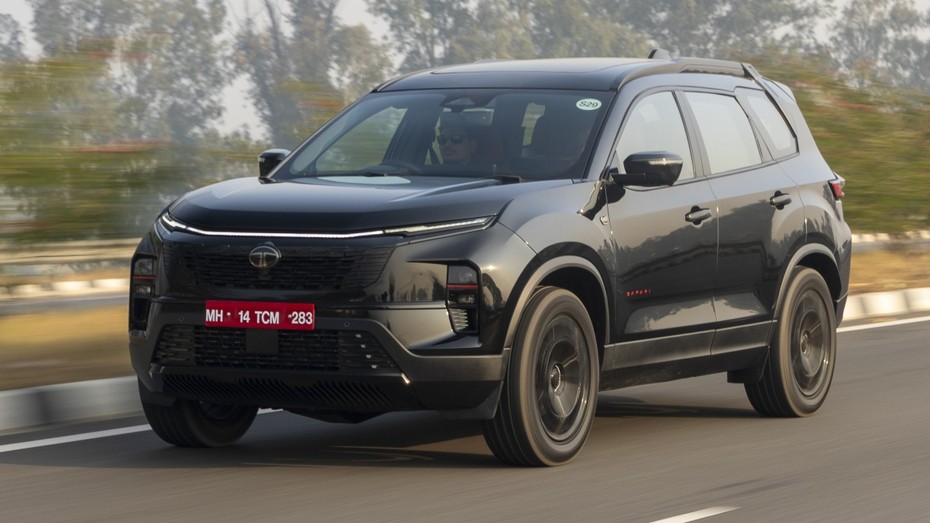
With the new turbo-petrol powertrain, Tata has given the Harrier and Safari a fresh dimension beyond their long-standing diesel identity. Sourced from the new Sierra, this 1.5-litre turbo petrol engine brings stronger performance, better refinement, and a more premium feature experience, especially on higher trims. At the same time, it also brings in a few compromises that serious buyers should factor in.
|
Engine |
1.5-litre turbo-petrol |
|
Transmission |
6-speed manual/6-speed torque converter automatic |
|
Power (PS) |
170 PS |
|
Torque (Nm) |
280 Nm |
Here is a breakdown of what works and what doesn't in the petrol-powered Harrier and Safari.
Pros: Refined, Strong, and Effortless At Speed
The new 1.5-litre turbo-petrol makes 170 PS and 280 Nm, which is a lot more potent than the unit in the Sierra and also one of the most powerful petrols in this segment. The power delivery is linear, seamless, with no spikes whatsoever, making it comfortable to drive in the city and relaxed during highway cruising.
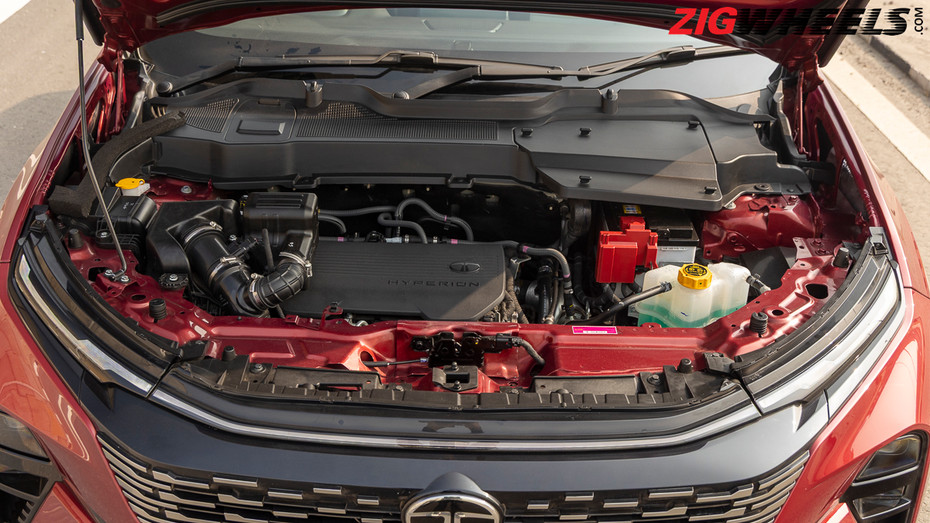
Both Harrier and Safari reach a decent pace quickly and are stable at triple-digit speeds. High-speed composure is reassuring, and Tata claims a top speed of 216 kmph, underlining the performance focus of the engine. The petrol motor feels distinctly quieter than the diesel and a lot more refined, particularly when pushed.
Cons: Paddle Shifters Dilute Driver Engagement
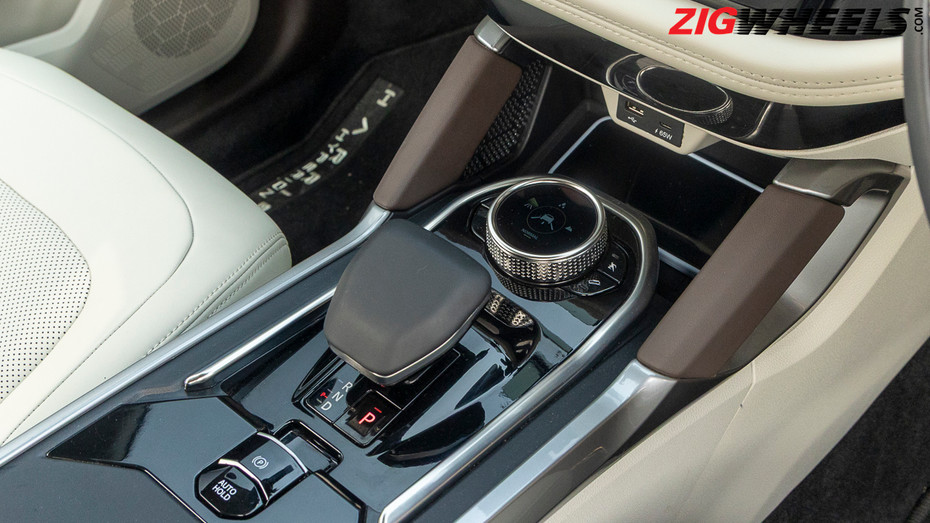
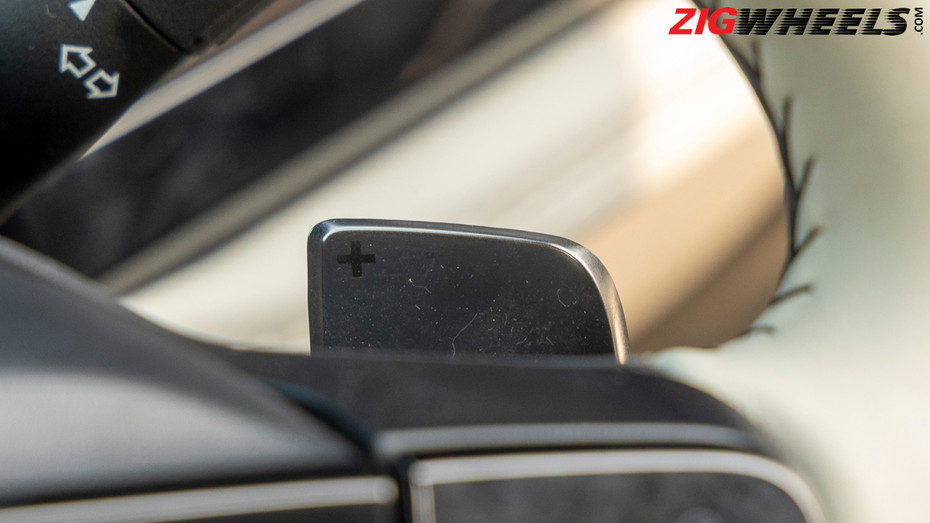
On automatic versions, for example, paddle shifters have an inconsistent feel. The shift responses are delayed, and sometimes the inputs do not even register. This is in direct contrast to a general driving experience that is smooth and only provides limited manual control for enthusiastic drives.
Pros: More Premium Than Before
Of course, the cabin experience has taken a clear step forward. There's the large 14.5-inch touchscreen dominating the dashboard, matched by a digital instrument cluster as well as a digital IRVM that greatly enhances rear visibility (something sorely needed on the Safari).
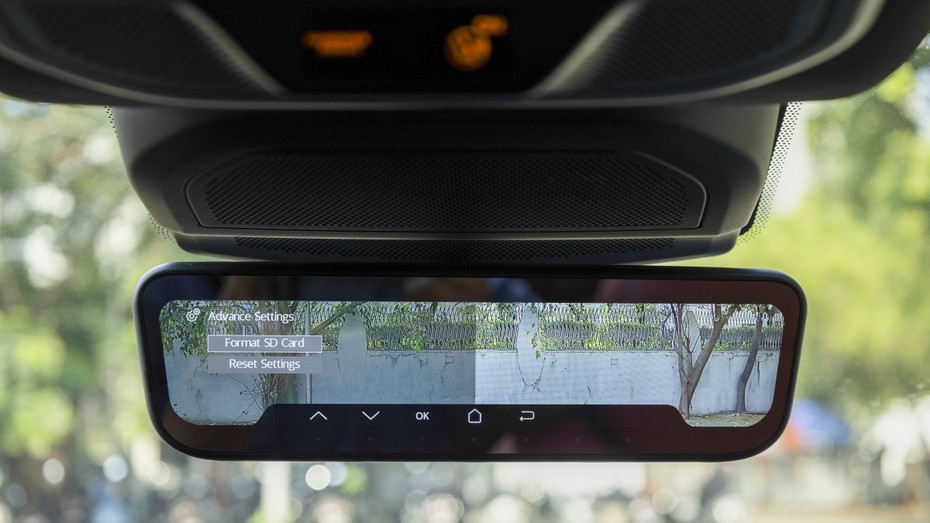
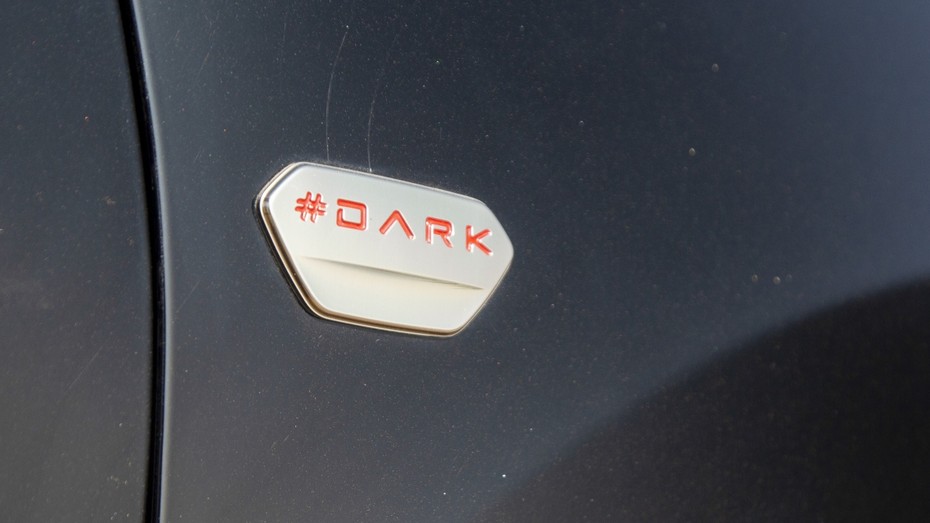
Features like ventilated front seats, ambient lighting, and richer interior finishes enhance the overall feel. The return of the Red Dark edition, along with the new Nitro Crimson exterior colour, adds visual drama and reinforces premium positioning on the petrol variants.
Cons: Touchscreen Responsiveness At Startup
A large infotainment system is great, but at times, it takes a few seconds more to load up and work properly after firing up. However short the lag, it affects usability at quick startups and somewhat lessens the overall high-tech feel inside the cabin.
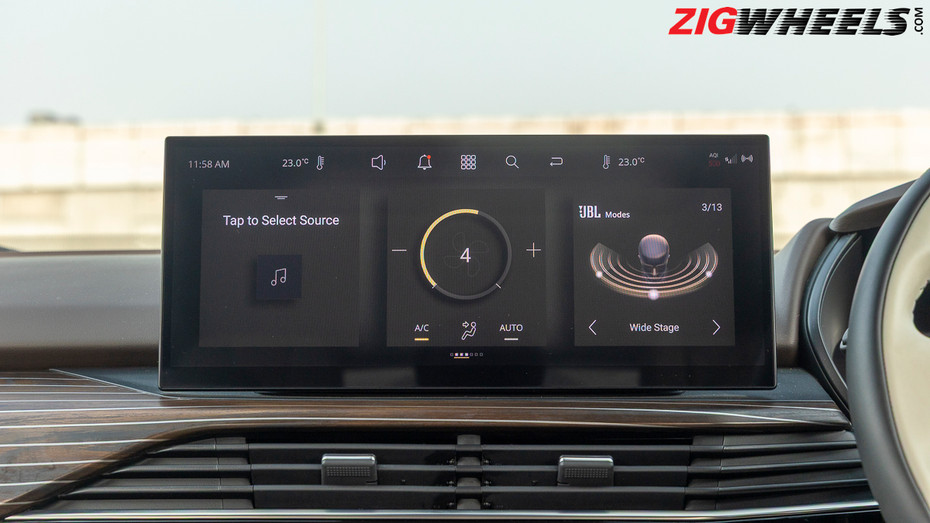
Pros: Segment-Strong On Both Counts
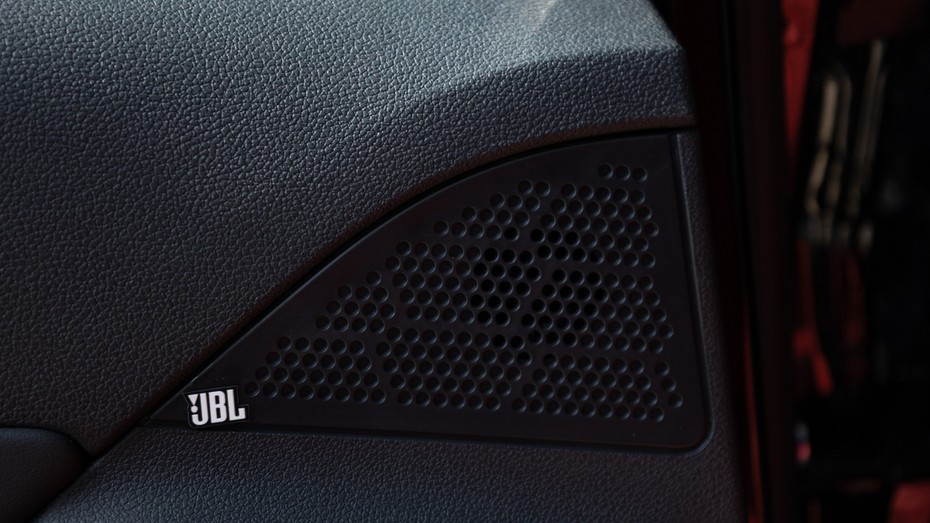
The JBL sound system with Dolby Atmos is one of the best in its segment, boasting crystal-clear surround sound and strong bass response courtesy of its 10-speaker setup.
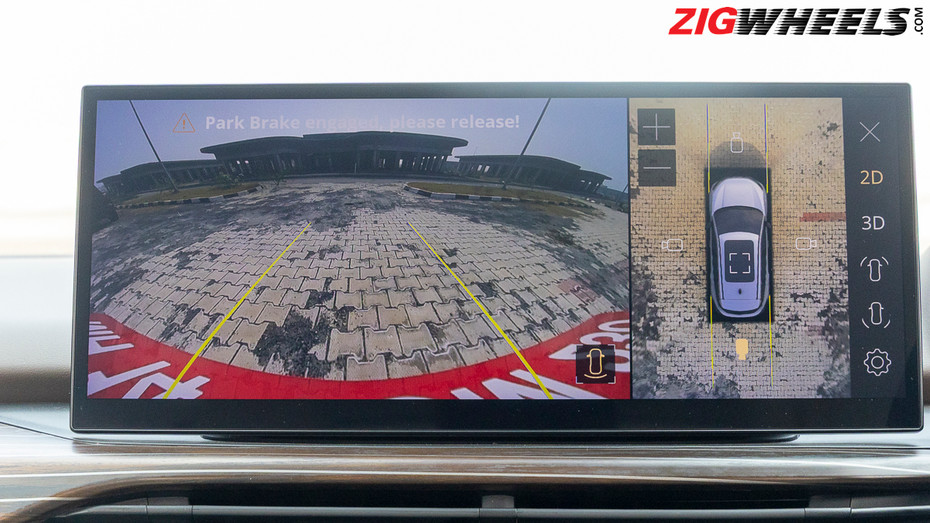
Other practical features like front and rear wiper-washers, a digital IRVM, and connected-car technology add to everyday convenience. Safety-wise, both the Harrier and Safari retain their 5-star Bharat NCAP rating and continue with a comprehensive safety suite to further strengthen Tata's safety credentials.
Cons: Real-World Efficiency Remains A Concern
While the ARAI claimed figures have it pegged at 25 kmpl for the Safari and 25.9 kmpl for the Harrier, our review units never moved above or fell below an 8 kmpl figure, either in the city or on the highway. We are not sure if this is a bug or an actual figure, but if this is indeed a bug, affecting a few units, we're keeping our fingers crossed that Tata irons out this problem before both SUVs arrive at dealerships.
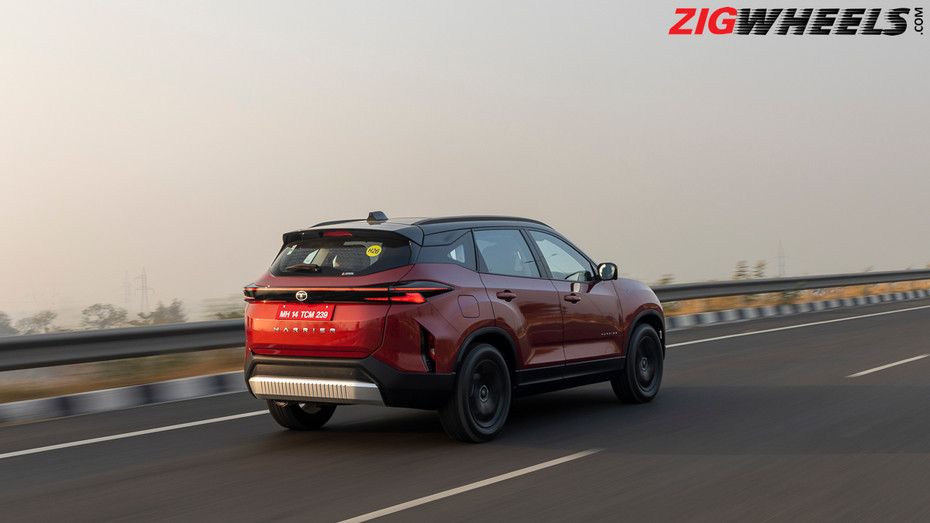
It's in the form of a more refined, quieter, and smoother drive that the petrol-powered Tata Harrier and Safari provide strong performance with excellent high-speed stability, one of the best sound systems in this segment, along with the addition of some new features, a big touchscreen, and digital mirrors, all of which enhance their premium appeal-together with bold Red Dark styling.
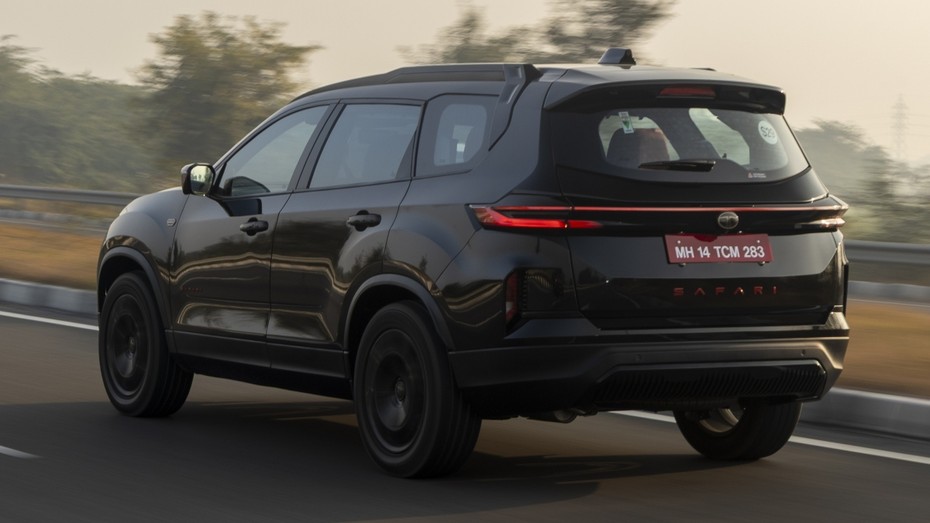
However, inconsistent paddle shifter response, infotainment lag at startup, and low real-world fuel efficiency prevent them from being all-rounders. These petrol SUVs make sense for buyers who value refinement, performance, and features over efficiency. Still, the diesel holds the practical edge.
Would you opt for the smoother petrol experience, or does frugalness of fuel still count more in a mid-size SUV? Let us know in the comments.


Tata Harrier And Safari Now Launched With A Petrol Engine! Prices...
From Sierra to Seltos: Every Car Unveiled and Launched in December...
Tata Harrier And Safari Variant-wise Powertrain Options Explained!...
Tata Harrier And Safari Petrol Revealed; Flagship Tata SUVs Now With...
Tata Harrier And Safari Petrol Launch Date CONFIRMED; Will Get...
Navratri 2025: 5 Cars Under Rs 30 Lakh With The Best Sound System For...
Tata Harrier And Safari Get Feature-loaded Adventure X Variants,...
Tata Harrier To Soon Get Three Engine Choices, Check Out Specs Of The...
The Upcoming Tata Harrier EV Gets These 3 Things Over The Regular...
Tata Safari
Tata Sierra
Mahindra Scorpio N
Hyundai Creta
Kia Seltos
India's largest automotive community
Tata Punch
Tata Sierra
Tata Nexon
Tata Tiago
Tata Punch EV
Maruti Suzuki Brezza
Tata Punch
Maruti Suzuki FRONX
Tata Sierra
Mahindra Thar OG
Skoda Superb 2026
Rs. 50.00 Lakh
Skoda Slavia Facelift
Rs. 11.99 Lakh
Tata Aeris
Rs. 6.00 Lakh
Mercedes-Benz Maybach S-Class Facelift
Rs. 3.00 Crore
Honda Elevate Facelift
Rs. 11.91 Lakh
 The Complete Used Car Inspection Guide: Check Out The Most Essential Steps Of Buying A Used Car
 2026 Mahindra Thar OG Launched At Rs 10.32 Lakh: Here's What's New
 Tata Launches Legend Series And Dark Edition For Sierra: Gets More Luxury And Stealth!
 MG Hector Tomahawk EV Short Review: So Comfortable!
5 Things We Love About The MG Hector Tomahawk EV
MG Hector Tomahawk EV Short Review: So Comfortable!
5 Things We Love About The MG Hector Tomahawk EV