Mahindra Thar Roxx vs Scorpio N: Why Character Still Wins
- Aug 10, 2026
- Views : 12054



 Follow us

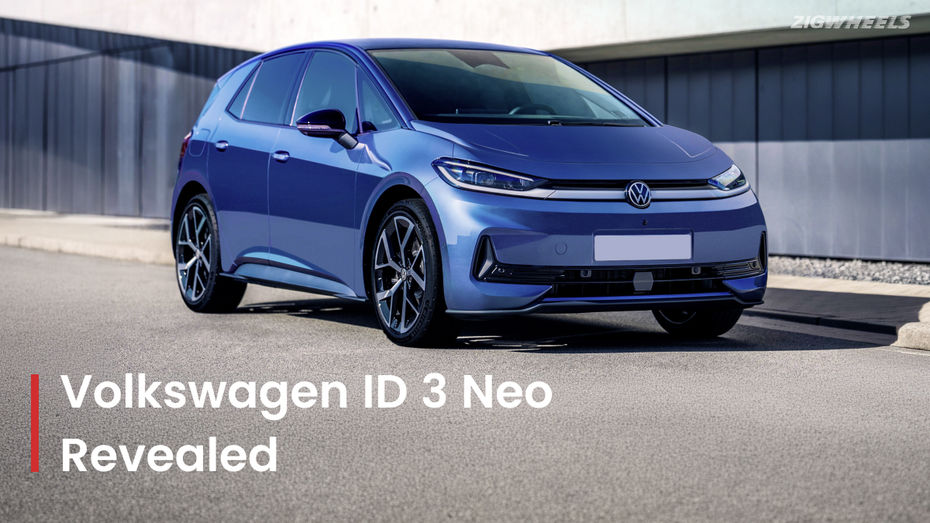
Normally, a facelift is easy to overlook. A slightly sharper headlamp design here, a new alloy wheel design there, maybe a tiny bump in power that you will never actually feel on the road. Most mid-life-cycle updates exist to keep a car relevant amidst the competitive market, not to reinvent it. But the Volkswagen ID.3 Neo does not follow that script. This feels less like a facelift and more like an apology. Here are all the details:
The original ID.3 launched globally was not a bad car. It had decent range, good driving manners and a practical layout. But it had one big issue that kept coming up in every conversation. The cabin was frustrating to use, according to customers and journalists.
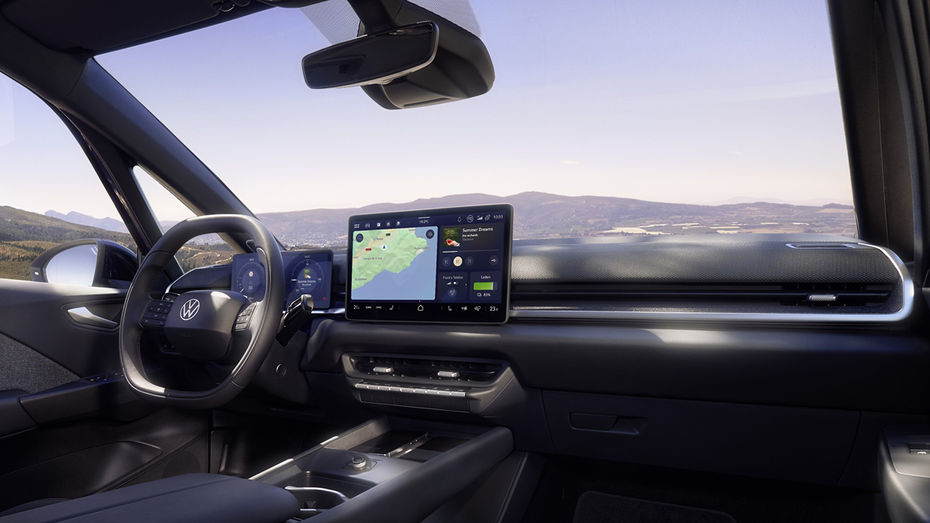
Touch sliders for volume and temperature that weren’t even backlit. Touch-sensitive buttons on the steering wheel that accidentally responded when you didn’t want them to. A confusing window control setup that made you think twice before lowering the rear glass (Volvo EX 30, you listening?). It felt like technology for the sake of it. Sadly some of it even made it to Volkswagen’s current India lineup.
With the ID.3 Neo, that approach appears to have been reconsidered. The steering wheel now gets proper physical buttons. You press them, they respond. No guesswork, no accidental inputs. The climate controls are easier to operate, with physical toggles replacing the old touch sliders. There is even a proper volume knob, which feels like a small but very important win.
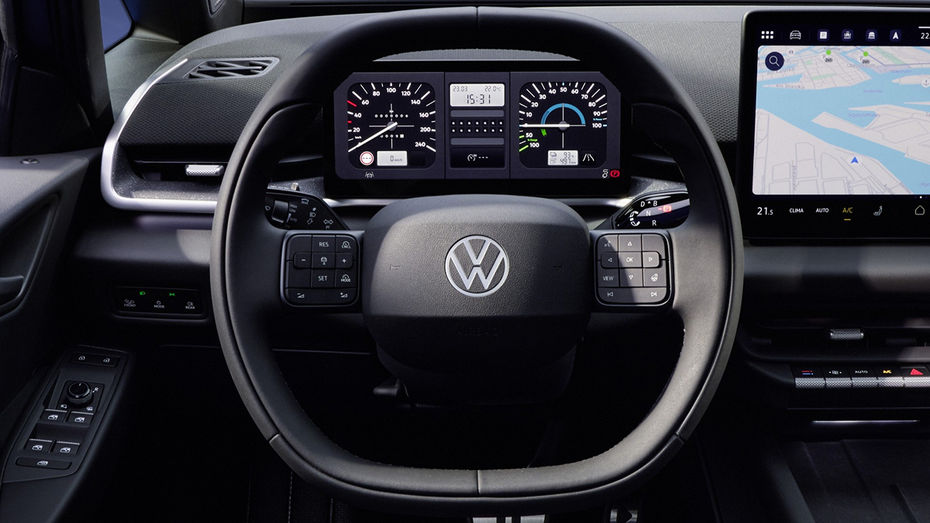
And yes, the window switches. You now get four of them, like a normal car. It sounds basic, but it changes everything about how the cabin feels to use.
Physical controls are easier to use when you are driving. They require less attention, less distraction and less effort to operate. In a car, especially one that is meant to be used daily, that matters far more than a flashy interface.
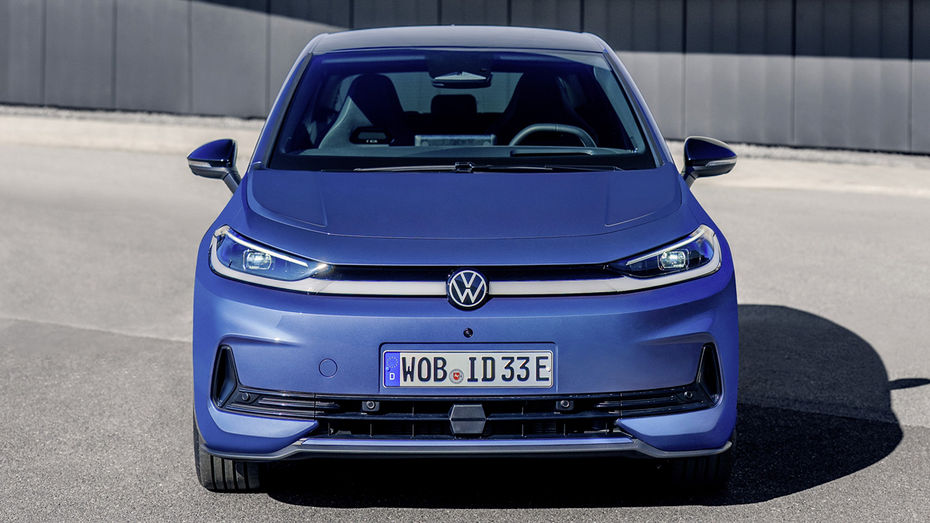
Volkswagen seems to have realised that usability cannot be sacrificed in the name of minimalism.
The new ID.3 Neo is not just about buttons, of course. Material quality is said to have improved, with better plastics and a more solid feel across the cabin. The digital displays are larger and more informative, and the touchscreen is expected to be more responsive.
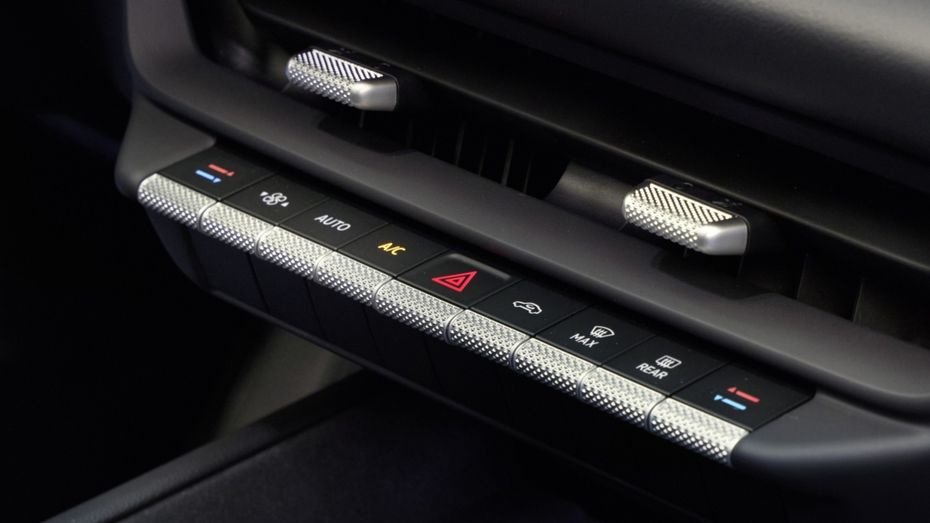
Range has also gone up, with the larger battery claimed to deliver up to around 630km. Charging speeds and driver assistance systems are expected to be improved as well. But even with all these upgrades, it is the return of physical controls that stands out the most.
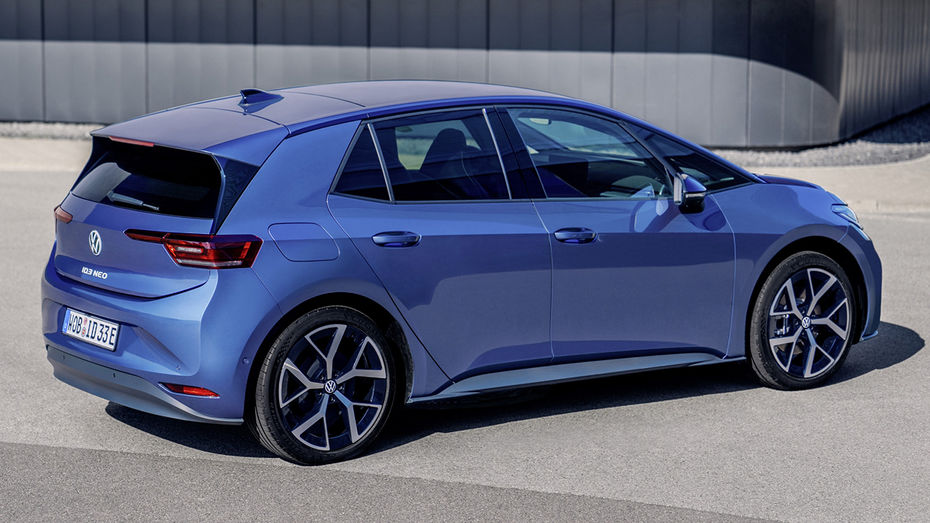
The Volkswagen ID.3 Neo feels like Volkswagen has taken the feedback well.
The return of physical buttons may sound like a small change, but it addresses one of the biggest usability issues in modern cars. If the claimed improvements hold true, this should make the ID.3 easier to live with, less distracting to operate and far more intuitive overall, which should translate to their India lineup as well.
It is not often that going back to basics feels like progress. But in this case, it absolutely does!


Mahindra Thar Roxx vs Scorpio N: Why Character Still Wins
2026 Maruti Brezza LAUNCHED! Updated SUV With Design Tweaks,...
2026 Toyota Hilux LAUNCHED! The Next-Gen Iconic Pickup Truck Now In...
Maruti Brezza Prices Start At Just Rs 7.40 Lakh: Find Out Full...
Mahindra Scorpio Lifestyler Unveiled: Mahindra Returns to Lifestyle...
Maruti Brezza Facelift Scores 5-Stars in BNCAP: Is This The Safest...
Check Out The 2026 Maruti Suzuki Brezza Facelift Explained In 17...
2026 Skoda Slavia Facelift Unveiled, Now Comes With Rear Massage...
2026 Mahindra Scorpio N Facelift Launched With Minor Styling Upgrades...
2026 Maruti Suzuki Baleno Facelift Launched At Rs 6.1 Lakh Onwards
India's largest automotive community
BMW i7
₹ 1.95 Crore
BMW 7 Series
₹ 1.95 Crore
BMW i5 LWB
₹ 79.60 Lakh
Maruti Suzuki Baleno
₹ 5.99 Lakh
Kia Sorento
₹ 27.99 Lakh
Mahindra Thar 3 door Facelift
Rs. 10.50 Lakh
Skoda Superb 2026
Rs. 50.00 Lakh
Skoda Slavia Facelift
Rs. 11.99 Lakh
Honda Elevate Facelift
Rs. 11.91 Lakh
Volvo EX90
Rs. 1.20 Crore
 Here Are Five Things We Loved About The BMW i5 LWB!
 BMW i5 LWB First Drive Review: Does Going Electric Cost The 5 Series Its Soul?
 2026 Mahindra XUV 7XO Scores A Perfect 5 Stars In BNCAP Crash Tests, More Points Than The Tata Safari!
 Hyundai Bayon Upcoming SUV Confirmed: To Rival Even Its Bigger Brother, Creta
2026 Mercedes-Benz GLC Electric Launch Confirmed! Bookings Open On…
Hyundai Bayon Upcoming SUV Confirmed: To Rival Even Its Bigger Brother, Creta
2026 Mercedes-Benz GLC Electric Launch Confirmed! Bookings Open On…