

Mahindra Bolero Classic | Not A Review!
- Sep 28, 2021
- Views : 18517



 Follow us


Mahindra’s iconic workhorses, the Bolero and Bolero Neo, have received model year 2025 updates, bringing fresh styling, additional features, and lower price tags to both these SUVs. However, these two versions of the Bolero have plenty of differences, thereby catering to different sets of audiences. Which one suits your needs and requirements better? Let’s find out…
So in this article, we break down how the Bolero and Bolero Neo stack up against each other in terms of pricing, exterior, interior, features, and powertrain to help you decide which one makes more sense for your needs.
Prices for the Bolero range from Rs 7.99 lakh to Rs 9.69 lakh (ex-showroom), while the Neo iteration starts from Rs 8.49 lakh and goes all the way up to Rs 9.99 lakh. So in terms of pricing, there is hardly anything separating the two, with the top-spec variant of the Neo being only Rs 30,000 more expensive than that of the standard Bolero.
|
Bolero |
Bolero Neo |
||
|
Variant |
Price |
Variant |
Price |
|
B4 |
Rs 7.99 lakh |
N4 |
Rs 8.49 lakh |
|
B6 |
Rs 8.69 lakh |
N8 |
Rs 9.29 lakh |
|
B6(O) |
Rs 9.09 lakh |
N10* |
Rs 9.79 lakh |
|
B8 |
Rs 9.69 lakh |
N11 |
Rs 9.99 lakh |
*Also available with optional mechanical-locking differential for extra cost
All prices ex-showroom pan-India
What’s the same and what’s different for similar pricing? Let’s find out…
While the Bolero and Bolero Neo share similar DNA, their design languages are a bit different. The Mahindra Bolero Neo has a slight urban SUV appeal, while the standard version is a more traditional utility SUV.
The Bolero Neo facelift carries forward the same boxy stance but adds a dash of freshness with new chrome grille inserts, a silver-finished faux skid plate, and dark metallic grey 16-inch alloy wheels. The addition of a black roof enhances its sporty vibe, while the body-coloured spare wheel cover ties the design together more neatly.
New Jeans Blue and Concrete Grey paint options add variety to its already broad palette that includes Napoli Black, Pearl White, Diamond White, Rocky Beige, and DSAT Silver.
The Neo’s overall appearance remains muscular and urban-friendly, ideal for those who want a rugged SUV that doesn’t look too old-school.
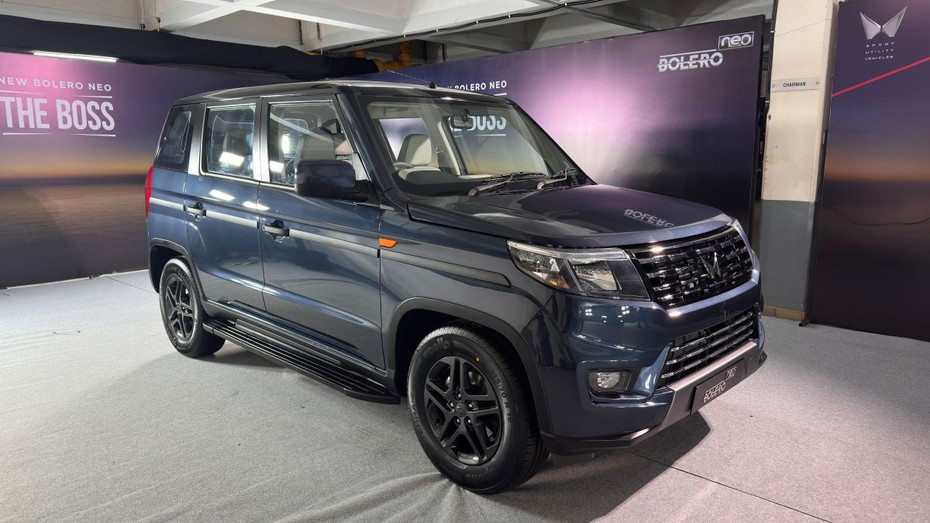
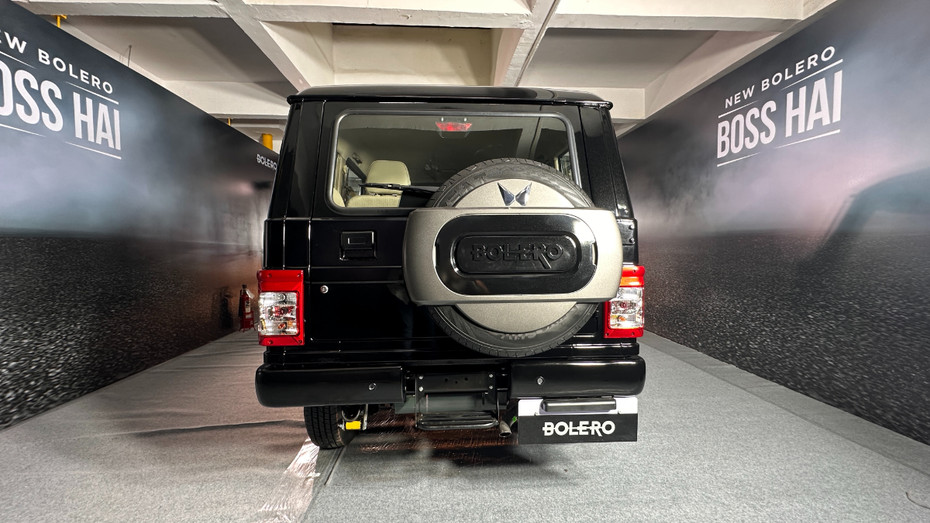
The Bolero facelift, on the other hand, sticks to its roots. Its design remains simple and functional, with a robust body-on-frame stance and minimal frills. The key exterior updates include a revised front grille with Mahindra’s Twin Peaks logo, new 15-inch diamond-cut alloys, and fog lamps for better practicality.
Mahindra has also introduced a Stealth Black paint option alongside existing colours like DSAT Silver, Rocky Beige, and Diamond White. The dapper-looking Stealth black hue clearly gives the Bolero a different identity.
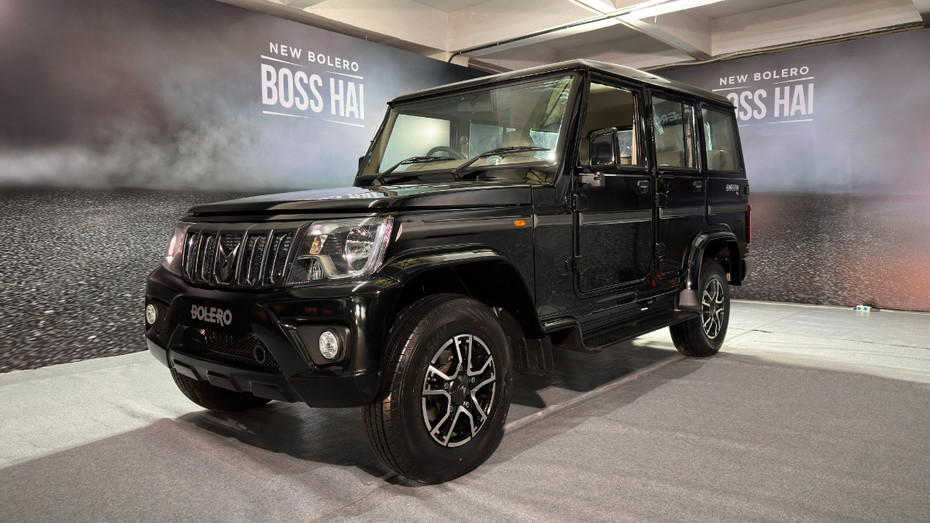
Overall, both SUVs get minimal yet interesting updates and carry forward their overall design language.
The Bolero and Bolero Neo both get some new features inside, but it is the Neo that now gets a more premium interior.
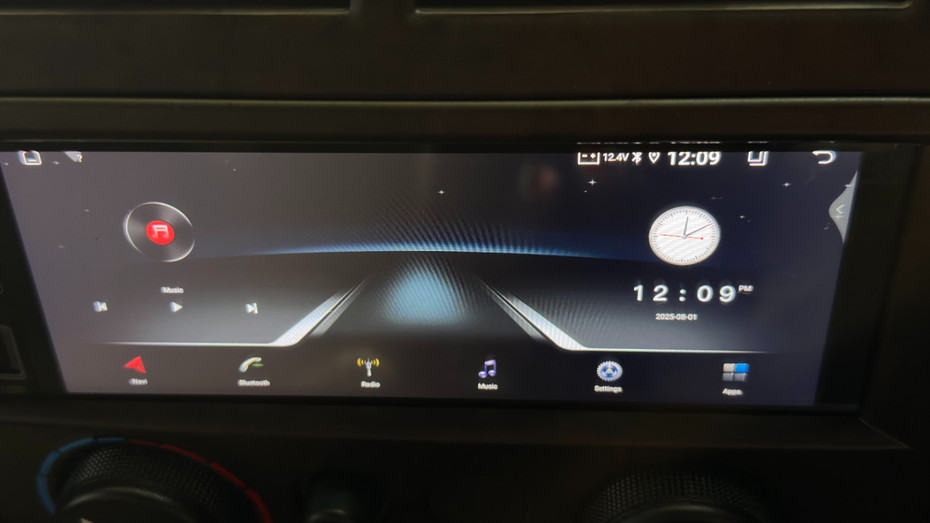
In the Bolero Neo, you now get a 9-inch infotainment, while the standard Bolero comes with a 7-inch unit. The good thing is that both versions now get leatherette seats for a more premium feel.
The Bolero Neo can be had in either a Mocha Brown or Lunar Grey interior theme, while the Bolero does not get these options. Mahindra has worked on the storage spaces in both the SUVs, and you also get Type C charging ports for enhanced practicality.
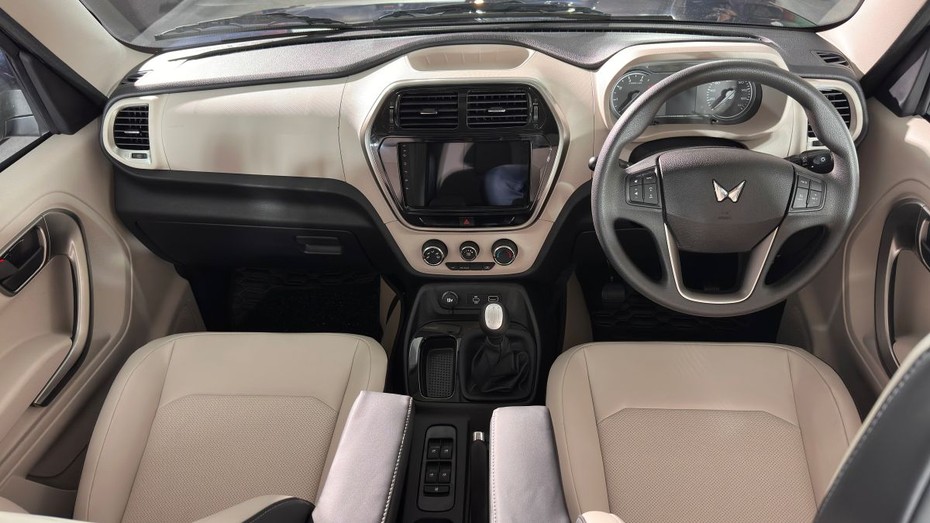
Overall, the Bolero’s cabin looks a bit dated, but it feels like it is built for durability more than luxury. The Neo’s interior makes it a bit easier to live with the SUV daily, with a more modern-looking cabin and a more premium feel.
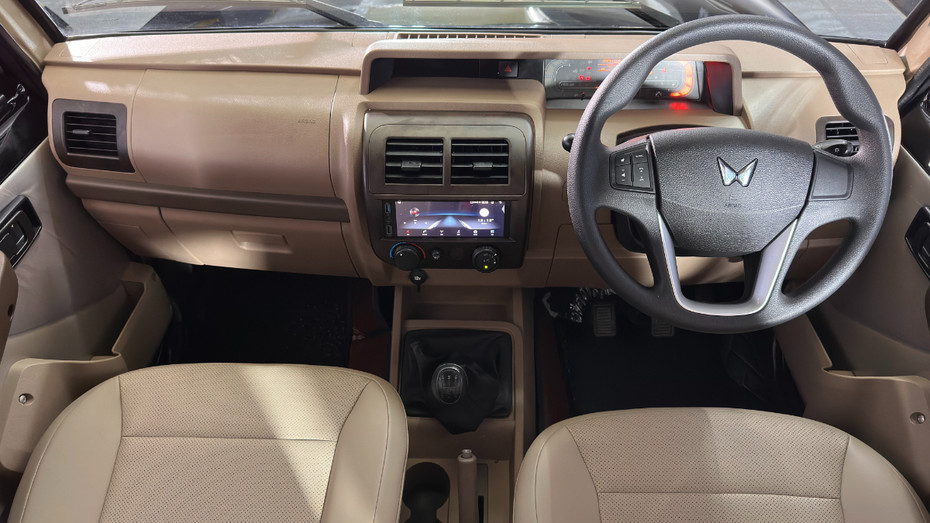
The Bolero Neo gets a few extras over the standard Bolero, thereby increasing its value proposition. For starters, it gets a larger infotainment system and a reverse parking camera as well, which makes a big difference while parking the SUV. In the standard Bolero, you only have rear parking sensors.
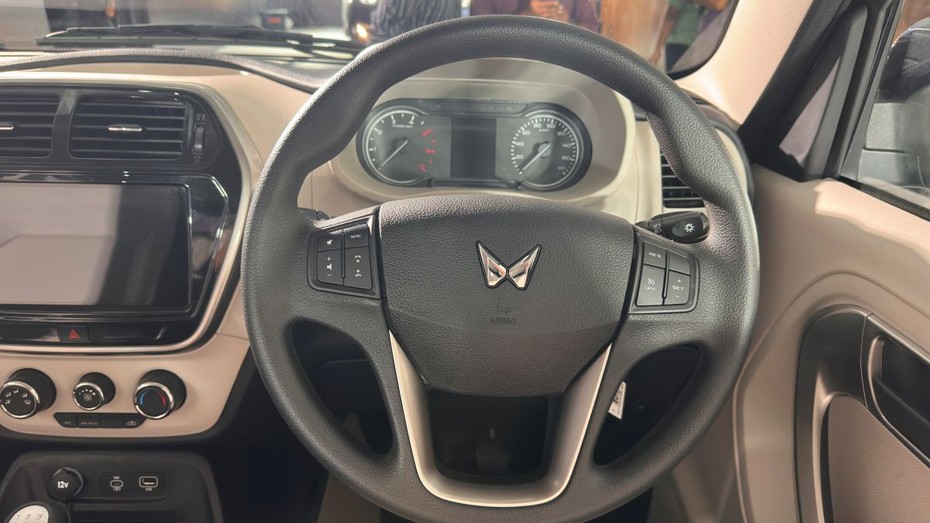
Both SUVs get new USB Type-C charging ports, while the Bolero Neo also gets follow-me-home headlamps and electrically adjustable ORVMs. Mahindra also offers cruise control with the Bolero Neo. Steering-mounted audio controls are offered with both of these SUVs.
Both SUVs get dual front airbags, ABS with EBD, and seatbelt reminders.
Under the hood, both the Mahindra Bolero and Bolero Neo continue with tried-and-tested diesel powertrains paired to a 5-speed manual gearbox and rear-wheel drive setup. However, the similarities end there. The Bolero Neo is powered by a 1.5-litre three-cylinder diesel engine that produces 100 PS and 260 Nm of torque, making it the more powerful and refined option of the two. This engine should feel livelier in city traffic and far more confident during highway cruising.
|
Bolero |
Bolero Neo |
|
|
Engine |
1.5-litre diesel |
1.5-litre diesel |
|
Transmission |
5-speed manual |
5-speed manual |
|
Power (PS) |
75 PS |
100 PS |
|
Torque (Nm) |
210 Nm |
260 Nm |
In contrast, the standard Bolero uses a slightly detuned version of the same 1.5-litre diesel engine, delivering 75 PS and 210 Nm of torque. While it may lack punch, it should likely return more fuel efficiency. That being said, both engines deliver ample torque, ensuring a strong low-end surge, exactly what you’d expect from a Bolero when tackling inclines, rough roads, or heavy loads.
Both the Mahindra Bolero and Bolero Neo may share the same rugged DNA, but they cater to distinctly different types of buyers. The standard Bolero remains the dependable, no-nonsense veteran, built for those who value simplicity, reliability, and low running costs above all else. It’s perfectly suited for rural users, fleet operators, and anyone seeking a durable workhorse that can handle abuse without complaint.
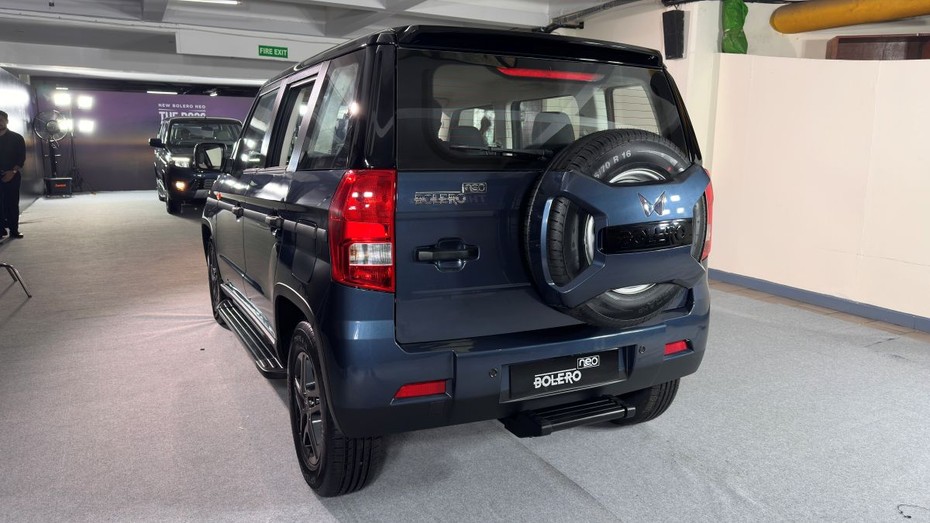
The Bolero Neo, on the other hand, brings a touch of modernity to the nameplate. It feels more refined and versatile, offering a higher level of comfort, better on-road manners, and a more powerful engine, all while retaining that classic, tough character.
The Bolero Neo is like that cousin who moved to a more modern city and is better-dressed, while the classic Bolero is more of a rural explorer. The interesting part is that both the Boleros are similarly priced, and that makes the Bolero Neo a more practical purchase out of the two. It not only looks more polished, but also is better equipped and generates more power.
Which Bolero would you pick? Let us know in the comments section below.


Mahindra Bolero Classic | Not A Review!
Looking For A Family Mover That Doesn’t Break The Bank? Here...
Check Out The Top 5 Updates Made In The 2025 Mahindra Bolero
2025 Mahindra Bolero Launched At Rs 7.99 Lakh! Old School Charm With...
2025 Mahindra Bolero Teased Ahead Of Imminent Launch: Here's...
Check Out The Upcoming Car Launches In India In October 2025
Top 5 Most Affordable Diesel SUVs In India That You Can Still Buy
Check Out 7-seater SUVs Priced Under Rs 30 Lakh That Offer Comfort...
Mahindra To Unveil A New Platform On Independence Day, Here’s...
Mahindra Bolero Neo
Mahindra Scorpio
Mahindra Thar ROXX
Maruti Brezza
Mahindra Bolero Camper
India's largest automotive community
Mahindra Thar OG
Mahindra Scorpio N
Mahindra Scorpio
Mahindra Thar ROXX
Mahindra XUV 3XO
Mahindra Thar OG
Maruti Suzuki Brezza
Tata Punch
Maruti Suzuki FRONX
Tata Sierra
Skoda Superb 2026
Rs. 50.00 Lakh
Skoda Slavia Facelift
Rs. 11.99 Lakh
Tata Aeris
Rs. 6.00 Lakh
Mercedes-Benz Maybach S-Class Facelift
Rs. 3.00 Crore
Honda Elevate Facelift
Rs. 11.91 Lakh
 This Is Bentley’s First Electric SUV: New Torcal Gets 600 Km Range & 888 PS!
 The Complete Used Car Inspection Guide: Check Out The Most Essential Steps Of Buying A Used Car
 2026 Mahindra Thar OG Launched At Rs 10.32 Lakh: Here's What's New
 Tata Launches Legend Series And Dark Edition For Sierra: Gets More Luxury And Stealth!
MG Hector Tomahawk EV Short Review: So Comfortable!
Tata Launches Legend Series And Dark Edition For Sierra: Gets More Luxury And Stealth!
MG Hector Tomahawk EV Short Review: So Comfortable!