Top 5 Things Which Make The Ampere Magnus Neo The Best First Electric...
- Aug 31, 2026
- Views : 21226



 Follow us

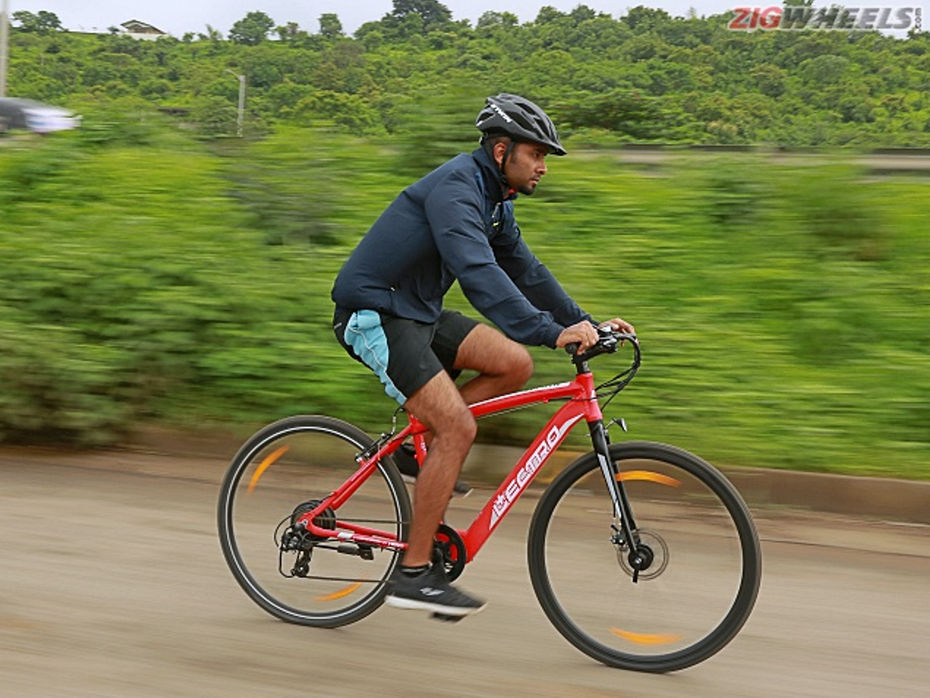
The future is electric. We have been hearing this statement for years, and while this is still open for debate, there’s no doubt that Indians are steadily adopting electric vehicles. This paradigm shift is also accentuated by the Central and State governments’ subsidy schemes to accelerate the adoption of electric vehicles.
While we are seeing the electric scooter and electric bike segments booming, in a parallel space, people are also slowly exploring the various electric cycle options available in India. That said, cycling requires certain support infrastructure in place which is even more important in the case of e-cycles. Hence, here we explore whether India is ready to shift from traditional cycles to electric assist ones.
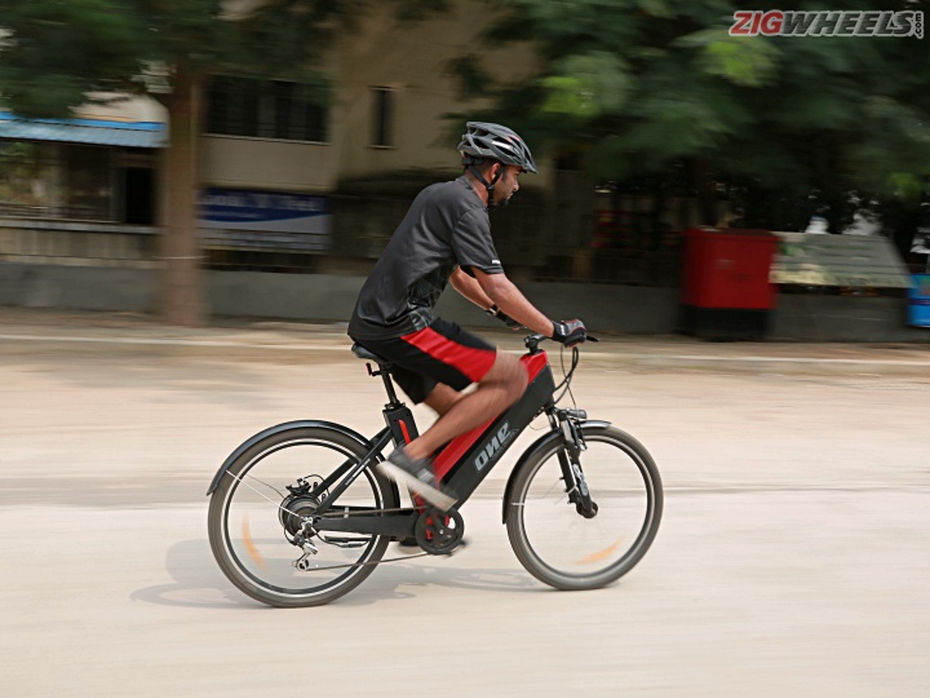
Whether you aim to munch miles on the open road, tackle steep off-road terrain, or glide around town without being soaked in sweat, your reasons to shift to an electric cycle may vary. But what can't be ignored is that e-bikes are quite the rage in today's world with their sophisticated technology and lightweight design. Today, electric bicycles are made keeping user experience in mind, together with the essential need to reduce carbon footprint.
E-cycles feature a battery-powered assist that is delivered either via pedalling or a throttle. As per Indian regulations, the highest speed in electric-only mode is limited to 25kmph. While some countries might have dedicated cycle lanes to ensure optimal safety of all cyclists, such infrastructure is barely incorporated in India, where motorists possess even poorer road sense. Couple this with the fact that 25kmph and pedal power aren’t enough to give you the juice to match other vehicles.
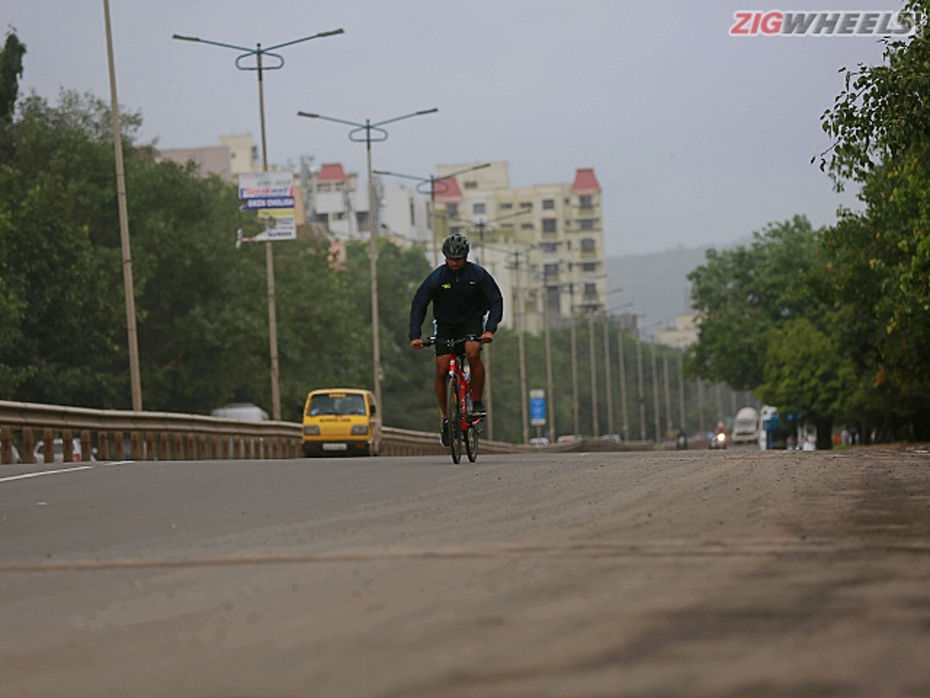
Even if you make your peace with the above fact, the costs of electric cycles in India are going to make it a bitter pill to swallow. Higher input costs have forced the late adoption of electric craze by the Indian cycle manufacturers, while insufficient support from the government for electric cycles has limited the research and development of new products.
Despite this, we have seen some electric cycle manufacturers invest heavily in setting up manufacturing units of export-quality electric cycles. One such example would be Hero E-cycles setting up the Cycle Valley in Ludhiana. Check out our experience of this factory visit here and here’s how a Hero electric cycle is made. Hence, while e-cycle manufacturers are stepping up to bring affordable and quality products to the masses, the question that remains is the feasibility of living with electric cycles on a daily basis in India.
Well, to answer this question, we are introducing two new long termers in the Zig fleet – a Hero Lectro C5x and F1. Stay tuned to this space, as we put these electric cycles through their paces over the course of the next few months.


Top 5 Things Which Make The Ampere Magnus Neo The Best First Electric...
BREAKING: Yamaha R2 Launched In India: KTM RC 200 Rival Is Finally...
Ather Konarc Explained In Detail With Real-Life Images
KTM 490 Duke Spotted Stoppie-ing: India Launch 2027
Ather’s Rizta Now Has A Mini-Me, And It Rocks!
BREAKING: Triumph Bonneville T40 Launched In India; The Baby Bonnie...
Kawasaki Z Range Gets New Shades For 2027
Upcoming Kawasaki Z300 Launch Timeline Revealed
BREAKING: Ather Konarc Launched In India!
Triumph Bonneville T40 vs Royal Enfield Classic 350: Can The New...
India's largest automotive community
Hero Xtreme 250R
₹ 1.98 Lakh
Hero Xtreme 160R 4V
₹ 1.27 Lakh
e-Sprinto G1
₹ 89,999
VLF Strada
₹ 1.20 Lakh
Triumph Bonneville T40
₹ 2.55 Lakh
Hyundai Bayon
Rs. 10.00 Lakh
Mercedes-Benz GLC Electric
Rs. 80.00 Lakh
Mahindra Thar E
Rs. 25.00 Lakh
 BREAKING: Hero Xtreme 250R & Xtreme 160R Get Smarter; Launched With More Tech
 Magnus GMax With Intellipack: The Assurance Of A Safe Family Electric Scooter
 BREAKING: Upcoming BMW F 450 RR Unveiled: The Baby S 1000 RR Is Here
 BREAKING: BSA Gold Star Gets 2 New Colours Ahead Of The Festive Season
Triumph Trident 800 Launched In India? Arrives At Dealerships Before Official Launch
BREAKING: BSA Gold Star Gets 2 New Colours Ahead Of The Festive Season
Triumph Trident 800 Launched In India? Arrives At Dealerships Before Official Launch