Different Types Of Brake Calipers Explained
- Mar 28, 2020
- Views : 16430



 Follow us

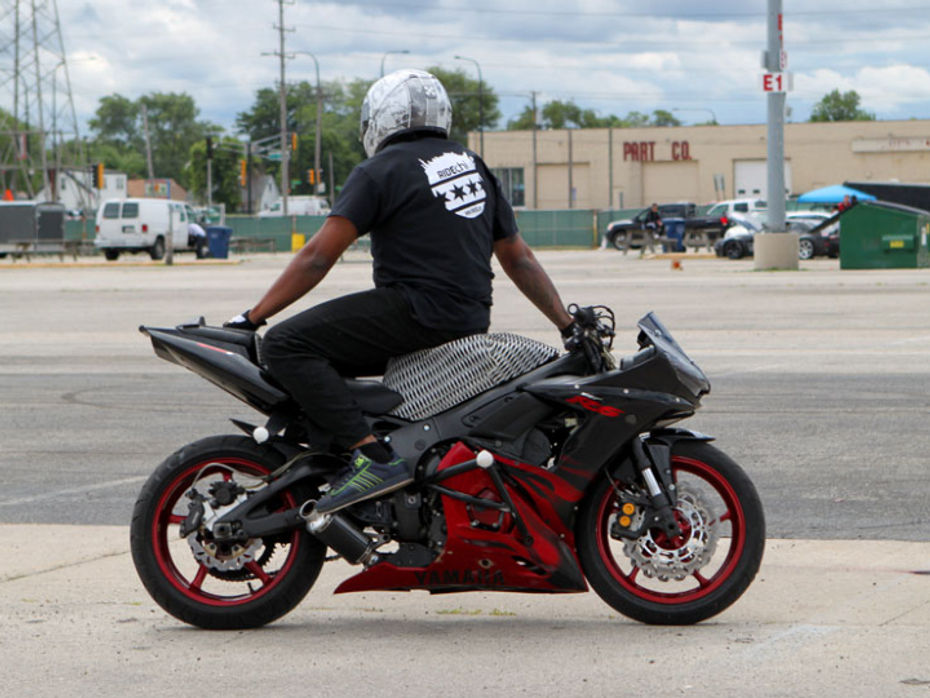
We’ve all found ourselves in such a situation sometime or the other. Perhaps the incline is too steep or the surface too loose, but for whatever reason, you’re struggling to push your bike backwards, and you just really wish you had a reverse gear. So, why don’t bikes come with a reverse gear?
Well, for starters, most bikes don’t need one. One of the most basic rules of motorcycling is to never park facing down a slope. This way, not only do you prevent yourself from having to go through a tricky reversing manoeuvre, but you also ensure that the bike rests on its side-stand in a stable manner, with no chance of the side-stand being retracted due to the bike rolling forwards.
Secondly, with their compact dimensions and short wheelbases, motorcycles usually have rather tight turning circles, meaning that backing up isn’t as much of a necessity as it is in cars. And even when you do need to back up, the relatively light weight means that you can comfortably reverse using just your legs.
“But what about those really big tourers that weigh like half a ton?”
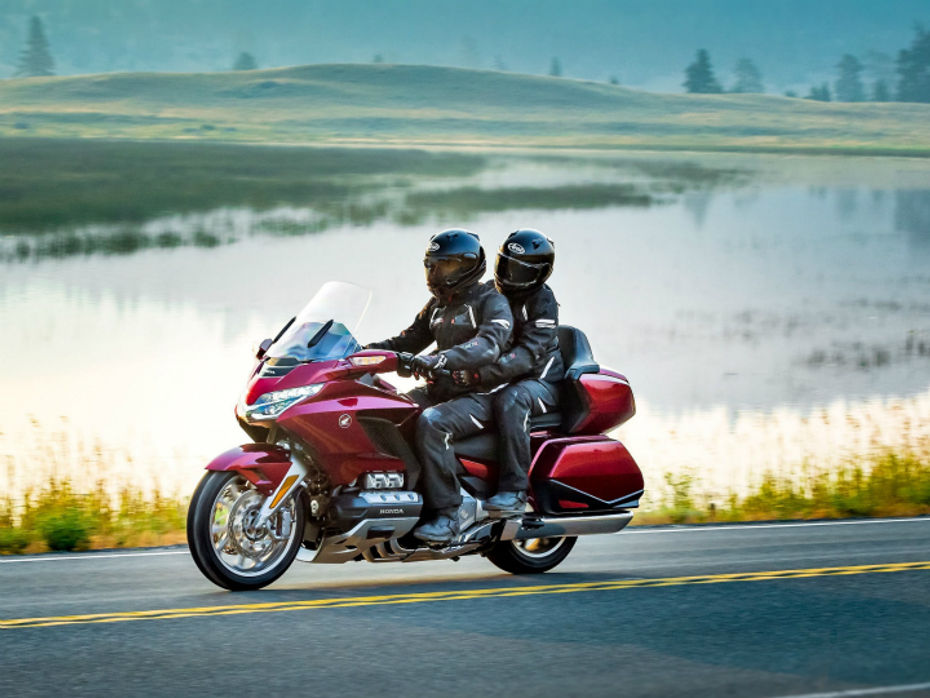
Ah, yes. This is where you find out that certain motorcycles do have, well, not a reverse gear, but a reverse function. Bikes like the Honda Gold Wing and BMW K1600 series with all their bells and whistles weigh upwards of 350kg, so backing them up can be quite a task even on firm level ground. Fortunately, you do have some help at hand.
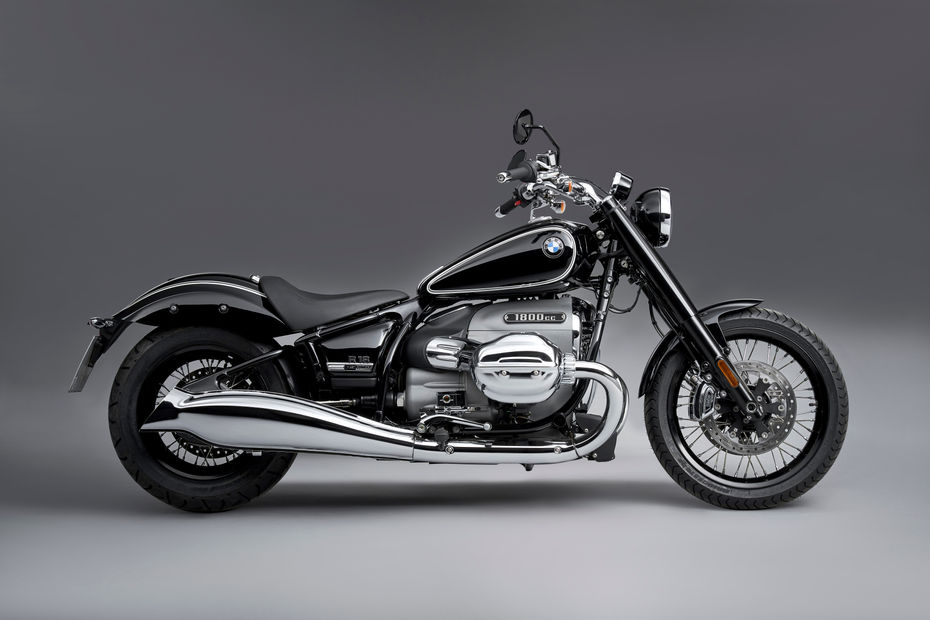
At the touch of a button, the electric starter motor can be used (either by reversing the polarity of the supply or by using an idler gear to reverse the direction) to help back up the motorcycle. Bear in mind, this only creeps the motorcycle backwards at walking pace, but this is just as well since bikes are rather unstable when going backwards anyway. This electric reverse assist function is present even on the recently launched and rather gorgeous BMW R 18.
On the Honda Goldwing, the electric starter motor is also used for a ‘creep forward’ function that can be quite useful in slow moving traffic. However, since these motors run off the battery, don’t expect to be able to reverse for miles and miles, the function is intended to be used in short bursts only.
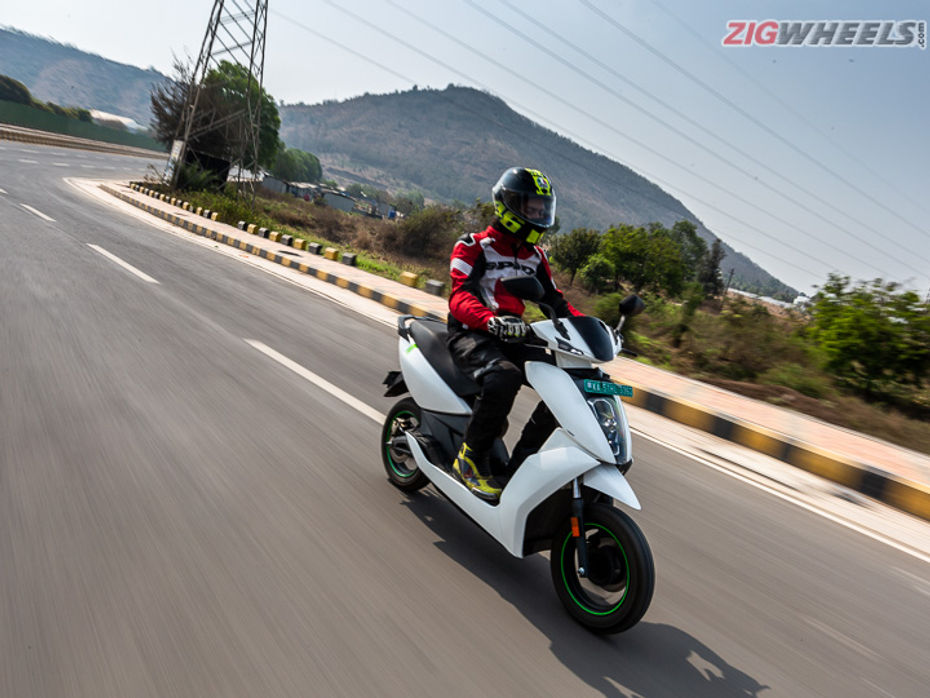
Another class of two-wheelers where a reverse function is quite easy to implement is electrics. Here it isn’t the starter motor but just the primary motor itself which can be used in the opposite direction to help propel the vehicle backwards (very slowly). A reverse mode can be seen on e-scooters like the Ather 450 and 450X, the Bajaj Chetak and the TVS iQube, to name a few. Not that these vehicles strictly require it, but it certainly aids convenience to some extent, especially in tricky situations.
As electric two-wheelers slowly take over, it’s quite likely that a reverse function will become more and more widespread as time passes.


Different Types Of Brake Calipers Explained
How Does Traction Control Work?
Does Your Bike Know How Much You’re Leaning?
What Are Counter-rotating Crankshafts & How Do They Help?
Honda Unveils All-New CB500 In India, CB350 Range Gets Fresh Colours
2026 Kawasaki Ninja 250 Launched In Japan
TVS Hikes Two-Wheeler Prices Up to Rs 10,400; Ntorq 125 Cuts Up to Rs...
2027 Kawasaki Eliminator Launched: Gets Fresh Colours
2026 Bajaj Pulsar NS400Z: Likes and Dislikes
2027 Kawasaki Z900RS Launched In Japan
India's largest automotive community
Avore EX2
₹ 1.46 Lakh
Avore EX1
₹ 1.25 Lakh
Yamaha FZ Blue Flex
₹ 1.24 Lakh
Yamaha Aerox-E
₹ 2.82 Lakh
Komaki MG Pro
₹ 73,999
 BREAKING: Bajaj Pulsar N160 4V Spotted Ahead Of August 12 Launch
 Upcoming Updated Bajaj Pulsar 125 Reaches Dealerships: What's New
 Honda’s Fresh Focus On Indian Two-Wheeler Segment
 Ather's Brand New Scooter Teased Ahead Of Its Launch On August 29
Using E20 Petrol in Your BS3 Vehicle? Here's What Might Happen
Ather's Brand New Scooter Teased Ahead Of Its Launch On August 29
Using E20 Petrol in Your BS3 Vehicle? Here's What Might Happen