New Hero Dual-Sport Bike Design Patented In India
- Aug 18, 2026
- Views : 4481



 Follow us

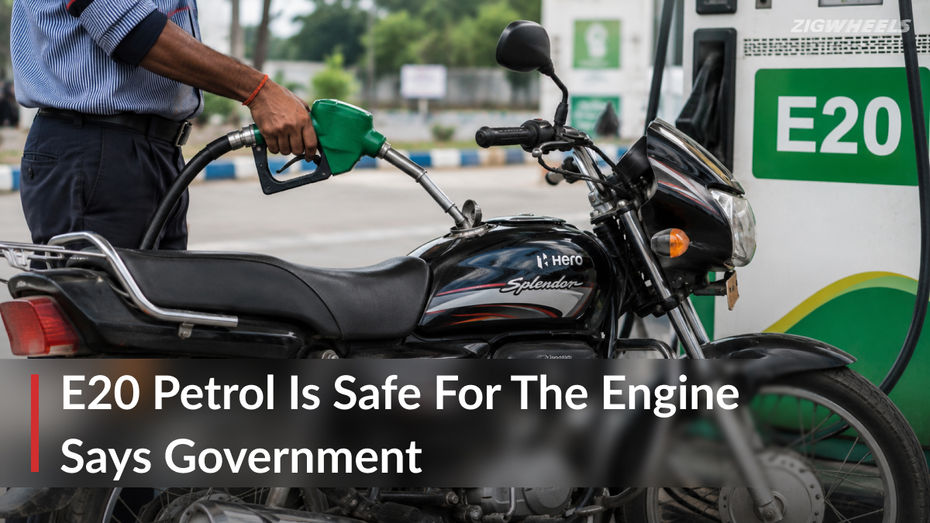
Quick read:
BS-III petrol vehicles (built 2005-2016) are cleared for E20 use but may need new rubber parts
Official studies by agencies like SIAM and ARAI report no widespread engine failures due to E20
A fuel efficiency drop of 1-6% is officially stated, though some tests show drops over 10%
Necessary part replacements can be carried out during routine vehicle servicing
Since E20 petrol became the standard fuel nationwide from April 2025, owners of older vehicles have raised serious concerns about compatibility and running costs. The government has now addressed these issues, stating that while the fuel is fundamentally safe for most engines, some preventative maintenance on older models is advisable. This follows India successfully meeting its 20% ethanol blending target in 2025, ahead of its original 2030 schedule.
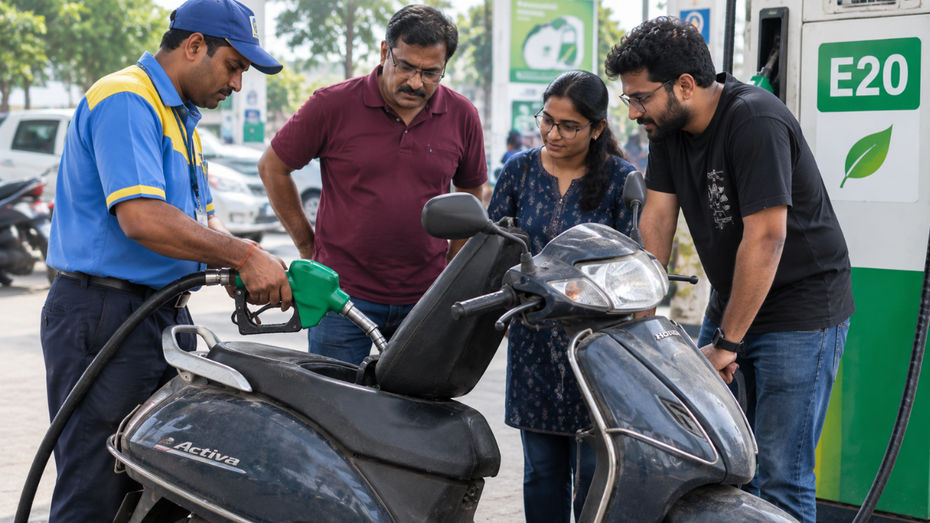
Union Road Transport and Highways Minister Nitin Gadkari has confirmed that E20 petrol is safe for use in older vehicles. This statement is backed by studies and research done from the Indian Oil Corporation (IOC), Indian Institute of Petroleum (IIP), the Society of Indian Automobile Manufacturers (SIAM), and the Automotive Research Association of India (ARAI). According to SIAM, there have been no widespread reports of engine failures or major breakdowns directly caused by the use of E20 fuel in older vehicles.
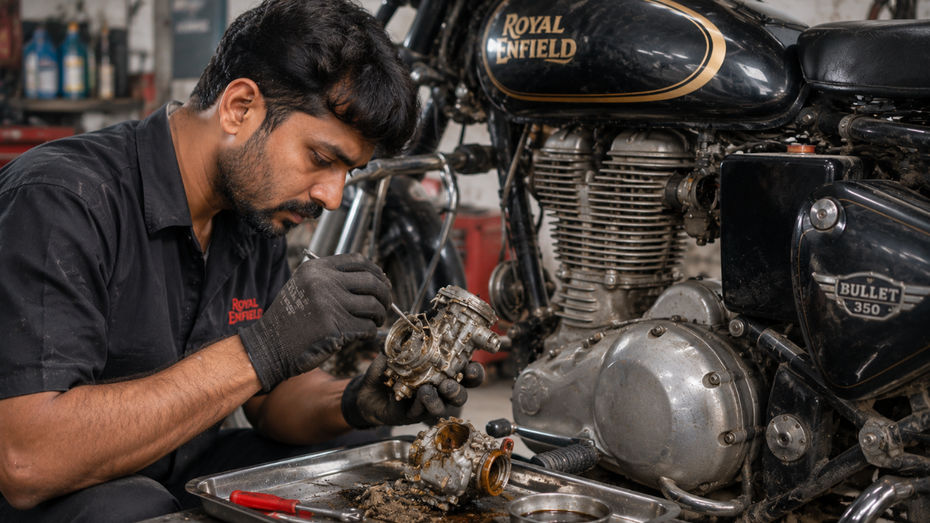
The primary issue for older vehicles lies with certain materials in the fuel system. The government has specified that BS3-compliant petrol vehicles manufactured between April 2005 and 2016 may require the replacement of some rubber components and gaskets. E20 petrol contains 20 percent ethanol, which is a stronger solvent than regular petrol and can also absorb moisture, potentially degrading older, non-E20-compliant rubber parts over time. The Ministry clarified that these necessary replacements can be done during regular servicing without requiring any major modifications to the engine itself.
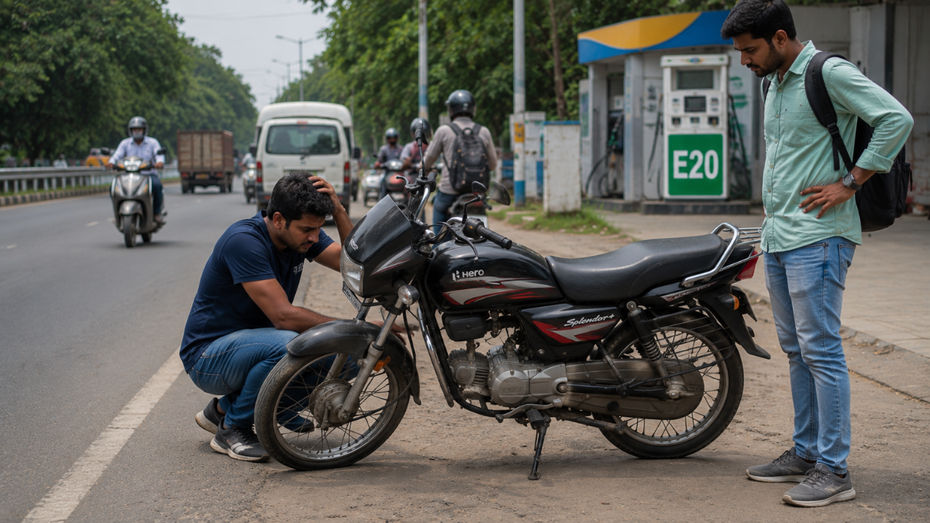
A noticeable drop in fuel efficiency is an expected outcome of switching to E20 petrol. The Ministry of Petroleum has stated that vehicle owners can anticipate a reduction in mileage of around 1-6 percent, depending on the vehicle. However, this figure is contested by some independent tests, which have recorded fuel efficiency drops exceeding 10 percent in certain older cars and two-wheelers. For the average owner, this translates directly to higher running costs and more frequent visits to the petrol pump. All petrol vehicles manufactured from 2023 onwards are designed to be fully E20 compatible from the factory.
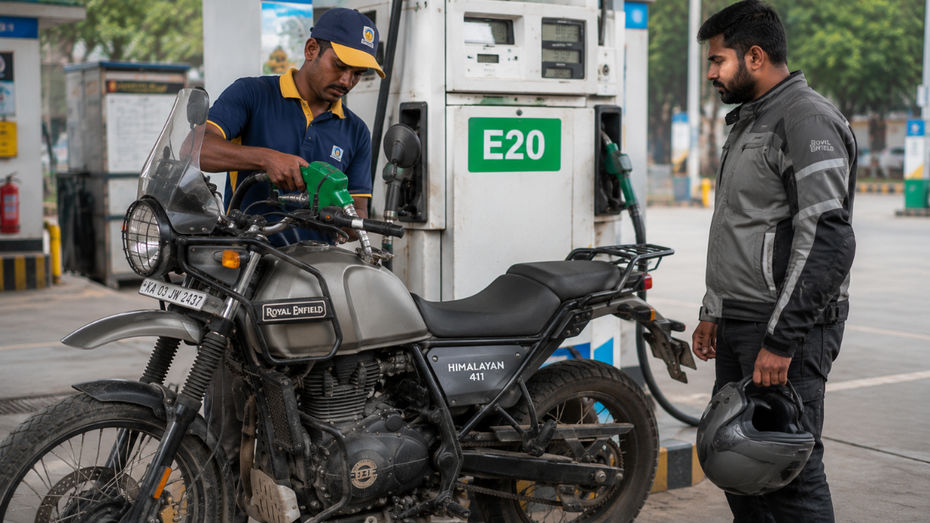
Owners of vehicles which have been affected, including two-wheelers from Hero, Honda, TVS, Yamaha, and Royal Enfield, should be proactive. The government advises informing your authorised service centre that the vehicle is running on E20 fuel. This will allow technicians to specifically inspect fuel lines, seals, and gaskets for any signs of swelling or cracking during scheduled maintenance. Some manufacturers like Bajaj Auto have stated that all their two-wheelers (including KTM bikes) made in the last 10 years are E20-compliant. However, checking with a service professional remains the course of action for models that are not E20-compliant.


New Hero Dual-Sport Bike Design Patented In India
Hero Splendor Series: Family Explained
Hero Glamour X 125 Is Now Safer Than Before
Riding At The World’s Highest Enduro Park: My First Off-Road...
Honda Unveils All-New CB500 In India, CB350 Range Gets Fresh Colours
2026 Kawasaki Ninja 250 Launched In Japan
Balancing Smartness And Performance: Ampere Nexus
New Bajaj Pulsar 125: First Look Review
Top 5 Things Which Make The Ampere Magnus Neo The Best First Electric...
5 Things We Know About The Upcoming Ather Konarc Electric Scooter
India's largest automotive community
BGauss C12 MaxR
₹ 1.60 Lakh
Royal Enfield Himalayan 440
₹ 2.30 Lakh
Simple Wave
₹ 1.10 Lakh
Ather Konarc
₹ 1.02 Lakh
Yamaha YZF-R2
₹ 2.31 Lakh
Skoda Superb 2026
Rs. 50.00 Lakh
Skoda Slavia Facelift
Rs. 11.99 Lakh
Volkswagen Virtus Facelift
Rs. 11.99 Lakh
Honda Elevate Facelift
Rs. 11.91 Lakh
Volvo EX90
Rs. 1.20 Crore