Bajaj's New Trekker Brand: A 250cc Dual-Sport Built for Rough...
- Jun 25, 2026
- Views : 30240



 Follow us

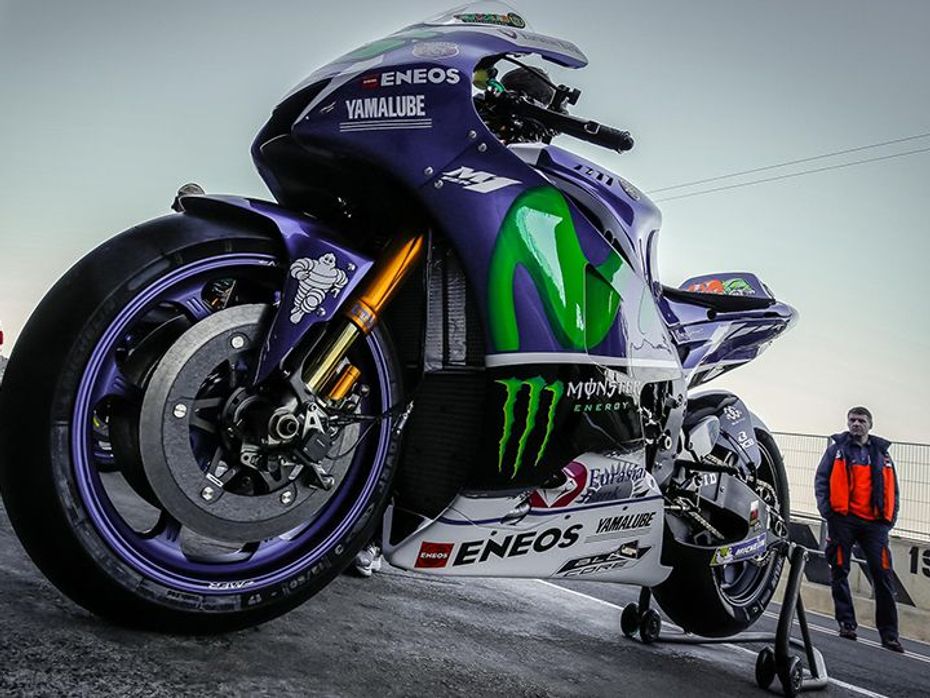
The Grand Prix Commission has released a new set of regulations ahead of the 2017 MotoGP season, which will tentatively start in around four months time. Their impact, of course, can only be gauged once the season kicks off and it will be interesting to see how the teams make use of the new guidelines. Here’s a little insight into the significant ones.
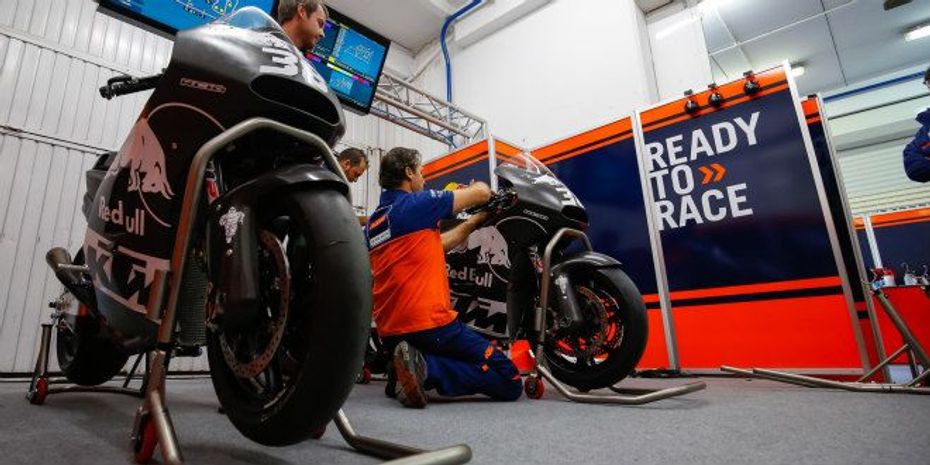
MotoGP Class sensors: The use of non-homologated sensors from the GP Commission will only be restricted to Free Practice 4 (FP4) and warm up round. Notably, in the 2016 season, the use of non-homologated sensors was permitted in FP1, FP2 and FP3, FP4 and warm up. Since the first three free practice rounds were timed to be included in the Qualifying Practice 1 (QP1) and Qualifying Practice 2 (QP2), the decision has been taken stop constructors taking advantage of the sensor data in the initial three FP rounds.
Tyre Pressure Management: Now this one’s interesting. This regulation bars constructors from using any device that can control or modulate the tyre pressure, while the motorcycle is racing on the track. Just think about the advancement that the racing community has achieved. The prohibited system, if it exists, is capable of raising the tyre pressure on straights to offer optimum top speed, whereas it can be decreased while cornering to get the maximum grip!
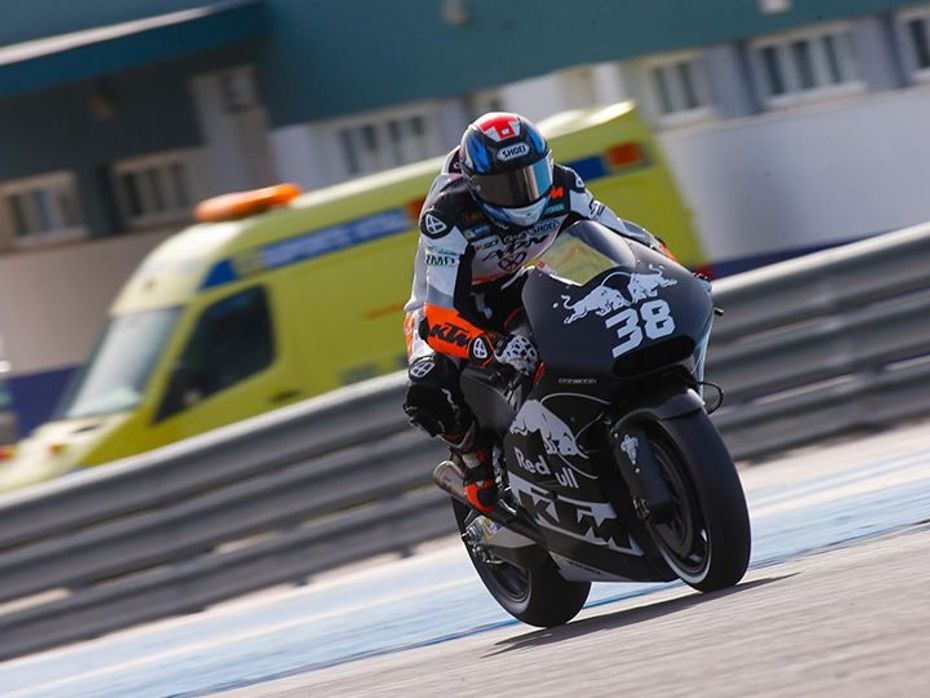
Aerodynamics: In the 2017 season, existing manufacturers cannot upgrade the design of the front fairing or the front fender in order to improve the aerodynamics of the machine mid-season. However, manufacturers who are making a debut in the championship are exempt from this ban and can make unlimited changes to the design (complying with the regulation) in order to modulate the aero of the motorcycle. One example is KTM, who will be jumping into full-fledged racing for the first time in the 2017 season.
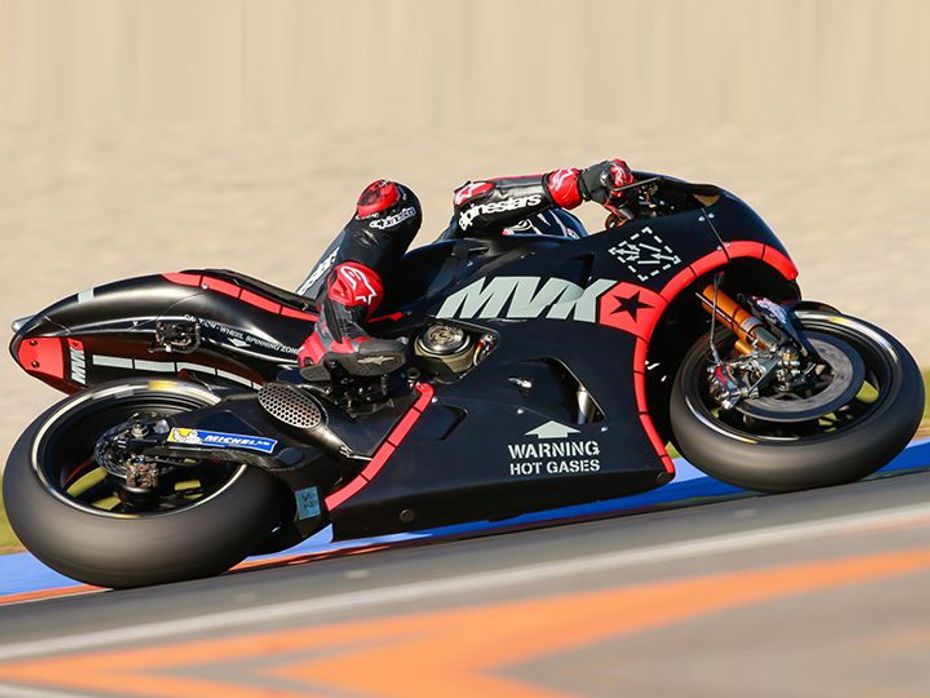
Safety light: The safety light will now be controlled by computers, which essentially means that the riders no longer have to operate them when on the motorcycle. Ironically, the safety lights, which are there so that other racers could be safe were themselves not safe to use for the riders operating them. Got the pun?
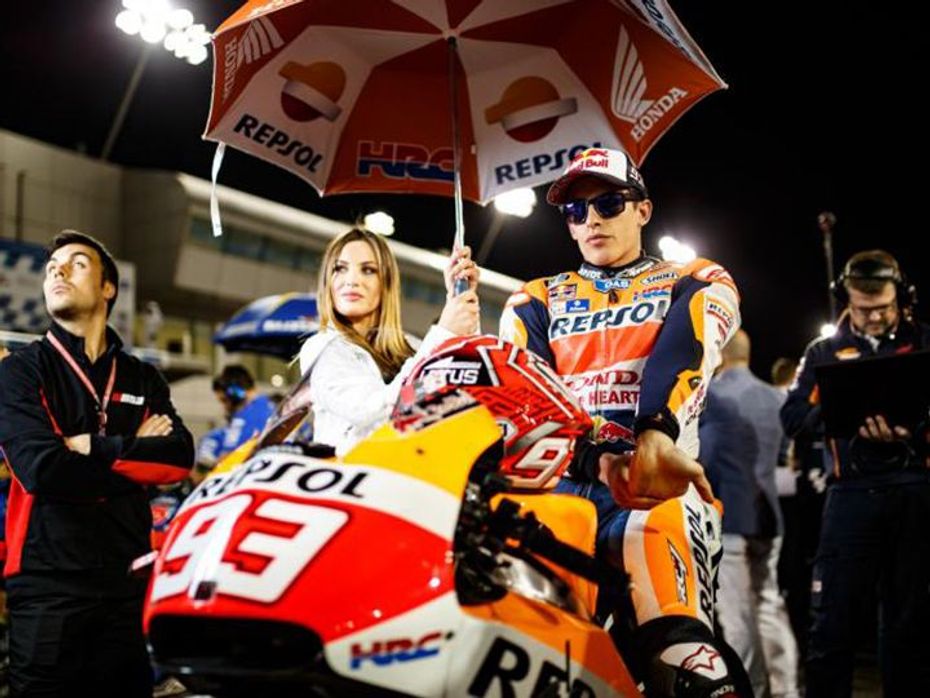
Track Familiarisation: Riders can now use road-going motorcycles to familiarise themselves with the track. However, the machines will have to carry a list of permitted changes to certain parts of the bike such as tyres, suspension, etc. Earlier, teams were required to use road-homologated motorcycles with same engine capacity as the race machine. Moreover, before this, it was mandatory to submit the details of the machine to the race director for approval.
Engines: Now, this one is quite tricky. The 2017 bikes can only use internal combustion engines. You might be wondering what’s too great about this. The thing is, maybe the GP Commission is concerned that the absence of guiding regulations regarding hybrid powertrain could prompt manufacturers to use it on their bikes for an added advantage. By advantages, we mean, that an electric assisted bike will be able accelerate out of the corner at an increased pace and will also make overtaking on short straights easy, just like in Formula 1.
In addition to these, there are a few more changes made to the race penalties levied on the restarted races, on pit lane safety and some other matters. But, let’s cover them in approaching weeks.

Bajaj's New Trekker Brand: A 250cc Dual-Sport Built for Rough...
Ampere Magnus G Max: A Very Sensible E-Scooter For The Family
From Singles to Twins: 5 Parallel-Twin Upgrades For Every Indian...
BREAKING: Yamaha R2 Could Launch In India On August 27
BREAKING: Updated Bajaj Pulsar 220F Launched: Finally Gets An LED...
The Royalty of Speed: India's Top 5 Most Powerful Petrol...
Yamaha's Electric Sportbike Patent Signals Production Plans
Five Honda Two-Wheelers We Wish Would Come To India
421cc Adventure Tourer: Hero Xpulse 421 Test Mule Reveals Engine,...
India's largest automotive community
Yamaha FZ Blue Flex
₹ 1.24 Lakh
Yamaha Aerox-E
₹ 2.82 Lakh
Keeway Hypevolt-R
₹ 1.99 Lakh
Revolt RVX
₹ 94,990
Bajaj Pulsar 220F
₹ 1.36 Lakh
 Bajaj Claims All Motorcycles Built in Last 10 Years Are E20-Ready
 Suzuki's Legendary GSX-R1000 Returns Stronger With New Tech And Carbon Winglets
 2026 Bajaj Dominar 400: Likes And Dislikes
 If Popular Indian Bikes & Scooters Were Lego Sets
BREAKING: Yamaha FZ Blue Flex Launched In India At Rs 1,24,240
If Popular Indian Bikes & Scooters Were Lego Sets
BREAKING: Yamaha FZ Blue Flex Launched In India At Rs 1,24,240