2026 Kawasaki Ninja 250 Launched In Japan
- Jul 27, 2026
- Views : 22801



 Follow us

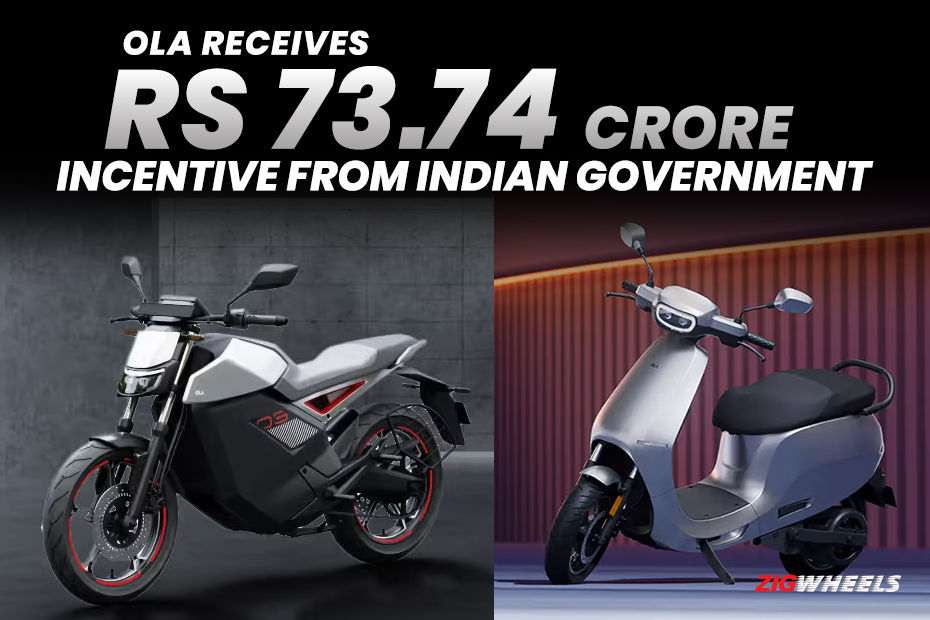
Ola Electric has received funding worth Rs 73.74 crore (Rs 73,74,36,612) from the Indian government’s PLI scheme for the automotive industry. The funds will be allocated depending on the company’s growth performance in 2023-2024. Ola Electric is the first two-wheeler manufacturer to be eligible for this. The Ministry of Heavy Industries published this directive to push the development of the new generation automobile and electric vehicle manufacturing sector in India. The PLI-Auto scheme was initiated in 2021 with a budget of Rs 25,938 crore. It is aimed at reducing imports, advancing auto products’ domestic sales, and improving the manufacturers’ supply chain.
Regardless of the funds, Ola has struggled with operational efficiency, reportedly resulting in the layoff of over 1,400 employees, primarily in sales and warehousing. This is following a November 2024 round of 500 layoffs reportedly aimed at reducing costs during a period of aggressive expansion.
The PLI-Auto programme provides immense fiscal advantages linked to achieving certain parameters, such as battery capacity, range, and the level of localization of components. The performance of a company in these parameters directly affects the value of incentives, which will be disbursed over five years. Subsidies under the program have also supported Tata Motors and Mahindra & Mahindra, with Ola being the first two-wheeler maker to join them. Ola has also entered into other strategic collaborations, including with the Ministry of Heavy Industries to boost local production of EV batteries, as part of the Production Linked Incentive for Advanced Chemistry Cell (PLI ACC) scheme. Under the 2025 agreement, India wants to boost domestic battery production and lower dependence on imports.
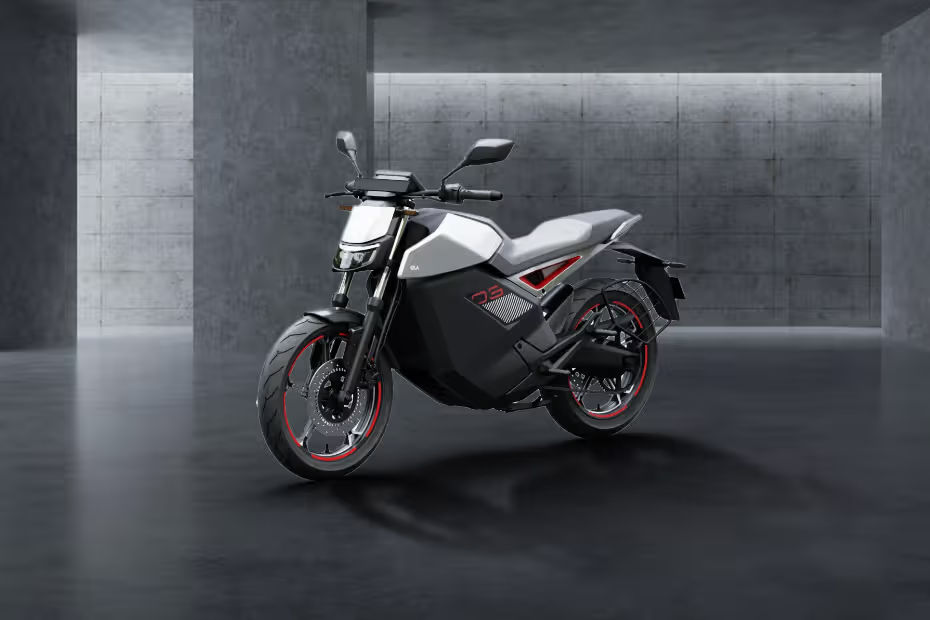
Though the PLI incentive gives Ola much-needed financial aid, there have been some hiccups in its journey. The company, which started manufacturing lithium-ion batteries at its Gigafactory in March 2024, has faced a series of delays in achieving milestones under the ACC PLI scheme. The company missed its first milestone under the programme. As a result the EV maker will have to pay a penalty of Rs 12.5 lakh per day until the requirements are fulfilled. The brand has also run into trouble over scaling up the manufacturing of domestic cells. If Ola overcomes all these hurdles, the plant will go a long way in improving its profit margins.
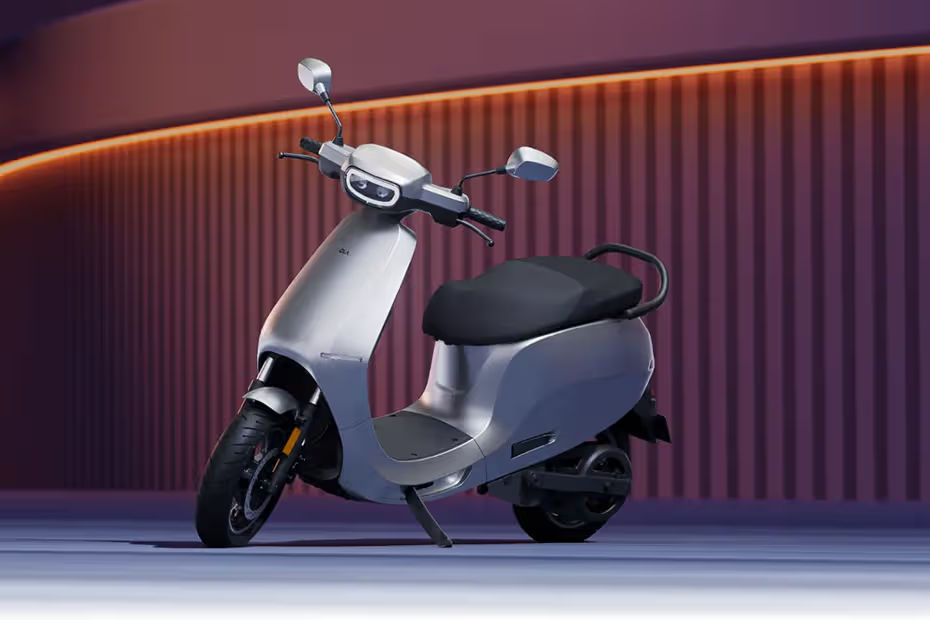
Ola has also made some strategic changes to minimise operation costs. They recently closed regional warehouses and opted to use their network of more than 4,000 retail outlets across the country to hold vehicle inventory and spare parts. With the added boost of aforementioned government initiatives, Ola Electric should now be able to broaden its business, support India's EV vision, and further develop products for Indian consumers. Whether the company does well in the future and makes use of the government incentives in order to stay successful is something only time will tell.


2026 Kawasaki Ninja 250 Launched In Japan
Top 5 Things Which Make The Ampere Magnus Neo The Best First Electric...
New Bajaj Pulsar 125: First Look Review
BREAKING: Yamaha R2 Launched In India: KTM RC 200 Rival Is Finally...
5 Things We Know About The Upcoming Ather Konarc Electric Scooter
Next-Gen Bajaj Pulsar 125 TFT Variant Spotted: New Details Revealed...
TVS Hikes Two-Wheeler Prices Up to Rs 10,400; Ntorq 125 Cuts Up to Rs...
Ather Konarc Explained In Detail With Real-Life Images
Ather’s Rizta Now Has A Mini-Me, And It Rocks!
KTM 490 Duke Spotted Stoppie-ing: India Launch 2027
India's largest automotive community
Honda QC3
₹ 1.35 Lakh
Honda CB500
₹ 2.75 Lakh
BGauss C12 MaxR
₹ 1.60 Lakh
Royal Enfield Himalayan 440
₹ 2.30 Lakh
Simple Wave
₹ 1.10 Lakh
Skoda Superb 2026
Rs. 50.00 Lakh
Skoda Slavia Facelift
Rs. 11.99 Lakh
Tata Aeris
Rs. 6.00 Lakh
Mercedes-Benz Maybach S-Class Facelift
Rs. 3.00 Crore
Honda Elevate Facelift
Rs. 11.91 Lakh