Mahindra Scorpio Lifestyler Unveiled: Mahindra Returns to Lifestyle...
- Aug 14, 2026
- Views : 5522



 Follow us

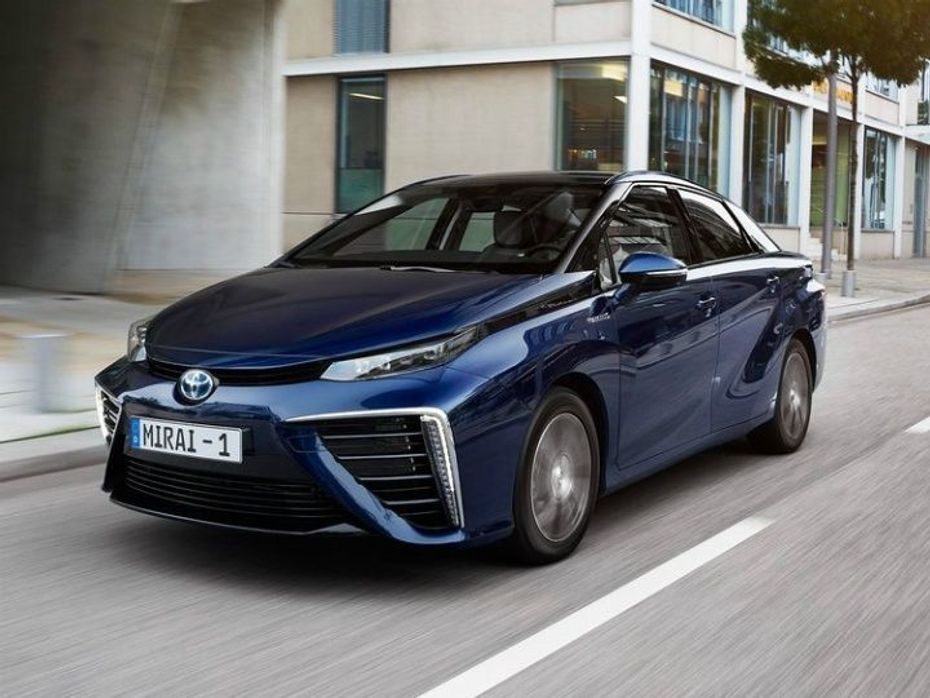
We have been running our transportation system completely dependent on non-renewable energy sources like petrol or diesel. Although automotive companies are investing millions of dollars every day on research and development to make engines more fuel efficient, the fact of the matter is that we are running out of oil and that too at a fast pace. To counteract, automobile manufacturers are now making EVs (Electric Vehicles) around the globe. So, where does hydrogen fuel fit in?
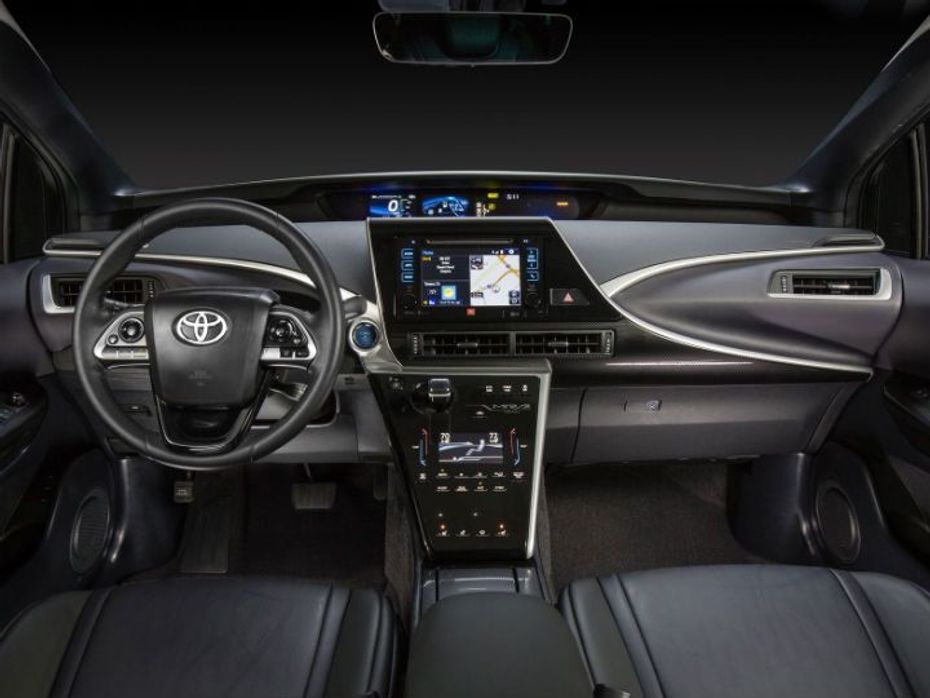
Hydrogen is nature's fuel. It is hydrogen that powers the sun and it is the most abundant element in the universe. Unlike any other energy source that we might have used till date, hydrogen will never run out. Japanese automotive manufacturers Honda and Toyota have produced cars which are capable of running on hydrogen fuel. Nerd moment: The compressed hydrogen from the storage tank combines with oxygen from air in the fuel cell to generate electricity which powers the electric motor connected to the wheels of the car. In essence, hydrogen fuel helps create an on-board electricity generator. The Japanese have tested their cars extensively in markets such as the US and Japan and it surely creates a strong case for itself as the fuel of the future. Let's start by listing some of its main advantages.
1) No Harmful Emissions: Water is the only resulting emission based on what goes on inside the fuel cell. Just like the pure electric vehicles that we have today, hydrogen is completely harmless to the environment. Horror stories revolving around the degrading air quality and drastic climate change are on the rise. Hydrogen-powered vehicles make perfect sense to replace our current line of vehicles powered by internal combustion engines.
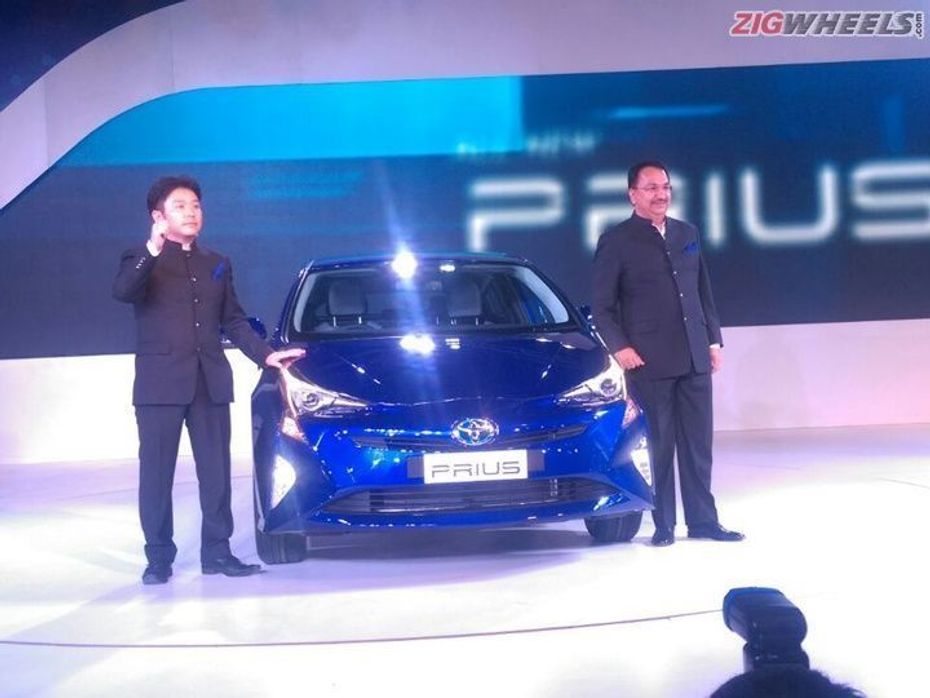
2) More Fuel Efficient: Hydrogen-powered vehicles are nearly twice as fuel efficient than the hybrid-electric vehicle setup (for example Toyota Prius) and thrice as more efficient when compared to vehicles powered by flammable liquid fuels like petrol.
3) Production: Unlike flammable liquid fuels which are extracted from crude oil, hydrogen can be produced from a number of ways.
A) Electrolysis - It is a process to separate the hydrogen atom from oxygen by passing electricity.
B) Steam Methane Reforming - It revolves around extracting hydrogen from natural gas.
C) Gasification - It is a process wherein hydrogen can be produced by steaming coal.
All these processes can be set up anywhere in the world. Countries can completely eradicate the need to be dependent on oil-rich countries for fuel imports. This in turn will save a lot of money. Not just that, hydrogen can be produced using electrolysis at fuel stations itself. That means there is no requirement for transporting fuel to stations.
4) Safer Fuel: Just like petrol or diesel fuels, pure hydrogen is highly flammable. However, hydrogen storage is more robust in cars as compared to diesel or petrol fuel tanks. In an accident, even if the fuel tank leaks, the compressed hydrogen will escape into the atmosphere because it’s lighter than air.
Although hydrogen fuel shows a lot of promise comprising the list of advantages listed above, there are a number of challenges that limits the injection of hydrogen in our daily lives.
1) Production: Although there are a number of ways to produce hydrogen, setting up any of the production processes will be an expensive deal.
2) Storage: Storing a compressed gas has always been tricky and when compared to the liquid fuels like petrol or diesel, compressed gas takes a lot more space.
3) Infrastructure: India being a large country, it needs a nationwide supply of hydrogen fuel through a similar setup like petrol pumps. Setting up such a massive network will take time and inevitably involve a lot of money to invest.
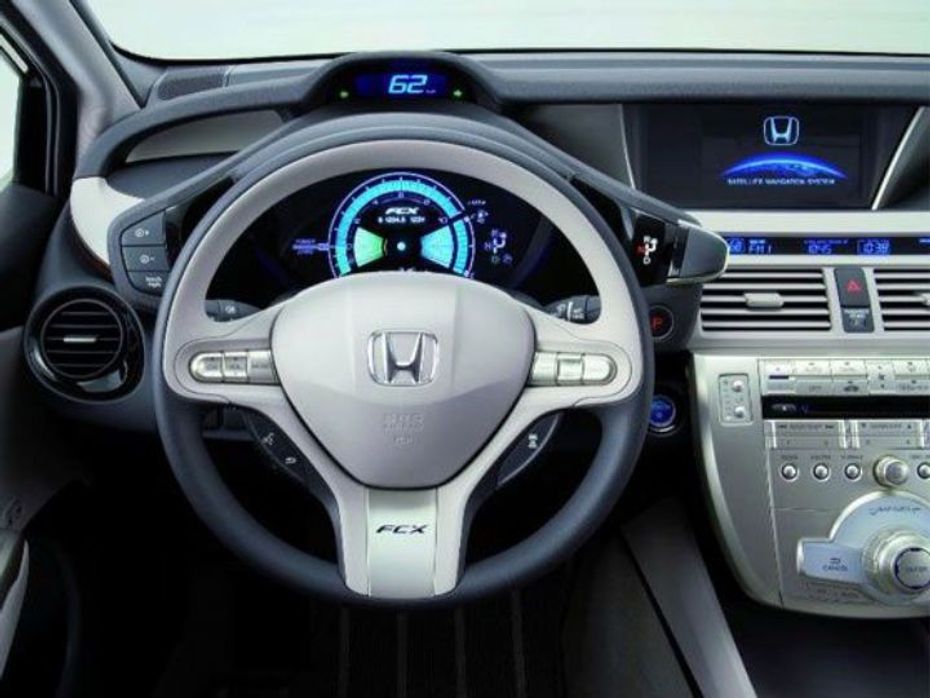
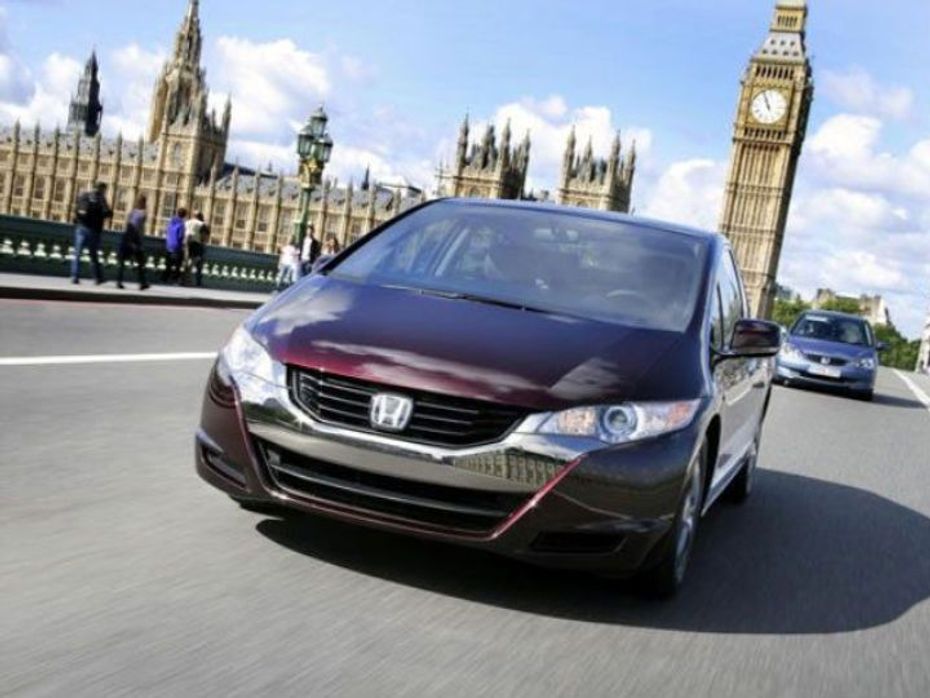
Cars like the Toyota Mirai and the Honda FCX Clarity have showed the world that if invested, hydrogen is the fuel of the future. However, other car companies have invested heavily in either pure electric cars or hybrid-electric cars. Both of these setups are much more widely available when compared to hydrogen-powered cars. Tesla is a car manufacturer that produces pure electric cars only. The setup is simple. An electric motor powered by a stack of batteries. Charge the batteries and off you go. But there is a down side to this system. Once the batteries run out of juice, the charging time stretches to several hours. And, the overall range on a full charge is not even close to what a petrol-powered car with a full tank would deliver. Also, the entire electric car setup is jolly expensive. A tiny hatchback like the Mahindra e2o costs nearly the same as a mid-range Honda City.

Another alternative available in the market is a hybrid-electric setup. Unlike a pure electric, the hybrid-electric doesn’t have to stop to charge up the batteries. This setup has two engines. An electric motor with a stack of batteries to store the electricity, and an internal combustion engine which is used to drive the car and also charge the batteries connected to the electric motor. Essentially, there are two engines in a car and hence the cost of buying such a car is beyond a common man’s reach.
Currently, hydrogen fuel does have its limitations but they are essentially related to the infrastructure that is required for storage, production and availability. If the government invests in establishing a proper network for hydrogen fuel, it can surely be the fuel of the future.

Mahindra Scorpio Lifestyler Unveiled: Mahindra Returns to Lifestyle...
2026 Skoda Slavia Facelift Unveiled, Now Comes With Rear Massage...
2026 Maruti Suzuki Baleno Facelift Launched At Rs 6.1 Lakh Onwards
2026 Maruti Baleno Facelift Launch Confirmed! Check Out The Expected...
BMW X1 Long Wheelbase Launched: Rear-Seat Space No Rival Can Match in...
MG Hector Tomahawk PHEV With 1100 Km Range LAUNCHED At Rs 25.69 Lakh
Volkswagen To Bring A Sportier Kylaq With Sporty Sub-4-Metre SUV
Kia Sorento Unveiled: The 3-Row SUV Confirmed With Diesel, Hybrid And...
2026 Tata Curvv Series X Launched; Coupe-SUV Gets More Features In...
India's largest automotive community
BMW i5 LWB
₹ 79.60 Lakh
Maruti Suzuki Baleno
₹ 6.10 Lakh
Kia Sorento
₹ 27.99 Lakh
MG Hector Tomahawk PHEV
₹ 25.70 Lakh
MG Hector Tomahawk EV
₹ 19.50 Lakh
 Skoda Auto Volkswagen India Private Limited Signs MoU With JSW: Partnership To Strengthen Their Automotive Foothold?
 Top 5 Things We Loved About The 2026 Maruti Baleno Facelift
 2026 BMW i5 LWB Launched At Rs 79.60 Lakh Onwards: Is This The Best Balance Of Sport, Luxury And Electric?
 Volvo EX90 Review: A Mix Of Swedish Quirk And Elegance
2026 Kia Sorento Launched At Rs 27.99 Lakh Onwards! Gets Hybrid, AWD And Diesel With 7-Seats
Volvo EX90 Review: A Mix Of Swedish Quirk And Elegance
2026 Kia Sorento Launched At Rs 27.99 Lakh Onwards! Gets Hybrid, AWD And Diesel With 7-Seats