
Tata Curvv And Curvv EV Updated With New Features Like Rear...
- Nov 11, 2025
- Views : 1099



 Follow us

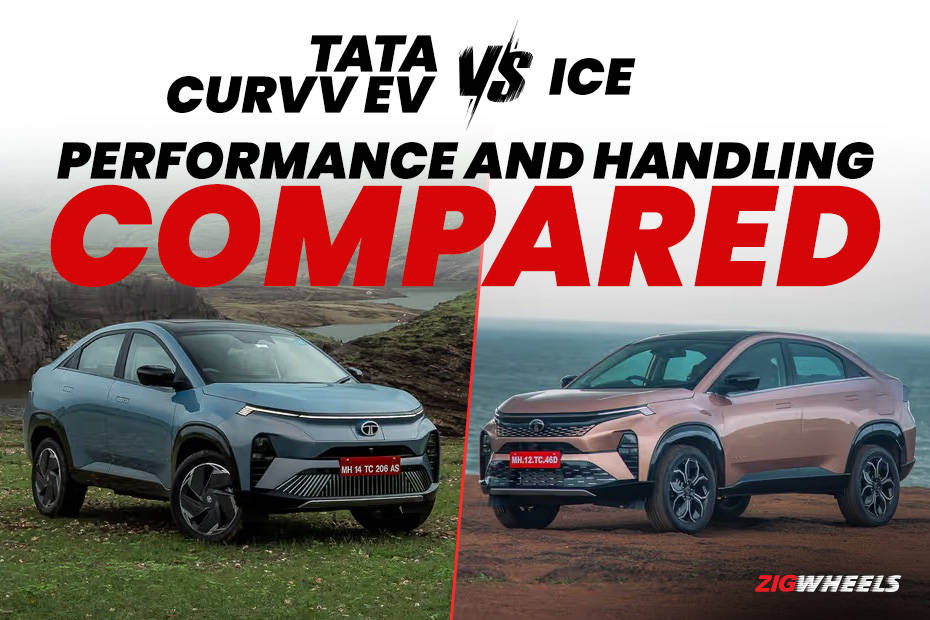
Since their launch, the Tata Curvv and its electric counterpart, the Curvv EV, have gained attention for their striking design and feature-packed cabin. However, beyond aesthetics, real-world performance, ride quality, and handling play a crucial role in the buying decision. In this report, we take a closer look at how each SUV coupe performs in the real-world driving scenario, helping you make an informed choice beyond just powertrain preference.
|
Curvv EV |
Curvv |
||||
|
Battery/Engine Capacity |
45 kWh |
55 kWh |
1.2-litre turbo-petrol engine |
1.2-litre turbo-petrol engine |
1.5-litre diesel engine |
|
Power |
150 PS |
167 PS |
120 PS |
125 PS |
118 PS |
|
Torque |
215 Nm |
215 Nm |
170 Nm |
225 Nm |
260 Nm |
On paper, the Curvv EV delivers better power output figures than the Curvv. However, in terms of torque output, the Curvv's 1.2-litre TGDi turbo-petrol and 1.5-litre diesel engines provide better performance.
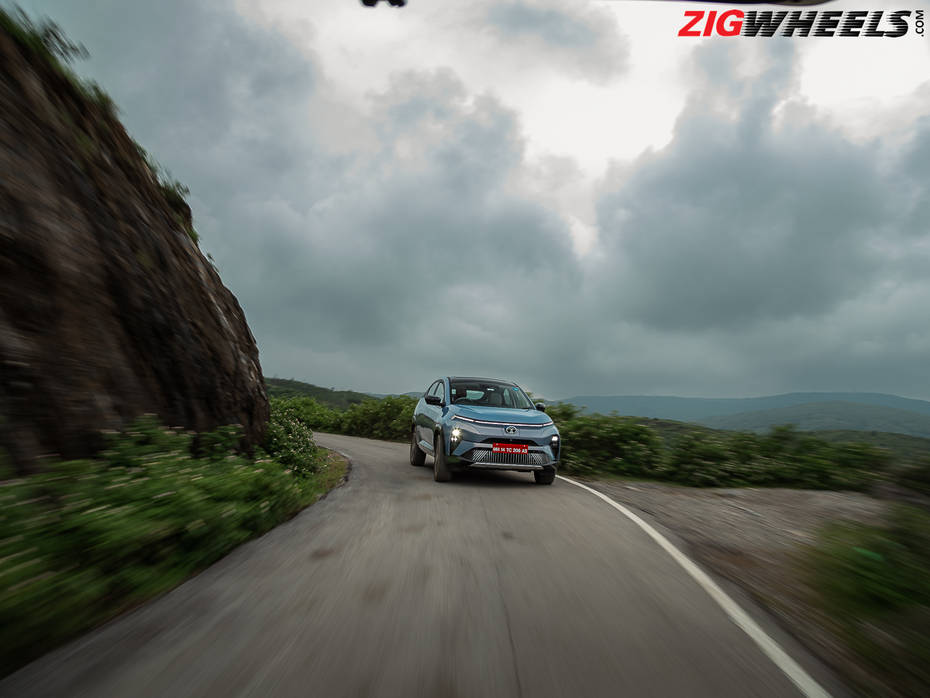
When comparing the real-world performance of all powertrain options, the Curvv EV clearly stands out as the best choice due to its electric powertrain. It delivers a refined drive with well-calibrated modes, making it ideal for city commutes, road trips, and even inclines. However, its strong torque delivery requires cautious use of throttle on steep slopes to avoid wheel spin. Additionally, brake energy regeneration is smoother overall, enhancing passenger comfort.
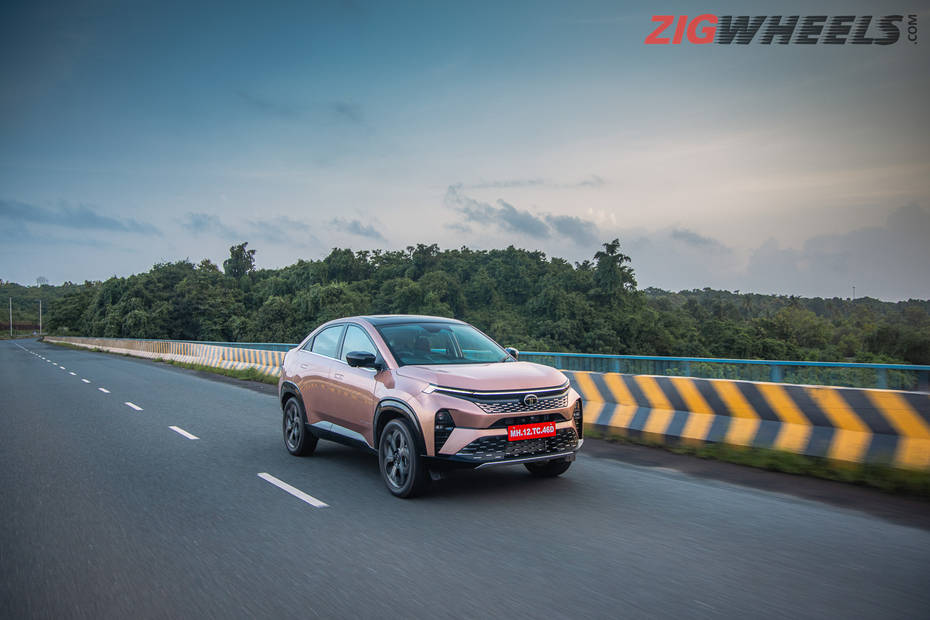
The diesel-powered Curvv delivers strong performance but lacks refinement, with noticeable vibrations and acceptable noise levels. Its dual-clutch automatic gearbox shifts smoothly and includes paddle shifters as well. The 125 PS 1.2-litre turbo-petrol, on the other hand, offers improved throttle response and better driveability than the 120 PS turbo-petrol choice.
Coming to their ride quality, the Curvv EV’s stiff suspension absorbs road imperfections well, and its 190 mm ground clearance helps tackle tall speed bumps.
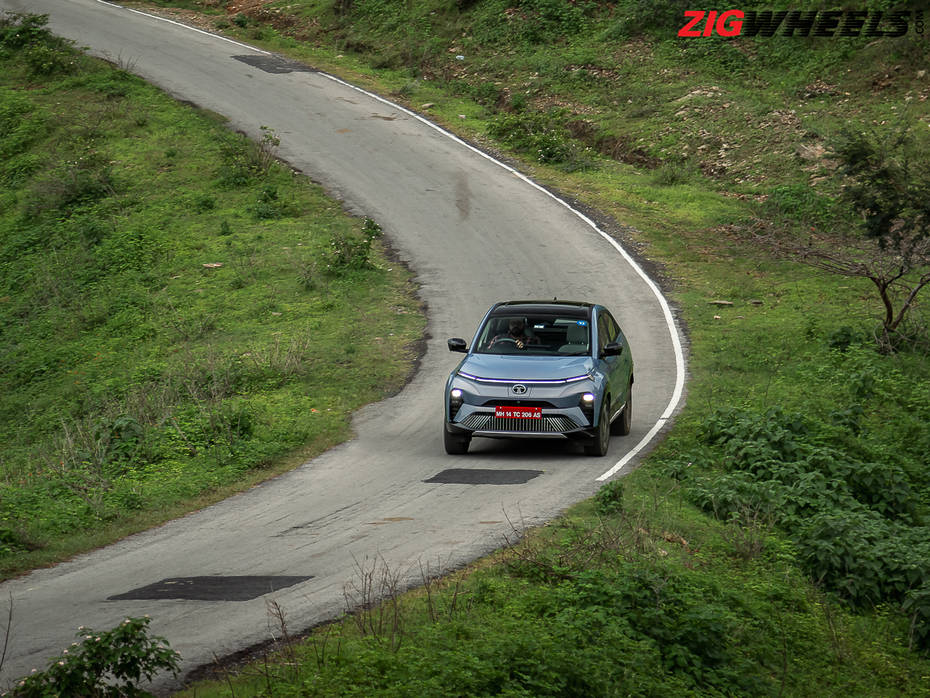
It maintains stable dynamics on highways during extended journeys. Handling-wise, it is easy to navigate, making it a convenient option for urban driving as well.
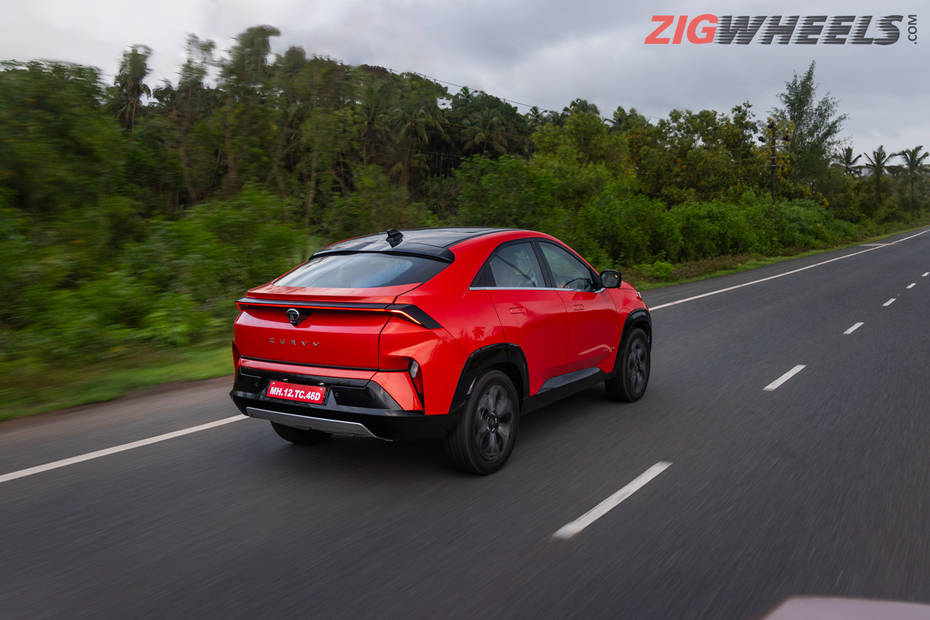
With the ICE-powered Curvv, the ride comfort is good, and even with the 18-inch alloy wheels, it provides ample comfort on rough roads. Regardless of the engine choice, the Curvv handles bumps and uneven surfaces well, ensuring a smooth and enjoyable drive.
In conclusion, the Curvv EV outshines the ICE-powered Curvv with its superior performance, smooth handling, and ample comfort and tech. However, being electric comes with range anxiety, and you will have to depend on the still-developing charging infrastructure in our country.
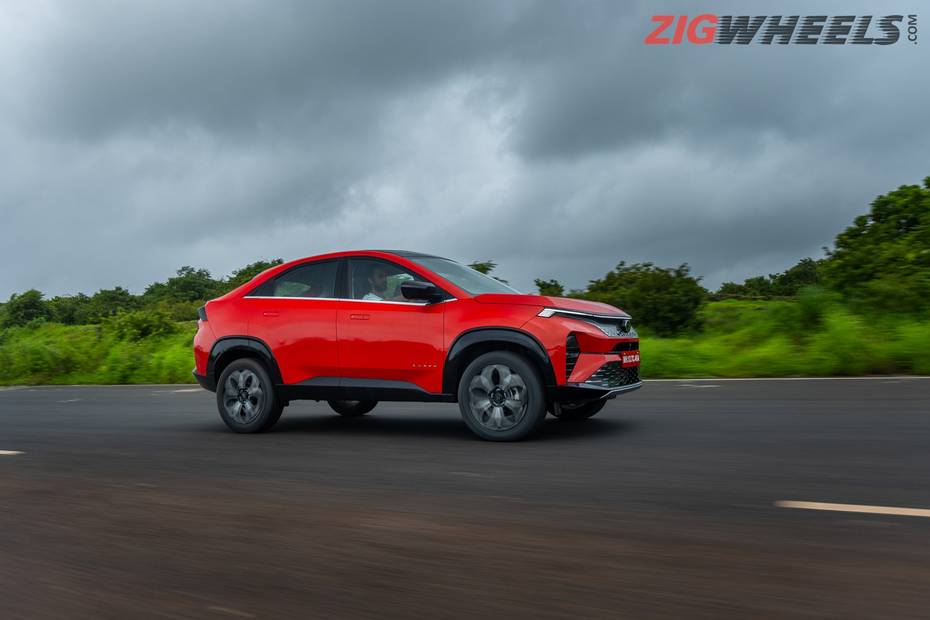
The ICE-powered Curvv, while offering strong performance, lacks refinement, especially with the diesel engine option. However, it makes a strong comeback in ride comfort, providing a smoother drive and making it a preferred choice for trips to remote areas where charging stations are scarce.
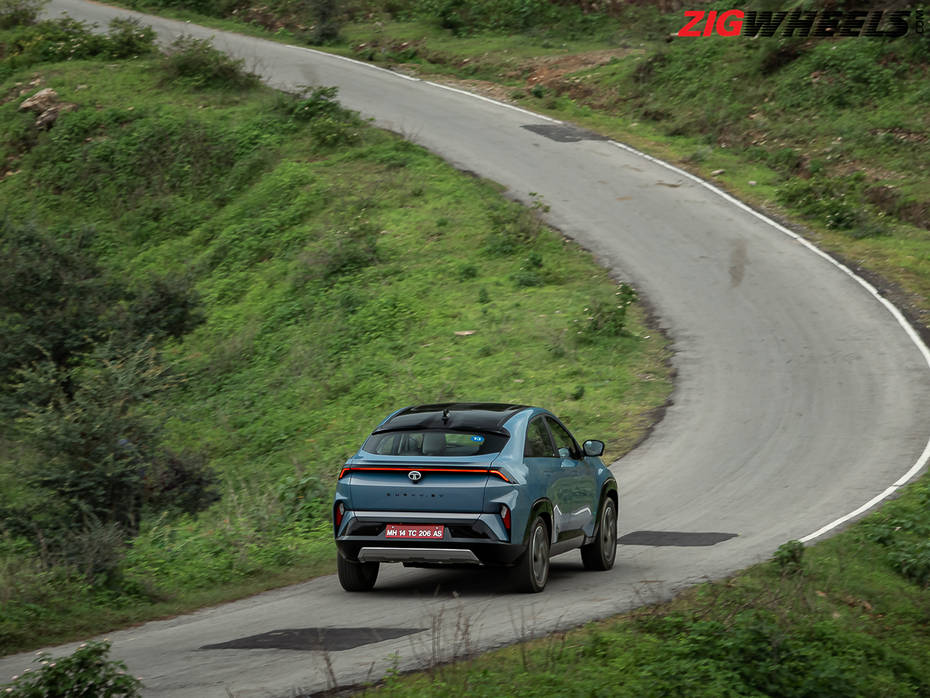
Overall, the Curvv EV is the superior choice for those after a more refined experience, while the ICE-powered Curvv remains a strong contender with its solid performance and decent ride comfort.
Which one would you pick? Let us know in the comments!


Tata Curvv And Curvv EV Updated With New Features Like Rear...
All Cars Launched In India In April 2025: New-gen Premium SUVs,...
Tata Curvv Dark And Curvv EV Dark Edition Launched From Rs 16.49...
List Of Top 10 Cars Tested By Bharat NCAP: Which Car Tops The List?
Hyundai Creta Electric Vs Mahindra BE 6 Vs MG ZS EV Vs Tata Curvv EV:...
Here’s A Look At All The Tata EVs And Their Real World Range
Tata Curvv EV vs Nexon EV: Real World Range Compared
Tata Curvv EV vs Mahindra XUV400: Which Is The Quicker Indian EV?
Watch: Can the Tata Curvv EV Deliver 400 km Of Range In The Real...
Maruti Suzuki e Vitara
Mahindra XEV 9e
Tata Punch EV
MG Windsor EV
Tata Sierra EV
India's largest automotive community
Tata Sierra
Tata Punch
Tata Nexon
Tata Aeris
Tata Tiago
Hyundai Bayon
Tata Sierra
Mahindra Thar OG
Tata Punch
Maruti Suzuki Brezza
Mahindra Thar E
Rs. 25.00 Lakh
JSW Chery iCar V23
Rs. 20.00 Lakh
JSW Jaecoo J5 EV
Rs. 20.00 Lakh
 5 Things We Loved About The Hyundai Bayon
 2026 Volkswagen Virtus Facelift Revealed: Updated Bumpers, New Alloys And More!
 Hyundai Bayon Short Review: Why Does It Exist?
 2026 Mercedes-Benz GLC Electric Launched In India At Rs 78.5 Lakh, Gets A Massive Screen And Over 700 Km Of Claimed Range
Aston Martin Cars Get Rs 4 Crore Cheaper! Has India-UK FTA Blessed Us Well Enough?