ZigWishlist: Ather 450X Pro Max And More Updates We Would Like To See
- May 16, 2022
- Views : 3861



 Follow us

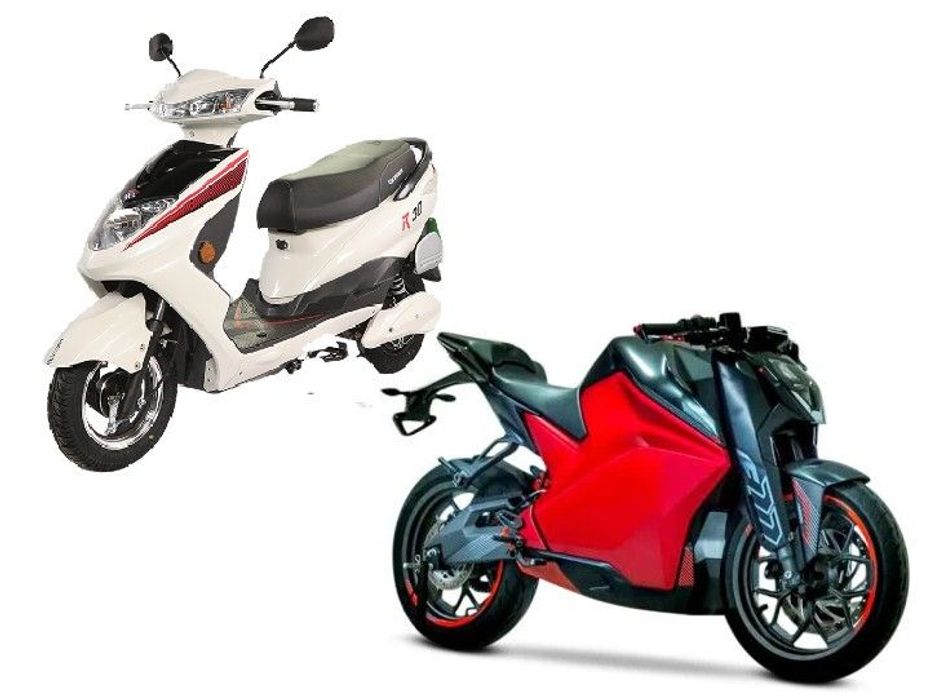
The Indian electric two-wheeler industry is picking up at quite a pace now thanks to subsidies, greater awareness of EVs and consequently, faster adoption of EVs. Now, there are a plethora of manufacturers with an extensive lineup of models on sale. And in those extensive portfolios are two different types of electric two-wheelers: High speed and Low speed. But what separates the two? Well, here’s the breakdown.
Performance & Licencing
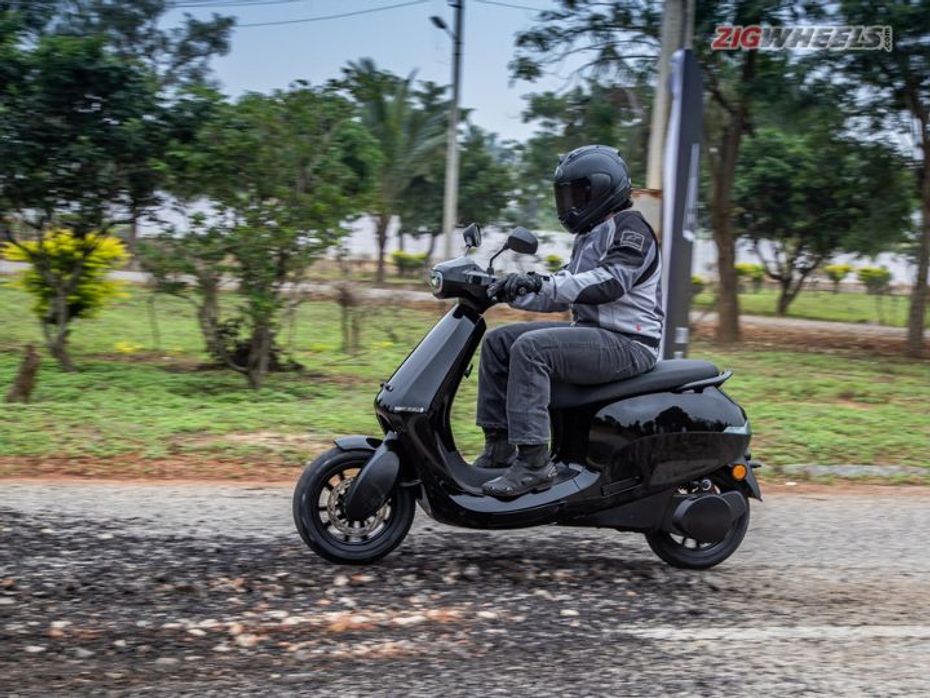
One of the major factors that separates High-speed EVs from Low-speed ones is the top-speed and the overall performance along with the need for licence and registration. Electric two-wheelers with a maximum speed of 25kmph or lower are categorised as low-speed EVs. Whereas the High-speed models are capable of reaching much higher speeds, making them on par with their petrol-powered counterparts
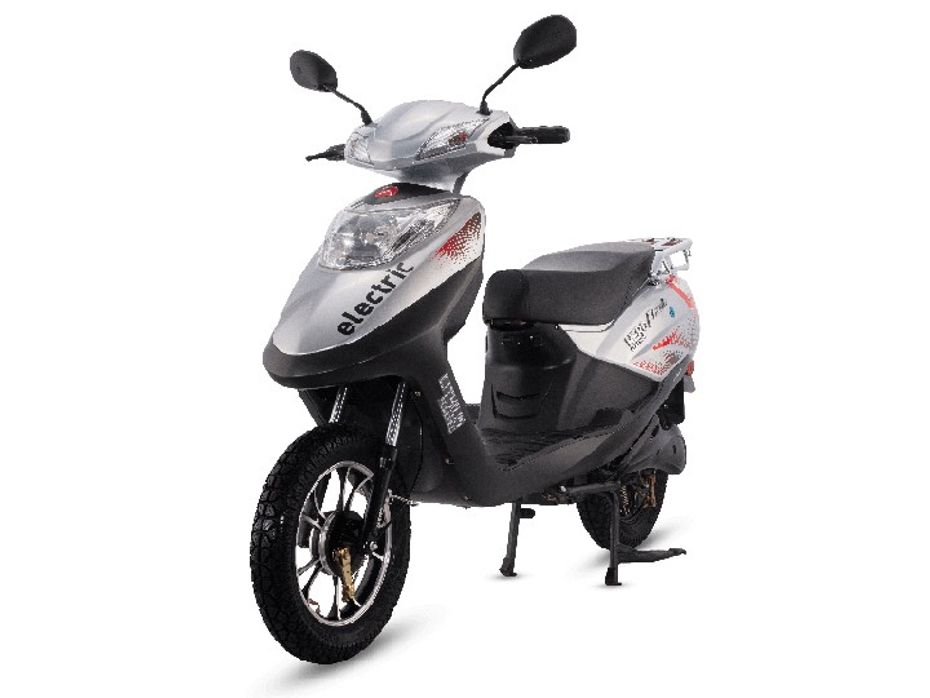
More importantly, Low-speed EVs don’t need any sort of license or registration as they do not come under the ambit of a typical ‘motor vehicle’. This means they are also exempted from road tax and registration tax as well. This makes them ideal for beginners and also, senior citizens. In some cases, such low-speed e-scooters are also used for delivery and other B2B purposes.
On the other hand, a High-speed EV will have to be registered just like any ICE vehicle and will require a valid license to be operated. These are usually bought for personal use as a secondary or primary vehicle.
Features
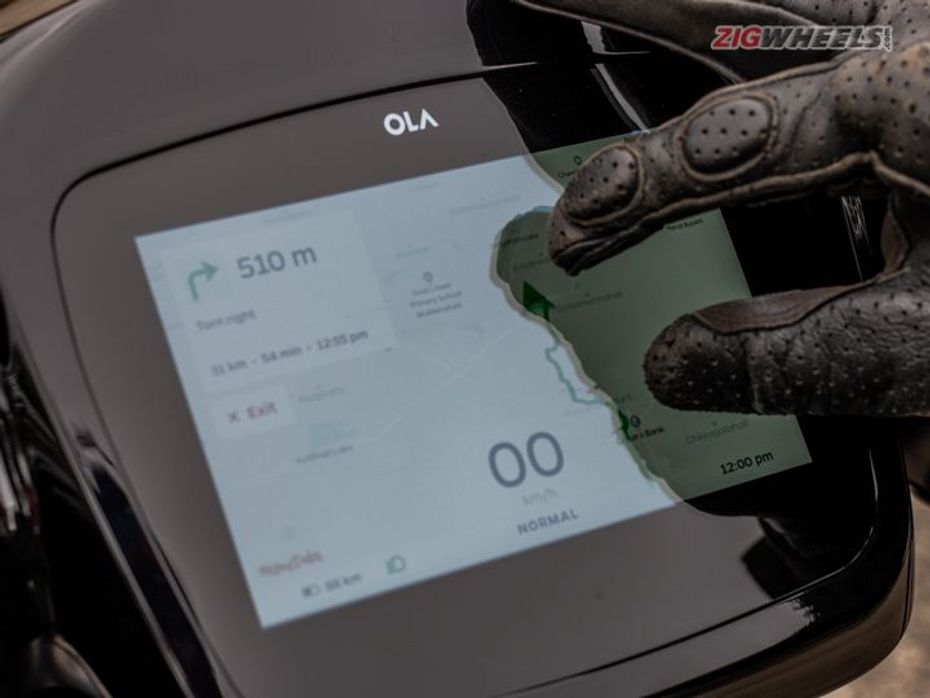
Since the Low-speed electric two-wheelers are often cost-conscious, they’re built for a price with minimal features. Meanwhile, High-speed EVs are loaded with tech. To name some, you can find some of them equipped with a full TFT display, Bluetooth enabled smartphone connection, GPS, Over The Air (OTA) update capabilities and a lot more.
Not just that, a lot of Low-speed EVs are equipped with a front and rear drum brake setup as their top speed does not necessitate more sophisticated braking. On the other hand,the High-speed ones usually get a front disc and rear drum brake, usually with CBS as standard.
Pricing
One of the key aspects when buying any vehicle, let alone an electric one is pricing. Low-speed EVs usually retail between Rs 40 - 70,000 (ex-showroom) whereas High-Speed EVs can cost from Rs 80,000 to upwards of Rs 1.5 lakh (ex-showroom).
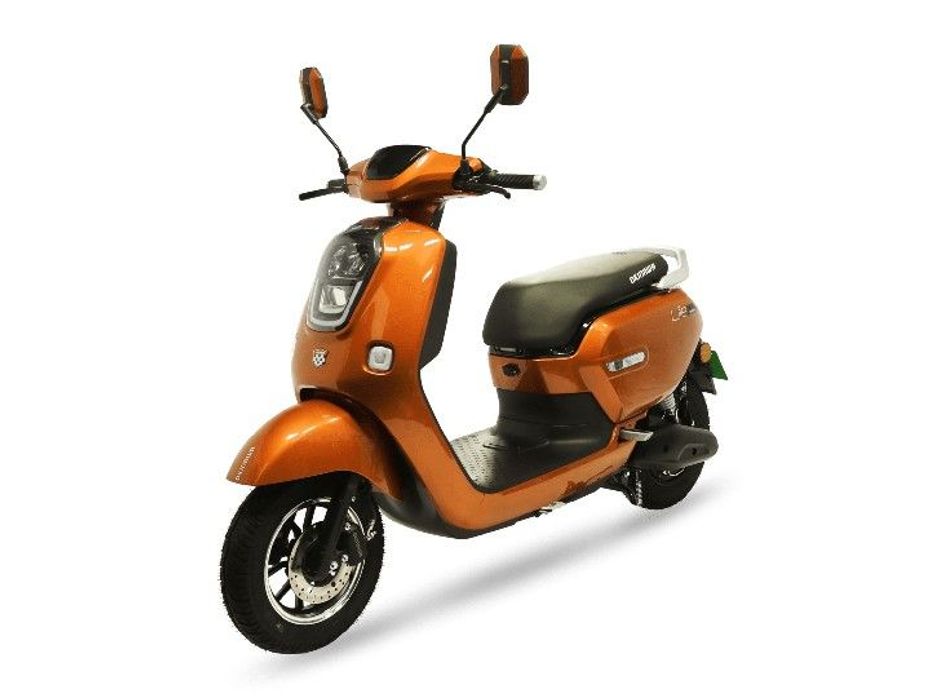
Some of the popular Low-speed EVs include the Hero Electric Flash LX, Optima LX, Okinawa Lite and the Okinawa R30. Not to mention, pedal-assisted and pure electric bicycles are also included under the Low-speed category.
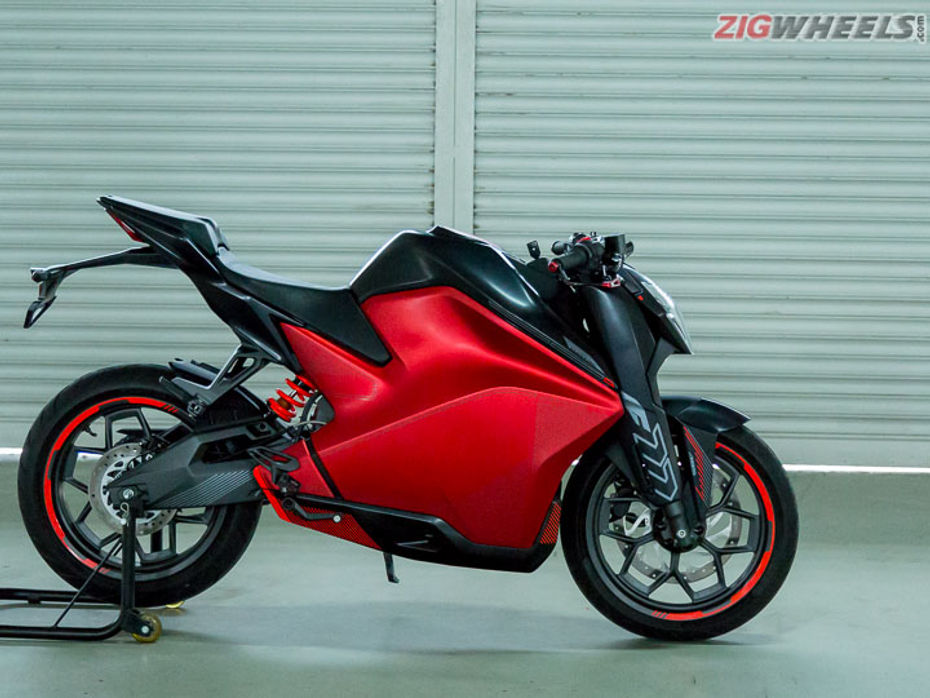
And some of the High-speed EVs include the Ola S1 Pro, Ather 450X, TVS iQube Electric and Revolt RV 400. The RV400 is the most popular e-bike and if you are looking for a performance oriented electric motorcycle, then check out the Ultraviolette F77.


ZigWishlist: Ather 450X Pro Max And More Updates We Would Like To See
Ather 450X Long-term Report 1 - 500km: How To Adapt?
EV Tech Simplified: Battery IP Ratings Explained
EV Simplified: Pros And Cons Of Fast Charging
Ather Konarc Explained In Detail With Real-Life Images
Ather’s Rizta Now Has A Mini-Me, And It Rocks!
BREAKING: Ather Konarc Launched In India!
Ather Konarc Family-Oriented E-Scooter: What To Expect?
Top 5 Things Which Make The Ampere Magnus Neo The Best First Electric...
New Bajaj Pulsar 125: First Look Review
India's largest automotive community
Triumph Bonneville T40
₹ 2.55 Lakh
Honda XR 300 Rally
₹ 2.08 Lakh
Honda XR 300L
₹ 1.83 Lakh
Aprilia SXR GT 175
₹ 1.30 Lakh
Aprilia SXR GT 125
₹ 1.10 Lakh
Volvo EX90
Rs. 1.20 Crore
Volvo ES90
Rs. 1.10 Crore
Toyota Glanza Facelift
Rs. 6.85 Lakh
Hyundai Bayon
Rs. 10.00 Lakh
Audi Q3 2026
Rs. 48.00 Lakh
 Upcoming Bajaj Pulsar RS200 Spied Testing & NS200 Reaches Dealership
 Upcoming Triumph Street Triple, Tiger 900 And Tiger 1200 To Get Major Updates
 Ampere Nexus EX+ Launched In India; Gets More Power And New Features
 Triumph Bonneville T40: New Platform To Spawn More Bikes?
Triumph Bonneville T40 vs Royal Enfield Classic 350: Can The New Bonnie Beat The Classic?
Triumph Bonneville T40: New Platform To Spawn More Bikes?
Triumph Bonneville T40 vs Royal Enfield Classic 350: Can The New Bonnie Beat The Classic?