Best Electric Scooters Of India - Who Promises The Most Range,...
- Jun 6, 2023
- Views : 18575


 Follow us


Electric vehicles have seen a huge surge in its popularity in the last few years and a major contributor to that is the Faster Adoption and Manufacturing of (hybrid &) Electric vehicles Phase II (FAME II) scheme. But the FAME 2 subsidies are about to expire on March 31, 2024. So, in order to tackle that, the central government has announced the Electric Mobility Promotion Scheme 2024 (EMPS) and will be implemented over the next four months: from April 1st to July 31st, 2024.
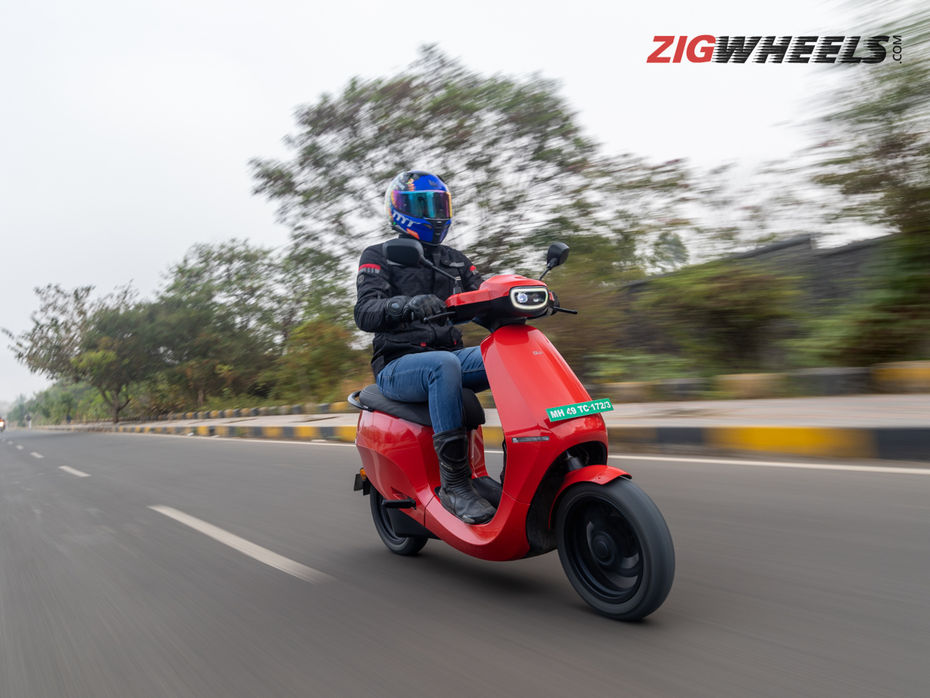
Under EMPS 2024, the government has proposed an outlay of Rs 500 crore for electric two-wheelers and three-wheelers. Out of that, Rs 333.39 crore has been allocated for two-wheelers with a maximum of 3,33,387 vehicles to be supported over those four months. The subsidy for the electric two-wheelers is now set at Rs 5,000/kWh of battery capacity with an upper cap of 15 percent of the ex-factory price of the vehicle. Compared to the FAME 2 subsidy, the upper cap has remained the same in EMPS but the cap per kWh of battery capacity has been halved (Rs 10,000 under FAME 2). Also, there’s an additional capping of Rs 10,000 per EV under EMPS. Thus, prices of EVs will go up from April 1 onwards.
Some of the main criterias to be considered under EMPS 2024 are:
the electric two-wheelers need to be manufactured in India
EV makers need to have local manufacturing and assembly plants for parts like DC-DC converter, batteries, motors, instrument console and more
The minimum vehicle warranty needs to be 3 years or 20,000km, whichever comes first
Considering the importance of the FAME 2 subsidy for the quick adoption of electric two-wheelers over the years, at first glance the EMPS subsidy seems like a welcome move as it’ll still somewhat keep the costs of EVs at an affordable range. But this is only a stop-gap solution and will only last for the next four months, post which the scramble to figure out how to keep the costs in check will start again. EV makers have already been stressed about this problem for months now and without a permanent solution from the government, EMPS is just delaying the inevitable reality of electric two-wheelers getting ridiculously expensive, which in turn most likely reverses the market penetration electric vehicles have achieved so far.
ZigOpinion: Here’s Why The Kawasaki Ninja 7 Hybrid Makes No Sense For India
Upcoming Ather Rizta Electric Scooter Battery Teased And Drop-tested On Video
TVS XL EV And TVS E-XL Names Trademarked; Could Be Electric TVS XL 100’s Name

Also, without any subsidy, larger players like Bajaj and TVS might not suffer too much till a permanent solution arises compared to smaller players like Ather Energy, who are heavily reliant on the subsidies in order to be able to sell its scooters. Probably, that’s the reason why Ather Energy is launching the upcoming Ather Rizta scooter on April 6, as it was waiting on a new set of subsidies before pricing the family scooter.


Best Electric Scooters Of India - Who Promises The Most Range,...
The 2025 Ather 450 Put Through An Insane Track Attack Challenge...
2025 Ather 450 Incoming: Here’s What It Could Be Capable Of
Ather 450 Apex, 450X and 450S Prices To Increase From January 1, 2025
Ather Energy Announces Festive Offers for the Ather 450X And Ather...
Ather Energy Developing Two New Platforms For Upcoming Electric Bikes...
ZigOpinion: EV Subsidies - Should EV Prices Increase?
Ather’s Fast Charging Station Locations Now On Google Maps
Ather Energy To Enter The Sri Lankan Market Soon
TVS iQube
Bajaj Chetak
Vida VX2
Ather 450X
Honda Activa e
India's largest automotive community
Ather Konarc
Rs. 1.02 Lakh
Ather 450X
Rs. 1.51 Lakh
Ather Rizta
Rs. 1.22 Lakh
Ather 450S
Rs. 1.01 Lakh
Ather 450 Apex
Rs. 1.95 Lakh
Suzuki Access 125
Rs. 82,185
TVS Jupiter
Rs. 74,400
TVS iQube
Rs. 1.20 Lakh
TVS NTORQ 125
Rs. 84,350
Ather Konarc
Rs. 1.02 Lakh
Hyundai Bayon
Rs. 10.00 Lakh
Mercedes-Benz GLC Electric
Rs. 80.00 Lakh
Mahindra Thar E
Rs. 25.00 Lakh
 BREAKING: All-New Bajaj Pulsar N250SS Launched; Gets More Powerful & New Features
 New Honda CBR500R Four Unveiled: Inline-Four Engine For The Win
 450cc Norton Roadster To Debut At EICMA 2026; India Launch In 2027
 All-New Aprilia SXR GT 175 Review: Top Likes And Dislikes
2027 Kawasaki Z1100 Launched: New Model Year, Same Bike