BREAKING: Triumph Bonneville T40 Launched In India; The Baby Bonnie...
- Oct 6, 2026
- Views : 8250



 Follow us

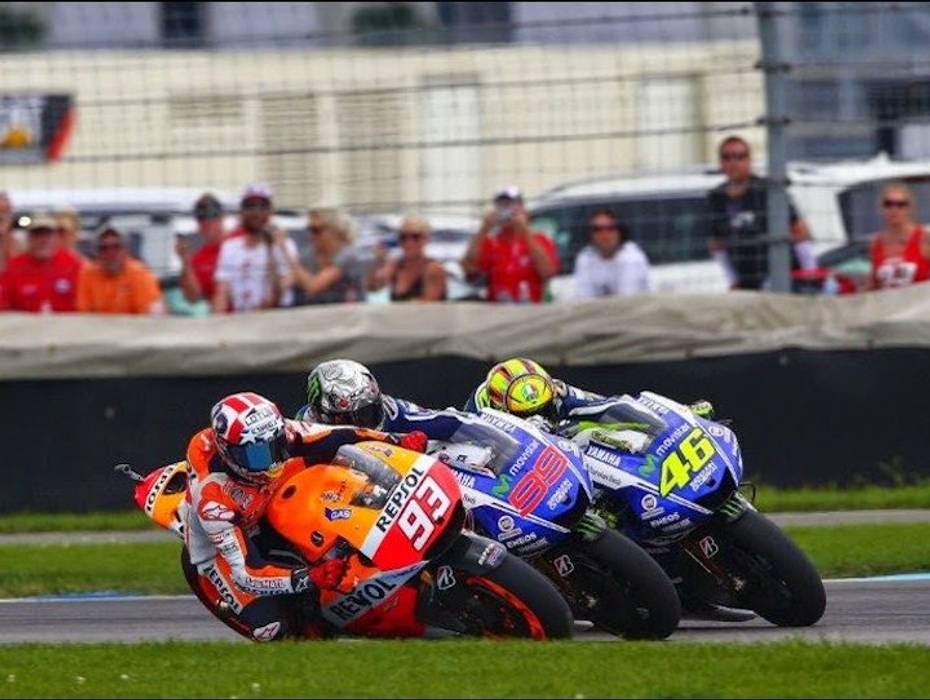
In just a month from now, one of the most spectacular racing championships ever conceived will finally resume its season after its opening round was partially run in Qatar on March 8.
Motorcycles in excess of 250bhp, piloted by some of the fittest (probably some of the craziest too) athletes in the world will get the 2020 FIM MotoGP season underway in Austria on July 19.
What is it?
Running since 1949, the FIM Road Racing World Championship Grand Prix is to motorcycles what Formula 1 is to cars. The pinnacle of circuit racing for prototype racing motorcycles has had a long and colourful history. The cast of characters has included both the greatest riders and manufacturers that have used the series to build their reputation on racing success.
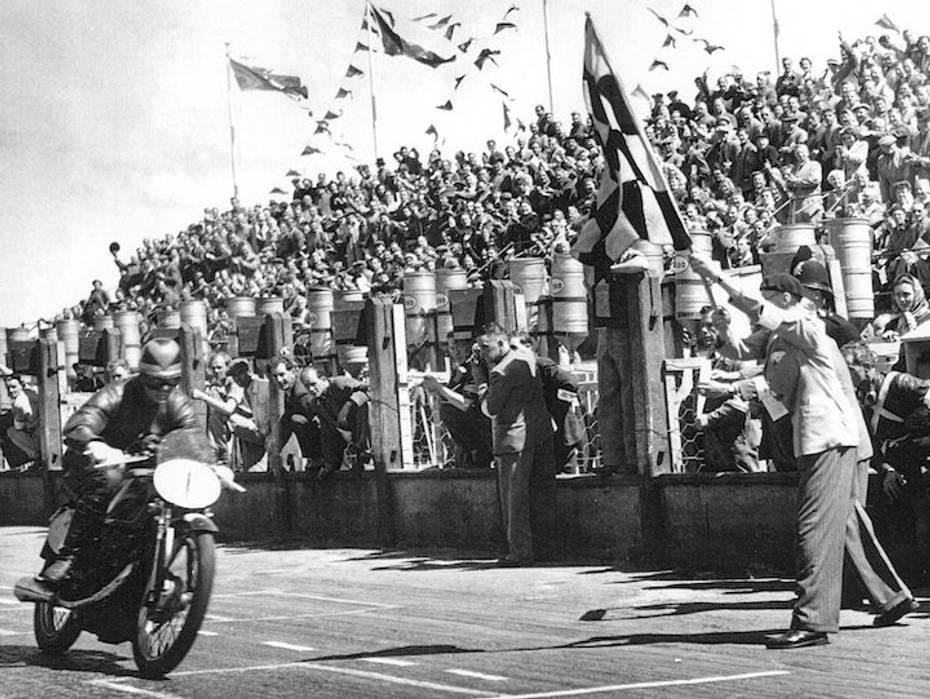
Starting with four classes -- 125cc, 250cc, 350cc, 500cc and sidecars -- in its inaugural season, MotoGP has seen periods of dominance by riders from Italy, Great Britain, the United States and Spain. In aggregate terms, Italy and Spain account for the most number of titles won, with 79 and 52, respectively. Italian riders have won 20, the most number of premier class/500cc titles, while Spain has only recently started to make inroads. A Spanish rider won all but one of the premier class titles in the last decade.
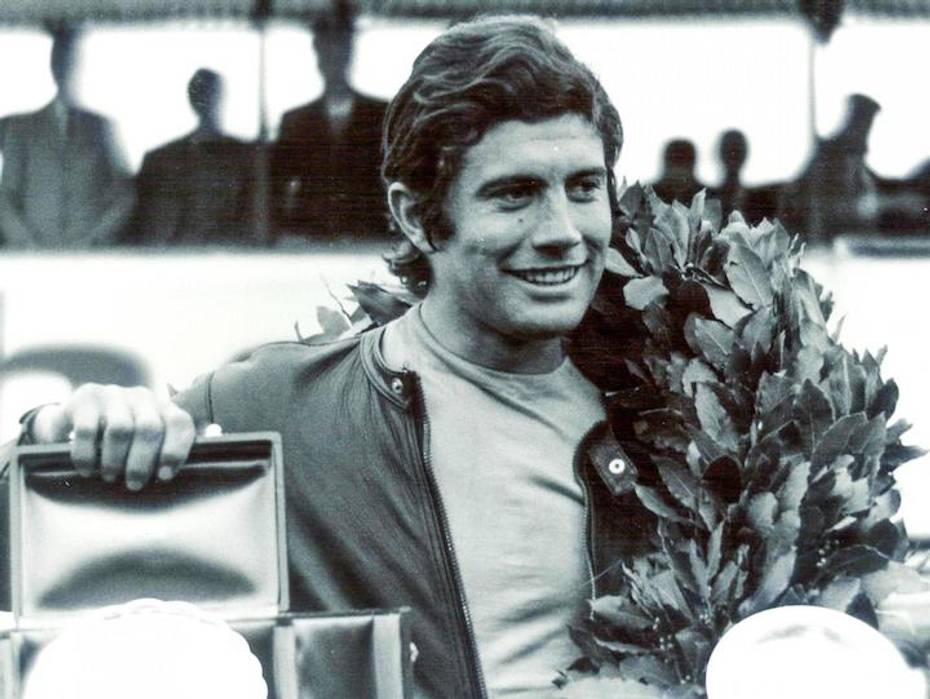
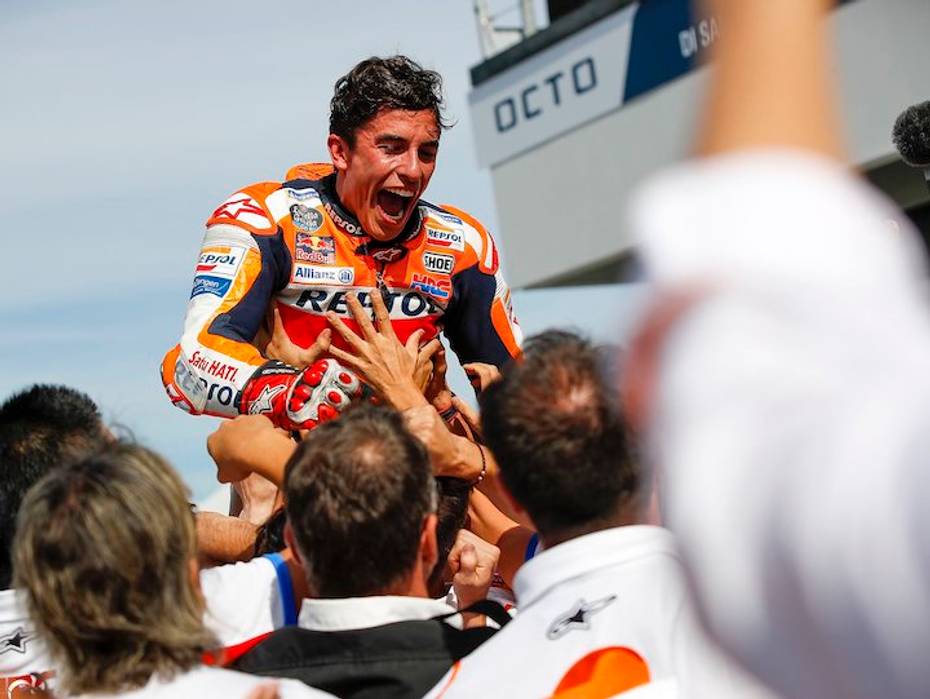
It was a period of domination similar to the one the American riders enjoyed from 1983 to 1993 with the 500cc title for all but one year. Italy’s Giacomo Agostini holds the record for having won the most premier class titles at eight, with compatriot Valentino Rossi just behind at seven. Of late, Spain’s Marc Marquez has won six premier class crowns since his debut in MotoGP’s top category in 2013.
Honda and Yamaha are by far and away the most successful manufacturers in MotoGP with the two Japanese marques accounting for 71 and 47 titles across different categories, respectively. Honda also tops the table of premier class titles at 25 while Italy’s MV Augusta is second at 16, followed by Yamaha at 14. No other manufacturer comes close to these three.
How is it run?
Moto2 and Moto3 are the support events for MotoGP and each class runs a full three-day race weekend with four practice sessions (three for Moto2 and Moto3), qualifying and a sprint race lasting no more than 45 minutes. The fastest times over the first three practice sessions -- 45 minutes for MotoGP, 40 minutes for Moto2 and Moto3 -- decide which riders get to participate in QP1 or QP2.
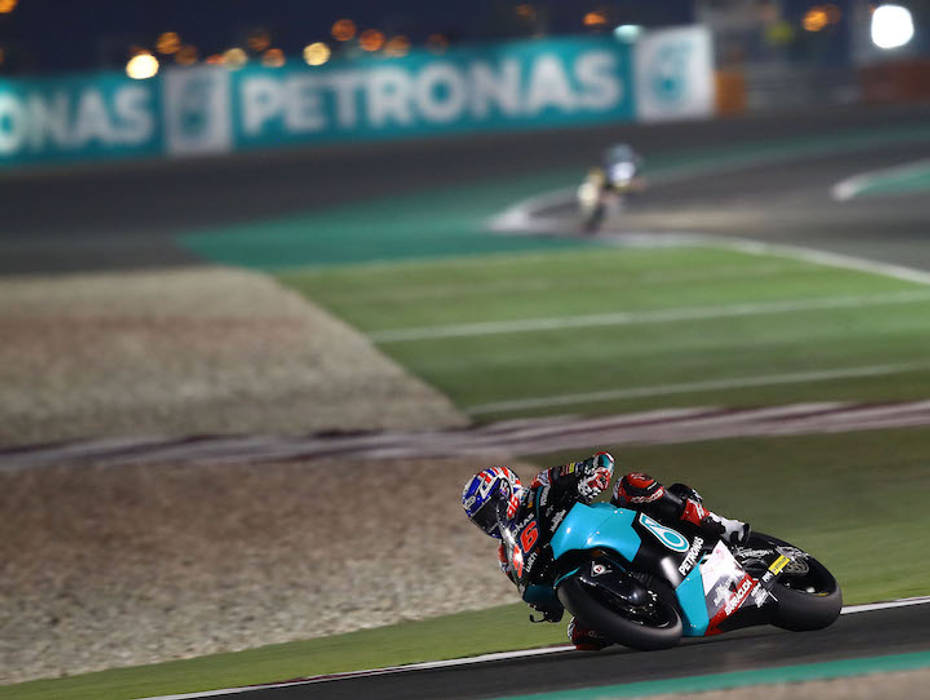
The QP1 qualifying session is set aside for riders who set the ten fastest times over the course of the three practice sessions. Riders placed 11th and lower take part in QP2, in which the two fastest riders get to join the riders already in QP1. MotoGP riders get a fourth free practice session before their two qualifying practice sessions.
Pre-race warm up sessions precede the sprint races for all three classes in which riders are not allowed to pit for tyres or fuel. The exception to this rule is wet weather races where riders pull into the pits and hop on board a bike that is already fitted with intermediate or wet weather tyres.
All three classes award points to the top 15 finishers on a 25-20-16-13-11-10-9-8-7-6-5-4-3-2-1 basis.


BREAKING: Triumph Bonneville T40 Launched In India; The Baby Bonnie...
5 Yamaha Bikes We Wished Yamaha Launched In India
Triumph Bonneville T40 vs Royal Enfield Classic 350: Can The New...
Upcoming Triumph Bonneville 400 Spied Again
All-New Bajaj Pulsar 125: Top Likes & Dislikes
BREAKING: Royal Enfield Classic 350 Gets A New Shade
New Royal Enfield Himalayan 750 Spyshots Reveal 4 Colours
Upcoming Bajaj Pulsar NS400Z & NS200 To Get Smarter: Spotted At A...
2027 Kawasaki Ninja H2 Revealed Internationally
India's largest automotive community
VLF Strada
₹ 1.20 Lakh
Triumph Bonneville T40
₹ 2.55 Lakh
Honda XR 300 Rally
₹ 2.08 Lakh
Honda XR 300L
₹ 1.83 Lakh
Aprilia SXR GT 175
₹ 1.30 Lakh