Genesis Is Coming to India in 2027; Hyundai’s Luxury Brand To...
- Oct 15, 2025
- Views : 801



 Follow us

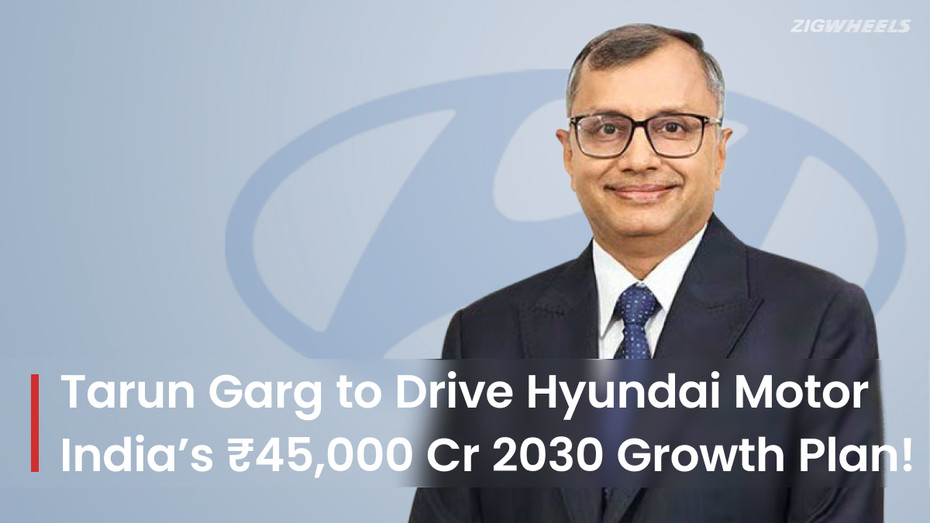
When you’ve been in a market for nearly three decades, it’s easy to rest on your laurels. But Hyundai Motor India clearly isn’t taking the scenic route; it’s gunning straight for the future. The Korean giant just laid out an ambitious Rs 45,000-crore investment plan by FY2030, and this one’s not just about numbers; it’s about a shift in narrative.
And at the centre of this tale is Tarun Garg, who's just been appointed the first-ever Indian Managing Director and CEO of Hyundai Motor India. If there was ever a moment to utter "Made in India, Led by India," this would be it. Garg's ascension feels like a symbol, a homegrown leader steering a firm that did much to shape India's automobile market of the modern era.
Hyundai’s global bosses have made one thing clear: India isn’t just a key market anymore; it’s the market. The plan is to make Hyundai Motor India the second-largest region within Hyundai’s global business by 2030. Think of it as Seoul giving Gurugram the keys to the global garage.
Here’s what that massive cheque will buy:
26 launches till FY2030, 7 of which are brand-new nameplates. Count on Hyundai to sweep into new territory, MPV and off-road SUV are now officially on the cards.
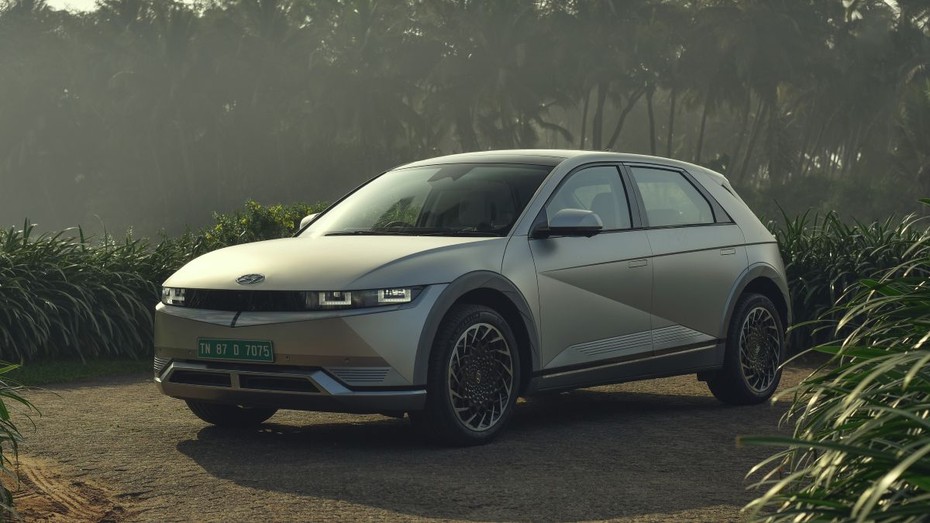
India's first locally produced dedicated electric SUV by 2027. No retrofit, no import, an actual homegrown EV designed for Indian roads.
Genesis, the luxury brand of Hyundai, will make its long-awaited entry into India by 2027. Get ready for a whiff of Seoul with your silk.
A 15 percent plus domestic market share target, with 80 percent plus of that from SUVs and more than 50 percent of the fleet on cleaner powertrains, from EVs to CNGs to hybrids.
And, yes, exports are a large game too; up to 30 percent of Hyundais made in India may be off to international destinations soon.
While world leaders such as José Muñoz and Unsoo Kim offered long-term corporate optimism, Tarun Garg offered local realism. His words were less "boardroom" and more "bazaar," highlighting Hyundai's growth into 85% of India's districts and having rural markets accounting for almost a third of overall sales by 2030. That's the kind of conversation you can expect from someone who gets that India's automotive narrative is not one written in metros, it's one written in small towns and dusty roads.
And if Hyundai can really localise, not only in manufacturing but in knowing Indian consumers, from EV doubters to SUV enthusiasts, this master plan might just work.
Beyond all the stats and targets, what stands out is the human angle, an Indian leader, a deeper India focus, and a plan that tries to balance ambition with inclusivity. In a decade where the EV race and tech disruption could easily leave legacy players floundering, Hyundai’s decision to evolve its manufacturing into a “Software-Defined Factory” shows that it’s not afraid to rethink how cars, and car companies, are built.
Hyundai’s Rs 45,000-crore blueprint reads like a growth manifesto, not a press release. And with Tarun Garg in the driver’s seat, the company seems more “India-ready” than ever before. If Hyundai can deliver on this roadmap, blending tech with touch, global scale with local soul, 2030 might just be the decade it shifts from being India’s favourite import to India’s most influential automaker.


Genesis Is Coming to India in 2027; Hyundai’s Luxury Brand To...
Tata Sierra EV Launch Tomorrow: Check Out These 7 Other EVs Launching...
Tata’s Avinya Now Gets A New Platform! Launching In 2027…
What New Cars Will Mahindra Be Introducing In India This Year? And...
Tata Avinya’s Steering Wheel Won’t Be Like The One Found...
Skoda Lineup For The Auto Expo 2025: Everything You Need To Know
These Cars Will Likely Be The Much-awaited Launches Of Next Year
Top 10 Upcoming Cars in 2024: You Might Want To Consider Waiting For...
2024 Hyundai Tucson: Old vs New Compared
Tesla Effect? Ola Electric Commences Construction Of India’s...
India's largest automotive community
Hyundai Creta
Hyundai Venue
Hyundai i20
Hyundai Verna
Hyundai Exter
Porsche Macan EV
Rs. 1.22 Crore
Rolls-Royce Ghost Series II
Ferrari Amalfi
Audi Q3 2026
Rs. 48.00 Lakh
Tesla Roadster
Rs. 1.30 Crore
Hyundai Bayon
Rs. 10.00 Lakh
Mercedes-Benz GLC Electric
Rs. 80.00 Lakh
 Mahindra XUV 3XO ZNG Launched At Rs 9.99 Lakh: All You Need To Know!
 Toyota Glanza Facelift Launched At Rs 6.99 Lakh! Premium Hatchback Gets Big Safety And Powertrain Updates!
 All-New Hyundai Bayon Compact SUV Revealed! Sportier Compact SUV To Sit Below Creta
 2026 Audi Q3 Short Review: What We Liked & What Needs To Improve
Volvo Launches EX90 Flagship SUV At Rs 1.26 Crore: Swedish EV Luxury With 625 Km Range
2026 Audi Q3 Short Review: What We Liked & What Needs To Improve
Volvo Launches EX90 Flagship SUV At Rs 1.26 Crore: Swedish EV Luxury With 625 Km Range