2025 Hyundai Venue Vs Tata Nexon: Which Sub-4m SUV Will You Pick?
- Nov 7, 2025
- Views : 2297



 Follow us

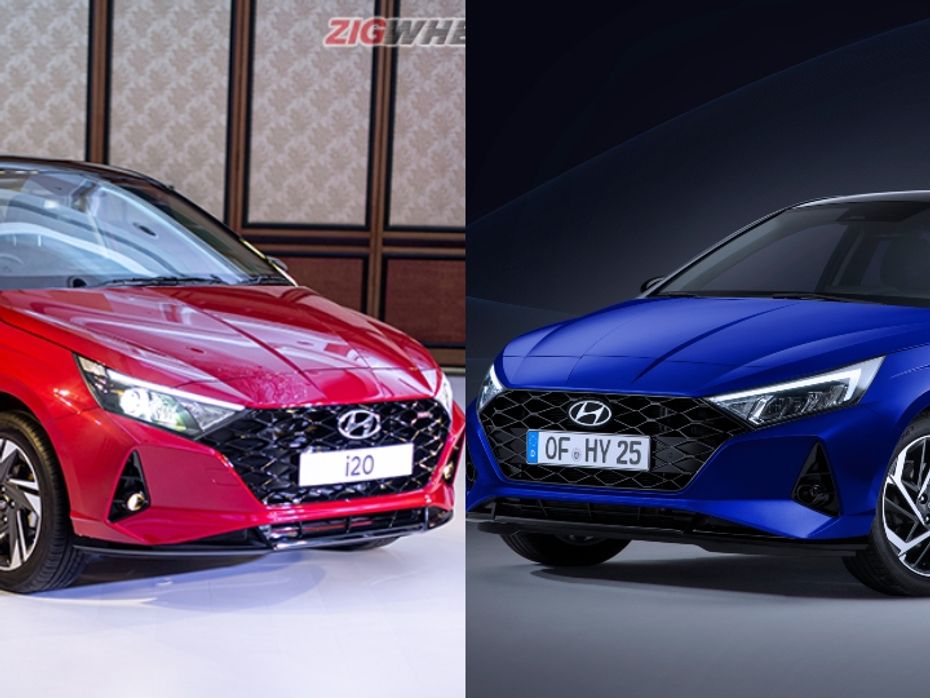
Hyundai India recently launched the third-generation i20 premium hatchback at Rs 6.80 lakh to Rs 11.18 lakh (ex-showroom). The hatchback itself is quite the generational upgrade inside and out. In fact, it has plenty of similarities to the European-spec i20 that debuted back in February 2020. That said, there are certain differences between the two hatchbacks which aren't exactly visible with the naked eye. Here’s more about them:
Slim Margins
|
Measurements (mm) |
2020 i20 (European spec) |
2020 i20 (India spec) |
|
Length |
4040mm |
3995mm |
|
Width |
1775mm |
1775mm |
|
Height |
1450mm |
1505mm |
|
Wheelbase |
2580mm |
2580mm |
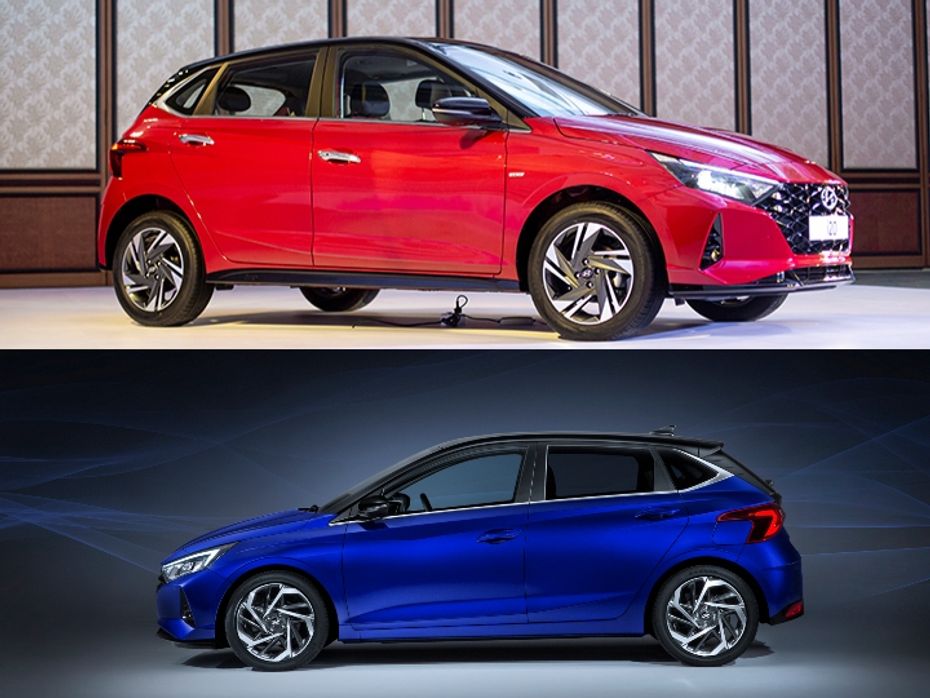
In terms of dimensions, the two hatchbacks are pretty similar aside from the Euro-spec i20 being 45mm longer than its India counterpart. The reason for the India-spec model being shortened is to fit in to the sub-4metre rule. That said, the India-spec i20 is 55mm higher which is more ideal for our roads.
Both hatchbacks are nearly identical with some subtle market-specific differences. The India-spec i20 utilises projector LED headlamps and smaller 16-inch alloy wheels whereas the Euro-spec i20 gets full-LED headlamps and bigger 17-inch alloys. If you look closely towards the rear, the India-spec i20 features a chrome bar that runs across the rear and into the tail lamps. This isn’t present in its European counterpart.
Cabin
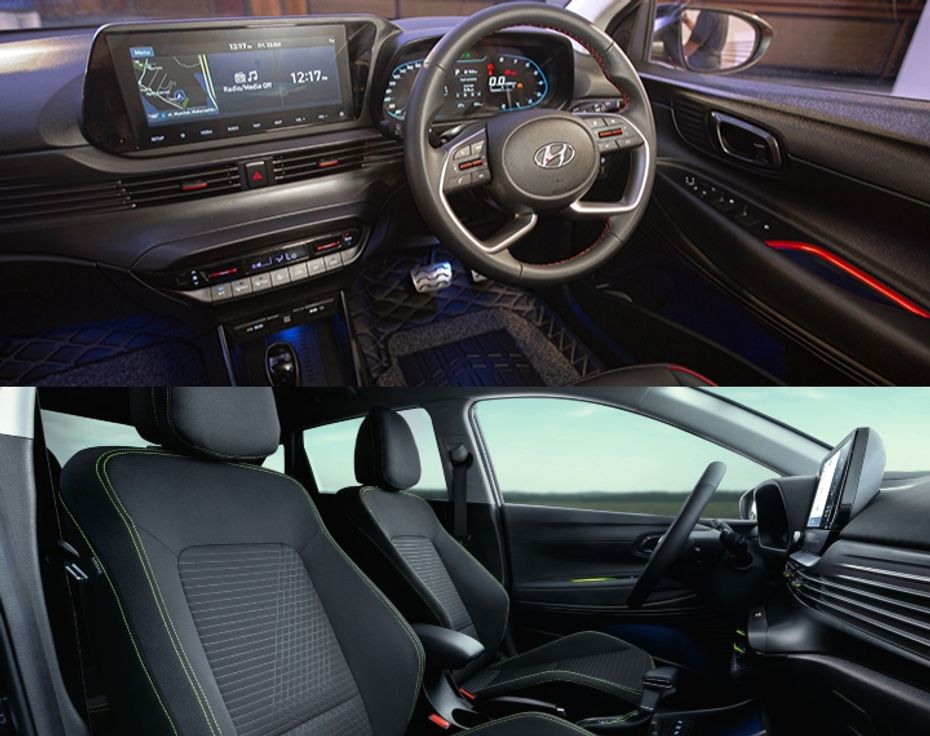
Common cabin highlights include an all-black theme, Audi-like faux AC vents, a 10.25-inch touchscreen infotainment system, and a four-spoke steering wheel. The main difference here is that the India-spec i20 gets the Verna’s semi-digital instrument cluster, instead of the 10.25-inch full-digital display in the Euro-spec i20. The interior trims are also different, with the former getting the option of red accents (turbo variants only) and the latter getting yellow-green accents.
Features
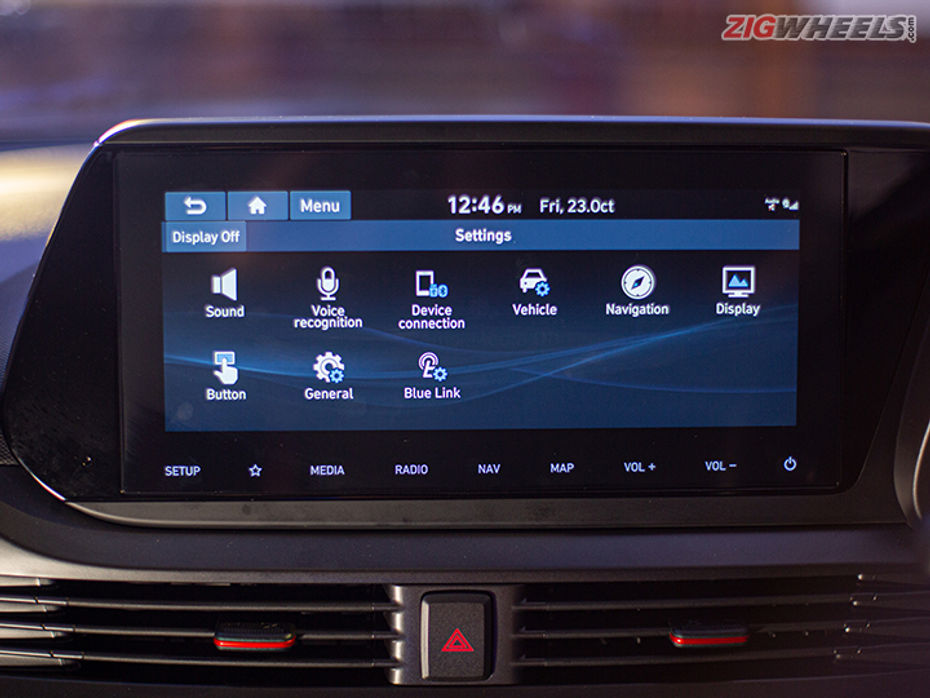
Thankfully, both hatchbacks are loaded with common bits such as Android Auto and Apple CarPlay, BlueLink connected car tech, ambient lighting, wireless charging, keyless entry and push button stop/start, and a Bose sound system. But the Euro-spec i20 edges out with an 8-speaker Bose sound system, compared to the 7-speaker Bose unit in the India-spec i20, as well as Hyundai SmartSense range of safety assists. They include navigation-based smart cruise control, speed limit assist, lane following assist, blind-spot/forward collision avoidance assist, and high beam assist.
Powertrains
|
India-spec |
i20 1.2-litre Petrol |
i20 1.0-litre Turbo-petrol |
i20 1.5-litre Diesel |
|
Power (PS) |
83PS (MT)/88PS (CVT) |
120PS |
100PS |
|
Torque (Nm) |
115Nm |
172Nm |
240Nm |
|
Transmission Options |
5-speed manual / CVT |
6-speed iMT* / 7-speed DCT |
6-speed manual |
*clutchless manual
|
European-spec |
1.2-litre Petrol |
1.0-litre Turbo-petrol Base |
1.0-litre Turbo-petrol 48v mild-hybrid |
1.0-litre Turbo-petrol 48v mild-hybrid T-GDI |
|
Power (PS) |
84PS |
100PS |
120PS |
120PS |
|
Torque (Nm) |
118Nm |
172Nm |
172Nm |
172Nm |
|
Transmission Options |
5-speed MT |
6-speed MT / 7-speed DCT |
6-speed iMT / 7-speed DCT |
6-speed iMT / 7-speed DCT |
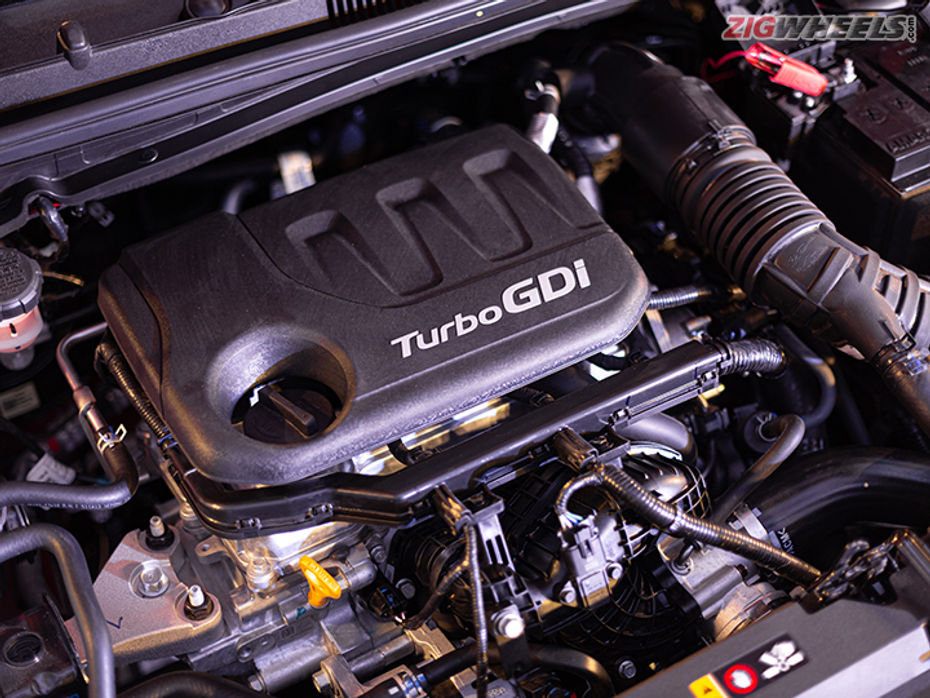
Both hatchbacks get a naturally aspirated 1.2-litre petrol engine as well as a 1.0-litre turbo-petrol engine to work with, but there are slight differences in their configuration. For starters, the 1.2-litre petrol engine in the Euro-spec i20 makes 1PS and 3Nm more than its Indian counterpart with the 5-speed manual gearbox. But it's actually the India-spec i20 that has the more powerful 1.2-litre petrol engine at 88PS if you opt for the CVT gearbox.
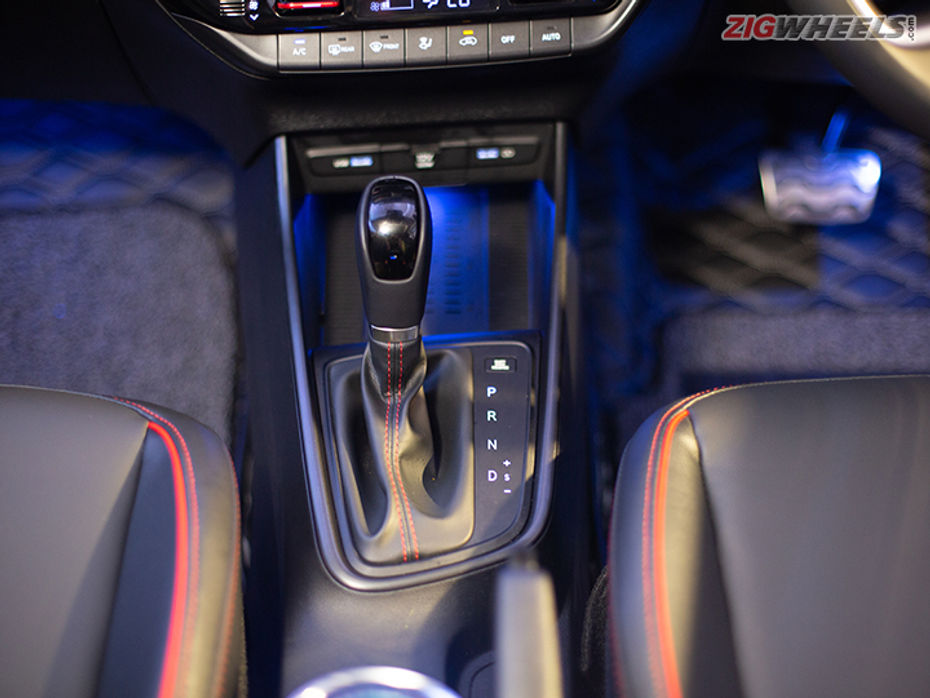
The Euro-spec i20 also offers the 1.0-litre turbo-petrol engine in a lower state of tune as an option and a 48v mild-hybrid system. On the other hand, the India-spec i20 is also powered by a 1.5-litre diesel engine, unlike its European counterpart which is a petrol-only hatchback. Coming to the transmissions on offer, the Euro-spec i20 misses out on a CVT gearbox option for the 1.2-litre petrol engine. Also, the base 1.0-litre petrol variant can be had with a regular 6-speed manual, with the higher end variant featuring the same 6-speed iMT/ 7-speed DCT gearbox options as its Indian counterpart. As a whole, both hatchbacks have their slight pros and cons despite sharing the same petrol-powered engines.
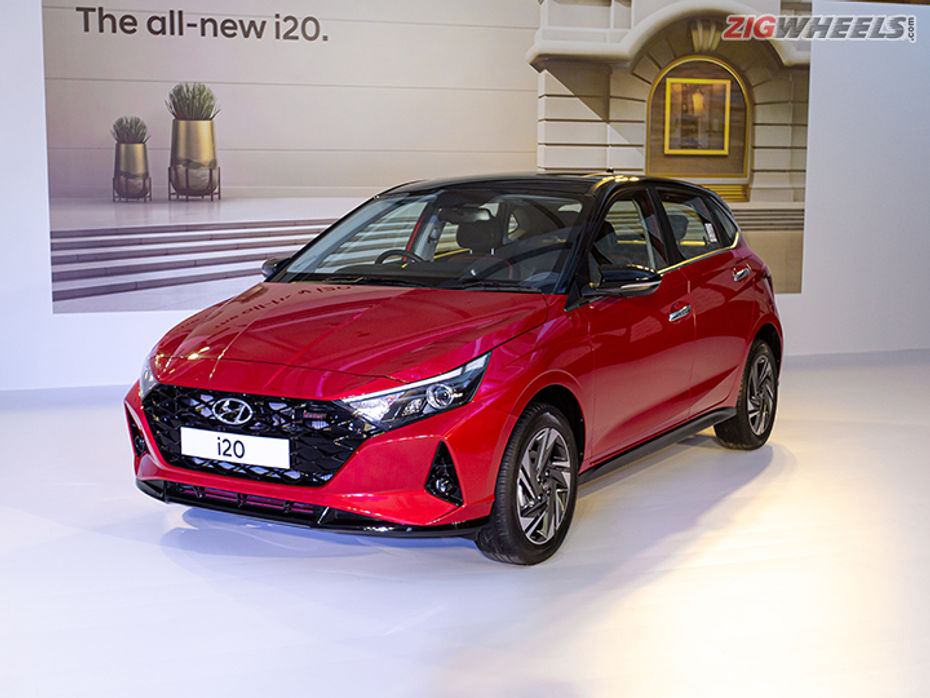
Overall, the Hyundai i20 in India is nearly on par with the hatchback sold abroad and covers pretty much most of what you’d want in a car from this segment. It is offered in four variants: Magna, Sportz, Asta and Asta (O). It rivals the Tata Altroz, Honda Jazz, Volkswagen Polo, Maruti Suzuki Baleno, and Toyota Glanza.


2025 Hyundai Venue Vs Tata Nexon: Which Sub-4m SUV Will You Pick?
Skoda Kodiaq vs Volkswagen Tiguan R-Line: Full Comparison & Why...
Maruti Suzuki Victoris Vs Tata Curvv: Which SUV Offers More Value In...
Which Maruti SUV Should You Go For? Maruti Victoris vs Maruti Grand...
Maruti Suzuki Victoris vs Kia Seltos: Which Compact SUV Offers More...
Maruti Suzuki Victoris vs Maruti Suzuki Brezza: Which Maruti SUV...
Maruti Suzuki Victoris vs Hyundai Creta: Can The Newcomer Take On The...
Maruti Suzuki Victoris Vs Grand Vitara: Which Maruti SUV Deserves...
Hyundai Creta Vs Honda Elevate: Which Compact SUV Should You Pick?
Škoda DNA Tested | Kushaq & Octavia RS On Track! | ZigWheels.com
India's largest automotive community
Tesla Roadster
₹ 50.06 Lakh
Audi Q3
₹ 51.99 Lakh
Toyota Glanza
₹ 6.99 Lakh
Volvo EX90
₹ 1.26 Crore
Skoda Slavia
₹ 10.00 Lakh
 Ferrari’s First EV, The Luce, Unveiled In India: Love It Or Hate It?
 Renault Duster Hybrid Launched At Rs 16.99 Lakh! Most Powerful Hybrid In Its Class!
 All-New Audi Q3 Launched At Rs 51.99 Lakh! German Experience With Class-Leading Ride!
 "Tesla Roadster Sucks" Says Elon Musk, Find Out Why
Mahindra XUV 3XO ZNG Launched At Rs 9.99 Lakh: All You Need To Know!
"Tesla Roadster Sucks" Says Elon Musk, Find Out Why
Mahindra XUV 3XO ZNG Launched At Rs 9.99 Lakh: All You Need To Know!