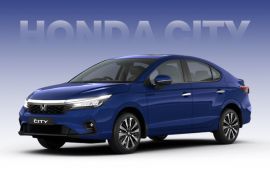

Is The Honda City Still Worth Buying In 2026
- Jun 1, 2026
- Views : 5403



 Follow us

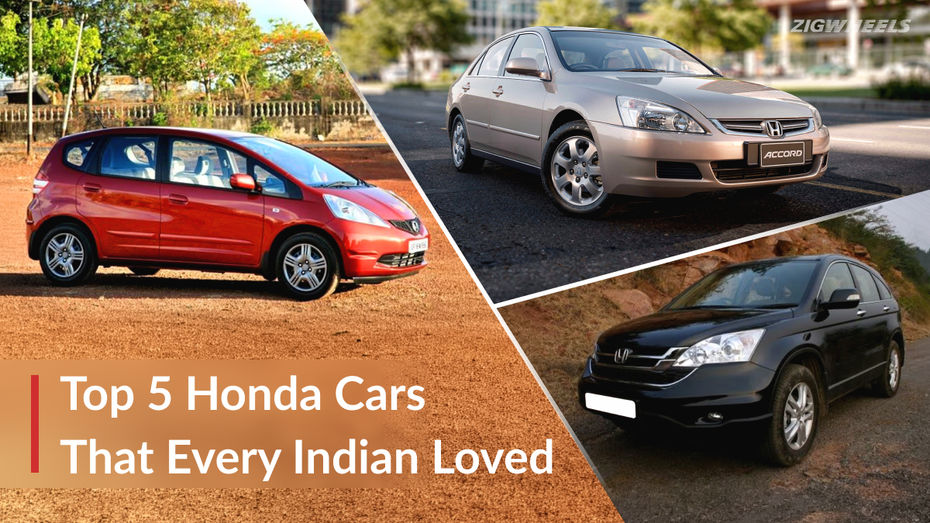
Indian car buyers once treated the 'H' badge as shorthand for success. A Honda in the driveway signalled arrival. Choices were far fewer then, and Honda sat at the top of most upgrade lists. Butter-smooth petrol engines and strong reliability gave the brand a reputation that rivals spent years trying to match.
The City cost real money for most Indian families in the 1990s. Road trips, milestones, hand-me-downs across generations — Honda's cars accumulated that kind of history. Five models stood out, not just for sales figures, but for how widely they featured in Indian middle-class life.
Honda launched the City in India in 1998, and it instantly became the benchmark for mid-size sedans. Rival cars had to catch up. Generations passed, yet the City kept the top position. For Indian families, buying one marked a step up; the cabin was spacious and well-appointed, a clear notch above what contemporaries offered. Under the bonnet was where it pulled furthest ahead.
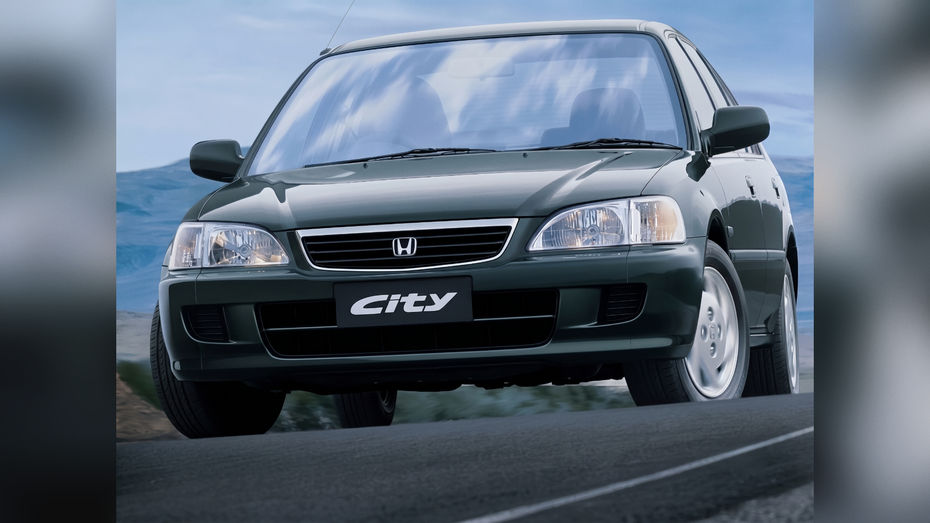
Honda's VTEC (Variable Valve Timing & Lift Electronic Control) engines delivered a mix of performance and smoothness that few rivals could match up to. Tuner circles still celebrate older VTEC models. That loyalty didn't appear overnight; it built across decades of engines that genuinely rewarded revs.
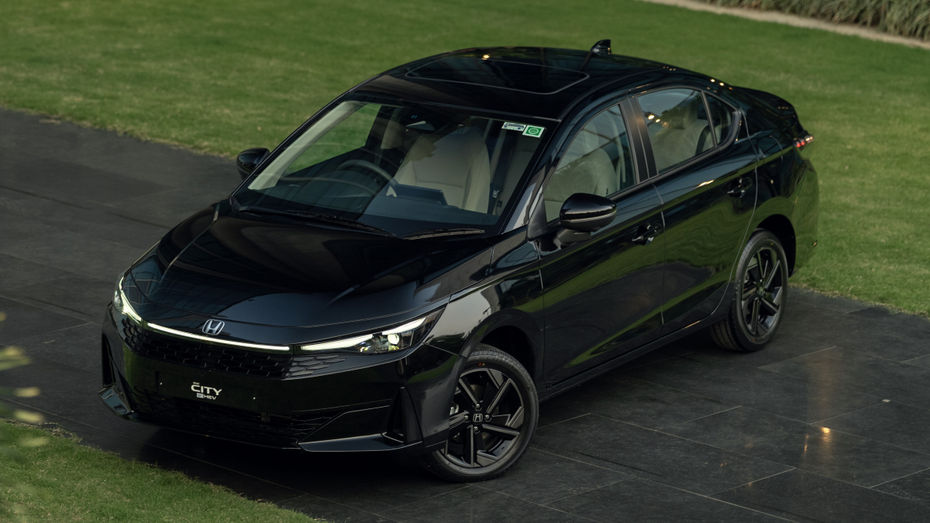
For years, "City" functioned almost as a synonym for premium sedan in India. Strong resale value backed that reputation, keeping demand steady across generations of the car.
For the Indian middle class, the Honda City stood as the aspirational sedan to beat.
Its VTEC engine delivered strong performance with a smooth, refined note.
The cabin was spacious and the ride quality punched above its segment.
Reliability held up well over years; resale values followed.
India got the eighth-generation Honda Civic and nothing else on the road looked quite like it. Low-slung and sporty, it led with a two-tier digital cockpit that looked and felt completely futuristic for its time. With a small steering wheel, a digital speedometer and a cabin thatkept its focus around the driver, the Civic was not aimed at the average commuter, but towards the enthusiast who could appreciate its sophistication.
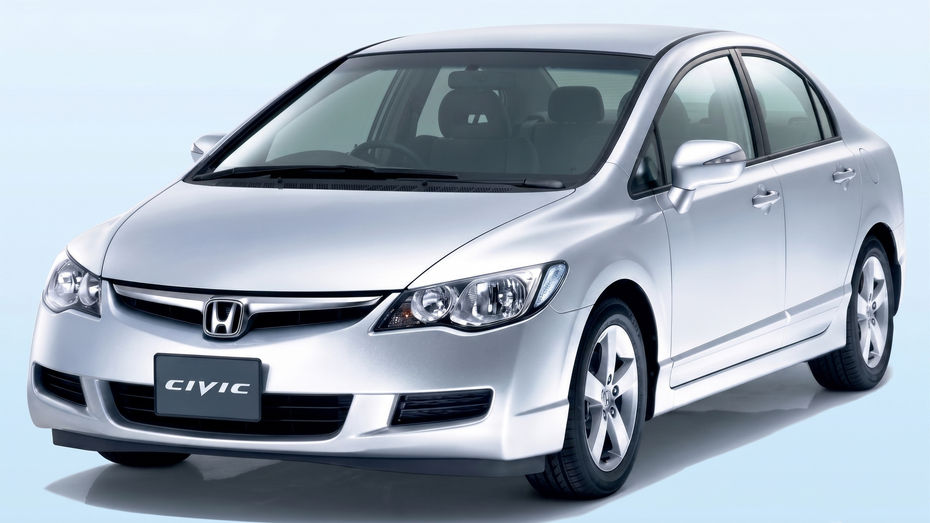
Moreover, Honda's 1.8-litre i-VTEC kept power delivery smooth at highway speeds, while the 5-speed AT offered a refined and convenient experience that stood out from other conventional rivals.
A digital dashboard with a spaceship-style layout.
Low, sporty driving position.
Free-revving 1.8-litre i-VTEC petrol engine with a smooth power delivery.
Premium sedan styling that drew a young buyer base.
For years, the Honda Accord was the ultimate dream car for many. Successful professionals and business owners bought it for the space, comfort, and refinement of a properly luxury car, and added the Japanese reliability factor, while being a lot more usable than entry-level European luxury rivals.
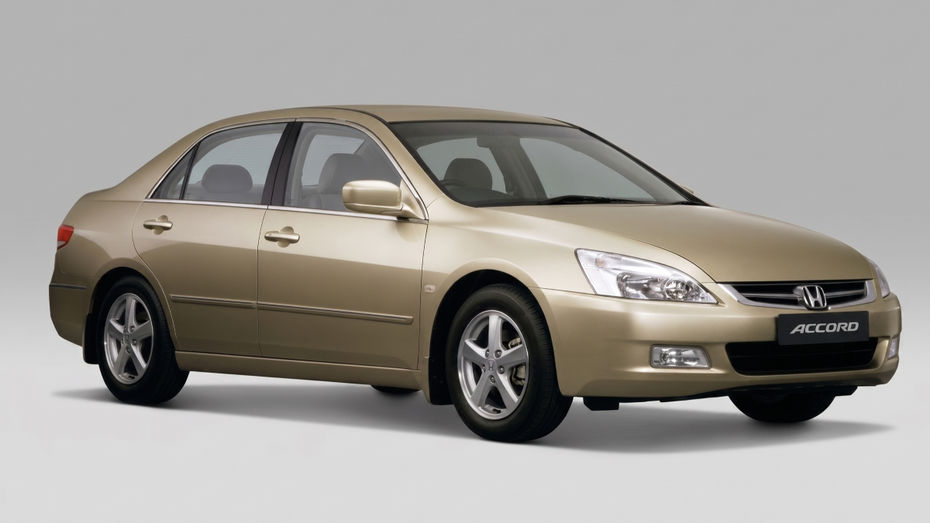
The rear-seat space was limousine-wide, the cabin quiet, and the ride plush enough for long-distance work. Some generations got powerful V6 petrol engines. Honda's engineering showed clearly there.
Sophisticated and impeccably built, the Accord stood apart from its rivals. Honda introduced a hybrid variant in India well before the segment made it fashionable. For many buyers, it was the default symbol of corporate success.
Among the first premium SUVs sold in India, the Honda CR-V arrived well before the segment's current boom. It brought with it the "soft-roader" formula: SUV space and high seating, sedan comfort and driving manners. A useful combination. Indian buyers had not seen it before the CR-V.
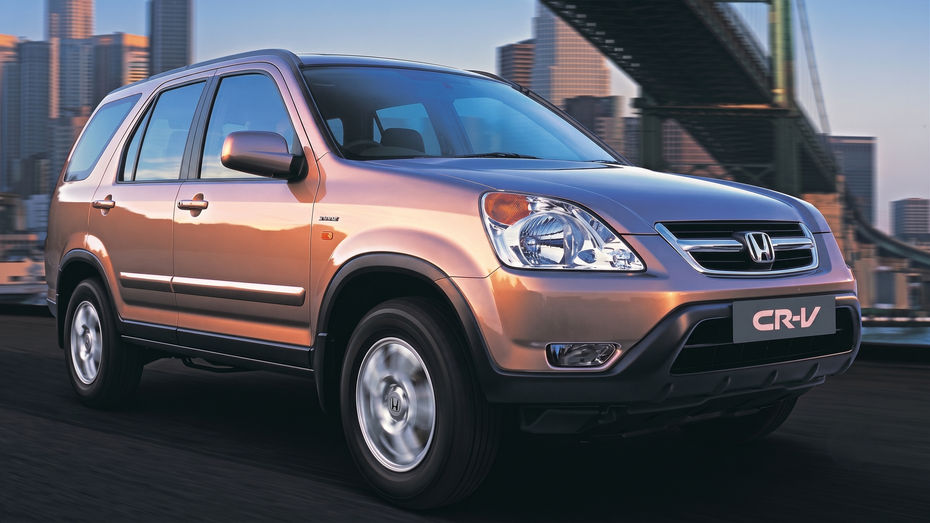
A petrol-only lineup kept the CR-V out of reach for many buyers during a diesel-dominated period. Despite that, it built a loyal, affluent ownership base. Car-like refinement, a comfortable ride, and a versatile interior kept those owners coming back. Well-to-do families found it practical and reliable for both city use and weekend getaways.
In the Indian market, the CR-V was a sophisticated SUV the buyers of that era were not yet ready for.
Honda built the Jazz around one clever trick: the fuel tank sits under the front seats rather than at the rear. That single layout change freed up cabin and boot space exceeding what many sedans from the segment above could manage. Compact outside, cavernous within.
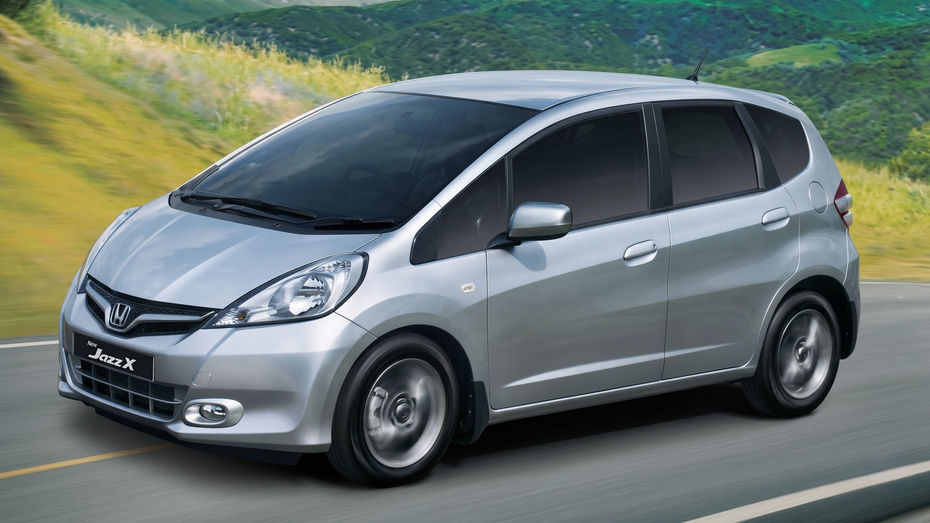
Its standout feature was the ingenious "Magic Seats." Owners could flip, fold, and tuck them away in multiple configurations, loading everything from potted plants to bicycles. No hatchback had offered that kind of cargo flexibility before.
Premium pricing kept some buyers away, but Jazz owners rarely looked back, citing practicality, visibility, and the efficient i-VTEC engine. Function and space came first. Every packaging decision in the car reflected that.
Today, Honda's India lineup is smaller. The City, Civic, Accord, CR-V, and Jazz each set the benchmark in their respective segments, and buyers noticed. Reliability, advanced engineering, a premium feel — all three came as standard. That run of models built a generation of loyalists, and the 'H' badge still carries weight in India's car market because of them.
This article was produced with AI assistance and reviewed by the editorial team.


Is The Honda City Still Worth Buying In 2026
Top 5 Things We Like About The New Honda City
2026 Honda City Short Review: What We Liked & What Needs To Improve
2026 Honda City Facelift Launched In India; ZR-V SUV Unveiled
Hyundai Verna
Tata Sierra
Maruti Baleno
Maruti Dzire
Maruti Wagon R
India's largest automotive community
Honda Amaze
Honda Elevate
Honda ZR-V
Honda Amaze 2nd Gen
Maruti Suzuki Dzire
Hyundai Verna
Hyundai Aura
Volkswagen Virtus
Toyota Camry
Skoda Superb 2026
Rs. 50.00 Lakh
Skoda Slavia Facelift
Rs. 11.99 Lakh
Tata Aeris
Rs. 6.00 Lakh
Mercedes-Benz Maybach S-Class Facelift
Rs. 3.00 Crore
Honda Elevate Facelift
Rs. 11.91 Lakh
 The Complete Used Car Inspection Guide: Check Out The Most Essential Steps Of Buying A Used Car
 2026 Mahindra Thar OG Launched At Rs 10.32 Lakh: Here's What's New
 Tata Launches Legend Series And Dark Edition For Sierra: Gets More Luxury And Stealth!
 MG Hector Tomahawk EV Short Review: So Comfortable!
5 Things We Love About The MG Hector Tomahawk EV
MG Hector Tomahawk EV Short Review: So Comfortable!
5 Things We Love About The MG Hector Tomahawk EV