Family-Friendly SUVs? Mahindra Has Nailed The 7-Seater SUV Formula!
- Jun 11, 2026
- Views : 3014



 Follow us

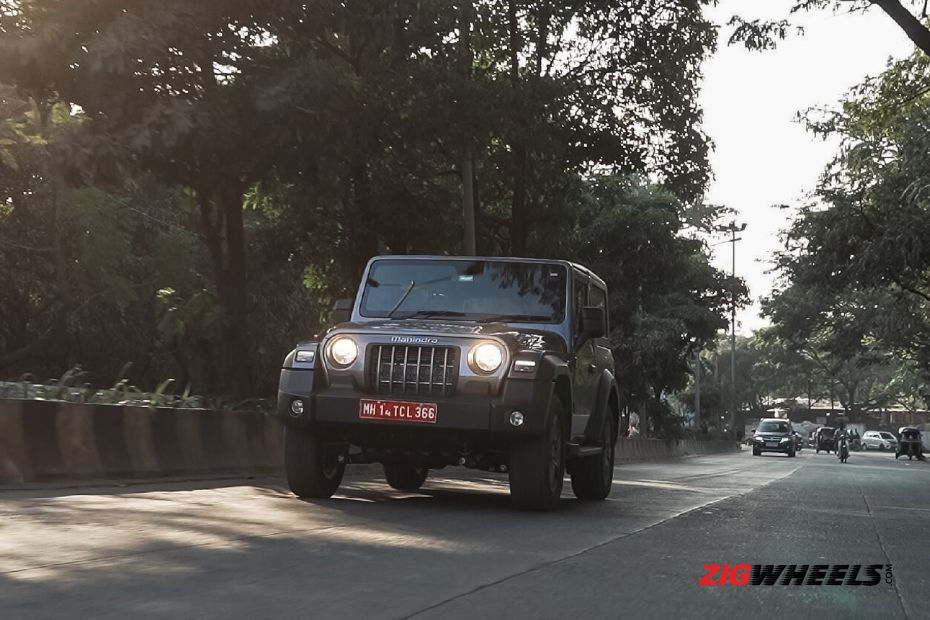
India is no stranger to big and tall SUVs. Going right back to the turn of the century, we’ve had models like the Tata Safari and Mahindra Scorpio on our roads in large numbers. Today, a country supposedly “obsessed with fuel-efficiency” is happily spending tens of lakhs of Rupees on Mahindra Thars, Mahindra Scorpios and Toyota Fortuners.
The shift towards SUVs is not a cultural phenomenon unique to India. It’s a body style that’s bullied its way ahead of sedans on global sales charts. In the USA, for example, nearly 60 percent of all new car sales were SUVs in 2024. Roughly 50 percent of all cars sold in India last year were SUVs though it's debatable as to how we even define this category.
Well lately, the SUV bullying seems to have made its way off the sales charts and entered the real world. Lightly dive into the world of automotive social media and cars like the Thar, Scorpio, Fortuner and Creta have gone from just models to stereotypes. We’ve had big SUVs before but any driving problems were more skill-related than intention-related.
Does this video sound familiar? A black SUV pulls up to a toll plaza and demands the gate be opened for no charge. If refused, the car is either driven through the toll gate or the attendants are assaulted.
Or maybe you’ve seen a convoy of black Scorpios and Thars run their hazard lights and charge through traffic or bring it to a halt altogether to take a video of how much clout they have?
Everyone agrees the activities are hallmarks of a halfwit. Everyone knows these actions are reprehensible. But secretly, everyone wishes they could get away with doing exactly this. “Stick it to the man” as it were, even if the man in question is the common kind. Worst of all, while such videos are common, rarely if ever is there a follow up where the act was punished, serving as a motivation to keep at it!
Here’s an experiment, go to YouTube and type any one of these words - Thar, Scorpio or Fortuner, and look at some of the results that come up. Captions and hashtags like “status”, “power”, “attitude” juxtaposed with videos of SUVs splashing pedestrians through puddles or damn near running them over. If someone did this to you or someone you love, you’d be reaching for the nearest hockey stick not the like button.
Contrarily, type in Honda City and it’s a very different, more civilized picture. The cars didn’t paint this picture, the brands that manufacture them didn’t paint this picture, but it is what’s being perceived. Breaking through toll plazas, blocking busy roads for Instagram reels, shoving cars and cutting them off or attaching flashing blue and red lights - it’s all becoming the first layer of information associated with certain cars.
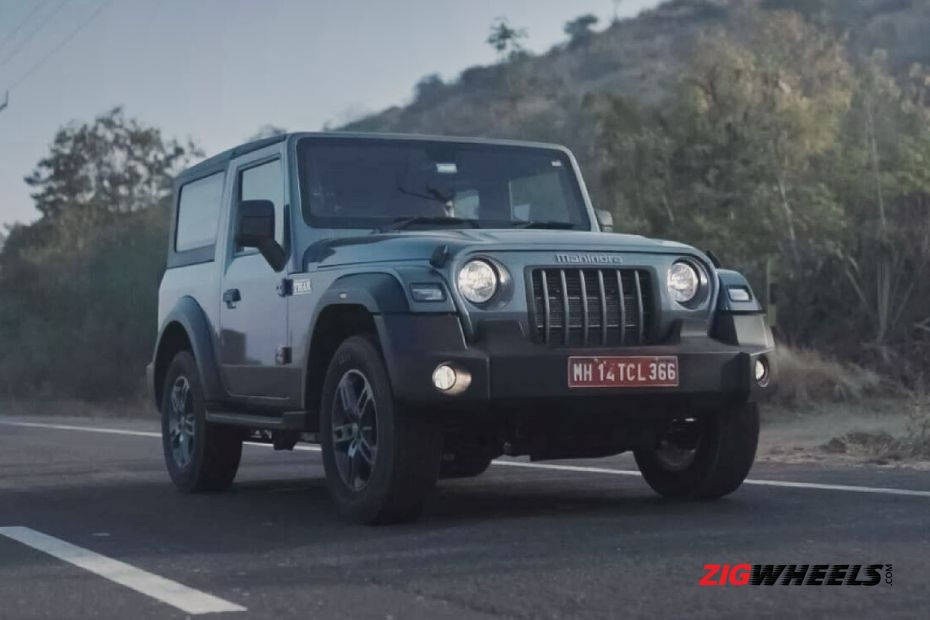
For a lot of people, there’s great appeal to this and I understand it. Stepping out of a Fortuner or Thar, or even sitting high up in their driver’s seat gives you a feeling that’s hard to explain. It’s a feeling that does make you view the world a little differently and makes you believe the world views you differently too. Seeing one of these brutes parked in your garage adds a little protein to the pride you’d take in any car you’d own. At this point, the car transcends into something that’s less about the brochure and more about what it does for your “status” or social validation.
The first and most obvious issue is the literal danger involved. If you think owning a big SUV gives you the right to muscle your way around traffic, the odds of an accident and road rage go up exponentially. Even those who relent and move out of your way harbour resentment for how badly you treated them as a fellow road user and eventually, one bully meets another or at least, someone whose ego won’t take the bullying quietly.
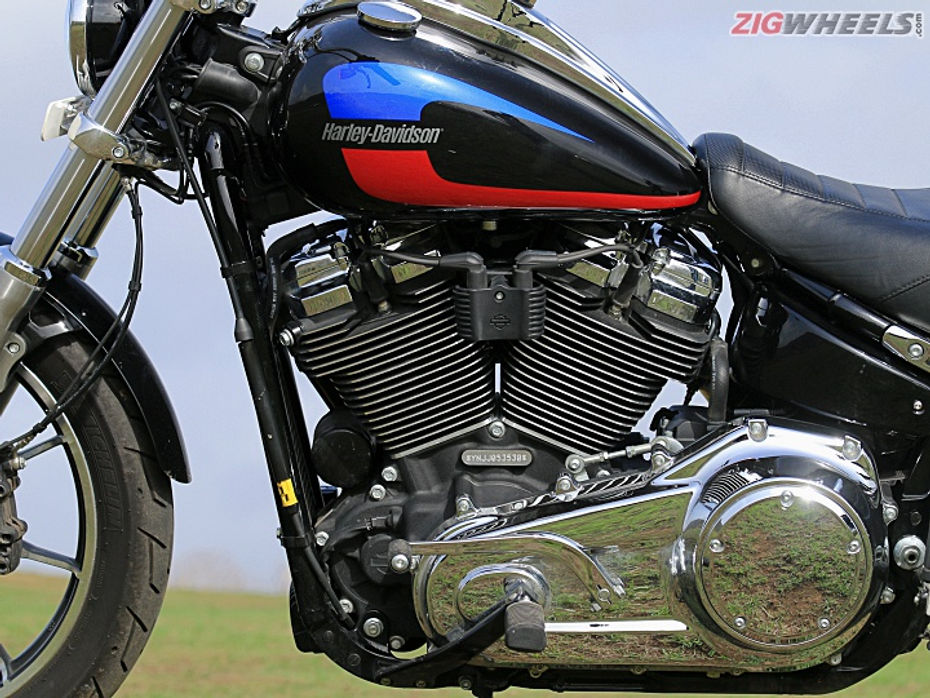
The other issue is something we’ve seen in the two-wheeler world at least twice. In its heyday, Harley-Davidson gained sales for the rebel culture it was associated with. A lot of the brand was built by US Army soldiers who used Harley-Davidsons on the battlefield and could take the same bikes home after the end of World War II. The rebel culture created by this customer base did them a lot of good. Many young men wanted to be associated with this tough perception and the image stuck. But turns out not everyone is interested in being associated with a gang culture or unwarranted bravado. Eventually, this wave of customers aged out of business relevance and as is the norm, the following generations had low-to-no interest in being associated with the trends of those who preceded them.
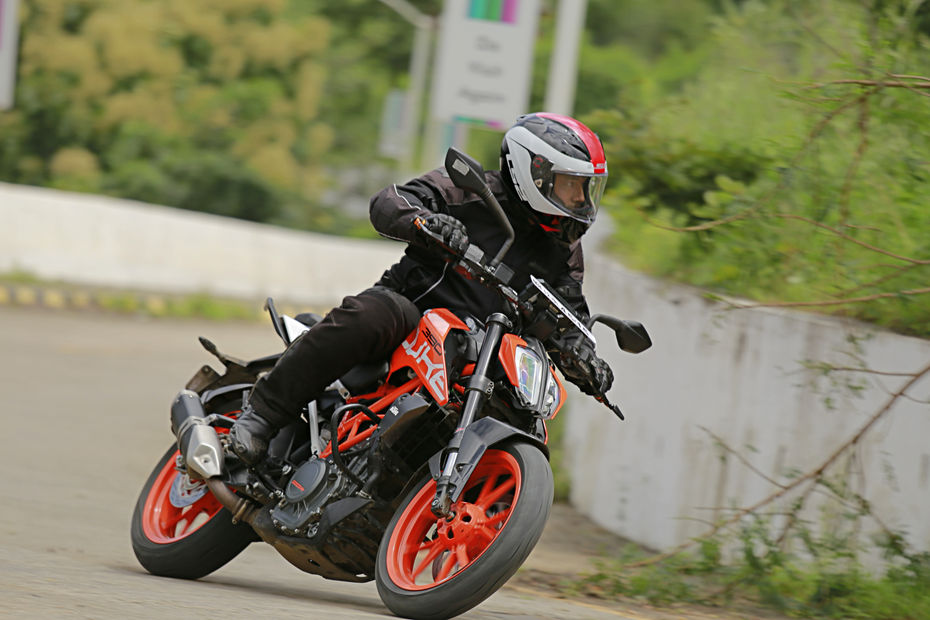
Closer to home, KTM started off by democratising sportsbike performance when they launched the Duke 390. To this day, it’s legendary what KTM delivered for the masses in India. However, soon after, the bike got associated with street racing and delinquent riding by juveniles with access to easy money. As the Duke got more advanced and expensive, the target customer base got more niche, but the image did not.
Much like the culture we’re seeing with big SUVs, it’s not the vehicle’s makers that start it but they don’t mind reaping the benefits of it. However, at some point, the undesirable behavior associated with that culture becomes a monster of its own. While it’ll continue to thrive in the echo chamber that nurtured it, the number of people who actually partake in the pattern start to plateau and eventually, dip.
The same as it has been for anything ever - education. The core issue behind this behaviour is the inability to recognise its seriousness. Road accident statistics aren’t better overseas because they have cars with higher crash safety standards or autonomous safety interventions. They’re better because every driver understands how easily the convenience and pride of an automobile can turn into a lethal tool in the wrong hands. And yes, they also recognise how serious the legal repercussions are for bad driving, which involve more than an arbitrary fine or a 300-word essay.
Big SUVs offer rugged capability, heart-grabbing designs and a lot of utility. But there is a risk that the image being propagated of them could soon overpower the value they actually do offer.


Family-Friendly SUVs? Mahindra Has Nailed The 7-Seater SUV Formula!
2026 Mahindra Scorpio N Facelift Launched With Minor Styling Upgrades...
Budget Vs Premium EVs: Where Does Spending A Little More Make The...
Mahindra Adventure Alphonso Escape: A Tale Of Savouring Mangoes With...
You Don't Need To Spend Tesla Money To Experience A Premium EV...
2026 Maruti Brezza Teased! Comprehensive Update With Styling &...
Nissan Launched The Tekton SUV - Its Latest Compact SUV Contender...
2026 Maruti Brezza LAUNCHED! Updated SUV With Design Tweaks,...
MG's First Plug-in Hybrid SUV Arrives July 16? Here’s...
Maruti Brezza Prices Start At Just Rs 7.40 Lakh: Find Out Full...
India's largest automotive community
Mahindra Scorpio N
₹ 13.69 Lakh
Toyota Hilux
₹ 31.99 Lakh
Honda ZR-V
₹ 47.99 Lakh
Maruti Suzuki Brezza
₹ 7.40 Lakh
Mercedes-Benz AMG E 53
₹ 1.45 Crore
Mahindra Global Pik Up
Rs. 25.00 Lakh
Mahindra Bolero 2026
Rs. 10.00 Lakh
Skoda Slavia Facelift
Rs. 11.99 Lakh
BMW X1 LWB
Rs. 51.00 Lakh
Audi Q3 2026
Rs. 48.00 Lakh