Mahindra Thar Roxx vs Scorpio N: Why Character Still Wins
- Aug 10, 2026
- Views : 11881



 Follow us

The government’s plan of making all vehicles sold in India electric by 2030 is old news. But what isn’t are the developments taking place to turn the idea into a living, breathing reality.
The ministry of power’s PSU company, Energy Efficiency Services Limited (EESL), is currently looking after building proper infrastructure to facilitate the electrification of automobiles in the country. After a round of competitive bidding between international competitors like Nissan and Mahindra and Mahindra, EESL has now awarded the contract of providing 10,000 electric vehicles to Tata Motors. The electric vehicles will be used as the primary mode of transport by government departments and major offices.
The project will be implemented in two phases. The first phase will see Tata Motors provide 500 electric vehicles to EESL by November 2017. The rest 9,500 units will be delivered under Phase 2 of the project. So far, the government hasn’t revealed the timeline for the second phase.
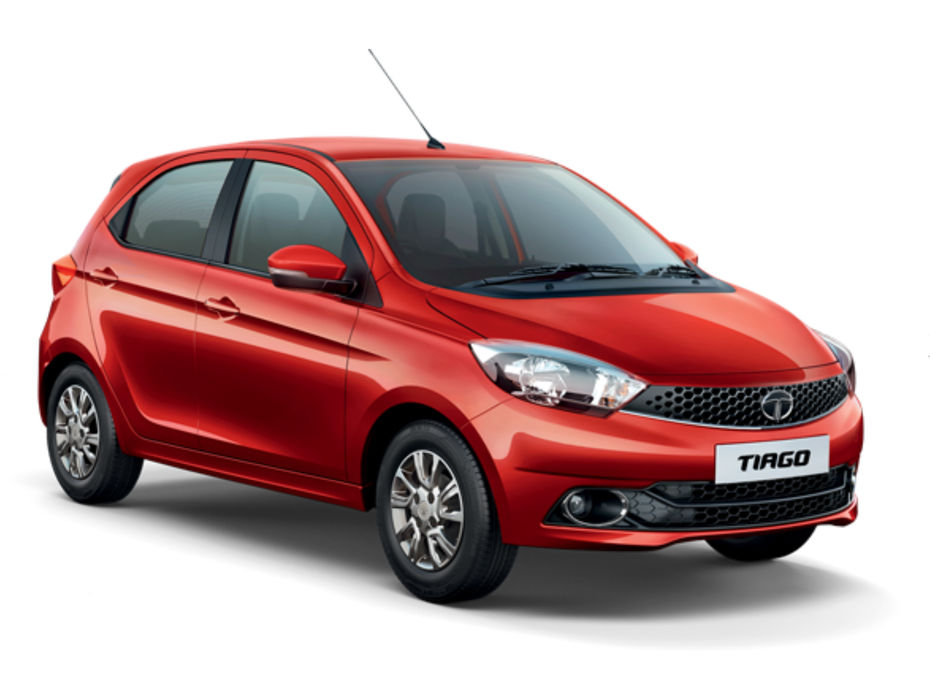
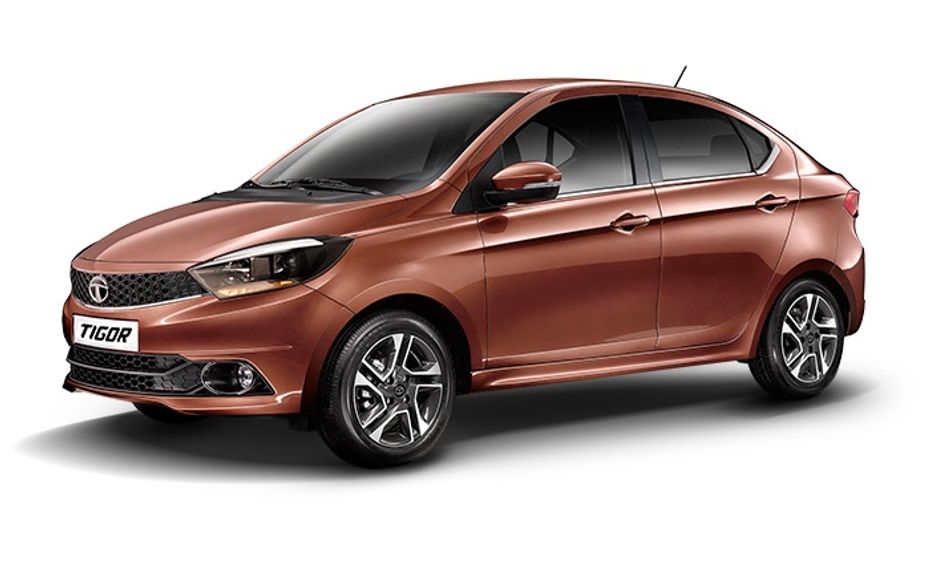
Tata bagged the contract by quoting Rs 10.16 lakh per vehicle (exclusive of GST). When you include GST and the comprehensive 5-year warranty, each EV (Electric Vehicle) is set to cost EESL Rs 11.2 lakh. At this price point, it is likely that netas and babus across the country will soon be travelling in Tata Tigor EVs. Recently, Tata’s UK-based subsidiary, Tata Motors European Technical Centre, revealed the Tiago EV at Millbrook. The Tiago EV uses an 85kW motor that churns out 200Nm of torque. The electric version of the Tiago has a range of about 100km on a single charge and is capable of accelerating from 0 to 100kmph in 11 seconds. Its top speed is rated at 135kmph.
EESL will soon be on the lookout for a service provider agency that will look after the overall management of these vehicles on behalf of the government. Currently, the government uses an estimated five lakh vehicles that run on conventional fuel sources. This is the first step taken to electrify the system internally by the government. Under the current plan, the government intends to switch to EVs within a period of three to four years.
“Tata Motors has been collaboratively working to develop electric powertrain technology for its selected products. The EESL tender provided us the opportunity to participate in boosting e-mobility in the country, at the same time accelerate our efforts to offer full range of electric vehicles to the Indian consumers”, said Guenter Butschek, CEO and MD of Tata Motors.
If the government maintains this pace, we could soon be one of the first countries to adopt pure electric vehicles in our daily lives.
Recommended Read:
- Tata Tiago EV Looks All Set For Indian Roads

Mahindra Thar Roxx vs Scorpio N: Why Character Still Wins
Mahindra Scorpio Lifestyler Unveiled: Mahindra Returns to Lifestyle...
2026 Skoda Slavia Facelift Unveiled, Now Comes With Rear Massage...
2026 Mahindra Scorpio N Facelift Launched With Minor Styling Upgrades...
2026 Tata Nexon Camo Edition Launched: Does It Get Sweeter For The...
5 Things We Love About The Kia Syros EV
2026 Maruti Baleno Facelift Launch Confirmed! Check Out The Expected...
2026 Nissan Tekton Short Review: What We Liked & What Needs To Improve
Volkswagen To Bring A Sportier Kylaq With Sporty Sub-4-Metre SUV
India's largest automotive community
MG Hector Tomahawk PHEV
₹ 25.69 Lakh
MG Hector Tomahawk EV
₹ 19.49 Lakh
BMW X1 LWB
₹ 49.90 Lakh
Mahindra Scorpio N
₹ 13.69 Lakh
Toyota Hilux
₹ 31.99 Lakh
 Tata Motors Passenger Vehicles Rebrands as TATA.CARS: Carries 'Nothing's Too Far' As Brand Promise
 MG Hector Tomahawk PHEV With 1100 Km Range LAUNCHED At Rs 25.69 Lakh
 MG Hector Tomahawk EV Launched At Rs 19.49 Lakh! With Claimed Range of 517 Kms
 2026 Audi Q3 Unveiled In India Finally! Looks Truly A Generation Ahead!
BMW Unveils The i5 LWB For The First Time In India
2026 Audi Q3 Unveiled In India Finally! Looks Truly A Generation Ahead!
BMW Unveils The i5 LWB For The First Time In India