Mahindra Thar Roxx vs Scorpio N: Why Character Still Wins
- Aug 10, 2026
- Views : 11881



 Follow us

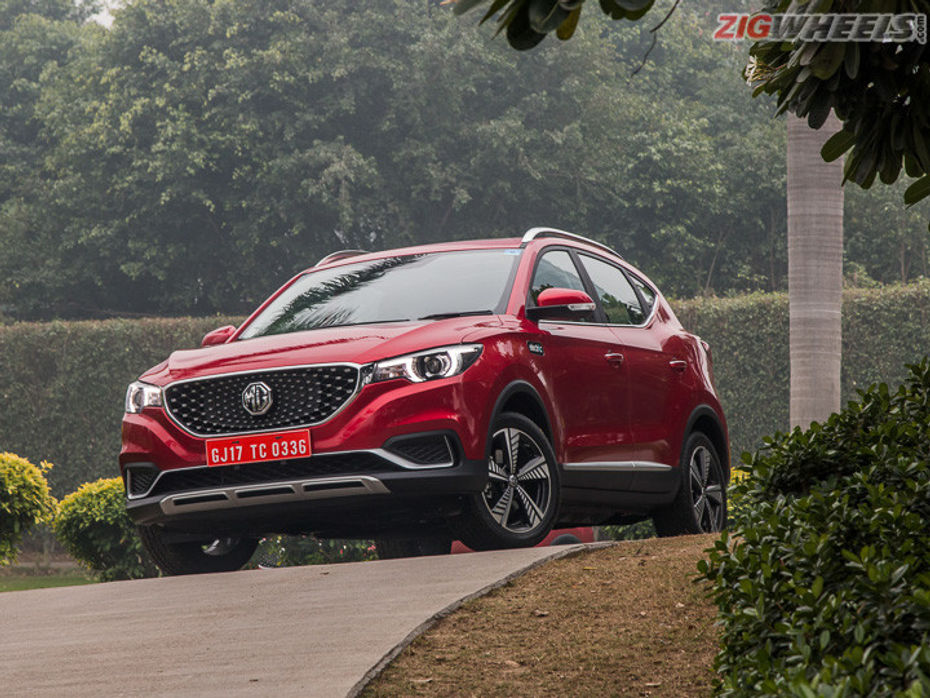
The Delhi government plans to tackle pollution in the city by incentivising and facilitating the adoption of electric vehicles (EVs) in the national capital. It approved the Delhi Electric Vehicle Policy 2019 on Monday. Under the new policy, a grant of Rs 10,000 per kWh of battery capacity will be awarded to the first 1,000 four-wheeler buyers. The maximum amount of the grant is capped at Rs 1.5 lakh.
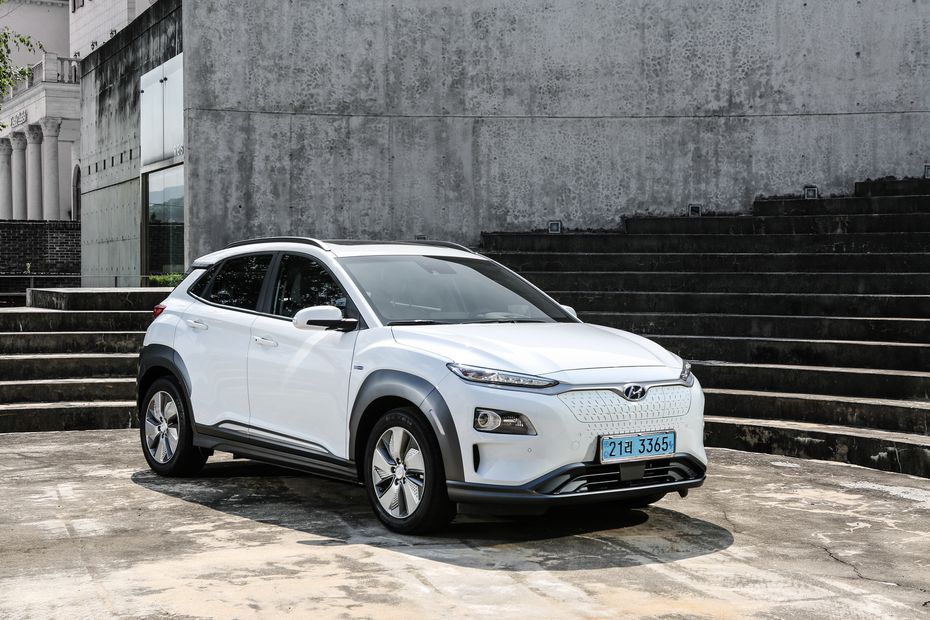
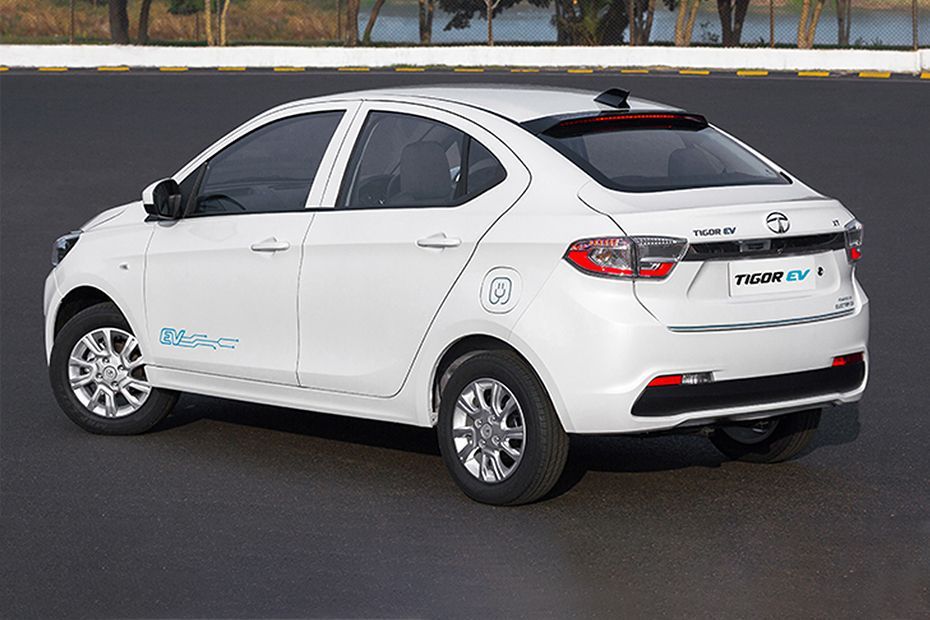
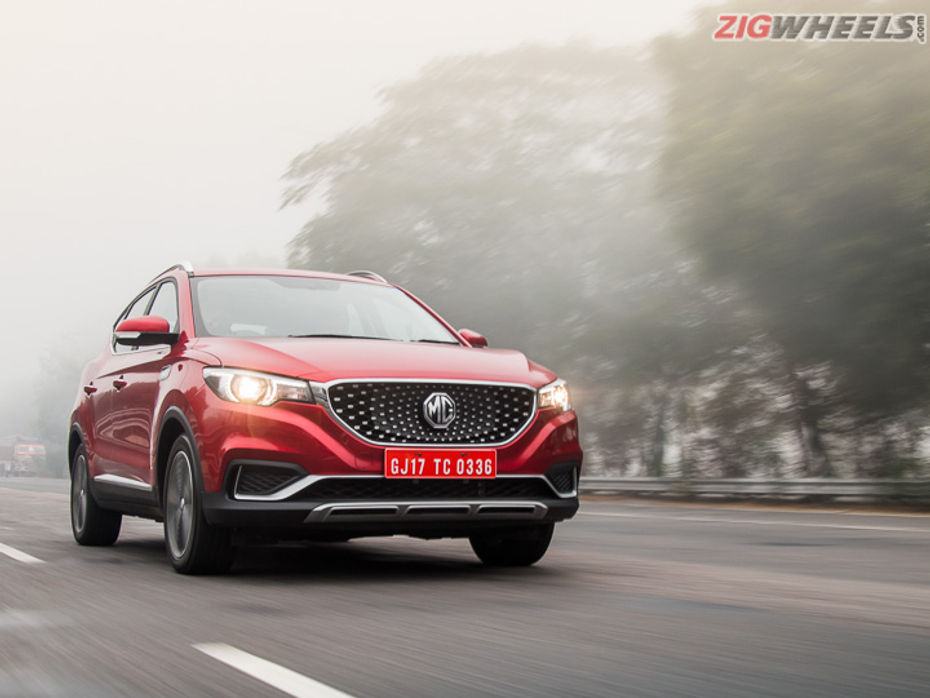
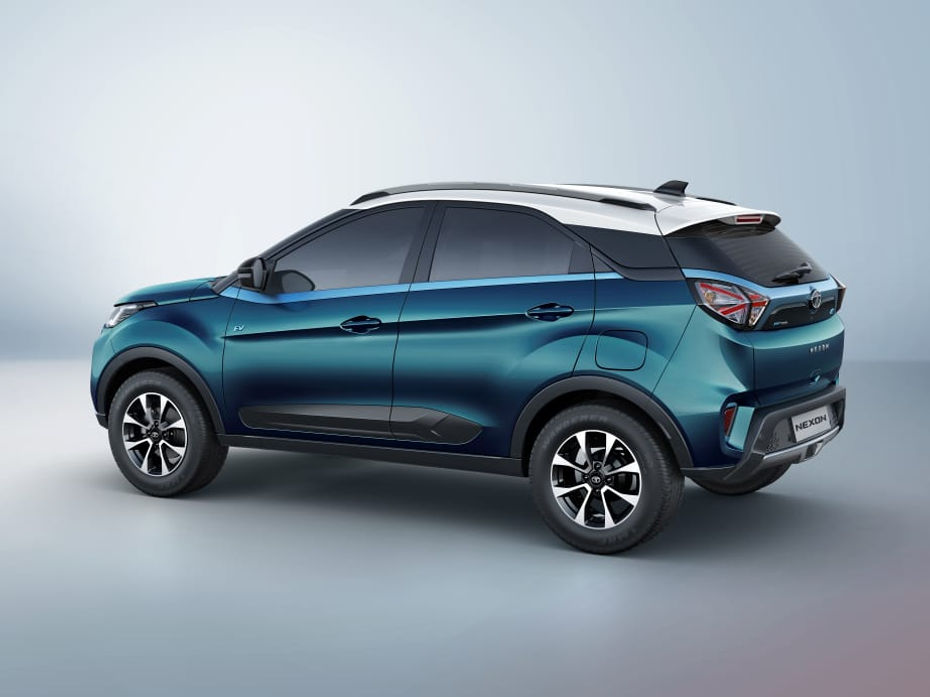
Official cars are currently leased in Delhi. The government plans to transition this fleet to electric in the next 12 months. Thus, current leases of cars used by state government officials will slowly be discontinued. By early next year, there will be four EVs on sale in India. The MG ZS EV and Tata Nexon EV will join the ranks of Hyundai Kona and Tata Tigor EV. The transition is expected to be proportional to EV production in India.
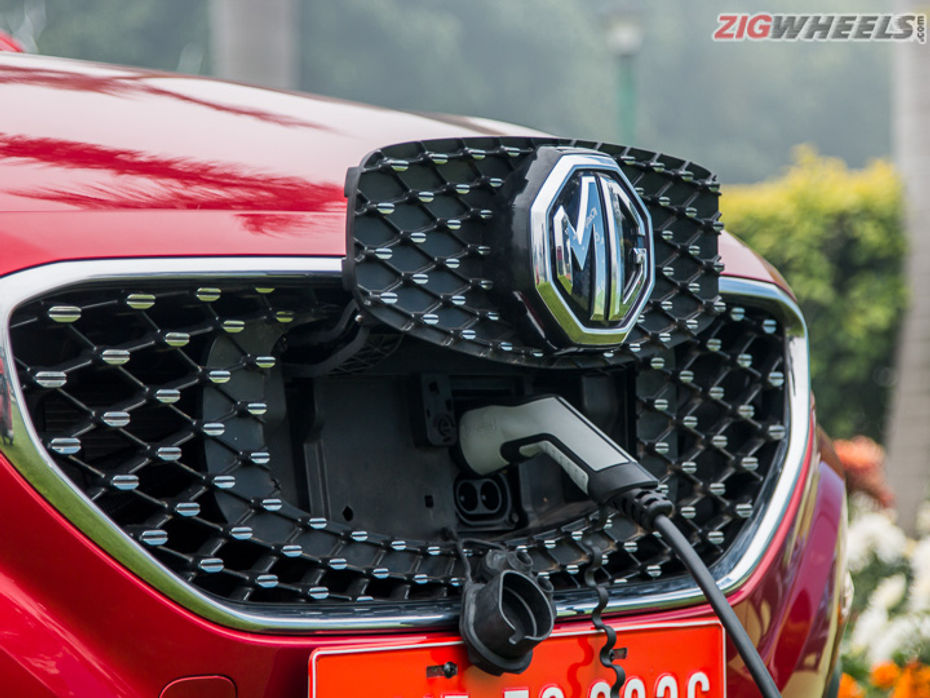
Another benefit to EV buyers targets home chargers. Electric car manufacturers invariably offer a 7.2kWh charger which can be set up at home or office by the user. While some carmakers may set up your charger for free, others charge a price for it. The first 30,000 people to buy electric cars in Delhi will get Rs 6,000 off of their first wall charger.
The state government has also called for a separate electric vehicle cell in the transport department to implement the new policies. It is likely to be presided by an electric vehicle board which will also be set up.
Wondering how Delhi plans to pay for the incentives? It will create a state fund for electric vehicles. This will draw from road tax collections and pollution cess from combustion cars. Other charges collected for environment compensation and cesses will also contribute to this fund.
The incentives have also been extended to two and three wheelers in the city. The latter will get a grant of Rs 30,000 per vehicle and a rebate of 5 per cent on each auto loan. The former will get Rs 5,000 per kWh of battery capacity. A scrapping incentive of Rs 5,000 will be subject to similar contribution from the two wheeler manufacturer. The incentives are expected to transition half the fleet of bikes and scooters used for delivery and ride-hailing services to electric by March 2023. By March 2025, the entire fleet of service two-wheelers in the state will be electric.
The efforts from the Delhi government are commendable in their insight. It remains to be seen how they are executed. While Delhi is one of the most polluted cities in the world, other Indian cities are also coming up in the ranking. We hope the Delhi government’s plans and actions will set an example for other state governments.
Source: The Economic Times


Mahindra Thar Roxx vs Scorpio N: Why Character Still Wins
Mahindra Scorpio Lifestyler Unveiled: Mahindra Returns to Lifestyle...
2026 Skoda Slavia Facelift Unveiled, Now Comes With Rear Massage...
2026 Mahindra Scorpio N Facelift Launched With Minor Styling Upgrades...
2026 Tata Nexon Camo Edition Launched: Does It Get Sweeter For The...
5 Things We Love About The Kia Syros EV
2026 Maruti Baleno Facelift Launch Confirmed! Check Out The Expected...
2026 Nissan Tekton Short Review: What We Liked & What Needs To Improve
Volkswagen To Bring A Sportier Kylaq With Sporty Sub-4-Metre SUV
India's largest automotive community
MG Hector Tomahawk PHEV
₹ 25.69 Lakh
MG Hector Tomahawk EV
₹ 19.49 Lakh
BMW X1 LWB
₹ 49.90 Lakh
Mahindra Scorpio N
₹ 13.69 Lakh
Toyota Hilux
₹ 31.99 Lakh
 Tata Motors Passenger Vehicles Rebrands as TATA.CARS: Carries 'Nothing's Too Far' As Brand Promise
 MG Hector Tomahawk PHEV With 1100 Km Range LAUNCHED At Rs 25.69 Lakh
 MG Hector Tomahawk EV Launched At Rs 19.49 Lakh! With Claimed Range of 517 Kms
 2026 Audi Q3 Unveiled In India Finally! Looks Truly A Generation Ahead!
BMW Unveils The i5 LWB For The First Time In India
2026 Audi Q3 Unveiled In India Finally! Looks Truly A Generation Ahead!
BMW Unveils The i5 LWB For The First Time In India