Maruti Brezza Prices Start At Just Rs 7.40 Lakh: Find Out Full...
- Jul 26, 2026
- Views : 6240



 Follow us

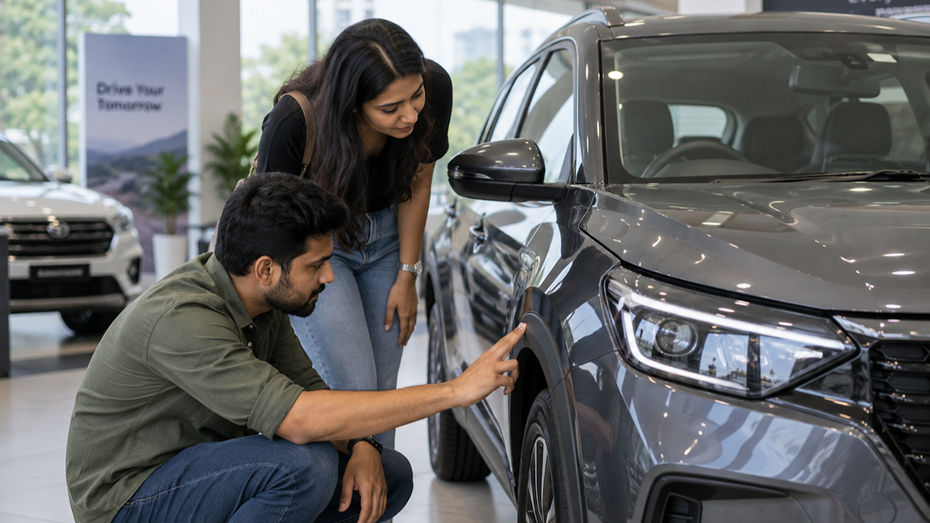
A used car that appears to be good in photos and even better in person can still turn into an expensive mistake. Buyers feel they've found a great deal once they negotiate a few thousand rupees off the asking price, and then skip the major checks they should do. They skip the checks that reveal whether the car has been in an accident, whether it still has a loan against it, or whether the papers even match the vehicle sitting in front of you.
To make things simpler, we have a detailed inspection guide that will make you a pro at inspecting cars. Here's a step-by-step way to inspect any used car properly, from paperwork to delivery day.
Before driving the car, you should check the papers thoroughly. The registration certificate (RC) should align with the chassis number that has been stamped on the car. Depending on the make and model, this number is stamped on the firewall, the boot floor, or the B-pillar, and it should look factory-original, not recently stamped.
Another important step is to cross-check everything on the VAHAN portal: pending challans, insurance validity, and whether the car is hypothecated to a bank.
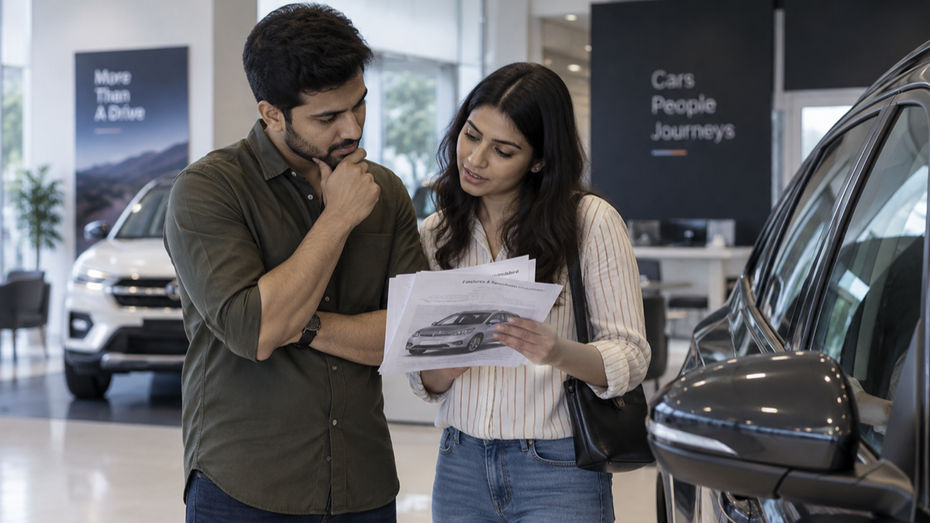
Buyers end up treating paperwork as a formality when the seller is friendly or someone you might know through a close friend. But paperwork is often the first place fraud shows up, so working through it methodically, the way a proper PDI checklist for used cars would have you do, is worth the extra time that you would have to invest. Don't stop at checking whether insurance is active, but ask for the vehicle’s insurance claim history. This will give you a far better picture of the car's past than the policy document alone.
If the car was financed, the loan needs to be fully cleared before you go any further. Ask for the clearance letter along with Form 35, and make sure Forms 29 and 30 are in order for the ownership transfer. In some cases, buyers really like a car from another state, and in this case, your buying process gets a bit more layered: you'll need a No Objection Certificate from the original RTO, and that process can take a few weeks, so it's not something to leave until the last moment.
A car’s paint does not always tell the truth, even when the seller is trying to. A paint thickness gauge is one of the most useful tools you can carry, and a decent one costs less than filling up a tank of fuel. Factory paint stays within a fairly tight thickness range across the entire car. Paint consistency should be checked here; that is, if one door or a quarter panel reads noticeably different from the rest, that panel has been repainted.
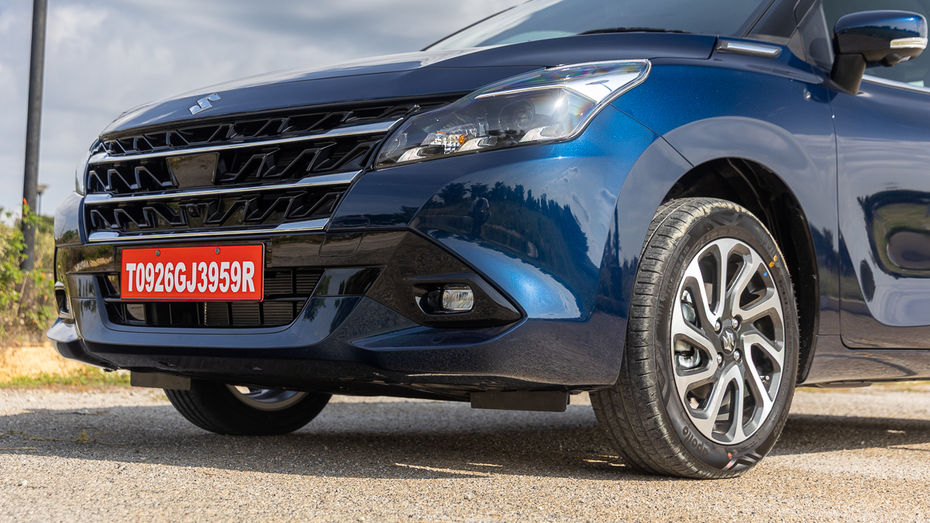
Next, check the fasteners. Bolts on the fender and bonnet hinges will show scratch marks if they've ever been removed. Panel gaps should be even and consistent all the way from the headlight to the taillight; anywhere that gap changes, something has been taken off and refitted. A slight mismatch in panel gaps is fine, as some new cars also have these gaps. However, if the difference is a lot, then you should take note of it.
Lifting the boot carpet and checking the spare wheel well for ripples or fresh welding is one of the most important steps that buyers miss out on. It's one of the clearest signs of a rear-end repair. Rubber door seals should also show uniform ageing across the car. A seal that looks newer than the rest usually means that door has a story behind it.
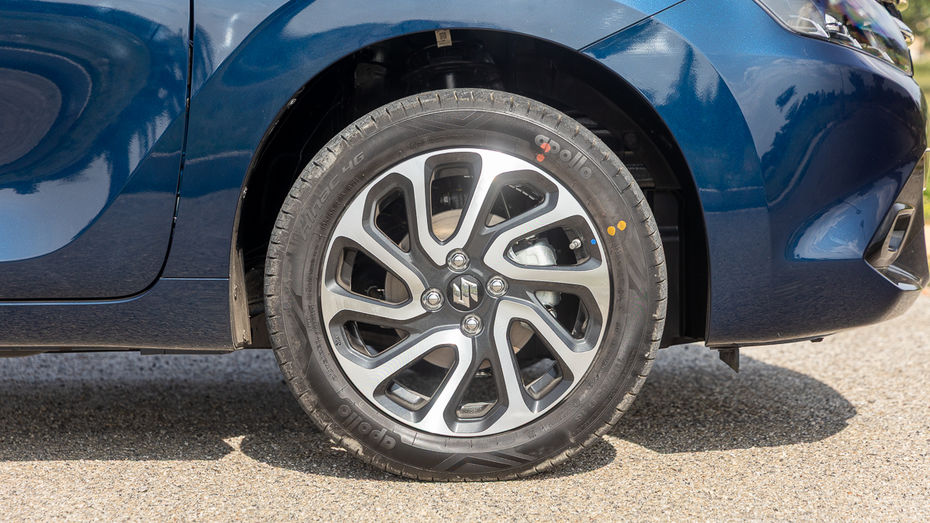
Never ignore the tyres. On the sidewall, there is a DOT code stamped, which tells you exactly when each tyre was manufactured. This is reliable proof about how well the car has actually been maintained.
Always remember to do a cold start, standing in front with the bonnet open. A cold start exposes problems a warm engine conveniently hides. A cold start can show you the car’s true colours, with common problems being tappet noise, injector chatter, turbo whine, or blue smoke on startup. If a seller insists the car is "already warmed up," that's not a favour; that's damage control or simply trying to lock the deal by hiding the real problem.
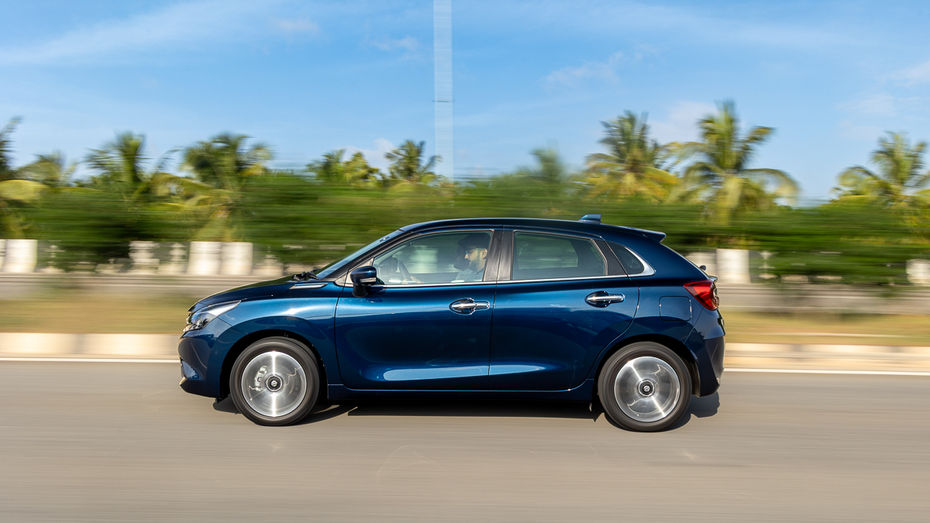
So you have now turned on the car and checked for unwanted sounds. Your next step shouldn’t be to drive right away. You should plug in an OBD scanner and check for stored fault codes, not just the ones currently active. It's also worth asking directly whether the fault code memory has been cleared recently, since that alone can hide a lot.
Once that is done, it is time to finally drive the car. Once you start driving, try to pay attention to the minor but significant details. Observe if the car pulls to one side under braking, or if the shift from second to third gear happens cleanly, and whether the clutch bite point feels unusually high or low. For better observations, roll the windows down, turn the music off, and drive over a rough patch of road since suspension knocks are far easier to notice when there is less noise.
Even after you've decided to buy, the inspection isn't over. Check that both keys are present, along with the spare wheel, jack, toolkit, and the original owner's manual. Ensure to take photographs of the car from all four corners before you drive off, so there's a clear record of its condition at handover. To make things easier, have a checklist of things when you check the car yourself.
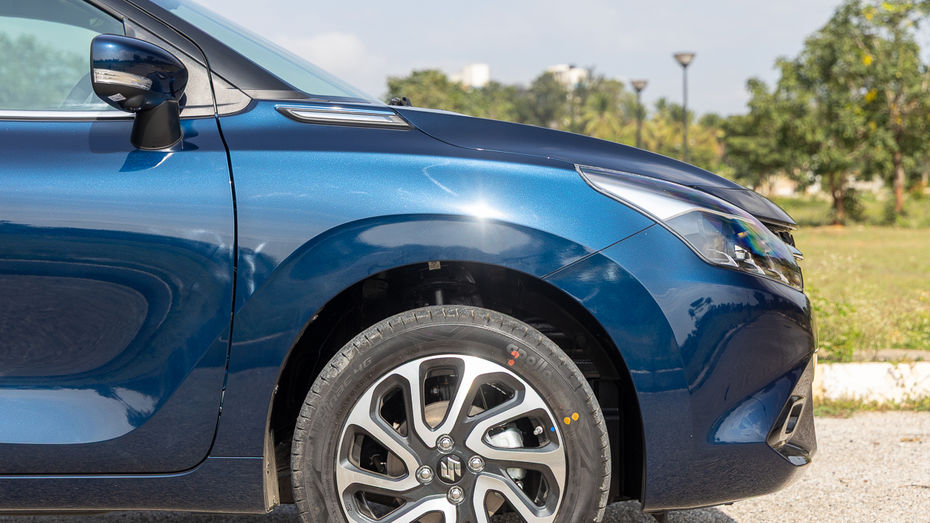
For a brand-new car, the checks are slightly different but just as important: verify the manufacturing date, look closely for any transit damage, check for leftover protective film residue, and confirm every dealer-fitted accessory matches what was actually ordered. A proper pre-delivery inspection checklist for a new car essentially comes down to five things: Paint thickness, panel gaps, the undercarriage, the engine bay, and the electronics. Get those right, and there's very little left to surprise you later.
So whether it is a used car or a new car, there can be some unwanted issues.
Pro tip: If there are minor scratches on a new car, you can ask the dealer for a bigger discount or free scratch repair. Similarly, for a used car, your thorough check can help you negotiate the price of the car if you really like that particular car and want it irrespective of the minor issues.
A used car deal is only as good as the checks you actually bother to do. A bit more effort and research today will ensure that you pick the right car and you will have more peace of mind in the future. You may sometimes get too excited dreaming about the delivery day and taking your loved ones out for a drive, but it is important to think rationally first and ensure that you do not miss out on any of the checkpoints mentioned above. None of these checks takes more than a few minutes each, but skipping even one is how buyers end up with a car that still owes the bank money, or a repair bill they didn't see coming. Do the homework upfront, and the car you drive home will be exactly what it looked like on paper.
Let us know in the comments section if you have any more questions regarding car inspection.


Maruti Brezza Prices Start At Just Rs 7.40 Lakh: Find Out Full...
2026 Maruti Brezza Short Review: All You Really Need
2026 Maruti Suzuki Baleno Facelift Launched At Rs 6.1 Lakh Onwards
2026 Maruti Baleno Facelift Launch Confirmed! Check Out The Expected...
5 Things We Love About the 2026 Maruti Brezza Facelift
Top 5 Things We Loved About The 2026 Maruti Baleno Facelift
Maruti Finally Launches AMT for Dzire, Baleno, Swift S-CNG! Now Worry...
Do Bharat NCAP Safety Ratings Affect Car Insurance Premiums?
Mahindra Thar Roxx vs Scorpio N: Why Character Still Wins
EXCLUSIVE: Tata Tigor To Be Replaced By Tata Aeris
India's largest automotive community
Mahindra Thar
₹ 10.32 Lakh
BMW i7
₹ 1.95 Crore
BMW 7 Series
₹ 1.95 Crore
BMW i5 LWB
₹ 79.60 Lakh
Maruti Suzuki Baleno
₹ 5.99 Lakh
Skoda Superb 2026
Rs. 50.00 Lakh
Skoda Slavia Facelift
Rs. 11.99 Lakh
Tata Aeris
Rs. 6.00 Lakh
Mercedes-Benz Maybach S-Class Facelift
Rs. 3.00 Crore
Honda Elevate Facelift
Rs. 11.91 Lakh
 2026 Mahindra Thar OG Launched At Rs 10.32 Lakh: Here's What's New
 Tata Launches Legend Series And Dark Edition For Sierra: Gets More Luxury And Stealth!
 MG Hector Tomahawk EV Short Review: So Comfortable!
 5 Things We Love About The MG Hector Tomahawk EV
Here Are Five Things We Loved About The BMW i5 LWB!
5 Things We Love About The MG Hector Tomahawk EV
Here Are Five Things We Loved About The BMW i5 LWB!