
2019 Porsche 911 (992) & Drive Review, Price, Features, Specs & More
- Sep 13, 2019
- Views : 14239



 Follow us

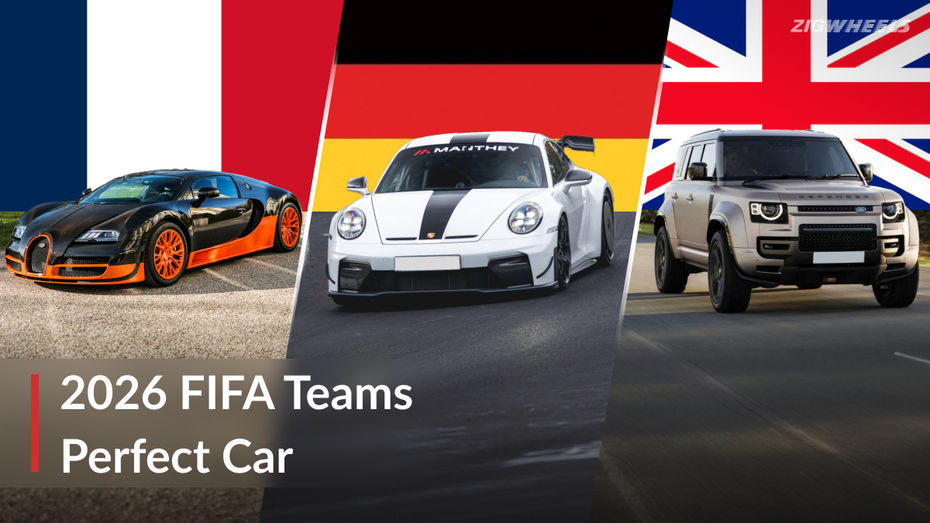
A nation's cars can tell the same story as its football team. Germany perfects, Italy inspires, and France overwhelms. England endures, Japan surprises, and Korea disrupts. Spain orchestrates, Sweden persists, and Czechia overachieves. And in the case of Croatia, a small nation can produce astonishing, world-beating power.
So on an automotive platform, you might be wondering why we are talking about football. That's because a handful of these countries make amazing cars! And here's one each that we feel matches the aura of these FIFA World Cup contenders. Let's go!
Germany's four World Cup victories were built on systems, relentless refinement, and clinical execution under pressure. The national team's rarely spectacular but almost always effective when it comes to playing on the field.
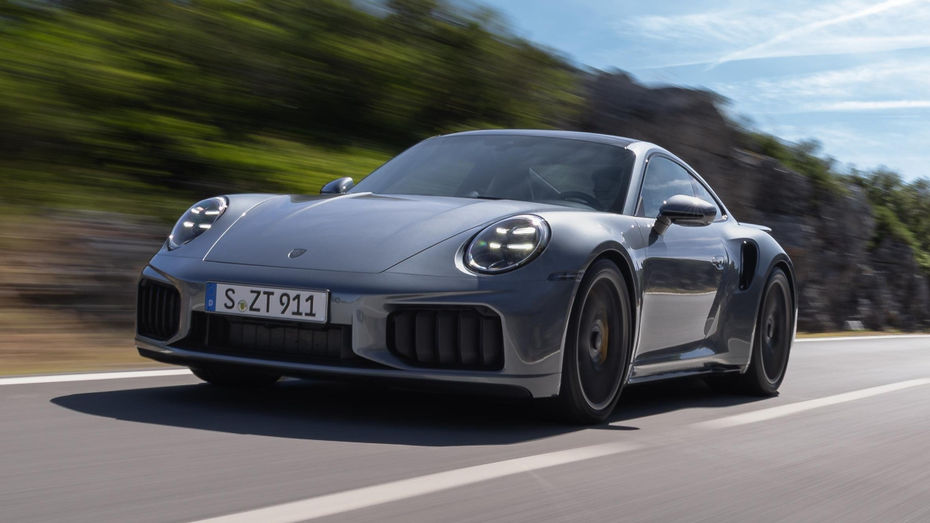
That same philosophy defines the Porsche 911. Since its debut in 1964, the 911 has survived by continuously evolving its rear-engine, flat-six formula. And the current 992 generation is one of the best iterations of the 911 we've seen. With over 1.2 million units produced, it's the most successful sports car ever made. And last but not least, regardless of whichever version of the 911 you pick, it is friendly enough to be driven as your daily driver. Germany doesn't reinvent greatness. It perfects it.
Italian football is a blend of tactical mastery, defensive brilliance, and moments of pure emotional genius. Every one of their four World Cup wins feels cinematic. And the car that perfectly suits this iconic team is the Ferrari F40 — the final car approved by Enzo Ferrari himself —and the perfect automotive parallel.
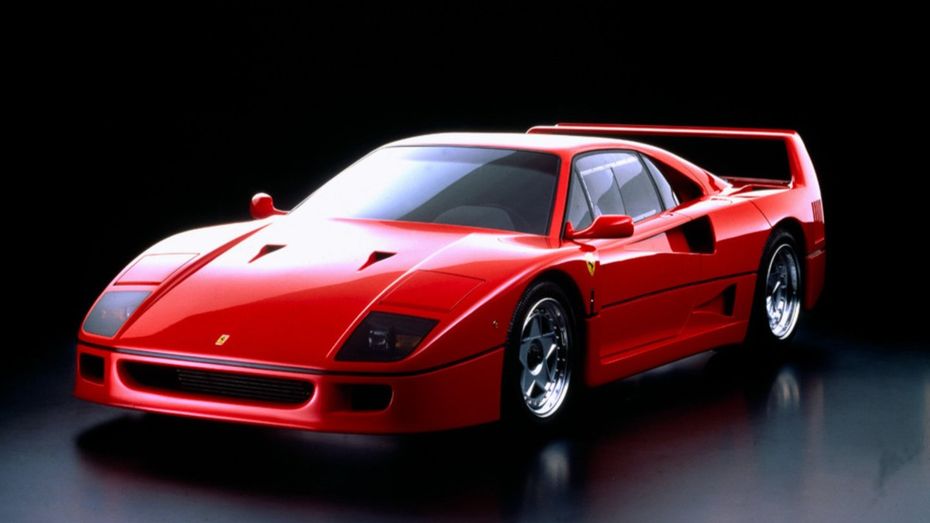
Introduced in 1987, its 2.9-litre twin-turbocharged V8 produced 478 PS in a car weighing just over 1,100 kg. No electronic interventions or safety aids mean this car gave that perfect raw Ferrari experience. It demanded absolute commitment to master its 324 km/h top speed. If you've ever read about the F40's stripped carbon interior and wondered why anyone would pay for less, that's exactly the point — the absence is the statement. Italy doesn't just win football matches. It creates legends.
The French national team consistently produces elite talent across every position, capable of overwhelming opponents with sheer quality. That philosophy — ambition without compromise — is the Bugatti Veyron.
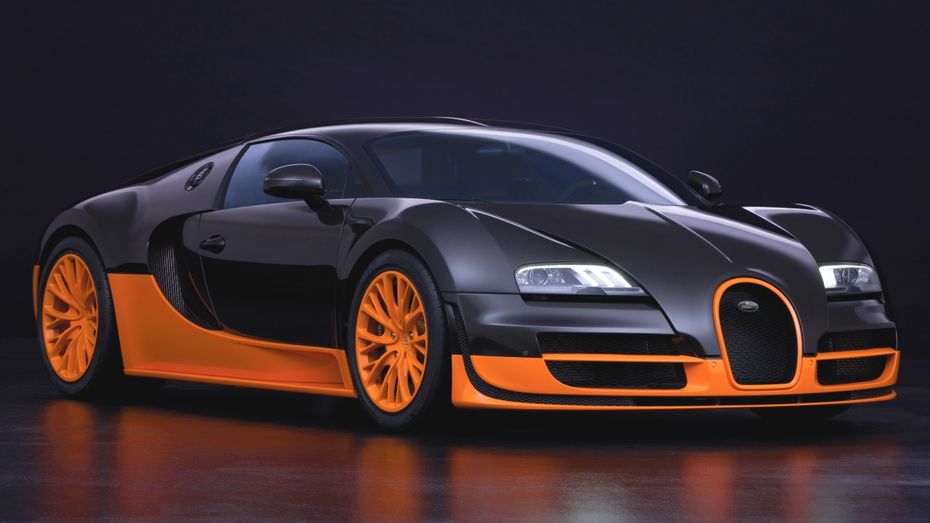
Reborn under the Volkswagen Group and launched back in 2005, its 8.0-litre quad-turbo W16 was an absolute masterpiece, producing a whopping 1,001 hp and 1,250 Nm of torque. Achieving its 407 km/h top speed required entirely new tyre technology to be invented from scratch. France and the Veyron both operate at a level few can reach. The Veyron's 1,001 hp figure — chosen deliberately to clear the four-digit barrier — is the kind of symbolic ambition that defines both the car and the team.
As the inventors of modern football, England's team carries the weight of history and tradition. And the perfect car to suit this analogy is the Land Rover Defender.
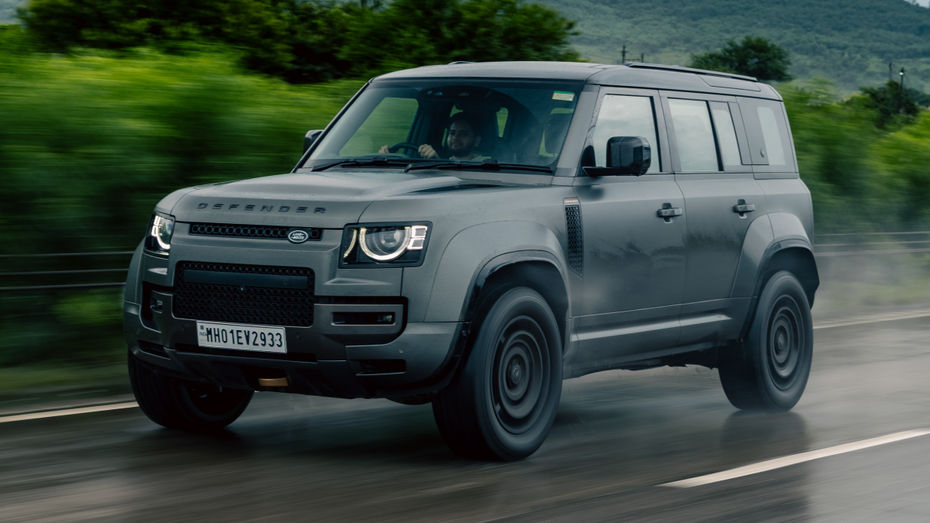
Originally born in 1948, the Defender, even in its current avatar, is known for its extreme off-road capabilities. It has a tough chassis, permanent four-wheel drive, and a global reputation for toughness earned across every continent including Antarctica. Modern versions keep that character while offering engines from a turbo four-cylinder up to a 5.0-litre supercharged V8. Look, neither the Defender nor England has ever been about elegance — they're about showing up and grinding it out.
Disciplined, organised, and technically sophisticated, Japan's football team has become increasingly dangerous to the sport's traditional powers. The Nissan GT-R tells the same story.
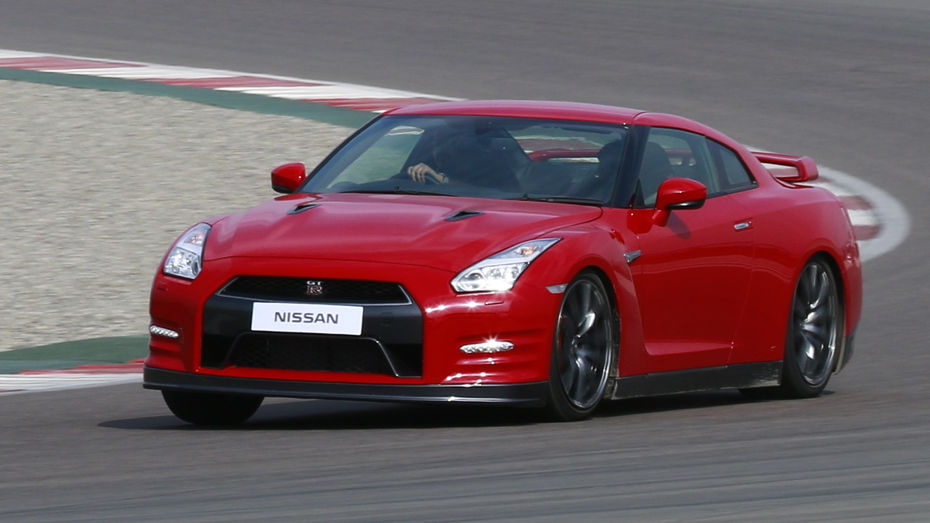
Launched in 2007, the R35 GT-R used a hand-built 3.8-litre twin-turbocharged V6 and advanced all-wheel-drive technology to deliver supercar-beating performance for a fraction of the price. In NISMO specification, it put out over 600 hp, reaching 100 km/h in around 2.8 seconds. It consistently defeated more powerful European rivals. Nothing else came close at that price point.
South Korea's football team is ambitious, fearless, and no longer content to simply participate on the world stage. The Hyundai Ioniq 5 N captures that spirit precisely. Introduced in 2023, Hyundai's first high-performance EV uses dual electric motors to produce up to 641 hp, hitting 0-100 km/h in 3.4 seconds. That's Lambo territory!
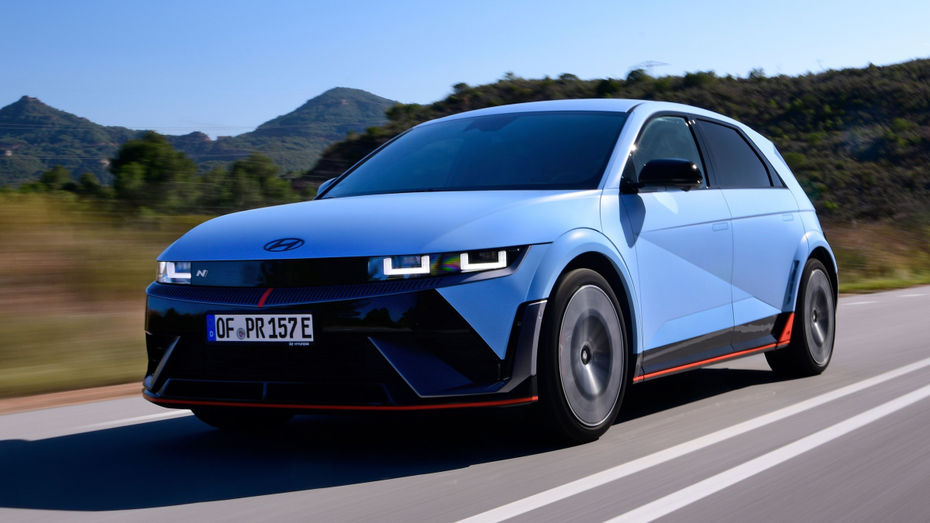
With advanced track-driving modes, it became one of the first EVs to earn genuine respect from hardcore enthusiasts, a direct challenge to the established performance hierarchy. If you've watched the Korean team dismantle a European side and felt the shift in footballing power, the Ioniq 5 N's 641 hp arriving from a brand that didn't make performance cars a decade ago is the same feeling on four wheels. Korea has stopped chasing the future and started defining it.
Spanish football is defined by technical mastery, possession, and precision over power. The national team wins through rhythm and intelligence. Spain's largest car manufacturer, SEAT, produced the perfect match in Ibiza.
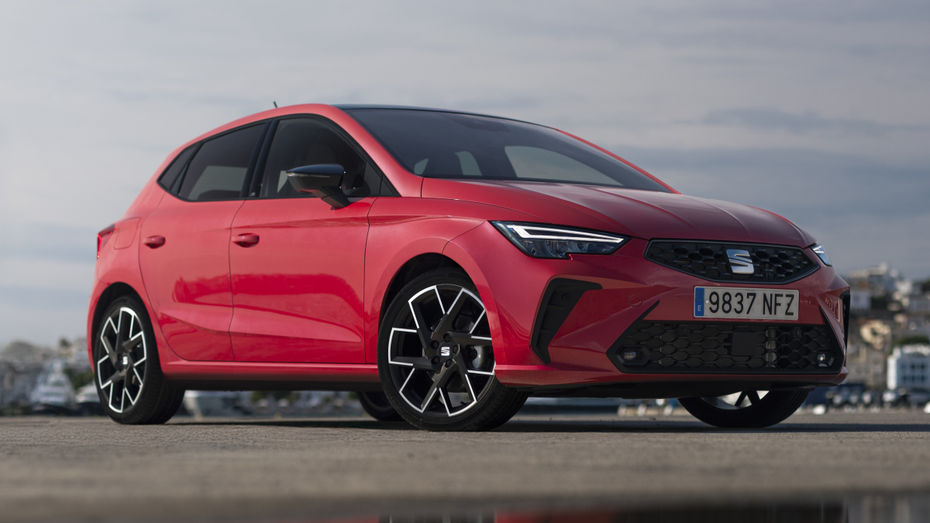
Introduced in 1984, this compact, agile, and efficient hatchback has sold over six million units. Early generations even benefited from Porsche engineering input. And just remember that the Ibiza is based on the international version of the Polo (not the one we got). This means it should be a properly thorough fun-to-drive offering with sharp handling. Spain's greatest strength is making complexity look effortless.
Organised, dependable, and difficult to beat — that's the Swedish football team. The Volvo 240, produced from 1974 to 1993, is its automotive counterpart.
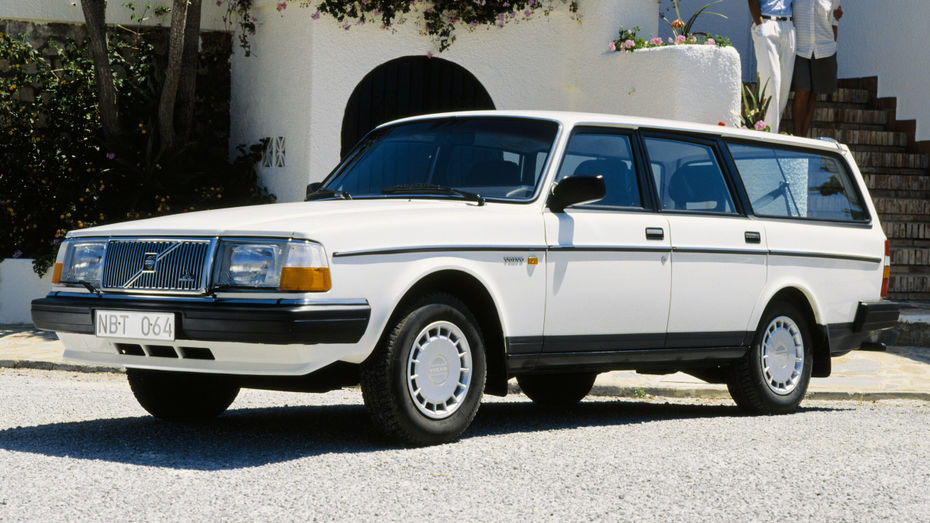
This car isn't about being flashy or fast. Rather, it was built on a reputation for safety and longevity, powered by robust inline-four and inline-six engines. Over 2.8 million units were built, with many examples easily exceeding 5 lakh kilometres. Frankly, the 240's longevity record is more impressive than most performance specs. Respect earned through consistency.
Frequently overlooked, the Czech football team is technically competent and efficient, often maximising limited resources to great effect. The Skoda Octavia embodies this spirit.
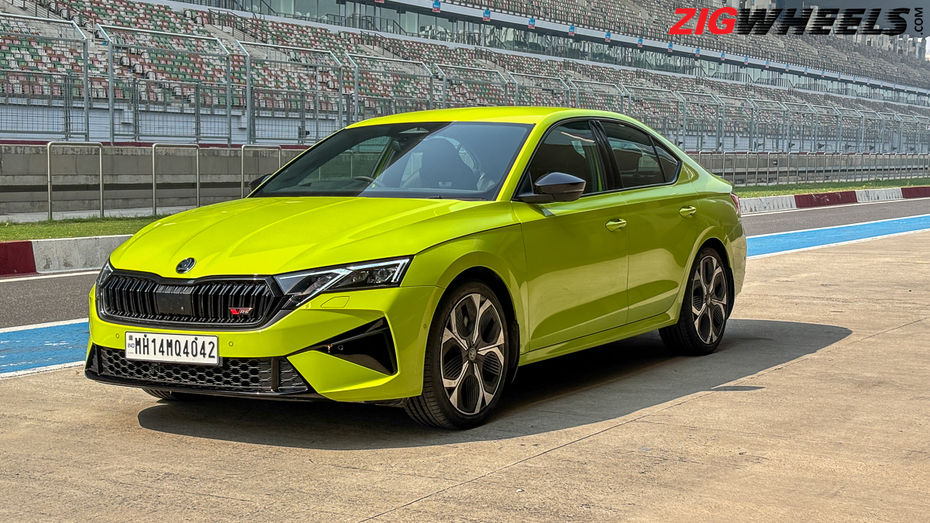
Launched in its modern form in 1996 and built with Volkswagen Group engineering, the Octavia became one of Europe's most successful family cars. Practical and smart looking, it consistently delivers more than expected for its price. Plenty of flavors are available for different buyers who want the Octavia. You get it either as a sedan or an estate with a long list of powertrain options such as petrol, diesel, mild-hybrid and even a plug-in hybrid. And for those who want a fun-to-drive machine, there is the Octavia RS which promises to plaster a smile on your face when you're behind the wheel. Nobody notices the Octavia until it beats the competition.
With a tiny population, Croatia has produced massive footballing achievements, repeatedly shocking global superpowers. This is the story of Rimac Automobili.
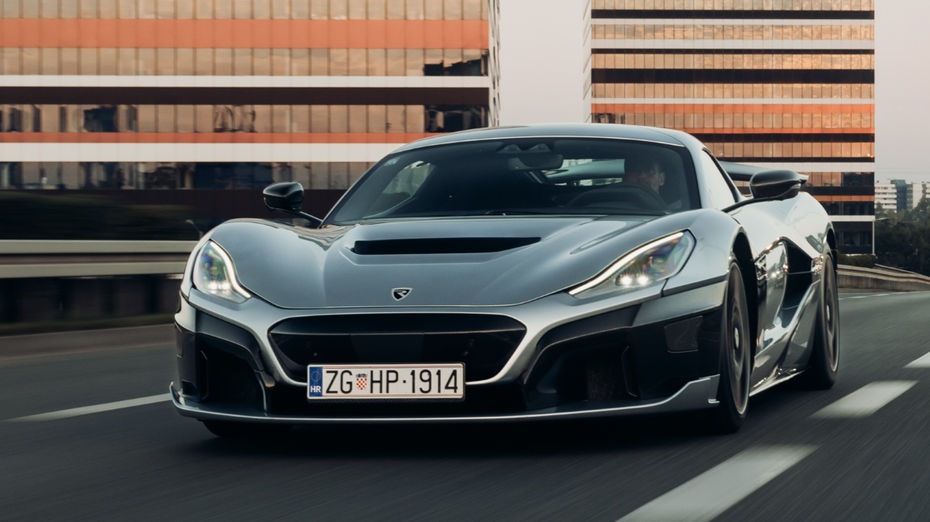
Started in a garage in 2009, the company now influences the future of Bugatti. Its all-electric Nevera hypercar runs four motors producing a combined 1,914 PS and 2,360 Nm of torque. It holds multiple acceleration records — 100 km/h in 1.81 seconds, top speed of 412 km/h. That's the single most remarkable industrial fact in this entire list. Croatia and Rimac both prove that size is overrated.


2019 Porsche 911 (992) & Drive Review, Price, Features, Specs & More
Porsche 911 GT3 S/C: The Purest GT3… Just With The Sky Added?
ZigOpinion: Car Culture Is For EVERYONE!
Generation Speed: Where Horsepower Meets Madness
Checkout The Porsche 911 GT3 RS At Auto Expo 2025 In 6 Images
Porsche Brings The Iconic 911 Facelift At The Bharat Mobility Global...
Performance Cars Expected To Be Showcased At The Auto Expo 2025
Check Out Hottest Performance And Sports Cars Launched This Year
Weekly Recap: Check Out This Week's Major Indian Car News...
New Porsche 911 Arrives In India, Priced From Rs 1.98 Crore
India's largest automotive community
Porsche Cayenne
Porsche Macan
Porsche Panamera
Porsche Cayenne Coupe
Porsche Macan EV
Porsche Macan EV
Rs. 1.22 Crore
Rolls-Royce Ghost Series II
Ferrari Amalfi
Mahindra Thar 3-door Facelift
Rs. 10.50 Lakh
Skoda Superb 2026
Rs. 50.00 Lakh
Skoda Slavia Facelift
Rs. 11.99 Lakh
Tata Aeris
Rs. 6.00 Lakh
Honda Elevate Facelift
Rs. 11.91 Lakh
 EXCLUSIVE: Tata Tigor To Be Replaced By Tata Aeris
 Maruti Finally Launches AMT for Dzire, Baleno, Swift S-CNG! Now Worry Lesser In Traffic
 Here Are Five Things We Loved About The BMW i5 LWB!
 BMW i5 LWB First Drive Review: Does Going Electric Cost The 5 Series Its Soul?
2026 Mahindra XUV 7XO Scores A Perfect 5 Stars In BNCAP Crash Tests, More Points Than The Tata Safari!
BMW i5 LWB First Drive Review: Does Going Electric Cost The 5 Series Its Soul?
2026 Mahindra XUV 7XO Scores A Perfect 5 Stars In BNCAP Crash Tests, More Points Than The Tata Safari!