BREAKING: Hero Xtreme 250R & Xtreme 160R Get Smarter; Launched With...
- Oct 16, 2026
- Views : 2509



 Follow us

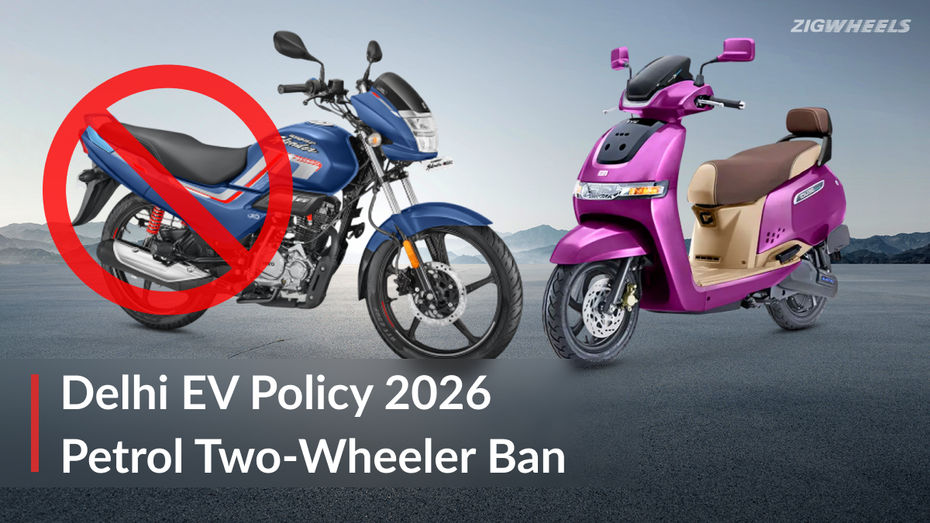
In a decisive move to curb pollution, Delhi government has given green light to the Delhi EV Policy 2026. The policy’s biggest highlight is a complete ban on the registration of new petrol-powered two-wheelers, effective from April 1, 2028. The new policy, which will remain in effect from July 1, 2026, to March 31, 2030, is designed to accelerate the adoption of electric two-wheelers through a combination of financial incentives and infrastructure development.
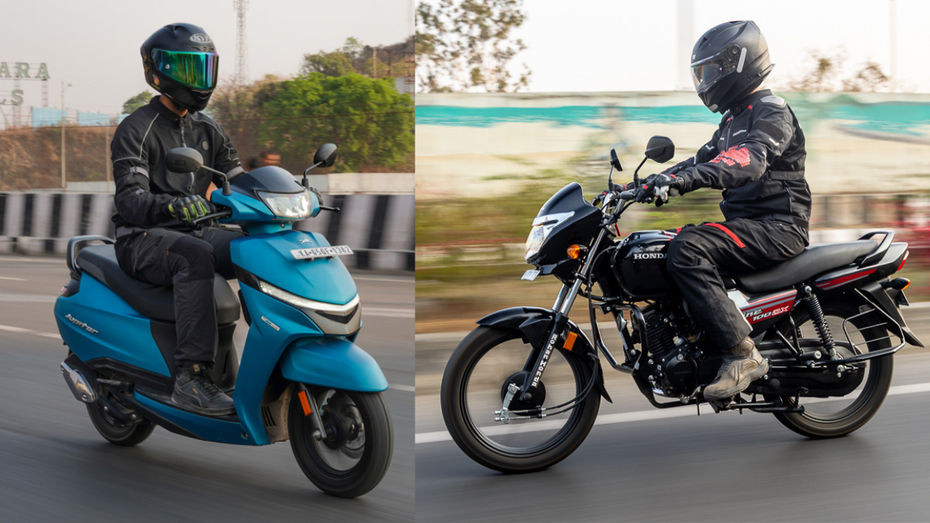
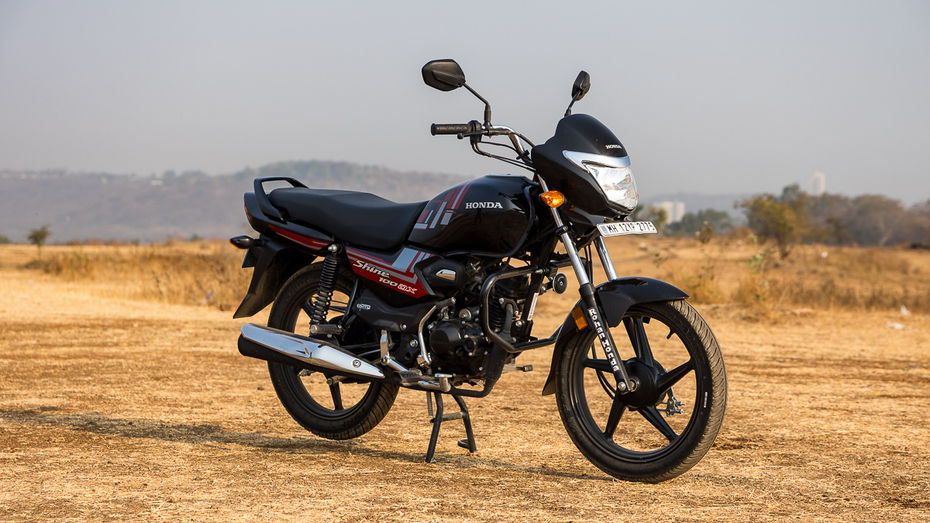
The biggest change under the policy will come into effect on April 1, 2028. From this date, no new petrol motorcycles and scooters can be registered within the National Capital Territory of Delhi. This gives prospective buyers a clear window to purchase internal combustion engine (ICE) models. Importantly, the ban does not affect existing petrol-powered two-wheelers registered before the cut-off date. The policy also does not restrict petrol-powered two-wheelers registered in other states from entering or operating within Delhi.
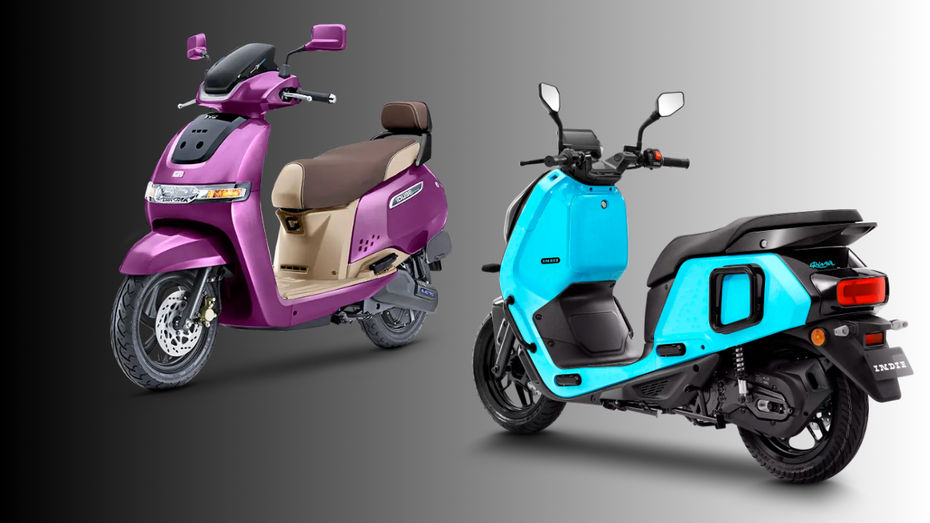
To make the transition easier for buyers, the policy introduces significant incentives. In the first year, electric two-wheelers with an ex-showroom price of up to Rs 2.25 lakh are eligible for a purchase incentive of Rs 10,000 per kWh of battery capacity, capped at a maximum of Rs 30,000. The incentive will reduce in the following years to Rs 6,600 per kWh (up to Rs 20,000) in the second year and Rs 3,300 per kWh (up to Rs 10,000) in the third year. Additionally, buyers who replace their old BS-IV or older petrol-powered two-wheelers with a new electric model will also receive a scrappage incentive of Rs 10,000. All payments will be made directly to beneficiaries through the Direct Benefit Transfer (DBT) system.
Beyond direct subsidies, the policy also provides a 100% exemption from road tax and registration fees for all electric vehicles registered during the policy period. This further reduces the on-road cost for buyers of models from brands like Ather Energy and Oben Electric. To support the growing EV fleet, the government has also set a target of installing over 30,000 EV charging points across the city by March 2030. This expansion of charging infrastructure will be critical in addressing range anxiety and making EV ownership more practical for daily commuters.
The policy directly impacts anyone planning to buy a new two-wheeler in Delhi over the next four years. Current owners of petrol-powered two-wheelers are not affected and can continue using their vehicles. Prospective buyers of petrol models now have until March 31, 2028, to get one registered. After this date, only electric two-wheelers can be registered as new vehicles in Delhi. Fleet operators and commercial users, in particular, will need to plan their vehicle replacement cycles accordingly to align with the 2028 deadline and take advantage of the higher incentives available in the initial years of the policy.


BREAKING: Hero Xtreme 250R & Xtreme 160R Get Smarter; Launched With...
Hero Glamour X 125 Is Now Safer Than Before
Top 5 Things Which Make The Ampere Magnus Neo The Best First Electric...
BREAKING: Yamaha R2 Launched In India: KTM RC 200 Rival Is Finally...
Ather Konarc Explained In Detail With Real-Life Images
KTM 490 Duke Spotted Stoppie-ing: India Launch 2027
Ather’s Rizta Now Has A Mini-Me, And It Rocks!
BREAKING: Triumph Bonneville T40 Launched In India; The Baby Bonnie...
Upcoming Kawasaki Z300 Launch Timeline Revealed
Kawasaki Z Range Gets New Shades For 2027
India's largest automotive community
Ducati Hypermotard V2
₹ 16.53 Lakh
Benelli TRK 552
₹ 7.22 Lakh
Ultraviolette X47 Venom
₹ 2.65 Lakh
Kawasaki Z300
₹ 3.24 Lakh
Hero Xtreme 250R
₹ 1.84 Lakh
Hyundai Bayon
Rs. 10.00 Lakh
Mercedes-Benz GLC Electric
Rs. 80.00 Lakh
Mahindra Thar E
Rs. 25.00 Lakh
 BREAKING: Bajaj Pulsar NS200 Gets Ride Modes and 5-inch TFT Display
 Ducati Formula 73 Lands in India at Rs 20 Lakh-Already Sold Out
 Ducati Hypermotard V2 and V2 SP Launched In India
 BREAKING: Ultraviolette X47 Venom Launched; With An Introductory Price Of Rs 2.65 Lakh
BREAKING: Kawasaki Z300 Launched In India; Gets The Ninja 300 Engine And More Features!
BREAKING: Ultraviolette X47 Venom Launched; With An Introductory Price Of Rs 2.65 Lakh
BREAKING: Kawasaki Z300 Launched In India; Gets The Ninja 300 Engine And More Features!