Bajaj Pulsar N160 vs Yamaha FZS-FI V4
Last Updated: September 26, 2026
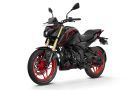
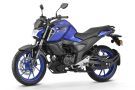
Bajaj Pulsar N160 price starts at Rs. 1.18 Lakh, which is Rs. 2,719 cheaper than the base variant of Yamaha FZS-FI V4, priced at Rs. 1.21 Lakh. In terms of mileage, the Pulsar N160 offers a claimed 47 kmpl, while the FZS-FI V4 delivers 46 kmpl. On the performance front, the Pulsar N160 uses a 164.82cc engine producing 16 PS @ 8750 rpm and the FZS-FI V4 a 149cc engine producing 12.4 PS @ 7250 rpm. If you're deciding between the Pulsar N160 and FZS-FI V4, the Pulsar N160 is the better pick for affordability and mileage, while the FZS-FI V4 stands out for a lighter kerb weight.
...Read More
Pulsar N160 vs FZS-FI V4 Comparison Summary
| Specification | Bajaj Pulsar N160 | Yamaha FZS-FI V4 |
|---|---|---|
| Ex-showroom price (base) | Rs. 1.18 Lakh | Rs. 1.21 Lakh |
| Mileage | 47 kmpl | 46 kmpl |
| Engine | 164.82 cc | 149 cc |
| Max power | 16 PS @ 8750 rpm | 12.4 PS @ 7250 rpm |
| Kerb weight | 151 Kg | 136 Kg |
-
Bajaj Pulsar N160
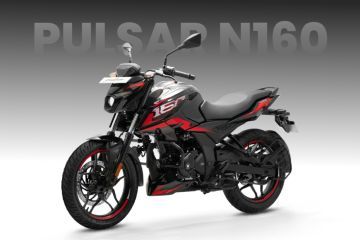 Rs. 1.18 Lakh EMI - Rs. 3,521 View September OffersYamaha FZS-FI V4
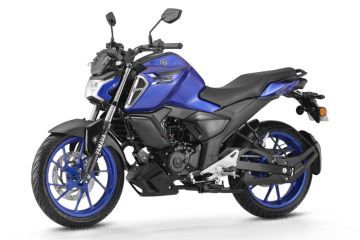 Rs. 1.21 Lakh EMI - Rs. 3,472 View September Offers
Pulsar N160 vs FZS-FI V4 Key Highlights
| Basic Info | Bajaj Pulsar N160 SD USD Single Seat | Yamaha FZS-FI V4 STD |
|---|---|---|
| Rating |
446 reviews
|
83 reviews
|
| Brand Name | Bajaj | Yamaha |
| Ex-Showroom Price | Rs. 1.18 Lakh Check On Road Price | Rs. 1.21 Lakh Check On Road Price |
| Engine Type | 4 Stroke, Single Cylinder, SOHC, 2 Valve, Air Cooled, FI | Air Cooled, 4-stroke, SOHC, 2-valve |
| Max Power | 16 PS @ 8750 rpm | 12.4 PS @ 7250 rpm |
| Fuel Type | Petrol | Petrol |
| Colors | ||
| Wheel Size | Front :-17 Inch,Rear :-17 Inch | Front :-431.8 mm,Rear :-431.8 mm |
| Wheels Type (Pressed Steel/ Alloy) | Alloy | Alloy |
| ABS | Single Channel | Single Channel |
| Starting | Self Start Only | Self Start Only |
| Speedometer | Digital | Digital |
| EMI |
Rs. 3,521
@
11.99% (36 months)
|
Rs. 3,472
@
9.45% (36 months)
|
| Insurance | Rs. 10,671 Pulsar N160 Insurance | Rs. 6,841 FZS-FI V4 Insurance |
| Brochure |
Download
Brochure
|
Download
Brochure
|
Engine |
|
||||||||||||||||||||||||||||||||||||||||||||||||||||||||||||||||||||||||||||||||||||||||||||||||||||||||||||||||||||||||||||||||||||
|---|---|---|---|---|---|---|---|---|---|---|---|---|---|---|---|---|---|---|---|---|---|---|---|---|---|---|---|---|---|---|---|---|---|---|---|---|---|---|---|---|---|---|---|---|---|---|---|---|---|---|---|---|---|---|---|---|---|---|---|---|---|---|---|---|---|---|---|---|---|---|---|---|---|---|---|---|---|---|---|---|---|---|---|---|---|---|---|---|---|---|---|---|---|---|---|---|---|---|---|---|---|---|---|---|---|---|---|---|---|---|---|---|---|---|---|---|---|---|---|---|---|---|---|---|---|---|---|---|---|---|---|---|---|
Brakes |
|
||||||||||||||||||||||||||||||||||||||||||||||||||||||||||||||||||||||||||||||||||||||||||||||||||||||||||||||||||||||||||||||||||||
Performance |
|
||||||||||||||||||||||||||||||||||||||||||||||||||||||||||||||||||||||||||||||||||||||||||||||||||||||||||||||||||||||||||||||||||||
Suspension |
|
||||||||||||||||||||||||||||||||||||||||||||||||||||||||||||||||||||||||||||||||||||||||||||||||||||||||||||||||||||||||||||||||||||
Tyres |
|
||||||||||||||||||||||||||||||||||||||||||||||||||||||||||||||||||||||||||||||||||||||||||||||||||||||||||||||||||||||||||||||||||||
Dimensions |
|
||||||||||||||||||||||||||||||||||||||||||||||||||||||||||||||||||||||||||||||||||||||||||||||||||||||||||||||||||||||||||||||||||||
Electricals |
|
||||||||||||||||||||||||||||||||||||||||||||||||||||||||||||||||||||||||||||||||||||||||||||||||||||||||||||||||||||||||||||||||||||
Features |
|
||||||||||||||||||||||||||||||||||||||||||||||||||||||||||||||||||||||||||||||||||||||||||||||||||||||||||||||||||||||||||||||||||||
Service Cost |
|
||||||||||||||||||||||||||||||||||||||||||||||||||||||||||||||||||||||||||||||||||||||||||||||||||||||||||||||||||||||||||||||||||||
Warranty |
|
Pros and Cons
- Positives
- Negatives
- Engine is very refined and tractable
- Sporty and confidence-inspiring handling
- Only bike with dual-channel ABS in the 160cc segment
- Rear monoshock is firm, resulting in a bouncy ride
- Not-very extensive features list
- Looks like a clone of the Pulsar N250
Is Bajaj Pulsar N160 Better Than Yamaha FZS-FI V4?
60% users have chosen Bajaj Pulsar N160 over Yamaha FZS-FI V4 in a survey being conducted on zigwheels.com.
Apart from this survey a total of 875 users have also rated Bajaj Pulsar N160 and Yamaha FZS-FI V4 on some really important factors like Mileage , performance, comfort, safety etc. and have given their personal opinions about these bikes.
Yamaha FZS-FI V4 is better on the grounds of mileage, comfort, maintenance and features. On the basis of performance and safety user have rated both the bikes equally.
Before making your decision you should also consider the unbiased and thorough analysis of these bikes on every aspect by our auto experts who have summarised the analysis in pros, cons and final conclusion..
| Ratings Factor | FZS-FI V4 | Pulsar N160 |
|---|---|---|
| Mileage | 4.3 | 4.5 |
| Performance | 4.5 | 4.5 |
| Comfort | 4.4 | 4.6 |
| Maintenance | 4.1 | 4.4 |
| Safety | 0.2 | 0.2 |
| Features | 4.4 | 4.5 |

- Interact with community
- Become a Top Contributor
Videos of Bajaj Pulsar N160 and Yamaha FZS-FI V4
- TVS Apache RTR 160 4V vs Bajaj Pulsar N160 Compared - New Kings Of 160cc Bikes 7 Sep, 2022 6181 views 8:54
- Upcoming Two-wheeler Launches In February 2024 | Hero Mavrick 440 | Kinetic Green e-Luna And More 6 Feb, 2024 15806 views 4:16
- Two-wheeler Hits And Misses Of 2022 - Royal Enfield Hunter 350, TVS Ronin, KTM RC 390, Ultraviolette F77 29 Dec, 2022 24414 views 9:10
- Bajaj Pulsar N160 vs Hero Xtreme 160R 4V | Which one is the 160cc king? | ZigWheels 25 Aug, 2023 11305 views 5:39
- 160cc Sporty Commuters Compared On Acceleration, Fuel Efficiency, Price And Features | ZigWheels 30 May, 2023 12571 views 14:52
- Bajaj Pulsar N160 First Ride Review - The Pulsar 180 Successor | Is It Definitely Male, Once Again? 17 Jul, 2022 9732 views 7:26
- Bajaj Pulsar N160 Walkaround Video | Will it bring in a new era of safer, friendlier 160cc bikes? 12 Jul, 2022 12417 views 6:32
- 5 Bike Launches In June 2022: Bajaj Pulsar N160, Royal Enfield Hunter 350, TVS Zeppelin, And More 1 Jun, 2022 10420 views 6:08
-

Bajaj Pulsar N160 Comparison with Similar Bikes
-
 BajajPulsar N160Rs. 1.22 LakhvsPulsar N160 vs Apache RTR 160 4V
 TVSApache RTR 160 4VRs. 1.20 Lakh

Latest News on Bajaj Pulsar N160 and Yamaha FZS-FI V4
-
 BREAKING: Bajaj Pulsar N160 S & N160 SS Launched7 Aug, 2026 | By Team ZigWheels
 -
This New Yamaha Factor 150 Could Change The Game In India!5 May, 2026 | By Team ZigWheels
-
BREAKING: Bajaj Pulsar N160 4V Spotted Ahead Of August 12 Launch4 Aug, 2026 | By Team ZigWheels
-
BREAKING: 2025 Yamaha FZ-S Fi Launched - Costs Rs 3600 More7 Apr, 2025 | By Team ZigWheels
-
Updated Bajaj Pulsar N160 To Launch Soon30 Jul, 2026 | By Team ZigWheels
-
Yamaha FZ-S Fi Hybrid Showcased In India17 Jan, 2025 | By Team ZigWheels
-
BREAKING: Bajaj Pulsar N160 Gets A New Variant5 Dec, 2025 | By Team ZigWheels
-
2024 Yamaha FZ-S Fi Version 4.0 DLX Launched With 2 New Colours8 May, 2024 | By Team ZigWheels
-
Bajaj Pulsar N160 Variants Explained28 Jan, 2025 | By Team ZigWheels
-
Yamaha FZ-S FI V4 New Colours Launched5 Oct, 2023 | By Team ZigWheels
Bajaj Pulsar N160 Vs Yamaha FZS-FI V4 FAQs
Images of Bajaj Pulsar N160 and Yamaha FZS-FI V4

- Home ›
- New Bikes ›
- Compare Bikes ›
- Bajaj Pulsar N160 vs Yamaha FZS-FI V4