Mahindra Thar Roxx vs Scorpio N: Why Character Still Wins
- Aug 10, 2026
- Views : 11881



 Follow us

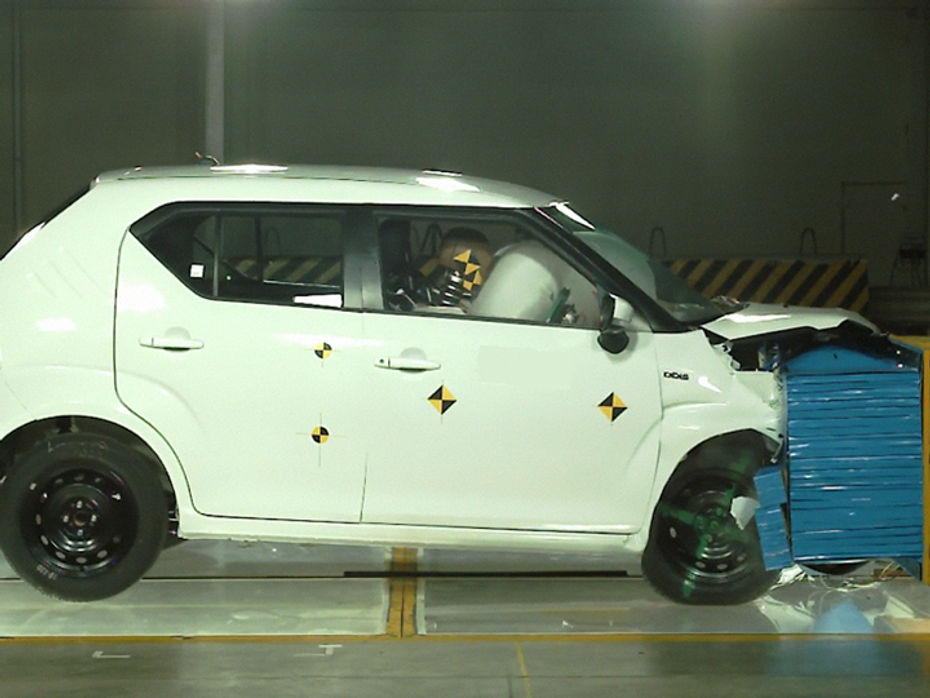
At a tour of Maruti's wrapped-in-secrecy R&D facility in Rohtak we witnessed a frontal off-set crash of the Ignis. As prescribed by the Indian norms, the test saw the Ignis, loaded with crash-test dummies, hit a stationary barrier at 56kmph. In a tenth of a second, announced by a horrific boom, it was all over. The Ignis’ passengers, so we were told, would have suffered some lacerations and bruising at the most. Rescuers wouldn’t have to cut or wrench the doors open, either, when helping the injured out of the car, as the doors opened with just a bit of effort. However, the Euro NCAP test is conducted at 64kmph.
So, are the two cars different?
The answer, provided by C V Raman, Executive Director of Engineering at Maruti Suzuki, was clear: the European car's additional safety level is because of the extra active safety features on offer. Nonetheless, C V Raman stressed that the chassis structure of the Indian car is not different from the European-spec car that complies with the crash test at higher speeds. However, he avoided drawing a parallel between the 3-star(standard)/5-star(with safety pack) European car and the Indian car.
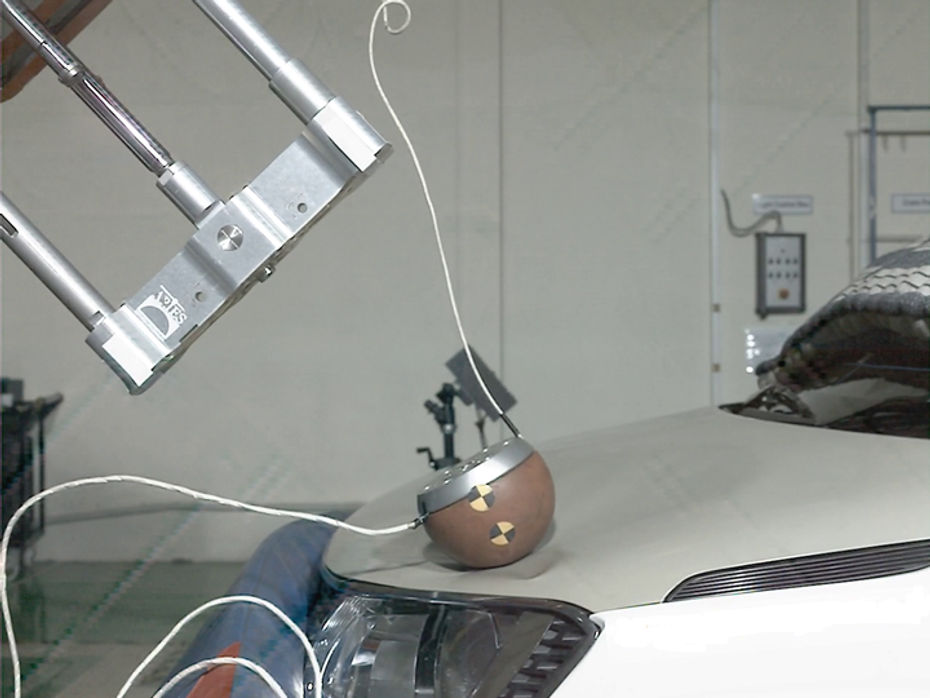
As per the standards laid down by the Ministry of Road Transport and Highways, new cars to be launched after 1st Oct 2017 have to comply with three crash tests. However, vehicles already on sale have time till 1st Oct 2019 to comply with these full frontal, front-offset and side impact tests. Maruti Suzuki's new generation products such as the Baleno, Vitara Brezza and the Ignis -- as would be expected from forward-looking clean-sheet designs -- have already been designed to comply with these norms.
Apart from Suzuki's new lighter and stronger SUPER-TECT platform, the Ignis also offers dual airbags and ABS as standard. The European spec car's ESP, Dual Camera Braking support, lane departure warning, and SRS side and curtain airbags help increase the safety levels and the rating. As of now, these aids are offered only on higher end cars in the Indian market. The Ignis, which has already been criticised by Indian customers for being pricey, would become unviable with these additional safety aids.
In the past, Maruti Suzuki has been criticised for cars with poor safety. The Ignis way forward, if it can be called that, is a welcome change that shows that Indian lives aren't any less important.

Mahindra Thar Roxx vs Scorpio N: Why Character Still Wins
Mahindra Scorpio Lifestyler Unveiled: Mahindra Returns to Lifestyle...
2026 Skoda Slavia Facelift Unveiled, Now Comes With Rear Massage...
2026 Mahindra Scorpio N Facelift Launched With Minor Styling Upgrades...
2026 Tata Nexon Camo Edition Launched: Does It Get Sweeter For The...
5 Things We Love About The Kia Syros EV
2026 Maruti Baleno Facelift Launch Confirmed! Check Out The Expected...
2026 Nissan Tekton Short Review: What We Liked & What Needs To Improve
Volkswagen To Bring A Sportier Kylaq With Sporty Sub-4-Metre SUV
India's largest automotive community
MG Hector Tomahawk PHEV
₹ 25.69 Lakh
MG Hector Tomahawk EV
₹ 19.49 Lakh
BMW X1 LWB
₹ 49.90 Lakh
Mahindra Scorpio N
₹ 13.69 Lakh
Toyota Hilux
₹ 31.99 Lakh
 Tata Motors Passenger Vehicles Rebrands as TATA.CARS: Carries 'Nothing's Too Far' As Brand Promise
 MG Hector Tomahawk PHEV With 1100 Km Range LAUNCHED At Rs 25.69 Lakh
 MG Hector Tomahawk EV Launched At Rs 19.49 Lakh! With Claimed Range of 517 Kms
 2026 Audi Q3 Unveiled In India Finally! Looks Truly A Generation Ahead!
BMW Unveils The i5 LWB For The First Time In India
2026 Audi Q3 Unveiled In India Finally! Looks Truly A Generation Ahead!
BMW Unveils The i5 LWB For The First Time In India