Big, Boxy And A Plug-in Hybrid: Is This JSW Motor’s First SUV?...
- Sep 29, 2026
- Views : 11008



 Follow us

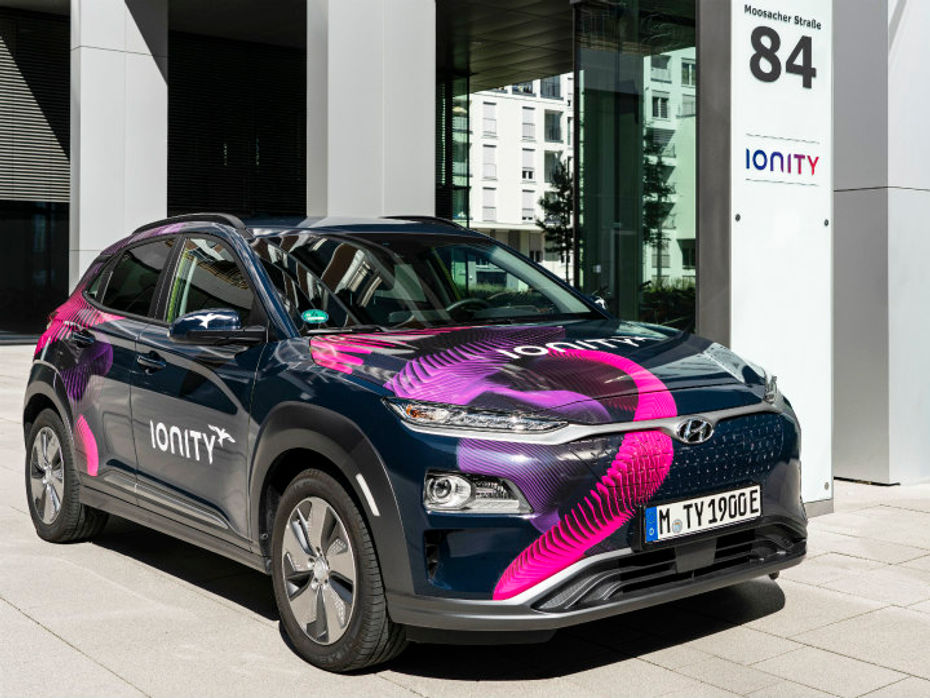
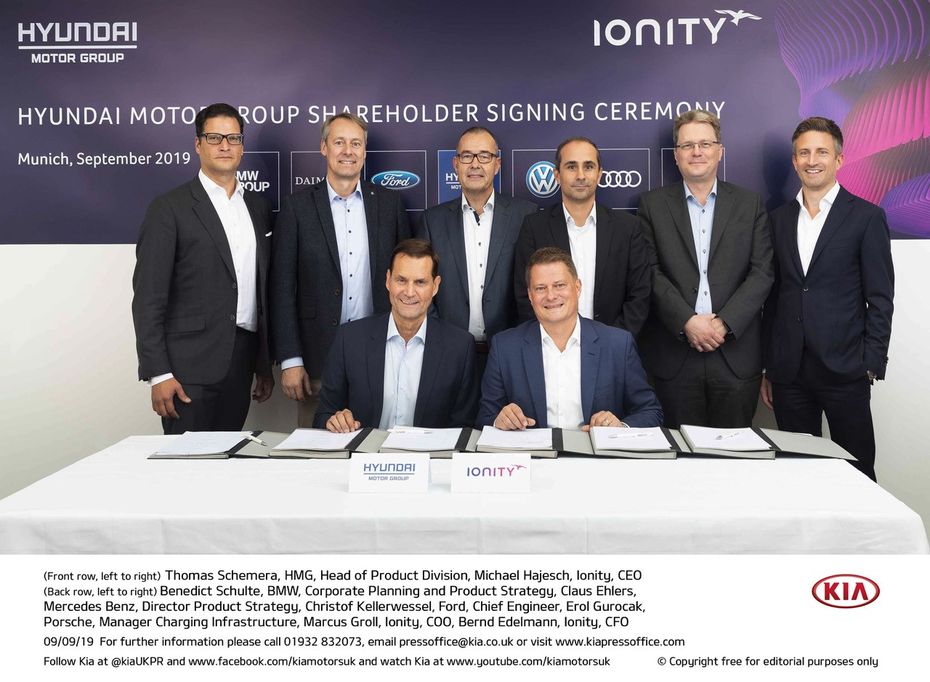
Hyundai Motor Group, which is the owner of Korea’s largest carmakers, Hyundai and Kia, has joined the IONITY fast charging EV network. With this announcement, Hyundai joins the likes of other shareholders at IONITY that include the BMW Group, Daimler AG, Porsche AG as well as Ford Motor Group. This should be a good boost to develop its EV network with the emergence of EVs like the Kona Electric SUV.
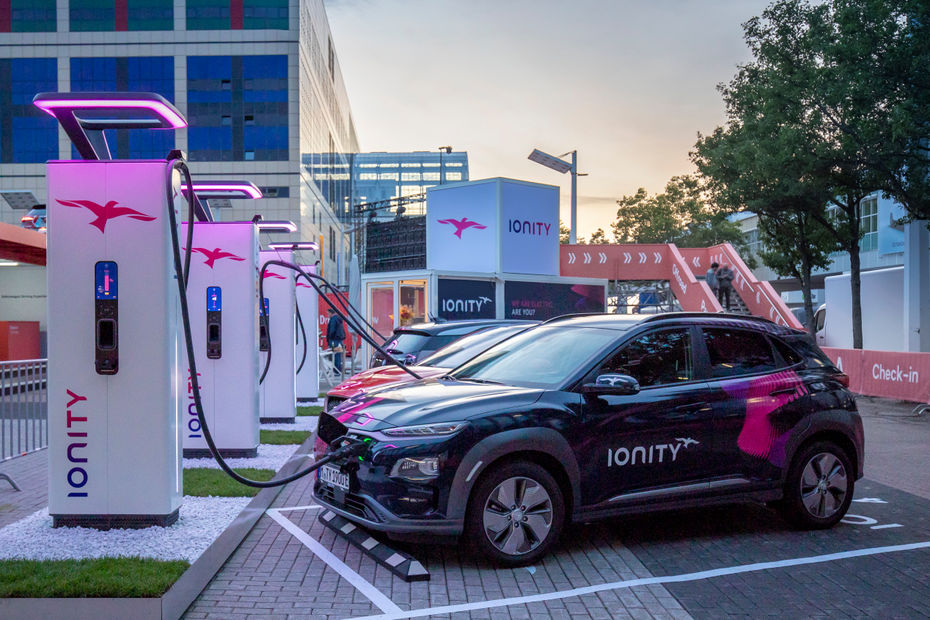
Hyundai claims that it should help EVs with 800 volt charging systems to have faster charging times via IONITY’s 350kW chargers. From 2021 onwards, Hyundai plans to equip electric vehicles with 800 volt charging systems to accommodate IONITY’s maximum charging power of 350 kilowatts. Aside from this, Hyundai and Kia customers will also be able to use IONITY’s HPC facilities that are equipped with digital payment options for saving time and better facilitation of long distance EV travel.
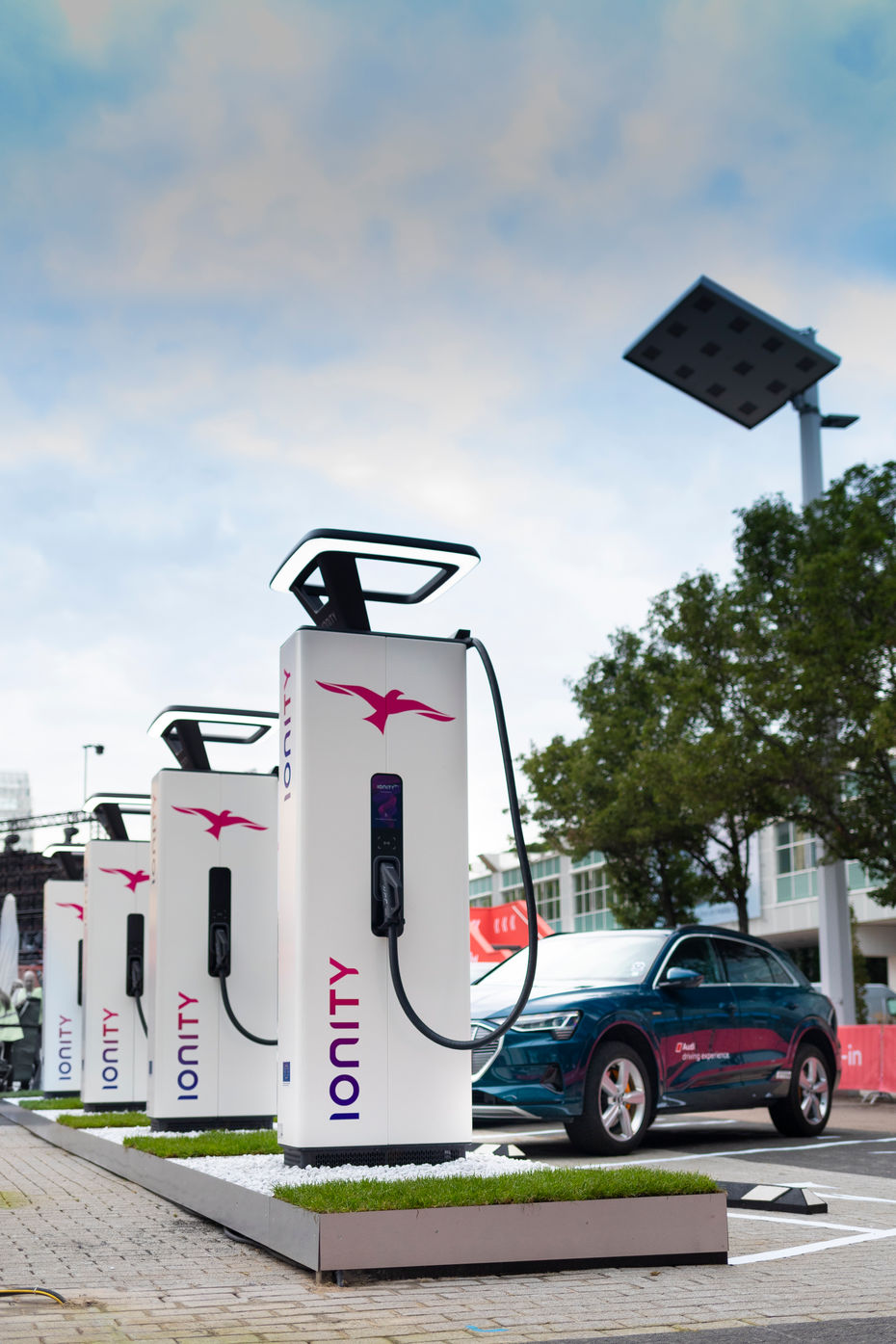
In addition to this, IONITY has introduced a new high power charger at the ongoing 2019 Frankfurt Motor Show. It is 2.6 metres in height and features a unique multifunctional LED light ring. The ring acts as a beacon on the highways at night, making it easier for drivers to find stations on forecourts. It also communicates the availability of chargers and the state of charge by changing colour.
IONITY is a joint venture that was founded in 2017 to establish and operate a High-Power Charging Network along the main highways in Europe and make long distance EV travel a reality. Since its formation, IONITY has set up nearly 140 HPC stations in Europe with another 50 under construction. IONITY ‘s charging technology currently utilises a charging capacity of up to 350 kilowatts along with a universally standard charger to make it compatible with almost all EVs. With Hyundai’s recent involvement, it should provide a further boost to IONITY’s targets for long-distance EV travel.
IONITY plans on expanding its network to around 400 fast-charging stations by 2020, with an average of at least one station every 120 kms along major European highways. If the network is successfully implemented, it could boost interest and accessibility of electric vehicles for both current EV users as well as prospective buyers.


Big, Boxy And A Plug-in Hybrid: Is This JSW Motor’s First SUV?...
EXCLUSIVE: Tata Tigor To Be Replaced By Tata Aeris
2026 Tata Aeris Launched At Rs 5.29 Lakh: Fresh Looks, More Features...
2026 Mahindra Thar OG Launched At Rs 10.32 Lakh: Here's...
India’s List Of Luxury Carmakers To Expand Soon And It’s...
2026 Honda Elevate Facelift Launched At Rs 11.80 Lakh! Honda Finally...
5 Things We Love About The MG Hector Tomahawk EV
Renault Triber Turbo Launched In India, Prices Start From Rs 7.84 Lakh
Tata Launches Legend Series And Dark Edition For Sierra: Gets More...
India's largest automotive community
Skoda Slavia
₹ 10.00 Lakh
Honda Elevate
₹ 11.80 Lakh
Mercedes-Benz Maybach S-Class
₹ 3.35 Crore
Tata Aeris
₹ 5.30 Lakh
Mahindra Thar OG
₹ 10.32 Lakh
 2026 Renault Duster Hybrid Bookings Open: Fuel Efficiency Figures Revealed
 Tata Aeris Petrol And CNG Review: Successful Reinvention
 Top 5 Things We Love About The Skoda Slavia Facelift
 2026 Skoda Slavia Facelift Launched At Rs 9.99 Lakh! Gets Massaging Seats And Better Fuel Economy!
2026 Mercedes-Maybach S-Class Facelift Launched. New Statement In Luxury And Sure To Make You Noticed!
2026 Skoda Slavia Facelift Launched At Rs 9.99 Lakh! Gets Massaging Seats And Better Fuel Economy!
2026 Mercedes-Maybach S-Class Facelift Launched. New Statement In Luxury And Sure To Make You Noticed!