
 Top 5 Things We Love About The Skoda Slavia Facelift
Tata Aeris Petrol And CNG Review: Successful Reinvention
- Published October 8, 2026
- Views : 0
- 10 min read
-

-

-
 Follow us
Tata’s only sedan goes through a major makeover to ditch the past and give customers, and its competitors, a new experience. Can it pull it off?
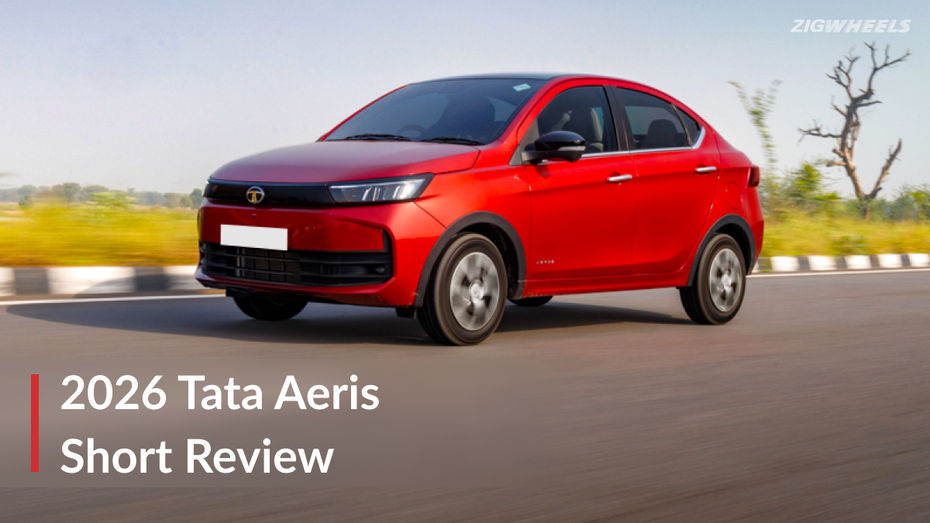
The sub-4 metre sedan segment is an interesting one. While these are fantastic cars — comfortable and spacious — what amazes me is that their aura and desirability have become limited largely to fleet operators. That might be the reason why Tata has reinvented its sub-4 metre sedan contender, and it's now called the Aeris. Is this makeover big enough to help it reconnect with private buyers? The Tata Aeris is priced from Rs 5.30 lakh to Rs 9.75 lakh (ex-showroom), which does give it an advantage against competitors like the Maruti Dzire and the Hyundai Aura. Can this advantage carry on once we start to drive it as well?
Looks
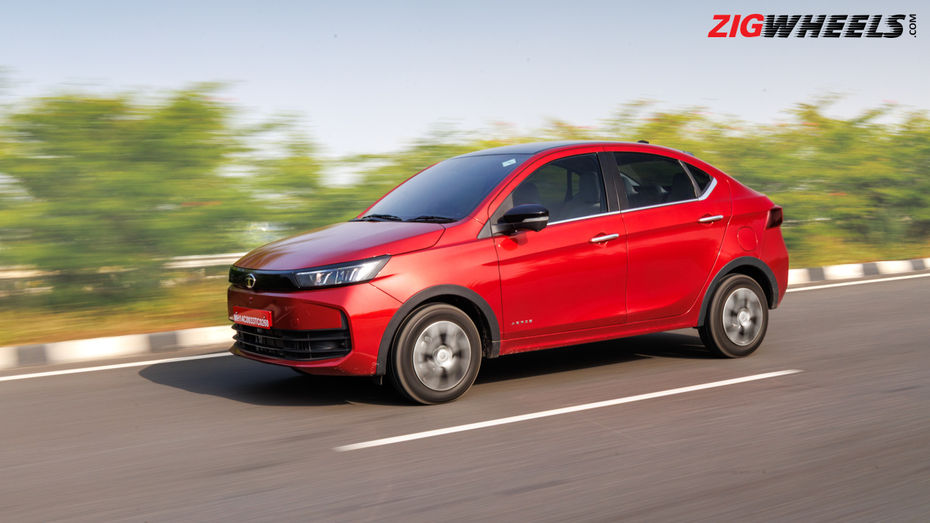
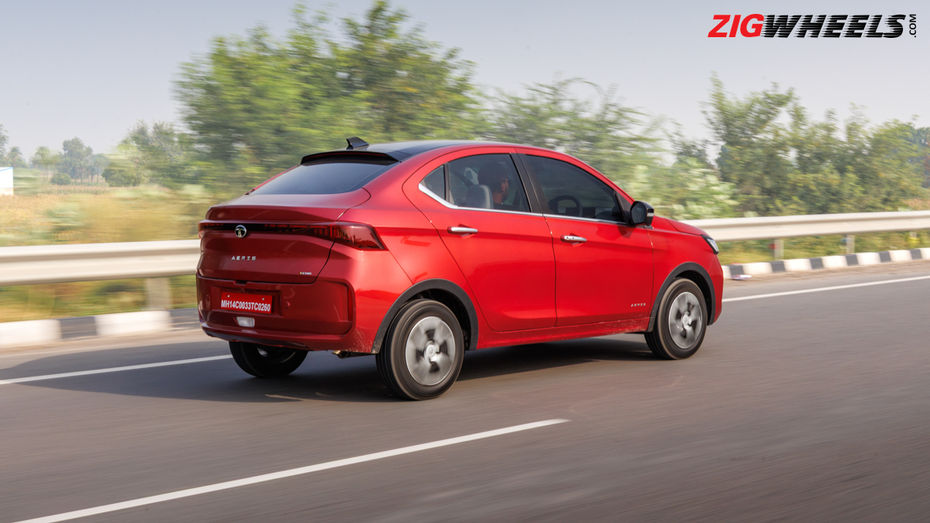
I don't remember the last time Tata made an average-looking car, and that magic continues here. I like the way the Aeris looks, and for a car that wants to win back private buyers, looking good matters. The proportions look better with this design, and it is so clean that it will appeal to everyone. It measures 3,995 mm in length, 1,684 mm in width and 1,532 mm in height, and the wheelbase is 2,450 mm. Conservatives will appreciate the subtle design with clean lines and the high-nose grille with sleek LED headlamps.
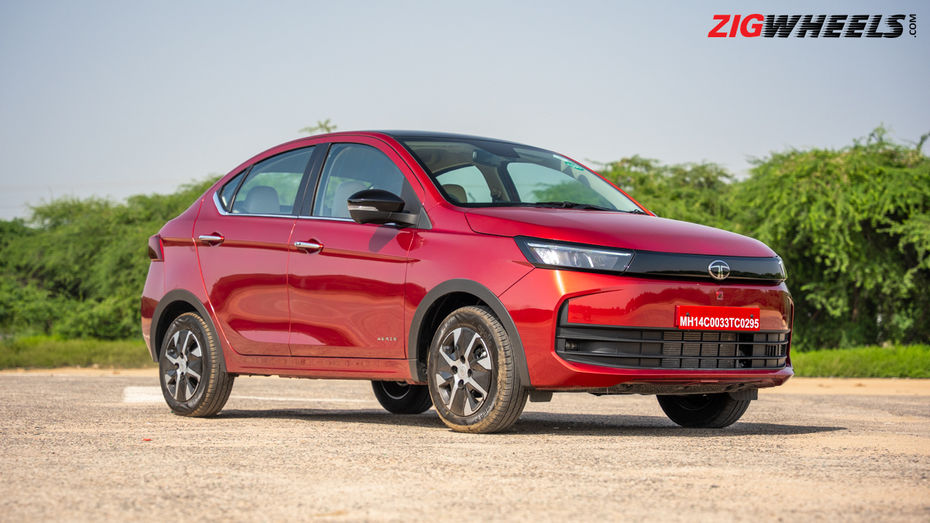
Another important point to mention is that the CNG gets 14-inch steel wheels with wheel caps, while the petrol gets the new 15-inch alloys. Enthusiasts will appreciate the stance, the sporty bumper with fog lamps, these beautiful 15-inch alloys and the quirky yet palatable colour options. And you know what — this car deserves a racer treatment, with a small lip spoiler and big dual tailpipes. Tigor JTP fans, you know what we mean.
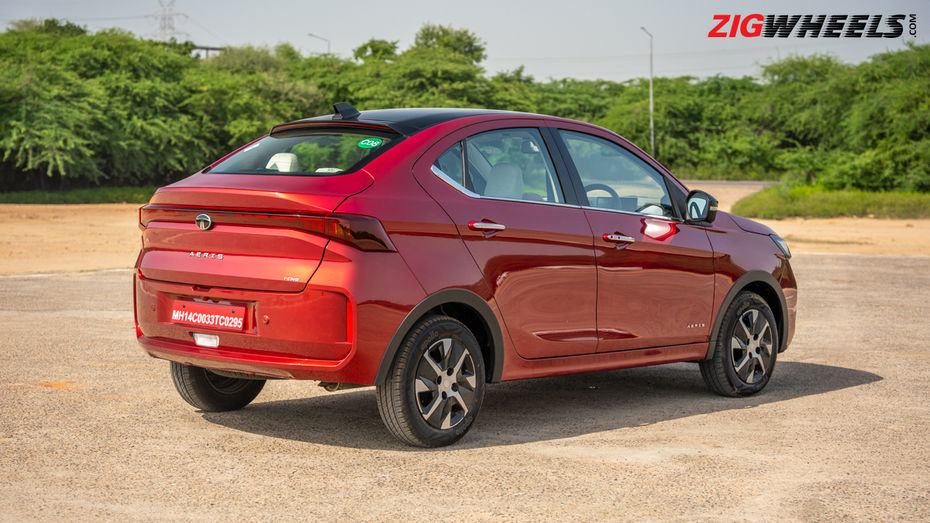
The ground clearance is 170 mm, plenty for Indian roads. Fit and finish is better than other Tata cars, and it's harder to find mismatched panels. But the moment you start looking, the misses become obvious. The boot lid gap is fine on one side, but on the other, you can't even slide a key card through. Things like these should not be happening in 2026, and these misaligned taillights and door shut lines trigger my OCD like political cyber cells in a protest.
Interiors
The interior is clean and bright. It feels welcoming, and all the touchpoints are nicely wrapped in either soft-touch fabric or leatherette. But that got me thinking: why not just use the leatherette everywhere? The issue is that this light-coloured fabric is going to get dirty very easily, especially around the touchscreen and on the door pads. And cleaning it will need a professional, unlike leatherette, where a sneaker wipe can get the job done. And while you are at it, just wrap the steering in leather too, please.
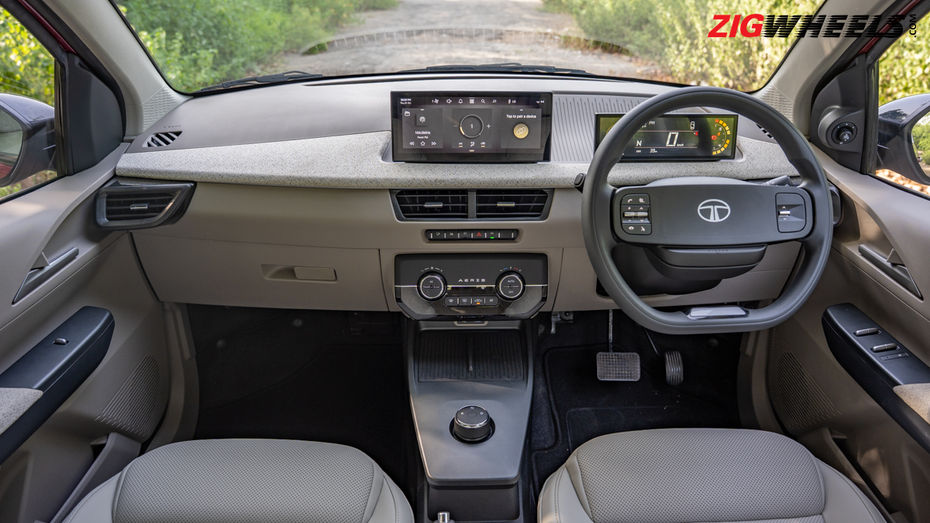
That said, I do appreciate that Tata has used matte black here and not gloss black, which gets scratched very easily in our conditions. Fit and finish has seen a massive improvement, and the cabin finally feels well put together, apart from a few niggles here and there. Storage spaces are limited but get the job done, with two cupholders, a rubberised tray for your phone, wallet or keys, a glovebox and slim door pockets that will still hold a 1-litre bottle.
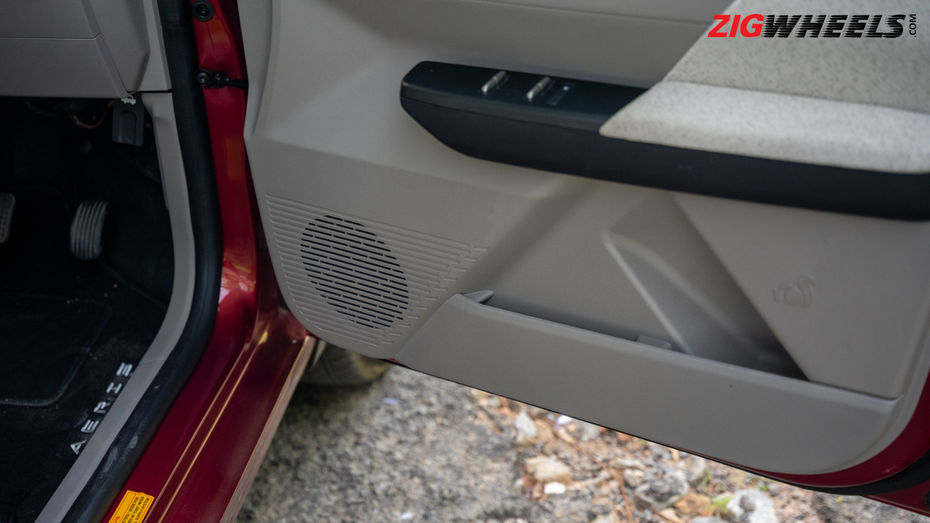
While there is no crash test score yet, we are fairly confident the Aeris will get a 5-star Bharat NCAP rating when tested. It gets six airbags as standard, ESP with traction control, hill hold assist and a tyre pressure monitor, along with a 360-degree camera.
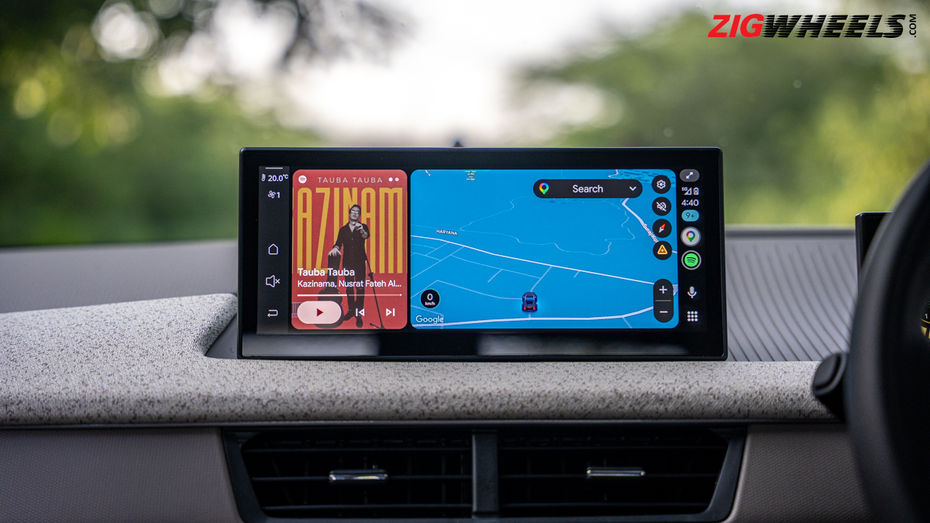
The layout is clean and minimalistic, but the gap between the two screens is massive. The free-standing touchscreen is modern and high-definition, while the instrument cluster reads more like a 2000s calculator than a modern display. The information on it, though, is crisp and clear. The touchscreen interface is the same one we have seen in other Tata cars, but here it works glitch-free. You get wireless Android Auto and Apple CarPlay, automatic climate control, a wireless charger, auto headlamps and wipers, cruise control and ventilated seats. There's no sunroof and no auto day/night IRVM, and between the two, I want the IRVM.
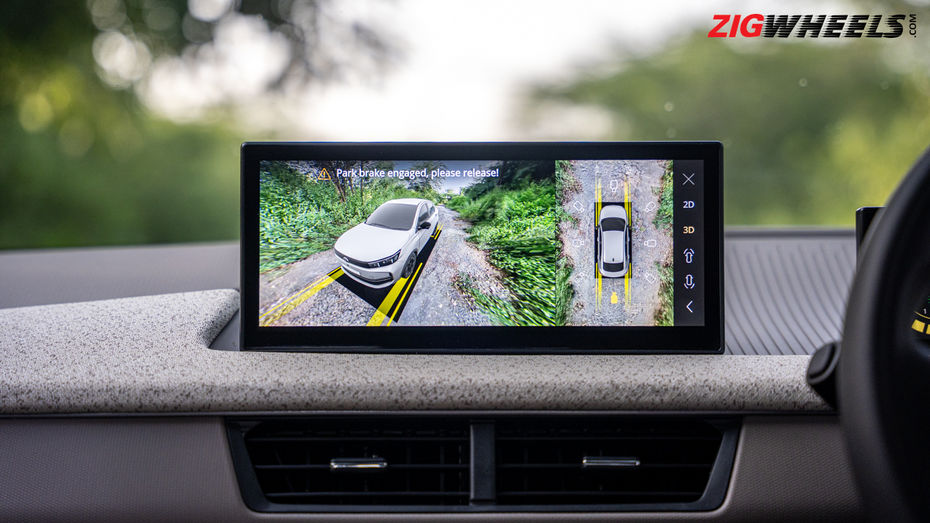
The 360-degree camera gets a 3D view and proper HD detail, and it doubles as a dashcam. Swipe down, tap Record Event, and it saves the two minutes before you tapped it and keeps recording for three minutes after, giving you a five-minute clip of the incident. Clips are saved to the internal storage, so you don't need a pen drive, but for more storage or continuous recording, you'll have to plug one into the USB port. The touchscreen is paired with a 6-speaker sound system. It isn't JBL-branded this time, but it sounds very good, with tremendous clarity and deep bass up to mid-level volumes. It only starts to crack at higher volumes, and you're unlikely to go there.
Rear Seats
The rear seats are comfy, and people up to 6 feet tall will find the legroom, knee room and headroom just about right. But don't even try to squeeze a third passenger here — they won't fit.
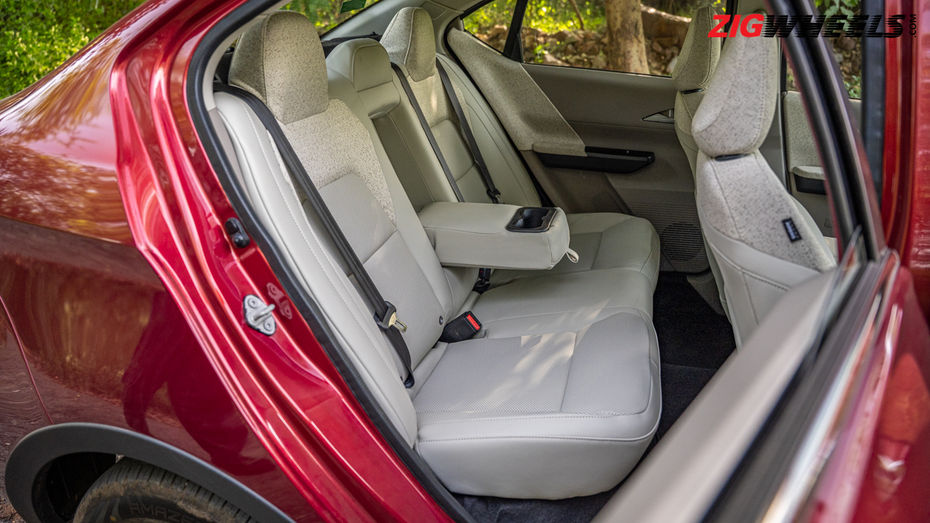
Rear AC vents, a charger, an armrest with cupholders and rear headrests make it nicer, but only if you pay for the top variant, as these are limited to it. And can Tata please stop this chindi chori on load sensors? Without them, the only way to stop the seatbelt alarm is to buckle the belt even when no one is sitting there. How is that an acceptable solution? It's not.
Boot
There is plenty of boot space here. You can easily pack a road trip's worth of luggage without any problem. Plus, you get hydraulic struts, so the boot stays firmly open, and they don't eat into the boot space either. The petrol variants get 419 litres of boot space, whereas the CNG gets 219 litres.
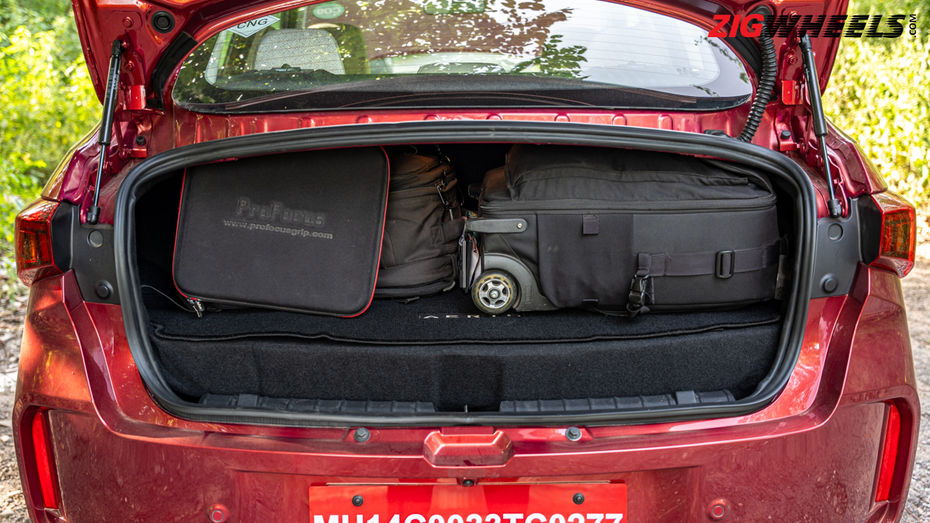
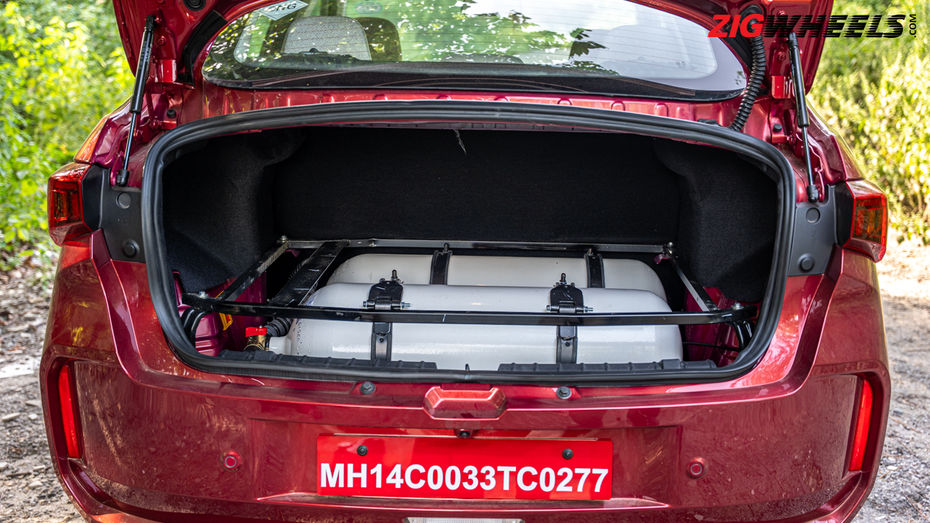
The more impressive part is the CNG's boot space. Thanks to the twin-cylinder setup, you can still fit two cabin-sized trolley bags alongside the cylinders, which makes it so much more usable. The smart packaging continues with the spare wheel: on the CNG, it sits under the body floor, while on the petrol, it's under the boot floor.
Drive
Performance
Tata's 1.2-litre three-cylinder engine has never been built for performance. It has always been a commuter engine, and earlier versions drew complaints for being noisy, vibey and dull to drive. That has changed over time, and in the Aeris, this engine performs well.
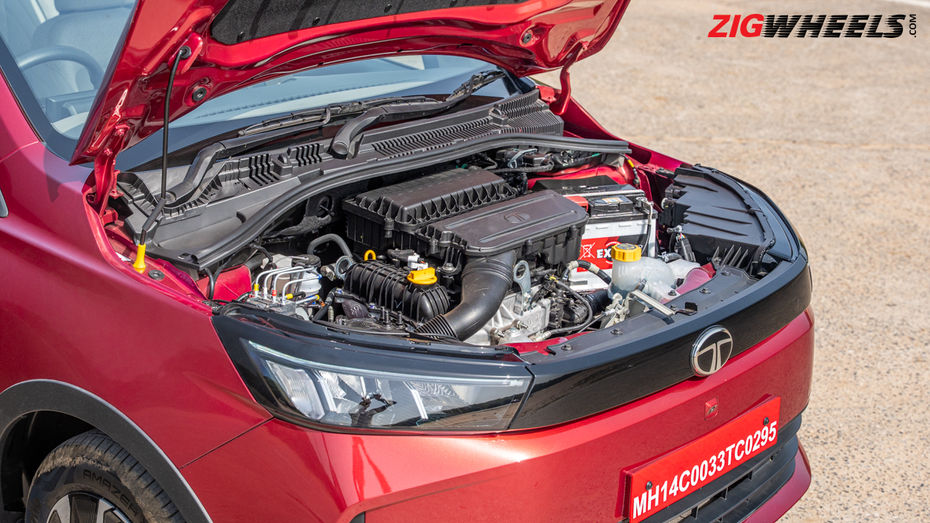
The first big improvement is refinement. Floor the throttle and the engine is still audible, but it's no longer harsh, and vibrations through the floorboard are much better controlled. It feels like a more polished unit and is nicer to drive as a result.
Power delivery has improved too, especially in the mid-range. For overtakes, keep the engine around 3,000 rpm, and there's enough of a surge to get past the vehicle ahead. It's still not a performance engine, but for everyday driving it's now more pleasant. It still falls short of the best in the segment, though. Hyundai's 1.2-litre four-cylinder is excellent, and Maruti's new 1.2-litre three-cylinder is also very nice to drive. Next to those two, Tata's engine isn't quite on par. If your driving is mostly commuting, it will do the job.
The gearbox has improved a lot too. Older Tata manuals felt notchy, and finding the right gear during spirited driving could be a struggle. That's no longer the case. Upshifts and downshifts are easy, the gates are clearly defined, and the clutch is light and smooth. Shifting quickly becomes second nature, and the lever drops into each gear the way it always should have.
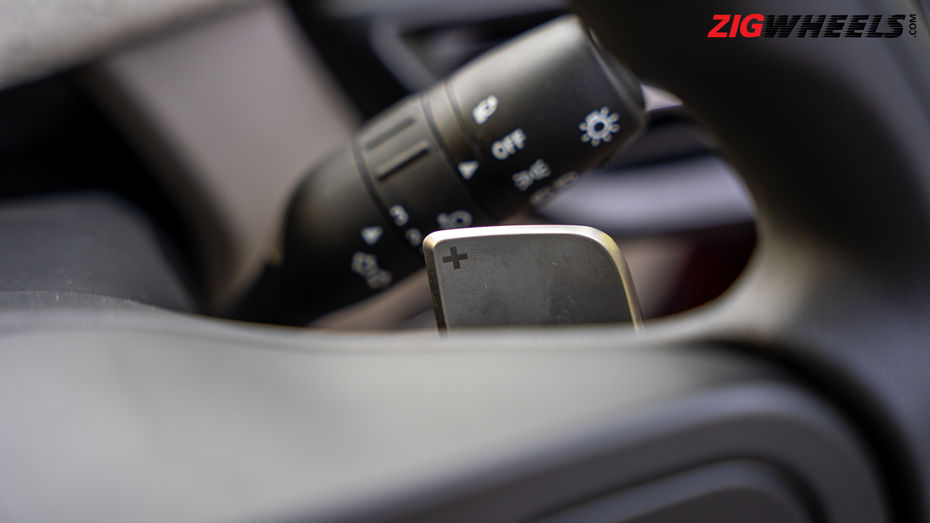
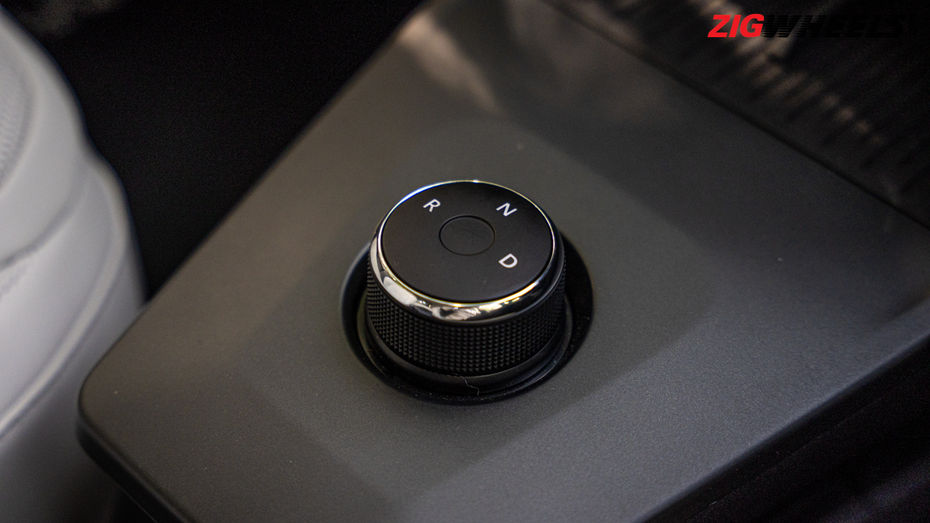
An AMT is available with both the petrol and CNG versions, and it comes with paddle shifters. It still has the usual AMT drawbacks: shifts are slow, and it tends to stay in one gear for too long when you're trying to overtake in heavy traffic. Using the paddles makes it hold a gear longer, which helps with quicker overtakes, but it won't lock into a gear completely, and the response is still a bit slow. If you enjoy driving with any enthusiasm, get the manual, because it's the better gearbox. For relaxed commuting or easy touring, the AMT is fine.
CNG
The CNG version was a pleasant surprise, because it gets all the same engine improvements. Power does drop, but not by much. Overtaking autorickshaws and other slow traffic at low speeds is easy, and even passing faster cars isn't hard. You just need to plan ahead, get on the throttle earlier and let the engine rev.
Thanks to the better insulation, you won't hear much of that effort inside the cabin. If running costs matter to you at all, the CNG is the one to buy.
|
Specifications |
Petrol |
CNG |
|
Engine |
1.2L 3-cylinder Petrol |
1.2L 3-cylinder Petrol-CNG |
|
Power |
86 PS |
75.5 PS |
|
Torque |
113 Nm |
96.5 Nm |
|
Transmission |
5-speed MT / AMT |
5-speed MT / AMT |
MT - Manual Transmission, AMT - Automated Manual Transmission
Handling And Comfort
Ride comfort was the biggest surprise of the Aeris. Carmakers usually stiffen the rear springs on CNG versions to carry the weight of the cylinder in the boot, so the CNG car rides harder. That isn't the case here. The CNG version runs on smaller 14-inch wheels, which let Tata set up its suspension more softly. As a result, it's the better-riding version of the two. It soaks up bumps very well. The cabin stays quiet and isolated over rough, uneven roads, and it glides over sharp bumps, large speed breakers and broken patches. The petrol version, on 15-inch wheels, lets you feel more of the road surface but is still a comfortable sedan. If the roads near your home are in poor shape, choose the CNG over the petrol.
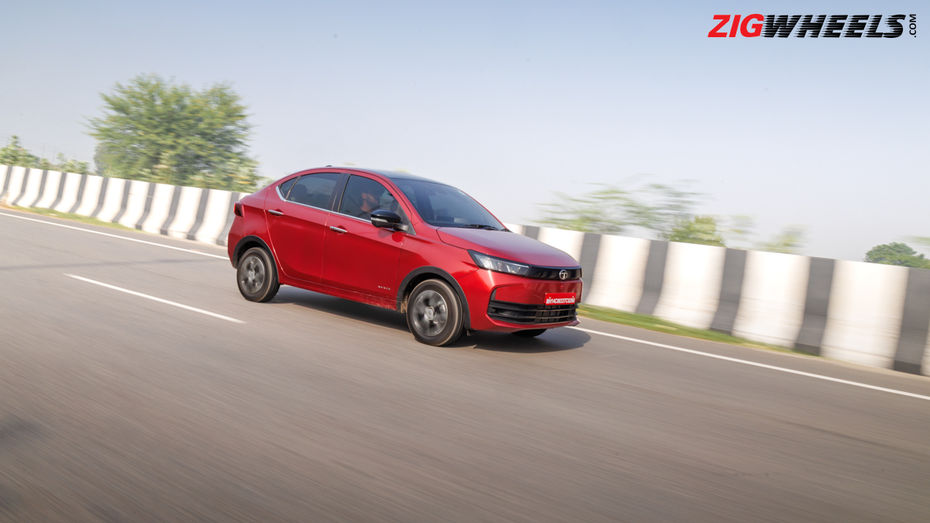
The handling is very neutral, and the car feels confident through corners. When you push harder, there's some body roll and the car starts to pull toward the outside of the corner. All of this happens slowly and predictably, so you always know where the limits are. This isn't a car for enjoying hill-station roads, but it will get you there safely and confidently.
Size Matters
There is one catch, though. Tata has improved this car in every way the existing platform allows. The one area where the Aeris can't keep up is space and size, and that's where its rivals have moved well ahead. Its competitors now feel a size class larger. They offer much more rear-seat space, enough to seat three across in reasonable comfort. They also feel bigger and nicer from the driver's seat. The door pad sits farther away from you, and so do the other passengers, both the one beside you and those in the back. That extra room makes the cabin feel richer and more premium. That's the one area where the Aeris can't match them.
Verdict
The Tata Aeris has successfully reinvented itself. Everything that could be improved has been, and the whole package is significantly better than before. It looks cool, drives well, is comfortable, has a decent amount of space and a good feature set, and is better built. The star of the show, though, is the CNG, because it makes living with those cylinders so much nicer. It drives almost as well as the petrol, gets almost the same features, has a usable boot, is more comfortable and even gets an automatic. The usual compromises of living with a CNG car are almost gone. If you are looking for a commuter, the CNG is the smarter choice.
However, in the same market and at the same size, you get larger cars that feel more premium and offer more space. And that, for the Aeris, will remain its Achilles' heel.
Add Your Comments


Tata Aeris Alternatives
-
 Tata Tiago
Rs. 4.77 LakhCompare with Aeris
Tata Tiago
Rs. 4.77 LakhCompare with Aeris -
Tata Punch
Rs. 5.75 LakhCompare with Aeris
-
Skoda Kushaq
Rs. 10.69 LakhCompare with Aeris
-
Maruti Dzire Tour S
Rs. 6.29 LakhCompare with Aeris
-
Honda Amaze
Rs. 7.65 LakhCompare with Aeris
See what our community has to say! NEW
India's largest automotive community
Explore Now

Tata Cars in India
-
Tata Punch
Rs. 5.75 Lakh1199 CC | Petrol
-
Tata Sierra
Rs. 11.49 Lakh1497 CC | Diesel
-
Tata Nexon
Rs. 7.40 Lakh1199 CC | 17.01 Kmpl | Petrol
-
Tata Tiago
Rs. 4.77 Lakh1199 CC | Petrol
-
Tata Harrier
Rs. 13.00 Lakh1498 CC | Petrol
Best Sedan Cars
-
Tata Aeris
Rs. 5.30 Lakh1199 cc | 85 bhp
-
Maruti Suzuki Dzire
Rs. 6.31 Lakh1197 cc | 25.2 kmpl | 81.8 bhp
-
Hyundai Verna
Rs. 10.99 Lakh1497 cc | 113.2 bhp
-
Volkswagen Virtus
Rs. 10.71 Lakh999 cc | 20.8 kmpl | 114 bhp
-
Hyundai Aura
Rs. 6.00 Lakh1197 cc | 17 kmpl | 82 bhp
Upcoming Cars in India
-
Volvo EX90
Rs. 1.20 Crore
Launch : Oct 12, 2026 -
Volvo ES90
Rs. 1.10 Crore
Launch : Oct 12, 2026 -
Toyota Glanza Facelift
Rs. 6.85 Lakh
Launch : Oct 14, 2026 -
Hyundai Bayon
Rs. 10.00 Lakh
Launch : Oct 15, 2026 -
Audi Q3 2026
Rs. 48.00 Lakh
Launch : Oct 16, 2026
Tata Aeris Price in India
- Latest
- Popular
-
Top 5 Things We Love About The Skoda Slavia Facelift
-
 2026 Honda Elevate Facelift Launched At Rs 11.80 Lakh! Honda Finally Adds These Missing Features
-
 2026 Skoda Slavia Facelift Launched At Rs 9.99 Lakh! Gets Massaging Seats And Better Fuel Economy!
-
 2026 Mercedes-Maybach S-Class Facelift Launched. New Statement In Luxury And Sure To Make You Noticed!
-
Skoda Slavia Facelift Review: For You And Your Family?
Top Car Brands
- Images
- News
- Offers
- Brochures
×
×