 Porsche’s Cayenne Electric Is Finally In India! Prices Start At Rs 1.77 Crore
2026 Kia Sorento Short Review: What We Liked & What Needs To Improve
- Published October 3, 2026
- Views : 0
- 9 min read
-

-

-
 Follow us
Kia’s third highest-selling car globally maximises a formula we’re familiar with in India too. The end result is functionally difficult to fault.
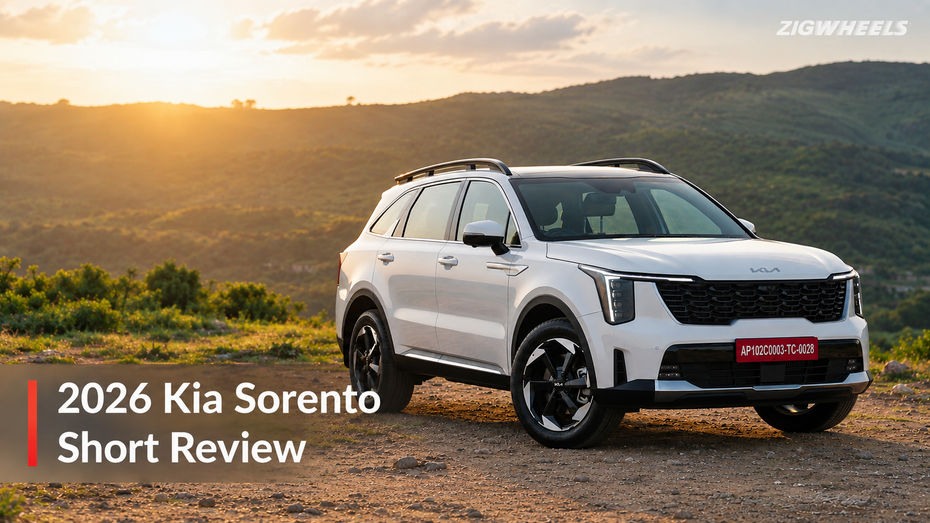
The Kia Sorento sits in a space that’s been dangerous for the past decade. Cars like the Hyundai Tucson, Hyundai Santa Fe and Honda CR–V have found themselves thrown out of the market, in spite of being very good standalone products.
The issue in this space is how much better loaded more affordable cars like the Mahindra XUV7XO and Tata Safari have become, while at the other end, luxury brands start to seem not so out of reach. It’s a tightrope walk of packaging and price that the Sorento has to perfect like no one else.
Kia Sorento Looks
The Sorento looks like a typical Kia but is a rare car where the rear design is more striking than the front - perhaps because those tail lights look a touch Mustang. The DRLs, indicators and quad front LED headlights surround the grille for what make up the digital tiger face.
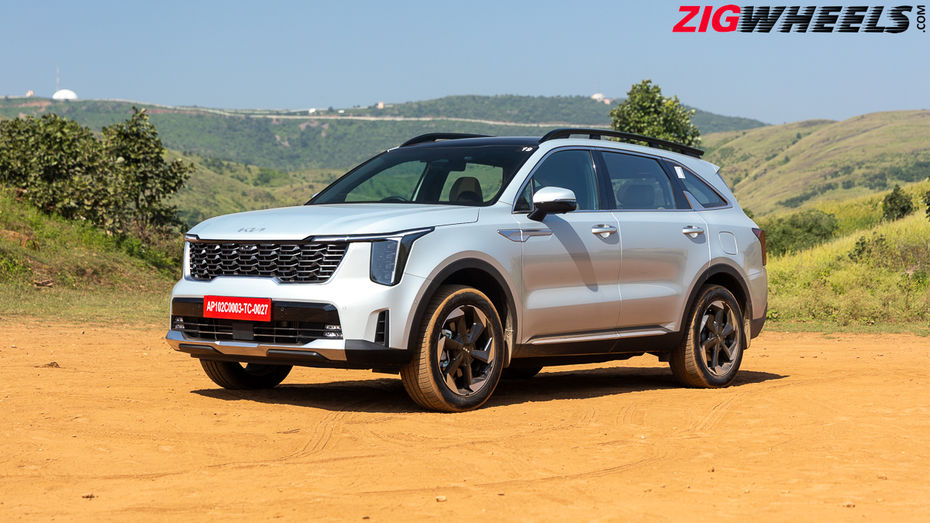
Notably, this design language is similar to the Sonet and previous-generation Seltos because of where this Sorento sits in Kia global timelines. This 4th generation Sorento originally debuted in 2020 with the facelift arriving in 2023. A new generation Sorento is expected to debut globally sometime in 2027-28.
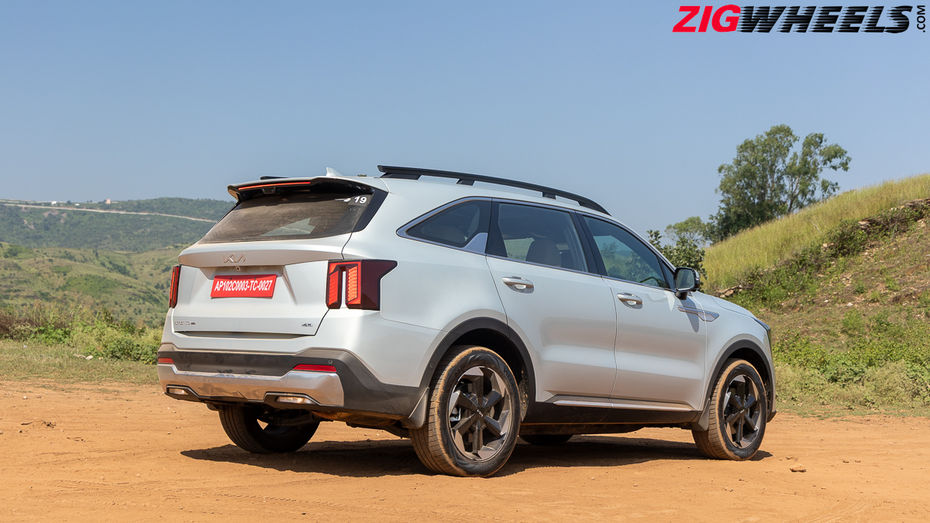
The side profile features 18-inch alloys as standard with 19s as you move up from the first two variants. The Sorento is a big boy - longer, wider and with a bigger wheelbase than the Fortuner but not as tall. There are 8 colour options to choose from but I’m most partial towards the matte Dark Gun Metal also known as “you better PPF me” or Pewter Olive.
Kia Sorento Space & Quality
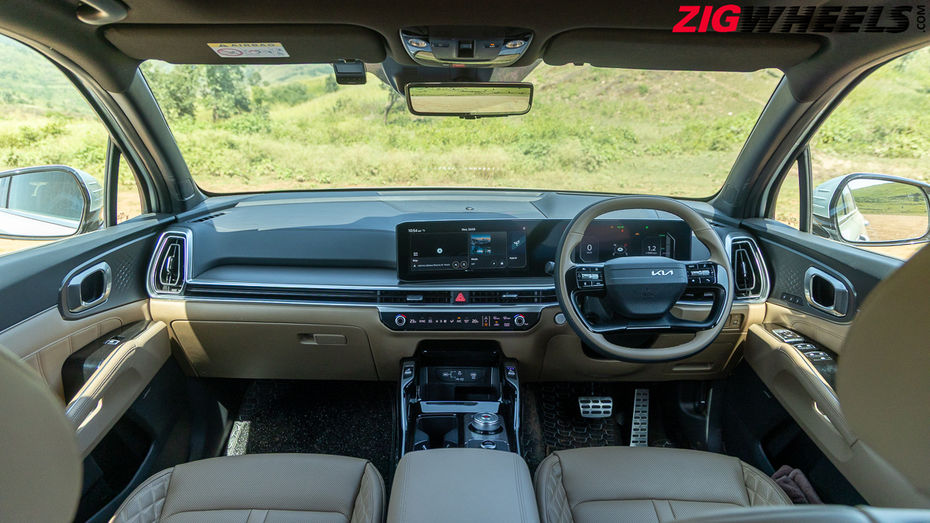
Sit in the Sorento and then the Seltos in the showroom and you’ll note sharp differences in the colours, materials and finishes. But being a Kia it’s still ergonomically precise and feels rich inside. Well-built and solid fitting plastics with the right dose of leatherette trim at key touch points make this cabin a great place to be.
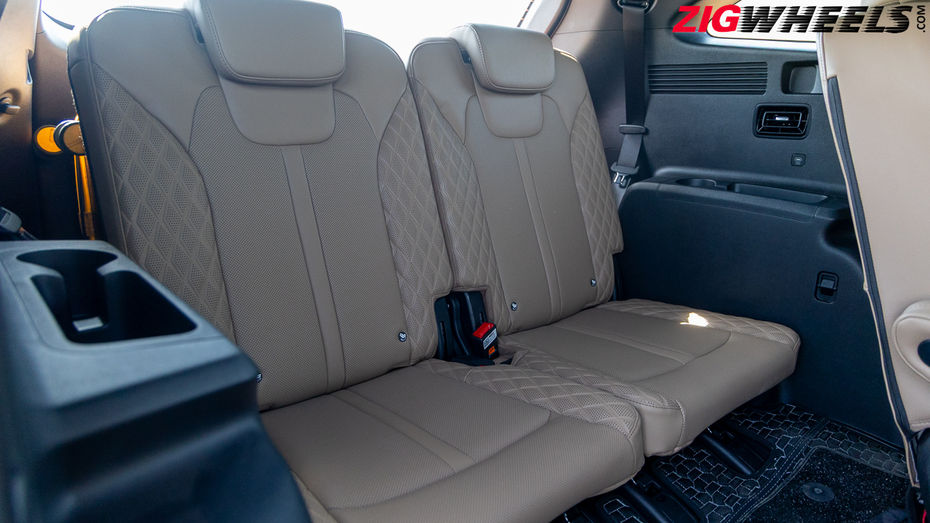
For a car of this size, cabin space and seat support is par for the course, not exceptional. A 5.8ft passenger can sit behind themselves with great overall seat support, knee and head room. That same passenger can then move into the third-row as well but the space makes it ideal only for occasional use. For kids, pets or short adults, the third-row will do just fine.
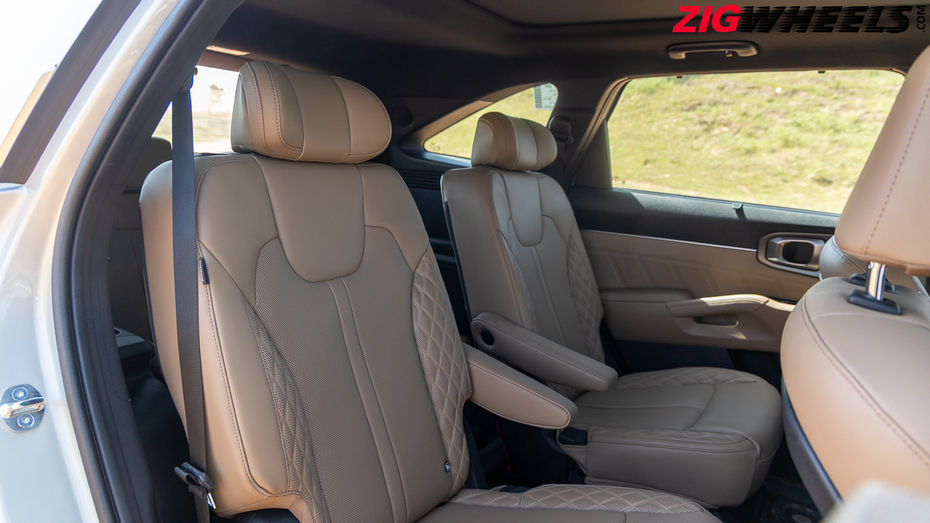
The second-row seat doesn’t tumble forward but gets nifty buttons on the passenger’s side to roll the seat ahead. Since the car isn’t too high, ingress and egress are convenient in all rows too.
Swap to a 6ft tall passenger, and second-row under-thigh support starts to feel lacking though knee room is still available. Footroom for second-row occupants under the front seats can become a slight issue and this is more apparent in the petrol hybrid than the diesel.
Kia Sorento Tech
There’s a bombardment of features on board but as you might imagine, they’ve ‘Kia’d’ the daylights out of the car offering all of this as standard.
Standard Features
|
18-inch Alloy Wheels |
Auto Headlamps & Wipers |
LED Headlights & DRLs |
|
12.3-inch Touchscreen With Wireless Apple Carplay/Android Auto |
6-Speakers |
Wireless Phone Charger |
|
Front+Rear Parking Sensors |
Rear Camera |
7 Airbags |
|
Cruise Control |
Highline TPMS |
Dual-Zone Climate Control |
|
10-Way Powered Driver’s Seat |
One-Touch Up/Down Power Windows |
Tilt/Telescopic Steering Adjustment |
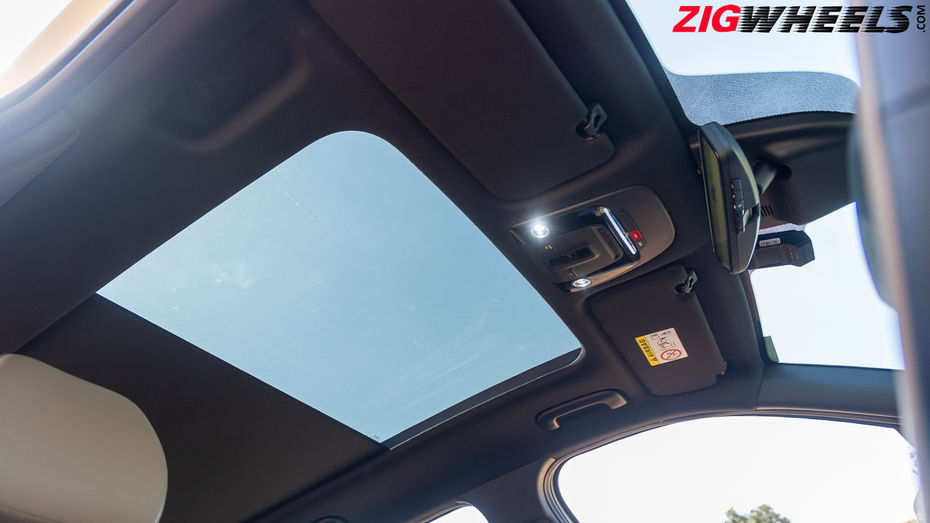
Get to the HTE (O) and you add a dual-pane panoramic sunroof, powered passenger’s seat, front seat ventilation and a powered tail gate. Hopefully, these variants don’t come with an absurdly long waiting period or a battle for allocations at your dealership.
Outside of a third screen for the front passenger (an emerging trend that we still don’t deem necessary), the Sorento has everything mentioned above and:
-
Rear seat ventilation.
-
Drive modes (Eco, Sport, Smart and the diesel-only, Normal mode).
-
Snow/Sand/Mud terrain modes for the AWD variants.
-
2 type-C chargers in each row.
-
220V plug point in the middle row.
-
Leatherette upholstery and door trim.
-
12.3-inch digital instrument cluster.
-
In-built AI supported by Perplexity.
-
BOSE 12-Speaker sound system which is decent but not jaw-dropping.
-
64 colour ambient lighting.
-
Rear sunshades.
-
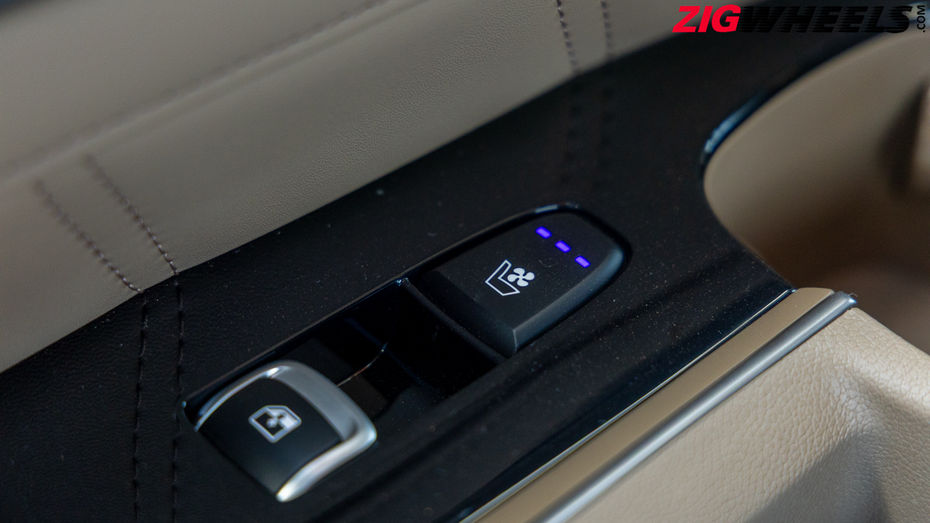
Third-row AC blower speed control.
-
Head-up display.
-
Front and rear dashcam.
-
Memory settings for the driver’s seat, mirrors and HUD.
-
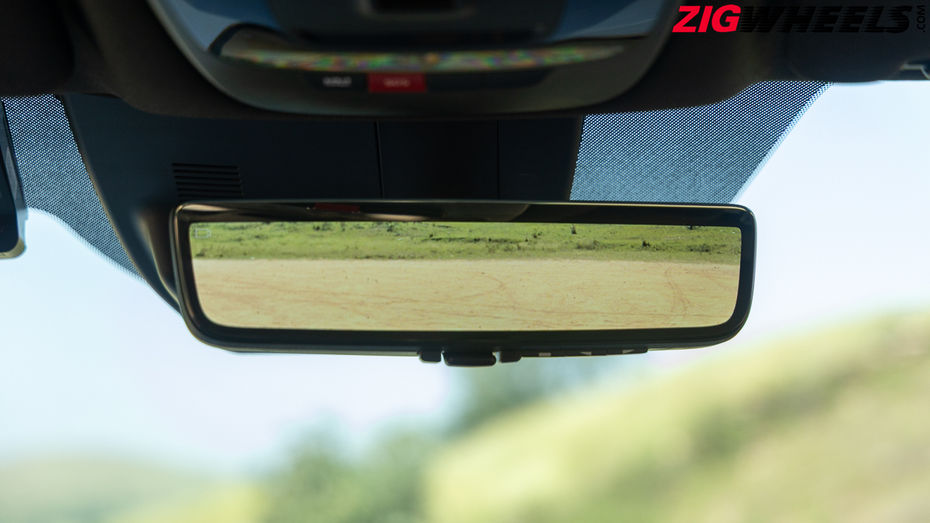
Digital IRVM with a roof mounted camera feed.
-
And remote forward and reverse parking assist.
Other highlights:
-
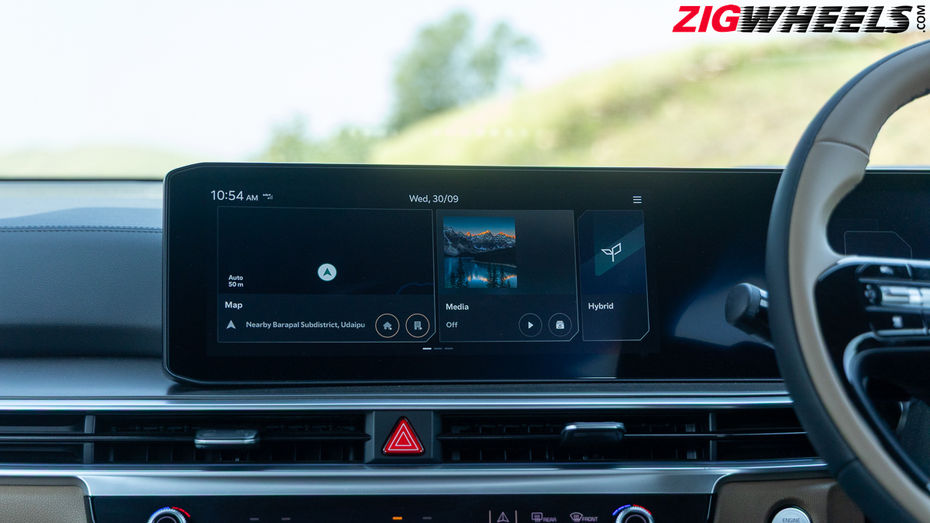
The 12.3-inch touchscreen delivers smooth responses and fluidity while switching between screens. Wireless Android Auto/Apple CarPlay come as standard.
-
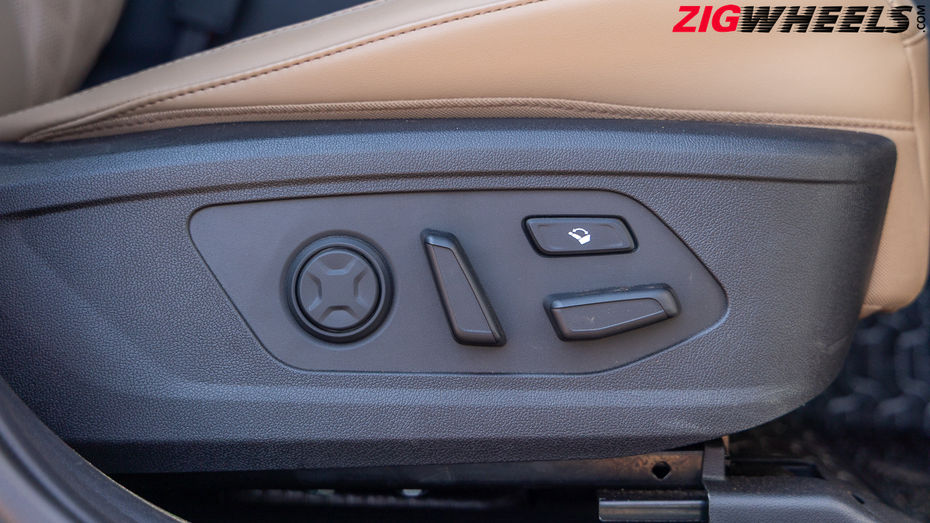
Kia’s ‘Ergo Seat’ is available for the driver which adjusts the seat cushioning to improve long duration seat comfort. This feature doesn’t move the seat altogether nor is it a massage function but sits somewhere in between.
-
The voice commands powered by Perplexity are the default voice command program and offer more interactivity than traditional systems with fixed responses. However, the system is eSIM network-dependent so even traditional voice commands won’t work if you're in an area with inadequate coverage.
Kia Sorento Boot
With the third-row in use, the Sorento’s 179-litres of space can only accommodate a cabin-sized trolley bag and a backpack or a few soft bags.
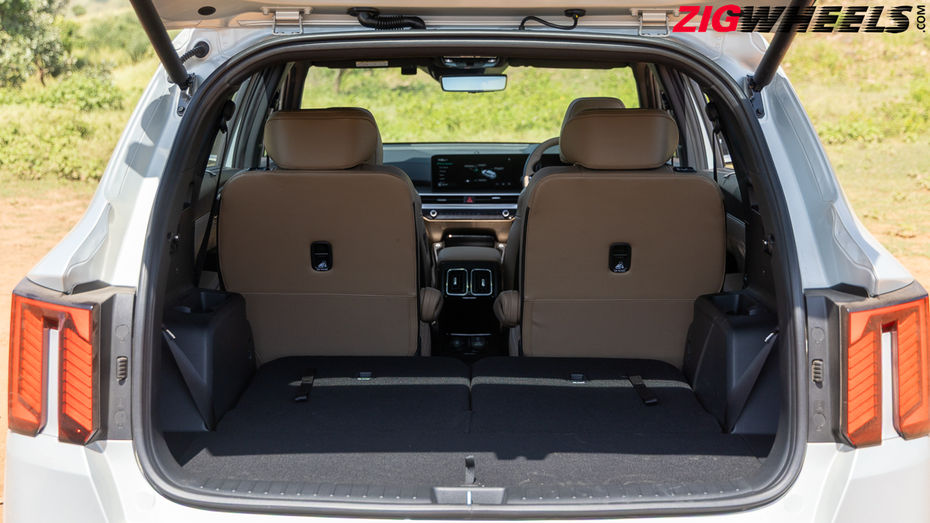
Drop the third-row and you now have 813-litres of space, which can easily accommodate large suitcases for weekend road trips or international airport transfers.
The boot also has buttons on the side to lower the middle-row seats more conveniently.
Kia Sorento Drive & Ride
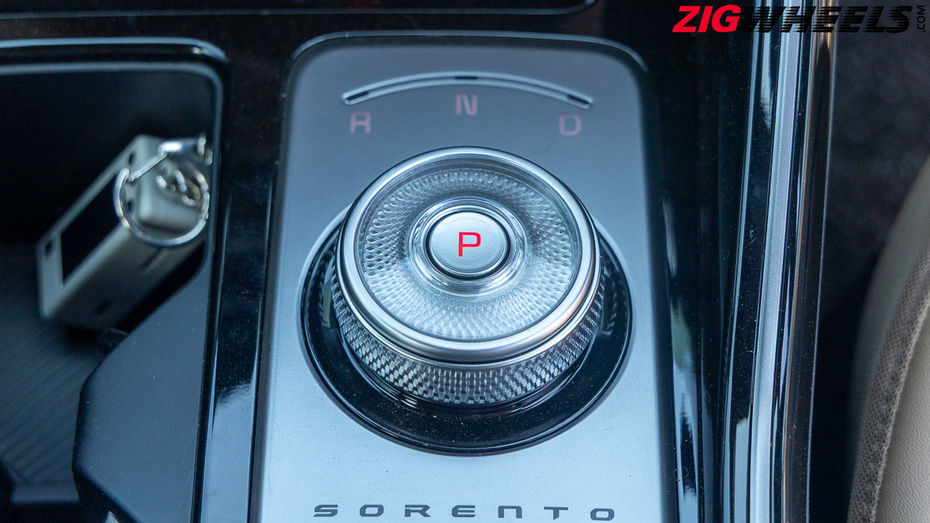
For most, the 1.6-litre petrol hybrid would drive most of the curiosity. It’s a rather complex setup, combining a direct-injection turbo-petrol engine with a 1.49kWh lithium-ion battery pack, electric motor, 6-speed torque-converter automatic transmission and then the option of all-wheel drive to top.
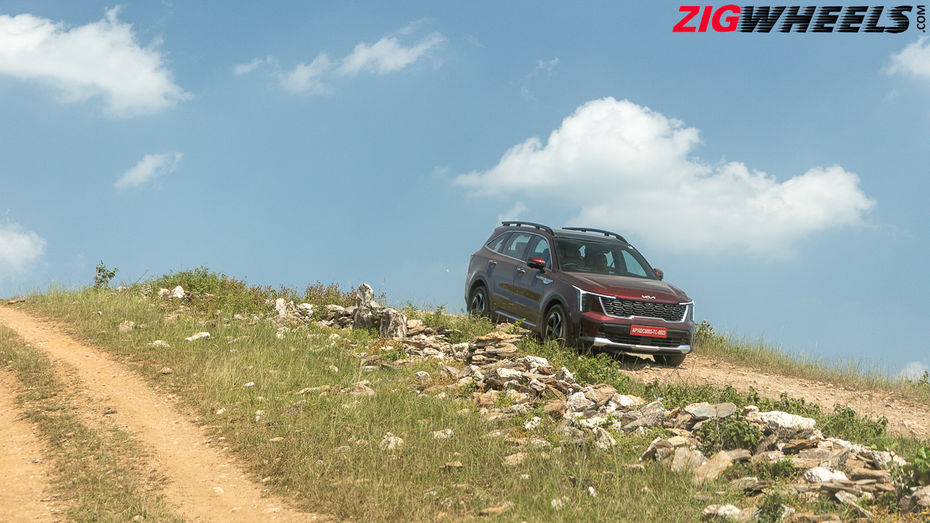
The end result, though, is a very smooth drive experience with one key experiential difference vs the Japanese hybrids you would’ve experienced in cars like the Toyota Innova Hycross, Honda City HEV or Maruti Suzuki Grand Vitara - gear changes. While picking up the pace or going for an overtake, unlike other hybrids, the accelerator doesn’t feel like an on/off switch and progression feels like it does in any traditional automatic but a notch smoother because of the electric intervention.
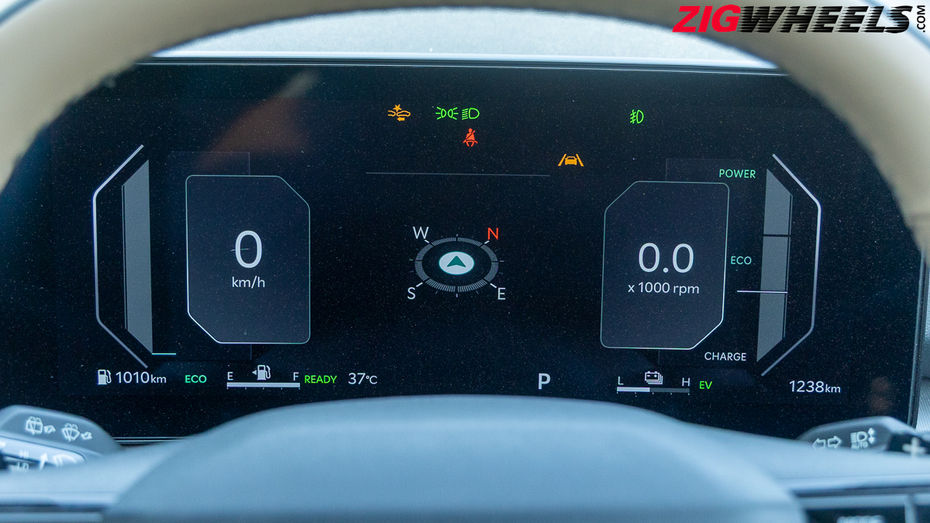
Refinement and vibration control is strong and there’s enough punch to manage stress free commuting and driving with a full-load. While quick, it isn’t as exciting to drive as a Volkswagen Tayron or Skoda Kodiaq.
In fact, the diesel is the one you’d want if you’re looking for the engine that’s more eager. Much like the petrol-hybrid, it too is a function-focused engine making daily use convenient and predictable but has a more exciting surge in performance when you want it. Engine noise and vibrations are more apparent than the petrol-hybrid but it’s still a polished experience. The 8-speed dual-clutch automatic transmission also offers gear changes that are slightly smoother than a traditional automatic’s.
Real-world fuel-efficiency remains a question mark though combined efficiency may not be drastically different between the two. We’d estimate 13-14kmpl in the city with the hybrid vs 11-12kmpl for the diesel while both should manage about 16-18kmpl on the highway.
|
Kia Sorento |
2.2-litre Turbo-Diesel |
1.6-litre Turbo-Petrol Hybrid |
|
Power |
193 PS |
180 PS (Engine) | 65 PS (e-motor) |
|
Torque |
442 Nm |
265 Nm (Engine) | 264 Nm (e-motor) |
|
Combined |
- |
230PS | 380Nm |
|
Transmission |
8-Speed DCT |
6-Speed AT |
|
Drive |
Front-Wheel Drive / AWD |
Front-Wheel Drive / AWD |
DCT - Dual-Clutch Transmission (automatic) / AT - Torque Converter (automatic) / AWD - All-Wheel Drive
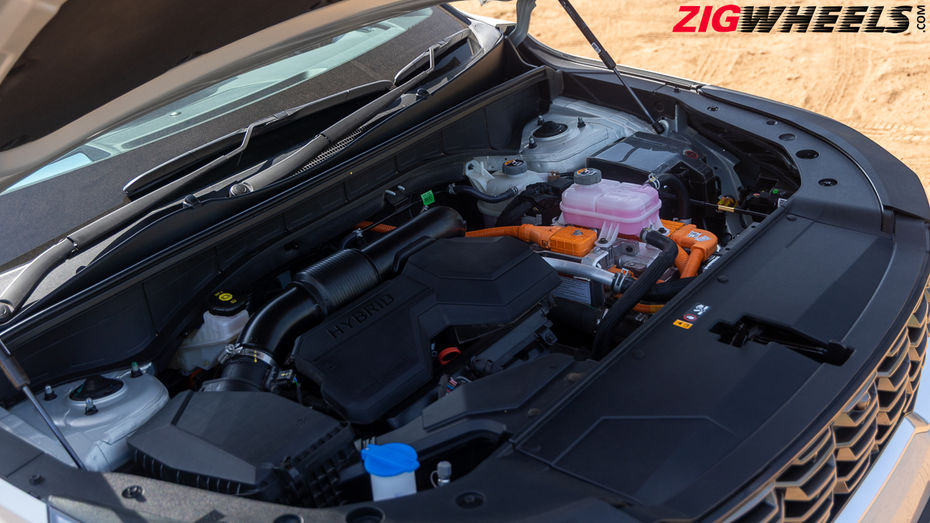
Ride comfort is a strong point in the Sorento as the bump absorption is excellent. The suspension does its work while controlling any shock from the deepest of potholes quietly and not feeling overtly soft or bouncy either. Body roll is kept in check well too but the handling feels flat.
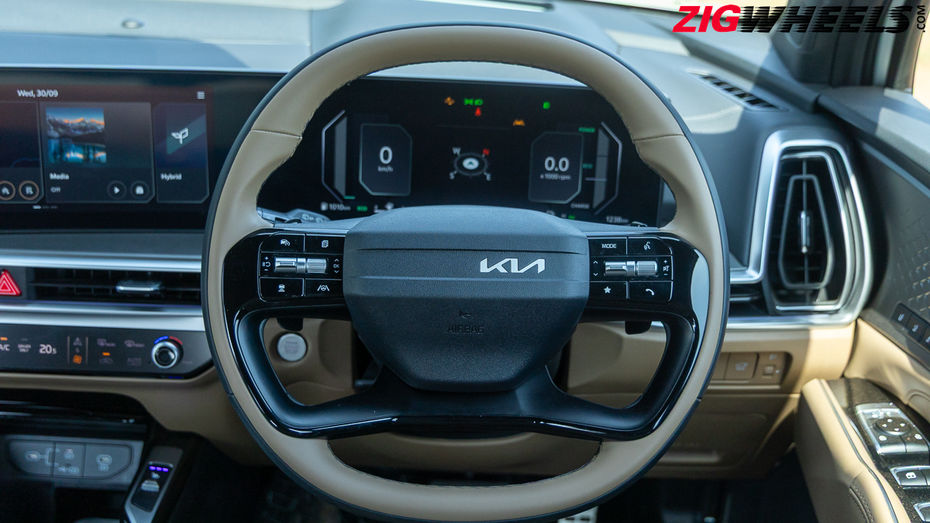
The steering is very light and convenient but slow and bereft of any feel or feedback. You will find the Sorento’s drive experience sorted but not engaging in any way. Especially on the highway, more steering feedback would’ve helped the driver feel more in control and connected while also making the Sorento’s size less apparent while navigating through narrow stretches.
|
Claimed Fuel-Efficiency |
2WD |
AWD |
|
1.6 Turbo-Petrol Hybrid |
19.60kmpl |
17.70kmpl |
|
2.2 Turbo-Diesel |
17.66kmpl |
15.79kmpl |
Kia Sorento Safety
7 airbags, ABS with EBD, ISOFIX in both rear rows, auto headlamps and wipers, highline tyre pressure monitoring, rear parking sensors and a rear camera with dynamic guidelines are part of the 26 standard safety features of the Sorento. Higher variants add front and side parking sensors, a 360-degree camera and indicator-linked blind-view monitors.
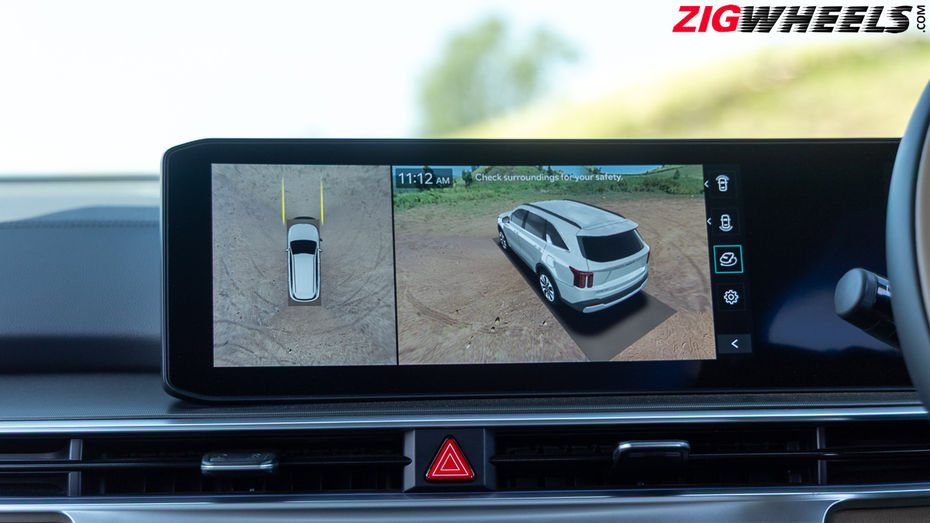
The Sorento also gets an exhaustive list of advanced driver assistance features. The driving in Udaipur is in many ways a thorough India-traffic test, ranging from “me first” bikers to wrong side drivers and thankfully, the car didn’t feel overreactive with any warnings or interventions.
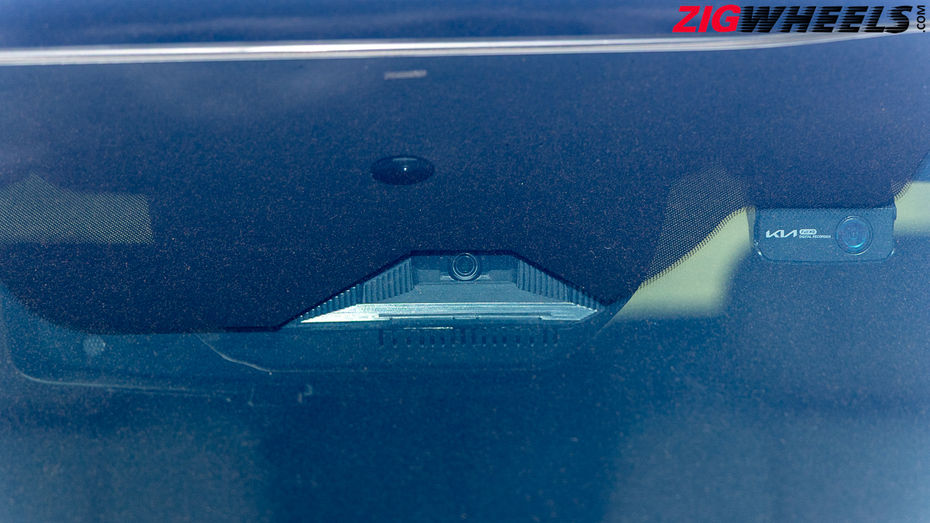
ADAS Highlights
|
Adaptive Cruise Control With Stop-N-Go |
Lane Keep & Follow Assist + Lane Departure Warning |
Blind Spot Warning & Collision Avoidance |
|
Safe Exit Warning |
Rear Collision Warning & Crash Avoidance |
High Beam Assist |
|
Driver Attention Assist |
Lead Vehicle Departure Alert |
Navigation-Based Smart Cruise Control |
To Summarise
The Kia Sorento scores big not just by offering so much but also by offering the essentials and then some right from the base variant. It is still a 5+2 more so than a full-fledged 7-seater and second-row comfort could’ve been more lavish for chauffeur-driven owners. While prices rise sharply in the mid and top-variants, it still delivers a lot of bang for buck.
Its price places it just above more affordable and popular Indian 7-seaters in their top-end variants and around or below European 7-seaters, which only find a handful of takers to begin with. In both cases, the Sorento does plenty to make you right in asking the same question - should I be getting this instead?
Here’s a summary of things to consider in that cross-shopping scenario:
Scenario 1
Advantage Kia Sorento: Better interior quality, far more features and SUV design.
Advantage Toyota Innova Hycross: Better, more comfortable and roomier as a 6/7 seater. Toyota’s brand value.
Scenario 2
Advantage Kia Sorento: Better ride comfort, handling, features, interior, and value for money.
Advantage Toyota Fortuner: More capable off road, better third-row, and has, for better or for worse, the ‘aura points’/street-cred of being a Fortuner.
Scenario 3
Advantage Kia Sorento: More value for money, the option of a diesel as well as a an efficient petrol hybrid.
Advantage VW Tayron/ Skoda Kodiaq: Better interior quality, a little more space in the back, much better/more enjoyable driving dynamics.
Scenario 4
Advantage Kia Sorento: A more proven electronics and infotainment package, a better diesel engine for responsiveness and refinement especially vs the Tata Safari, and a petrol hybrid that gives you a much better balance of performance with efficiency.
Advantage Mahindra XUV7XO/Tata Safari: You can have a well-loaded variant of them at a much lower price or get them fully-loaded at a lower price.

Kia Sorento Alternatives
-
 Toyota Innova Hycross
Rs. 18.70 LakhCompare with Sorento
Toyota Innova Hycross
Rs. 18.70 LakhCompare with Sorento -
MG Hector Tomahawk PHEV
Rs. 25.70 LakhCompare with Sorento
-
Mahindra Scorpio N
Rs. 13.69 LakhCompare with Sorento
-
Toyota Innova Crysta
Rs. 19.72 LakhCompare with Sorento
-
Toyota Fortuner
Rs. 34.76 LakhCompare with Sorento
See what our community has to say! NEW
India's largest automotive community
Explore Now

Kia Cars in India
-
Kia Seltos
Rs. 11.00 Lakh1493 CC | Diesel
-
Kia Sonet
Rs. 7.45 Lakh1493 CC | 19 Kmpl | Diesel
-
Kia Carens
Rs. 11.12 Lakh1497 CC | Petrol
-
Kia Carens Clavis
Rs. 11.39 Lakh1482 CC | 16.66 Kmpl | Petrol
-
Kia Syros
Rs. 8.42 Lakh998 CC | Petrol
Best SUV Cars
-
Mahindra Thar OG
Rs. 10.32 Lakh1497 cc | 116.9 bhp
-
Maruti Suzuki Brezza
Rs. 7.50 Lakh998 cc | 20.5 kmpl | 109 bhp
-
Tata Punch
Rs. 5.75 Lakh1199 cc | 87 bhp
-
Tata Sierra
Rs. 11.49 Lakh1498 cc | 105 bhp
-
Maruti Suzuki FRONX
Rs. 6.90 Lakh1197 cc | 21.8 kmpl | 88.5 bhp
Upcoming Cars in India
-
Mercedes-Benz Maybach S-Class Facelift
Rs. 3.00 Crore
Launch : Oct 5, 2026 -
Skoda Slavia Facelift
Rs. 11.99 Lakh
Launch : Oct 6, 2026 -
Honda Elevate Facelift
Rs. 11.91 Lakh
Launch : Oct 6, 2026 -
Volvo EX90
Rs. 1.20 Crore
Launch : Oct 12, 2026 -
Volvo ES90
Rs. 1.10 Crore
Launch : Oct 12, 2026
Kia Sorento Price in India
- Latest
- Popular
-
Porsche’s Cayenne Electric Is Finally In India! Prices Start At Rs 1.77 Crore
-
 Big, Boxy And A Plug-in Hybrid: Is This JSW Motor’s First SUV? Jetour T2 Spied In India!
-
 Renault Triber Turbo Launched In India, Prices Start From Rs 7.84 Lakh
-
 5 Things We Love About The Mahindra Thar OG
-
2026 Mahindra Thar OG Short Review: What We Liked & What Needs To Improve
Top Car Brands
- Mileage
- Images
- News
- Dealers
- Offers
- Services
- Brochures
×
×