Bajaj Pulsar NS200 vs Yamaha FZ-FI V3
Last Updated: September 23, 2026
Yamaha FZ-FI V3 price starts at Rs. 1.18 Lakh, which is Rs. 20,099 cheaper than the base variant of Bajaj Pulsar NS200, priced at Rs. 1.38 Lakh. In terms of mileage, the Pulsar NS200 offers a claimed 40.36 kmpl, while the FZ-FI Version 3.0 delivers 49.3 kmpl. On the performance front, the Pulsar NS200 uses a 199.5cc engine producing 24.5 PS @ 9750 rpm and the FZ-FI Version 3.0 a 149cc engine producing 12.4 PS @ 7250 rpm. If you're deciding between the Pulsar NS200 and FZ-FI Version 3.0, the FZ-FI Version 3.0 is the better pick for affordability and mileage, while the Pulsar NS200 stands out for performance.
...Read More
Pulsar NS200 vs FZ-FI Version 3.0 Comparison Summary
| Specification | Bajaj Pulsar NS200 | Yamaha FZ-FI V3 |
|---|---|---|
| Ex-showroom price (base) | Rs. 1.38 Lakh | Rs. 1.18 Lakh |
| Mileage | 40.36 kmpl | 49.3 kmpl |
| Engine | 199.5 cc | 149 cc |
| Max power | 24.5 PS @ 9750 rpm | 12.4 PS @ 7250 rpm |
| Kerb weight | 158 Kg | 135 Kg |
-
Bajaj Pulsar NS200
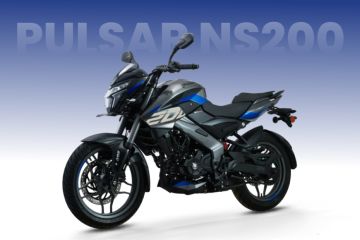 Rs. 1.38 Lakh EMI - Rs. 4,117 View September OffersYamaha FZ-FI Version 3.0
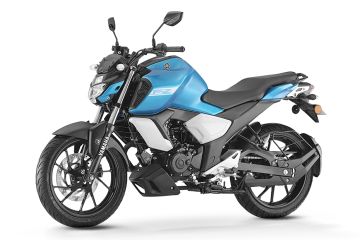 Rs. 1.18 Lakh EMI - Rs. 3,390 View September Offers
Pulsar NS200 vs FZ-FI Version 3.0 Key Highlights
| Basic Info | Bajaj Pulsar NS200 Single Channel | Yamaha FZ-FI Version 3.0 STD |
|---|---|---|
| Rating |
1082 reviews
|
259 reviews
|
| Brand Name | Bajaj | Yamaha |
| Ex-Showroom Price | Rs. 1.38 Lakh Check On Road Price | Rs. 1.18 Lakh Check On Road Price |
| Engine Type | Liquid Cooled, 4-value FI 6-Speed Engine | Air cooled, 4-stroke, SOHC, 2-valve |
| Max Power | 24.5 PS @ 9750 rpm | 12.4 PS @ 7250 rpm |
| Fuel Type | Petrol | Petrol |
| Colors | ||
| Wheel Size | Front :-431.8 mm,Rear :-431.8 mm | Front :-431.8 mm,Rear :-431.8 mm |
| Wheels Type (Pressed Steel/ Alloy) | Alloy | Alloy |
| ABS | Single Channel | Single Channel |
| Starting | Self Start Only | Self Start Only |
| Speedometer | Digital | Digital |
| EMI |
Rs. 4,117
@
11.99% (36 months)
|
Rs. 3,390
@
9.45% (36 months)
|
| Insurance | Rs. 11,007 Pulsar NS200 Insurance | Rs. 6,786 FZ-FI Version 3.0 Insurance |
| Brochure |
Download
Brochure
|
Download
Brochure
|
Engine |
|
|||||||||||||||||||||||||||||||||||||||||||||||||||||||||||||||||||||||||||||||||||||||||||||||||||||||||||||||||||||||||||||||||
|---|---|---|---|---|---|---|---|---|---|---|---|---|---|---|---|---|---|---|---|---|---|---|---|---|---|---|---|---|---|---|---|---|---|---|---|---|---|---|---|---|---|---|---|---|---|---|---|---|---|---|---|---|---|---|---|---|---|---|---|---|---|---|---|---|---|---|---|---|---|---|---|---|---|---|---|---|---|---|---|---|---|---|---|---|---|---|---|---|---|---|---|---|---|---|---|---|---|---|---|---|---|---|---|---|---|---|---|---|---|---|---|---|---|---|---|---|---|---|---|---|---|---|---|---|---|---|---|---|---|---|
Brakes |
|
|||||||||||||||||||||||||||||||||||||||||||||||||||||||||||||||||||||||||||||||||||||||||||||||||||||||||||||||||||||||||||||||||
Performance |
|
|||||||||||||||||||||||||||||||||||||||||||||||||||||||||||||||||||||||||||||||||||||||||||||||||||||||||||||||||||||||||||||||||
Suspension |
|
|||||||||||||||||||||||||||||||||||||||||||||||||||||||||||||||||||||||||||||||||||||||||||||||||||||||||||||||||||||||||||||||||
Tyres |
|
|||||||||||||||||||||||||||||||||||||||||||||||||||||||||||||||||||||||||||||||||||||||||||||||||||||||||||||||||||||||||||||||||
Dimensions |
|
|||||||||||||||||||||||||||||||||||||||||||||||||||||||||||||||||||||||||||||||||||||||||||||||||||||||||||||||||||||||||||||||||
Electricals |
|
|||||||||||||||||||||||||||||||||||||||||||||||||||||||||||||||||||||||||||||||||||||||||||||||||||||||||||||||||||||||||||||||||
Features |
|
|||||||||||||||||||||||||||||||||||||||||||||||||||||||||||||||||||||||||||||||||||||||||||||||||||||||||||||||||||||||||||||||||
Service Cost |
|
|||||||||||||||||||||||||||||||||||||||||||||||||||||||||||||||||||||||||||||||||||||||||||||||||||||||||||||||||||||||||||||||||
Warranty |
|
Pros and Cons
- Positives
- Negatives
- Sporty handling characteristics
- The 6-speed gearbox proves advantageous on the highway
- Commendable performance considering the price point
- Frugal motor, Comfortable riding stance, Muscular design
- Design looks dated now
- Lacks adequate features and the absence of dual-channel ABS is a miss
- Not so peppy engine, Fit and finish isn’t as good
Is Yamaha FZ-FI Version 3.0 Better Than Bajaj Pulsar NS200?
54% users have chosen Yamaha FZ-FI Version 3.0 over Bajaj Pulsar NS200 in a survey being conducted on zigwheels.com.
Apart from this survey a total of 5172 users have also rated Yamaha FZ-FI Version 3.0 and Bajaj Pulsar NS200 on some really important factors like Mileage , performance, comfort, safety etc. and have given their personal opinions about these bikes.
As per the users experiences Yamaha FZ-FI Version 3.0 is a winner for you if you are seriously looking for mileage and comfort in your bike. But Bajaj Pulsar NS200 is better on the grounds of performance, maintenance and features.
Before making your decision you should also consider the unbiased and thorough analysis of these bikes on every aspect by our auto experts who have summarised the analysis in pros, cons and final conclusion..
| Ratings Factor | FZ-FI Version 3.0 | Pulsar NS200 |
|---|---|---|
| Mileage | 4.2 | 3.9 |
| Performance | 4.3 | 4.6 |
| Comfort | 4.4 | 4.3 |
| Maintenance | 3.8 | 4.0 |
| Features | 4.3 | 4.5 |

- Interact with community
- Become a Top Contributor
Videos of Bajaj Pulsar NS200 and Yamaha FZ-FI Version 3.0
- 2023 Bajaj Pulsar NS160 & Pulsar NS200 Walkaround | Revised hardware, new features and…? | Zigwheels 14 Mar, 2023 10395 views 2:35
- 2023 Bajaj Pulsar NS200 And Pulsar NS160 First Ride Review - Road + Track | USD Fork Added 25 Mar, 2023 22420 views 5:06
- Bajaj Pulsar NS200: Top 5 Questions Answered | Performance Comparison | Possible Tech Updates 17 May, 2021 32369 views 4:39
- Bajaj Pulsar NS200 BS6: Road Test Review | Still A Likeable Streetfighter? 18 Feb, 2021 23502 views 6:29
-
-

Bajaj Pulsar NS200 Comparison with Similar Bikes
-
 BajajPulsar NS200Rs. 1.38 LakhvsPulsar NS200 vs Apache RTR 200 4V
 TVSApache RTR 200 4VRs. 1.42 Lakh
 -
BajajPulsar NS200Rs. 1.38 LakhvsPulsar NS200 vs MT 15 Version 2.0
 YamahaMT 15 Version 2.0Rs. 1.66 Lakh




Latest News on Bajaj Pulsar NS200 and Yamaha FZ-FI Version 3.0
-
 2025 TVS Apache RTR 200 4V: Alternatives For A Similar Price13 Jun, 2025 | By Team ZigWheels
 -
Here’re The Best Selling Yamaha Two-Wheelers In June 202321 Jul, 2023 | By Team ZigWheels
-
Bajaj Pulsar NS Family Explained: Pulsar NS125, Pulsar NS160 and Pulsar NS20017 Mar, 2024 | By Team ZigWheels
-
Yamaha Updates Fazer FZ-15 In Brazil29 Aug, 2022 | By Team ZigWheels
-
2024 Bajaj Pulsar NS200 vs KTM Duke 200: Image Comparison10 Mar, 2024 | By Team ZigWheels
-
Here Are Some New Details On The Upcoming Yamaha FZ-X16 Apr, 2021 | By Team ZigWheels
-
2024 Bajaj Pulsar NS200 and NS160 Reaches Dealerships Ahead Of Launch26 Feb, 2024 | By Team ZigWheels
-
The Yamaha FZ Sheds Weight And Packs New Features9 Feb, 2021 | By Team ZigWheels
-
Weekly Bike News Wrapup: 2024 Bajaj Pulsar NS200 and NS160 Unveiled, Kawasaki Ninja 500 Launched, And More!24 Feb, 2024 | By Team ZigWheels
-
Yamaha’s FZ Fi Bikes Now Come At A Slight Premium9 Nov, 2020 | By Team ZigWheels
Recently Asked User Questions
- Fz fi v3
- Go for pulsar ns 200 if you want power and torqueFor daily ride and comfort and enough torque for traffic go for Fz Fi V3
- Mileage
- If your priority is more on the power end then, no doubt Pulsar NS 200 as the power is 23.5 PS @ 9500 rpm when compared to Yamaha FZ v3 which has 13.2 PS @ 8000 rpm because of the CC. But if you are looking more on the mileage, comfort riding, engine performance and powerful braking then hands down you can just go for Yamaha FZ V3. Just ensure to test ride before buying. Happy Riding !!!
- FZ-S V3
- The Bajaj Pulsar NS200 was always seen as an affordable alternative if you were in the market for a sporty streetfighter. As for the comfort, right from the moment you sit on it and reach for the bars, you get a lovely sense of command over the motorcycle. The seat cushioning is firm but absorbent, the texture is grippy and the slim tank allows you to straddle the bike more efficiently. Even the taut suspension isn’t that much of a bother. On the other hand, the Bajaj NS250 has not launched yet and it would be unfair to give a verdict. Moreover, we would suggest you to take a test ride before making the final decision. Follow the link and select your city accordingly for dealership details.
Bajaj Pulsar NS200 Vs Yamaha FZ-FI Version 3.0 FAQs
Images of Bajaj Pulsar NS200 and Yamaha FZ-FI V3

- Home ›
- New Bikes ›
- Compare Bikes ›
- Bajaj Pulsar NS200 vs Yamaha FZ-FI V3