Bajaj Pulsar 125 vs Yamaha FZS-FI V3
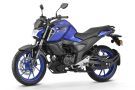
Yamaha FZS-FI V3 Price starts at Rs. 1.13 Lakh which is Rs. 22,723 costlier than base model of Bajaj Pulsar 125 priced at Rs. 90,648. The claimed mileage of Bajaj Pulsar 125 is 51.46 kmpl whereas the mileage of Yamaha FZS-FI V3 is 49.31 kmpl. In technical specifications, Bajaj Pulsar 125 is powered by 124.4 cc engine , while Yamaha FZS-FI V3 is powered by 149 cc engine. Bajaj Pulsar 125 is available in 5 different colours while Yamaha FZS-FI V3 comes with 3 colours. The Comparison Bajaj Pulsar 125 vs Yamaha FZS-FI V3 can be described on the basis of price and specifications.
Pulsar 125 vs FZS-FI V3
| Key Highlights | Pulsar 125 Neon Single Seat | FZS-FI V3 Matte Red And Matte Grey |
|---|---|---|
| Engine Type | 4-Stroke, 2-Valve, Twin Spark BSVI Compliant Engine | Air cooled, 4-stroke, SOHC, 2-valve |
| Max Power | 11.8 PS @ 8500 rpm | 12.4 PS @ 7250 rpm |
-
Bajaj Pulsar 125
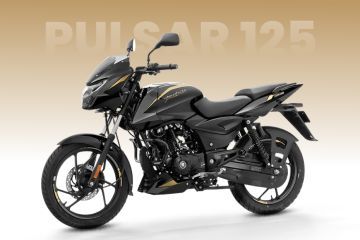 Rs. 91,503 EMI - Rs. 2,735 View July OffersYamaha FZS-FI V3
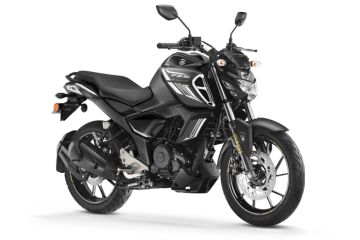 Rs. 1.13 Lakh EMI - Rs. 3,266 View July Offers
Pulsar 125 vs FZS-FI V3 Key Highlights
| Basic Info | Bajaj Pulsar 125 Neon Single Seat | Yamaha FZS-FI V3 Matte Red And Matte Grey |
|---|---|---|
| Rating |
710 reviews
|
557 reviews
|
| Brand Name | Bajaj | Yamaha |
| Ex-Showroom Price | Rs. 91,503 Check On Road Price | Rs. 1.13 Lakh Check On Road Price |
| Engine Type | 4-Stroke, 2-Valve, Twin Spark BSVI Compliant Engine | Air cooled, 4-stroke, SOHC, 2-valve |
| Max Power | 11.8 PS @ 8500 rpm | 12.4 PS @ 7250 rpm |
| Fuel Type | Petrol | Petrol |
| Colors | ||
| Braking Type | Combi Brake System | ... |
| Wheel Size | Front :-431.8 mm,Rear :-431.8 mm | Front :-431.8 mm,Rear :-431.8 mm |
| Wheels Type (Pressed Steel/ Alloy) | Alloy | Alloy |
| ABS | ... | Single Channel |
| Starting | Kick and Self Start | Self Start Only |
| Speedometer | Digital | Digital |
| EMI |
Rs. 2,735
@
11.99% (36 months)
|
Rs. 3,266
@
9.45% (36 months)
|
| Insurance | Rs. 6,287 Pulsar 125 Insurance | Rs. 6,704 FZS-FI V3 Insurance |
| Brochure |
Download
Brochure
|
Download
Brochure
|
Engine |
|
|||||||||||||||||||||||||||||||||||||||||||||||||||||||||||||||||||||||||||||||||||||||||||||||||||||||||||||||
|---|---|---|---|---|---|---|---|---|---|---|---|---|---|---|---|---|---|---|---|---|---|---|---|---|---|---|---|---|---|---|---|---|---|---|---|---|---|---|---|---|---|---|---|---|---|---|---|---|---|---|---|---|---|---|---|---|---|---|---|---|---|---|---|---|---|---|---|---|---|---|---|---|---|---|---|---|---|---|---|---|---|---|---|---|---|---|---|---|---|---|---|---|---|---|---|---|---|---|---|---|---|---|---|---|---|---|---|---|---|---|---|---|
Brakes |
|
|||||||||||||||||||||||||||||||||||||||||||||||||||||||||||||||||||||||||||||||||||||||||||||||||||||||||||||||
Performance |
|
|||||||||||||||||||||||||||||||||||||||||||||||||||||||||||||||||||||||||||||||||||||||||||||||||||||||||||||||
Suspension |
|
|||||||||||||||||||||||||||||||||||||||||||||||||||||||||||||||||||||||||||||||||||||||||||||||||||||||||||||||
Tyres |
|
|||||||||||||||||||||||||||||||||||||||||||||||||||||||||||||||||||||||||||||||||||||||||||||||||||||||||||||||
Dimensions |
|
|||||||||||||||||||||||||||||||||||||||||||||||||||||||||||||||||||||||||||||||||||||||||||||||||||||||||||||||
Electricals |
|
|||||||||||||||||||||||||||||||||||||||||||||||||||||||||||||||||||||||||||||||||||||||||||||||||||||||||||||||
Features |
|
|||||||||||||||||||||||||||||||||||||||||||||||||||||||||||||||||||||||||||||||||||||||||||||||||||||||||||||||
Warranty |
|
Pros and Cons
- Positives
- Negatives
Bajaj Pulsar 125
- Colours and graphics are sporty
- Segment-first clip-on handlebars
- Fit & finish levels are top-notch
Yamaha FZS-FI V3
- Big bike styling and features
- Smooth engine
Bajaj Pulsar 125
- Seat cushioning is on the firmer side
- Engine feels a stressed at higher speeds
- A bit pricey
Yamaha FZS-FI V3
- Performance isn’t up to the mark
- The quality of plastics feels sub-par
Is Bajaj Pulsar 125 Better Than Yamaha FZS-FI V3?
55% users have chosen Bajaj Pulsar 125 over Yamaha FZS-FI V3 in a survey being conducted on zigwheels.com.
Apart from this survey a total of 3564 users have also rated Bajaj Pulsar 125 and Yamaha FZS-FI V3 on some really important factors like Mileage , performance, comfort, safety etc. and have given their personal opinions about these bikes.
Yamaha FZS-FI V3 is better on the grounds of mileage, performance, comfort and features. On the basis of maintenance user have rated both the bikes equally.
Before making your decision you should also consider the unbiased and thorough analysis of these bikes on every aspect by our auto experts who have summarised the analysis in pros, cons and final conclusion..
| Ratings Factor | FZS-FI V3 | Pulsar 125 |
|---|---|---|
| Mileage | 3.8 | 4.3 |
| Performance | 4.0 | 4.2 |
| Comfort | 4.0 | 4.4 |
| Maintenance | 3.8 | 3.8 |
| Features | 4.0 | 4.3 |

Do you own a Car or Bike?
- Interact with community
- Become a Top Contributor
Add Car
Add Bike
Videos of Bajaj Pulsar 125 and Yamaha FZS-FI V3
- Traction Control For Yamaha FZ-S Fi Version 4.0, FZ-X, R15 M, MT-15 V2 | Price & Features | Zigwheels 14 Feb, 2023 11476 views 3:44

Bajaj Pulsar 125 Comparison with Similar Bikes
-
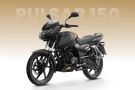
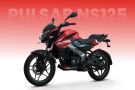
 BajajPulsar 125Rs. 87,255vsPulsar 125 vs Super Splendor XTEC
 HeroSuper Splendor XTECRs. 84,448




Yamaha FZS-FI V3 Comparison with Similar Bikes
-
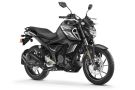 YamahaFZS-FI V3Rs. 1.13 LakhvsFZS-FI V3 vs MT 15 Version 2.0
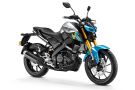 YamahaMT 15 Version 2.0Rs. 1.64 Lakh
Latest News on Bajaj Pulsar 125 and Yamaha FZS-FI V3
-
 Bajaj Claims All Motorcycles Built in Last 10 Years Are E20-Ready13 Jul, 2026 | By Team ZigWheels
 -
How It Started vs How It’s Going: Yamaha FZ27 Jul, 2025 | By Team ZigWheels
-
BREAKING: 2026 Bajaj Pulsar 125 Launched - New Year, New Face20 Jan, 2026 | By Team ZigWheels
-
EXCLUSIVE: Updated Yamaha FZS V4, FZ Launch Soon7 Mar, 2025 | By Team ZigWheels
-
Upcoming Launches From Top 5 Best-selling Brands2 Jan, 2026 | By Team ZigWheels
-
Yamaha Announces Festive Offers For FZ-Fi, FZ-S Fi V3 and V4, Fascino And RayZR 125 Fi Hybrid26 Sep, 2024 | By Team ZigWheels
-
Bajaj Pulsar 125 Family Explained26 Oct, 2024 | By Team ZigWheels
-
Yamaha FZ-S FI V4 vs TVS Apache RTR 160: Features Compared20 Feb, 2023 | By Team ZigWheels
-
EXCLUSIVE: 2024 Bajaj Pulsar 125 Launched, Know Price, New Features And More2 May, 2024 | By Team ZigWheels
-
Yamaha FZ-S V4 Vs FZ-S V3: New Vs Old In 5 Pics13 Feb, 2023 | By Team ZigWheels
Recently Asked User Questions
Q. 2025 model is best or 2024 is best which is the best?
- The 2024 Bajaj Pulsar NS400Z has been discontinued, with its last recorded price at approximately ₹1.86 lakh (ex-showroom, India). The 2025 model is powered by a 373 cc engine, delivering around 40 PS of power and a top speed of 157 km/h, along with a claimed mileage of 34 km/l. It is equipped with advanced features such as dual-channel ABS, Bluetooth connectivity, and a fully digital instrument console. However, the choice between versions depends entirely on personal preferences and riding needs. To know more, we recommend contacting your nearest authorised dealer. Click on the following link to view the details of the nearest authorised dealership by selecting your city: https://www.zigwheels.com/bikes/dealers/bajaj/Delhi
Q. Confused between, FS-Z Fi V3 and MT-15?
- Both the bikes are good in their forte. In nearly every aspect, except maybe ergonomics and braking, the Yamaha FZS-FI v3.0 fails to impress. While its motor offers better fuel efficiency compared to the previous-gen model, it lacks grunt. If you have around Rs 1 lakh to invest, you're better off with say a TVS Apache RTR 160 4V, Bajaj Pulsar NS 160 or the Suzuki Gixxer. Whereas, the Yamaha MT 15 BS6 is more than just the R15 v3 sans fairing. The naked looks sharp is light and can be a hoot to commute. However, the compact riding posture might be a bit too tight for large riders. What is also disheartening is the poor switchgear and build quality as well as the lack of dual-channel ABS. Moreover, we would suggest you to take a test ride for a better understanding of performance and comfort. Click on the link and select your desired city for dealership details.
Q. Which is better Bajaj Pulsar 125 Neon or TVS Raider?
- Bajaj pulsar
- Pulsar ❤️
- Tvs raider
Bajaj Pulsar 125 Vs Yamaha FZS-FI V3 FAQs
Which bike is best between Bajaj Pulsar 125 vs Yamaha FZS-FI V3?
Yamaha FZS-FI V3 is better on the grounds of mileage, performance, comfort and features. On the basis of maintenance user have rated both the bikes equally.
Which bike is cheaper Bajaj Pulsar 125 vs Yamaha FZS-FI V3?
The Bajaj Pulsar 125 is cheaper than Yamaha FZS-FI V3 by ₹21,868.
Which bike offers better performance Bajaj Pulsar 125 vs Yamaha FZS-FI V3?
For the Neon Single Seat version, 124.38 cc Petrol engine of Pulsar 125 produces 11.8 PS @ 8500 rpm of power and 10.8 Nm @ 6500 rpm of torque. Whereas for the Matte Red And Matte Grey version, 149 cc Petrol engine of FZS-FI V3 produces 12.4 PS @ 7250 rpm of power and 13.3 Nm @ 5500 rpm of torqueAs per the users experiences the Bajaj Pulsar 125 has better performance.
Images of Bajaj Pulsar 125 and Yamaha FZS-FI V3
Which one do you like more?
FZS-FI V3
Pulsar 125

- Home ›
- New Bikes ›
- Compare Bikes ›
- Bajaj Pulsar 125 vs Yamaha FZS-FI V3
×