Delhi Diesel Ban: The After Effects On Automakers
- Jun 23, 2016
- Views : 3395



 Follow us

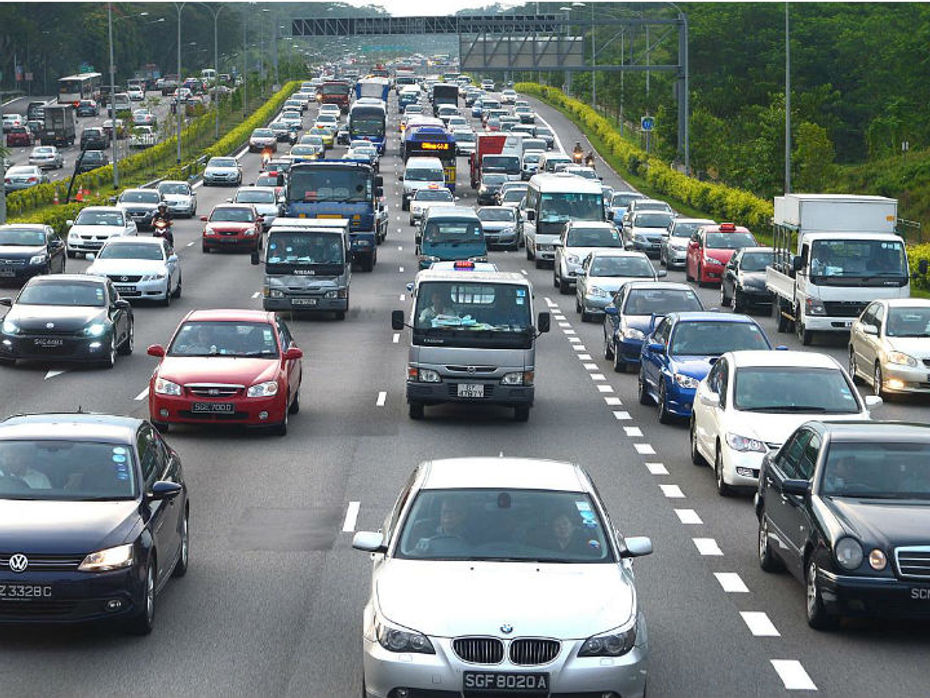
The country smaller than the Pune metropolis is taking aggressive steps to curb pollution and congestion. To keep the situation from getting worse, the Singapore government has decided to limit the number of cars on its roads. Starting February 2018, the country won't let its residents buy new cars but allow existing car owners to buy a new one if they're willing to dispose of their old ride. This will bring down the yearly growth of the auto industry from the capped 0.25 per cent down to zero. Buses and goods carriers will continue to sell as usual and will be allowed to grow at 0.25 per cent until the first quarter of 2021. The new rule will stay in place until it's reviewed again in 2020.
Besides the capped growth rate of 0.25 per cent, the government also discourages residents from purchasing a car by imposing heavy taxes that more than double and even triple the car's cost. If you think the Toyota Prius is expensive here, think again. The world's most successful hybrid is priced at about Rs 1 crore in Singapore.
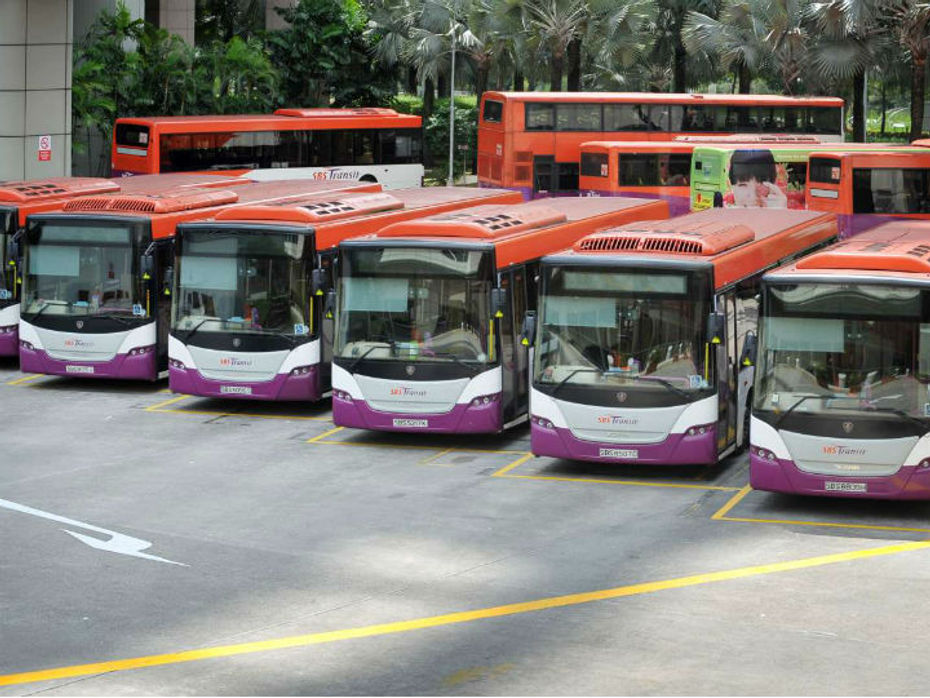
As of 2016, the island nation had six lakh cars plying on 86 sq km of roads. The government of Singapore has invested billions of dollars in improving its public transport to help limit the need for a personal vehicle. It's slated to be ready by 2030 and will be able to ferry six lakh passengers every day. There's also US $ 14.7 billion (~Rs 95.43 lakh crore) set aside for a new railway project while another $ 4.3 billion (~Rs 27.92 lakh crore) will be spent improving the existing railway and bus network.
A move like this should encourage people to either opt for public transport or choose to share a car and fill up those empty seats. Companies offering car-sharing services in the country are also likely to see their revenues jump in the coming years. While Singapore has the public transit infrastructure to support its 56 lakh residents, India still has a long way to go before we can keep our auto industry from growing. Limiting sales of cars in India could also cause foreign automakers to lose interest in investing towards setting up local production. A smart solution could be to ditch the car and switch to a two-wheeler for short trips, which will not only cut down the travel time but also curb pollution and congestion.
Image credit: www.straitstimes.com

Delhi Diesel Ban: The After Effects On Automakers
You can now drive your vehicle only on alternate days in Delhi
GST Cess Hike On Automobiles Effective From Today
Big, Boxy And A Plug-in Hybrid: Is This JSW Motor’s First SUV?...
EXCLUSIVE: Tata Tigor To Be Replaced By Tata Aeris
2026 Tata Aeris Launched At Rs 5.29 Lakh: Fresh Looks, More Features...
2026 Mahindra Thar OG Launched At Rs 10.32 Lakh: Here's...
2026 Honda Elevate Facelift Launched At Rs 11.80 Lakh! Honda Finally...
India’s List Of Luxury Carmakers To Expand Soon And It’s...
5 Things We Love About The MG Hector Tomahawk EV
India's largest automotive community
Skoda Slavia
₹ 10.00 Lakh
Honda Elevate
₹ 11.80 Lakh
Mercedes-Benz Maybach S-Class
₹ 3.35 Crore
Tata Aeris
₹ 5.30 Lakh
Mahindra Thar OG
₹ 10.32 Lakh
 2026 Renault Duster Hybrid Bookings Open: Fuel Efficiency Figures Revealed
 Tata Aeris Petrol And CNG Review: Successful Reinvention
 Top 5 Things We Love About The Skoda Slavia Facelift
 2026 Skoda Slavia Facelift Launched At Rs 9.99 Lakh! Gets Massaging Seats And Better Fuel Economy!
2026 Mercedes-Maybach S-Class Facelift Launched. New Statement In Luxury And Sure To Make You Noticed!
2026 Skoda Slavia Facelift Launched At Rs 9.99 Lakh! Gets Massaging Seats And Better Fuel Economy!
2026 Mercedes-Maybach S-Class Facelift Launched. New Statement In Luxury And Sure To Make You Noticed!