Mahindra Thar Roxx vs Scorpio N: Why Character Still Wins
- Aug 10, 2026
- Views : 11885



 Follow us

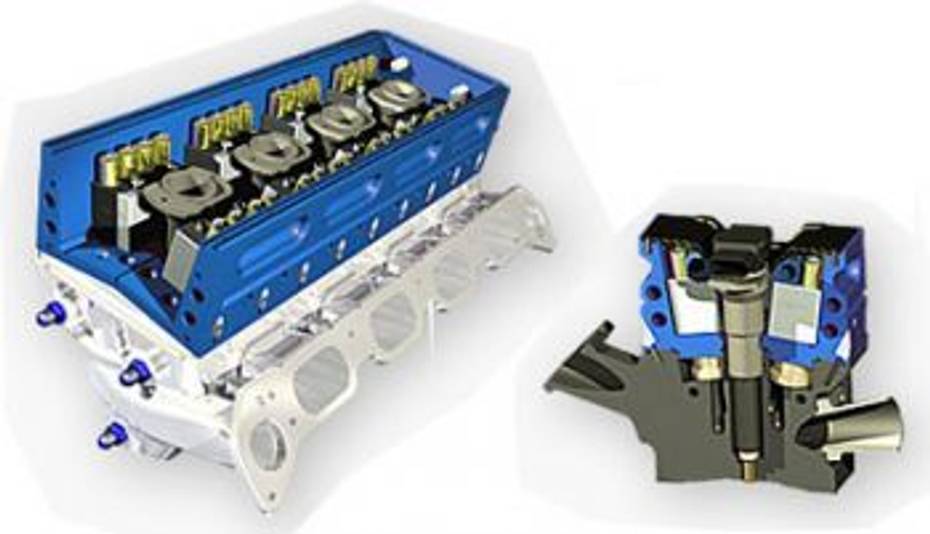
The Internal Combustion Engine (ICE), the very heart of all our automobiles, has been around for donkeys year's now. It's not the most efficient way of powering a vehicle in the world and is a rather large burden on the Earth's limited resources of fossil fuels. Even though companies around the world are trying to develop power sources for our vehicles that are kinder to the environment and do not rely on conventional fossil fuels, a suitable, viable replacement hasn't really been invented yet. So apart from trying to develop a replacement technology, there are a few people who are aiming to make existing internal combustion technology more efficient.
Enter Cargine Engineering, a Swedish firm that is working on a camless engine design that aims to eliminate the parasitic losses of the camshaft and which may help improve energy efficiency. The camshaft, along with other areas of an ICE, such as the flywheel, is notorious for energy losses. In fact, the efficiency of the standard ICE is so low that research suggests only 15-percent of combustion energy actually makes it to the wheel. So Cargine's design uses pneumatically driven actuators that shoot the valves open, essentially eliminate any energy loss caused by camshafts. The idea of using pneumatics in the valvetrain is nothing new. Top MotoGP bikes use a pneumatic mechanism to replace metal valve springs in their race engines, but they still use standard camshafts for valve actuation. The beauty of Cargine's design is that because the entire valve train is controlled by air, it can also provide fully variable valve lift and fully variable valve timing by just manipulating air pressure within the system, without resorting to the need for multiple cams profiles.
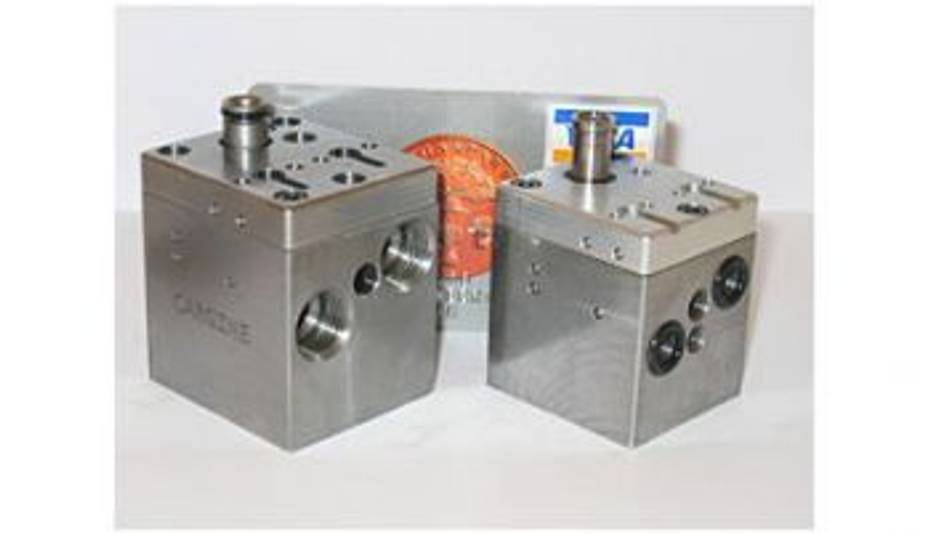
The pneumatic valve system developed by Cargine runs on air pressure of 3-16 bar (44-232 psi) and can provide 8mm lift for 5 milliseconds of duration, with a maximum lift of 14mm, and can operate at engine speeds of up to 8000 rpm. The head of this new camless engine is approximately 50 percent smaller than a conventional DOHC (Double Overhead Camshaft) 4-valve layout and even weighs about 30 percent less. The net power consumed by the air compressor needed to run the system consumes less power at low rpm but averages out to about the same as a camshaft over the entire driving range, as it consumes more power at high rpm (less than 4kW at 6000 rpm for a 2.0-liter 16-valve four). So while property might inhibit camless design from making its way to race engines anytime soon, it will definitely consume less power than a standard camshaft driven system on a regular, everyday drive cycle, making it ideal for road cars.
This is one new technology we'd like to see coming to our cars in the near future and many other companies around the world have also expressed interest in the same. Several development partners have signed on as well, including Swedish supercar-maker Koenigsegg and the Scuderi Group.

Mahindra Thar Roxx vs Scorpio N: Why Character Still Wins
Mahindra Scorpio Lifestyler Unveiled: Mahindra Returns to Lifestyle...
2026 Skoda Slavia Facelift Unveiled, Now Comes With Rear Massage...
2026 Mahindra Scorpio N Facelift Launched With Minor Styling Upgrades...
2026 Tata Nexon Camo Edition Launched: Does It Get Sweeter For The...
5 Things We Love About The Kia Syros EV
2026 Maruti Baleno Facelift Launch Confirmed! Check Out The Expected...
Volkswagen To Bring A Sportier Kylaq With Sporty Sub-4-Metre SUV
2026 Nissan Tekton Short Review: What We Liked & What Needs To Improve
India's largest automotive community
MG Hector Tomahawk PHEV
₹ 25.69 Lakh
MG Hector Tomahawk EV
₹ 19.49 Lakh
BMW X1 LWB
₹ 49.90 Lakh
Mahindra Scorpio N
₹ 13.69 Lakh
Toyota Hilux
₹ 31.99 Lakh
 Tata Motors Passenger Vehicles Rebrands as TATA.CARS: Carries 'Nothing's Too Far' As Brand Promise
 MG Hector Tomahawk PHEV With 1100 Km Range LAUNCHED At Rs 25.69 Lakh
 MG Hector Tomahawk EV Launched At Rs 19.49 Lakh! With Claimed Range of 517 Kms
 2026 Audi Q3 Unveiled In India Finally! Looks Truly A Generation Ahead!
BMW Unveils The i5 LWB For The First Time In India
2026 Audi Q3 Unveiled In India Finally! Looks Truly A Generation Ahead!
BMW Unveils The i5 LWB For The First Time In India