 TVS Apache RTR 310 Variants Updated For 2026
Motorcycle brakes care tips
- Published November 6, 2012
- Views : 54190
- 3 min read
-

-

-
 Follow us
For things that go fast, they must also come to a stop with equal urgency and for that the sole component responsible is the brake. Motorcycles feature a dedicated braking unit for each of the two wheels and it is highly critical that the health and well being of the braking components is regularly checked and maintained to ensure rider's safety.
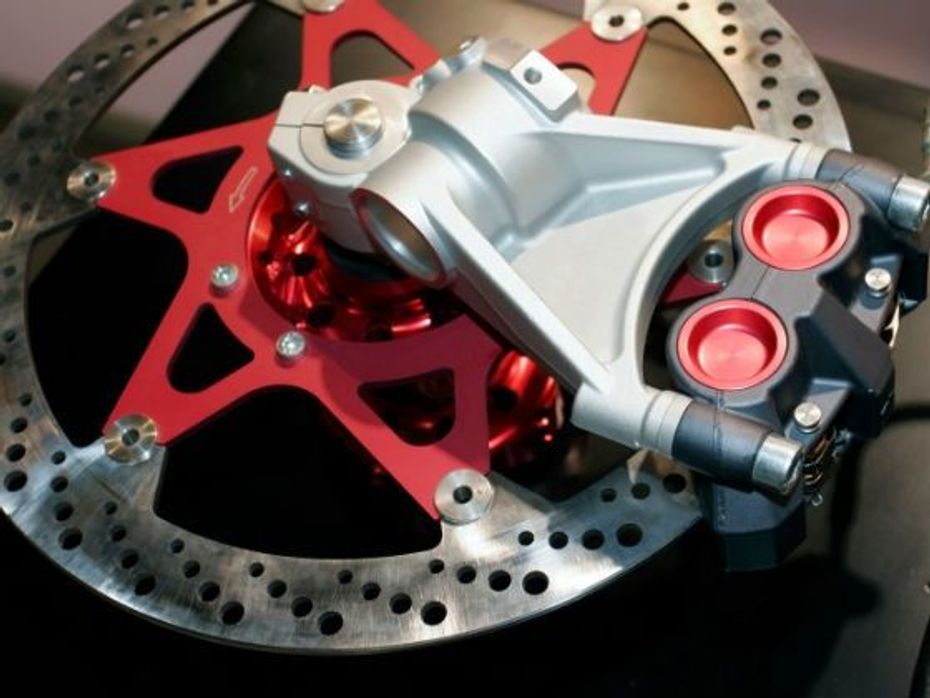
Disc Brakes:
Nowadays most motorcycles feature disc brakes upfront while quite a few also boast of disc brakes for the rear wheel. There are two important checks that need to be undone when taking care of the disc brakes. Firstly, always keep checks on the level of braking fluid remaining in the brake-fluid reservoir. Reservoir for the front disc brake will usually be located on the handlebar while for the rear disc brake it will be tucked behind the right or left hand side heel plate attached to the rider footpeg.
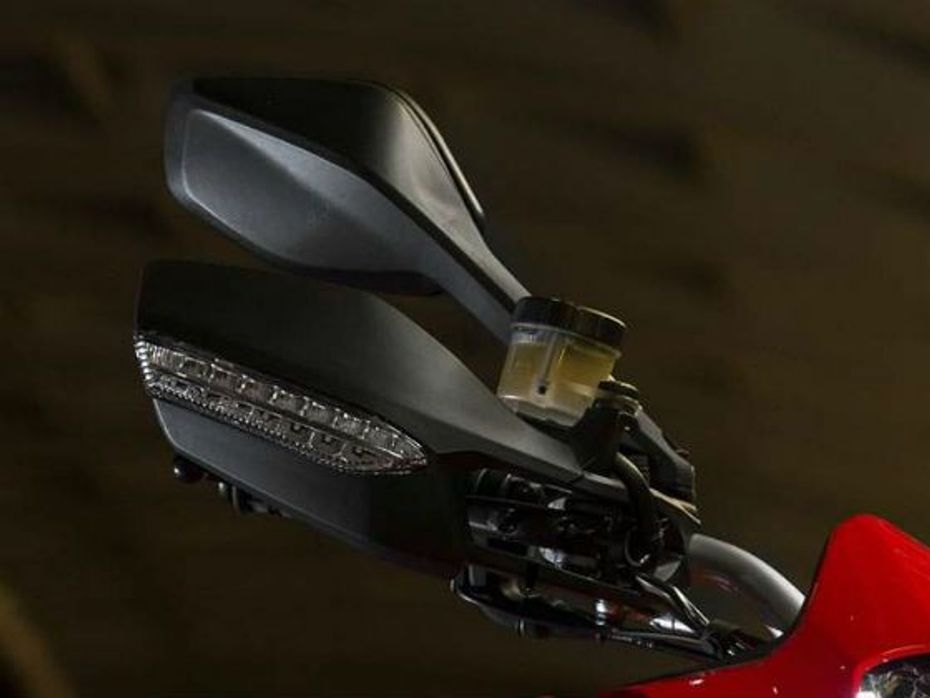
Tips:
1. Make sure the brake fluid is always topped up to the correct level.
2. If not, carefully open the reservoir lid and top up the container with brake fluid. For topping up, open a brand new container of brake fluid as it has a tendency to accumulate moisture over a period of time.
3. Do not let brake fluid drop on the paint or body panels of the motorcycle as it can severely damage these components.
Next check is to make sure the health and wear on brake pads. Brake pads endure a lot of stress and abuse and should be regularly checked from time to time. If you allow the brake pads to be used till the very edge of the material, it will severely damage the disc brake rotor requiring a change of the entire brake assembly, which can turn out to be quite expensive.
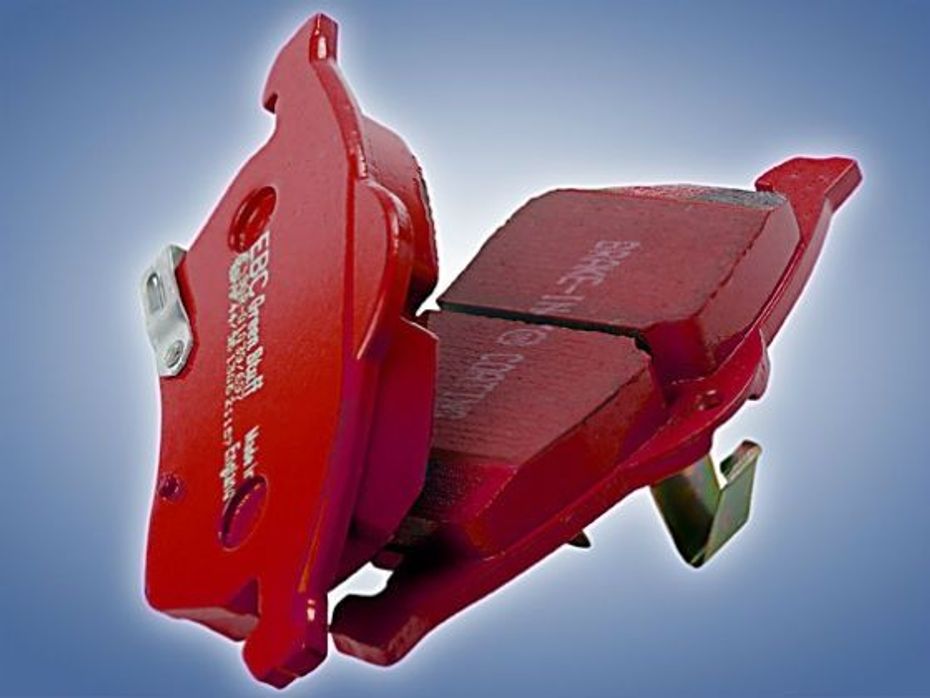
Tips:
1. Regularly check for the brake pad condition and the wear on them.
2. Anything thinner than 3mm means the brake pads require immediate replacement.
3. Do not buy sub-standard brake components as it can prove to be fatal.
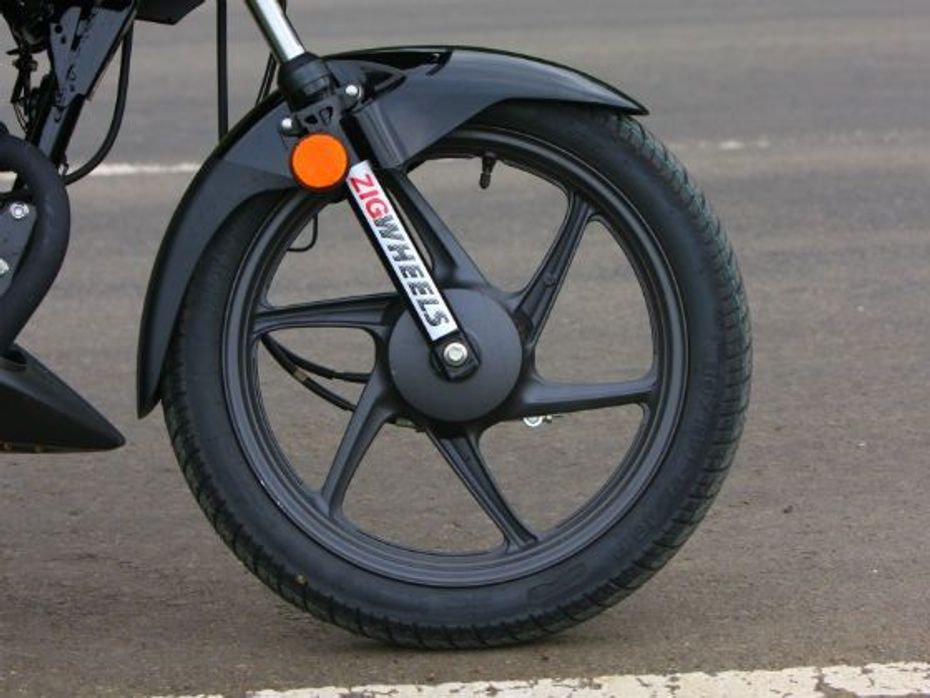
Drum Brakes:
Rather an archaic system, drum brakes are still in use on a lot of motorcycles sold in the country. Drum brakes require frequent attention and are a bit cumbersome to work with. Most drum brakes constitute of a twin leading shoe setup wherein there are two cams on each end of the brake shoe that push both ends onto the brake drum in order to create friction and bring the spinning wheel to a halt.
Usually you will require regularly changing of the brake liners on the brake shoe to ensure you have proper braking power from the drum brakes at all times.
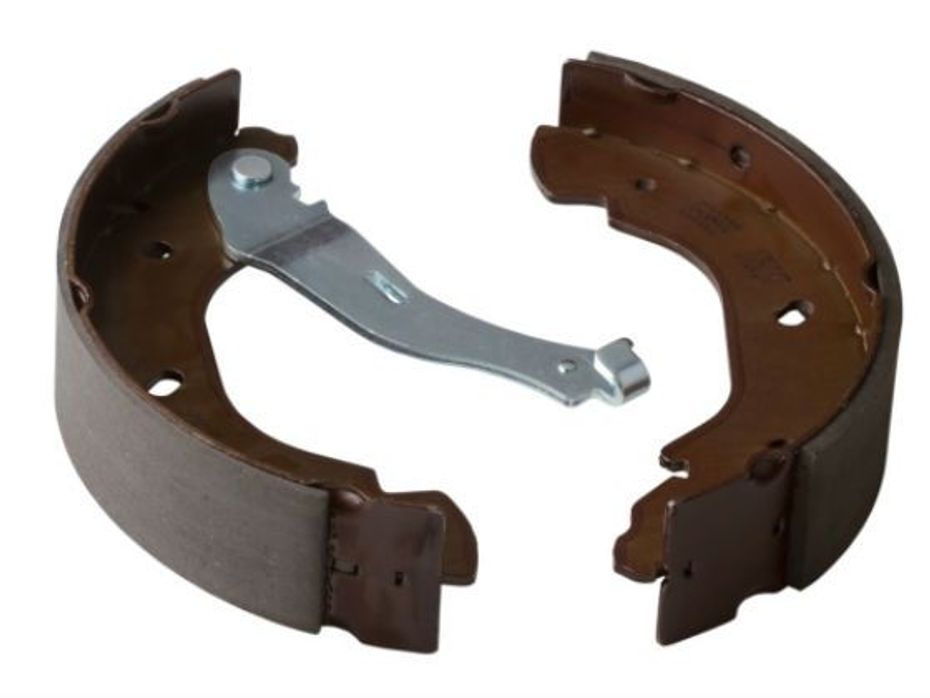
Tips:
1. Remove the rear wheel and carefully take out the brake shoes.
2. Check for wear on the brake shoe liners thoroughly.
3. Drum brakes tend to accumulate dust and dirt over the brake shoes which too can reduce their overall braking performance.
4. If there is too much muck and grime inside, have it cleaned and fit the brake shoes back into the hub and check if the performance is improved.
5. If the brake liners are worn out, then have them replaced with brand new brake shoes. Use only first quality original parts recommended by the manufacturer.
Add Your Comments


See what our community has to say! NEW
India's largest automotive community
Explore Now

Latest Bikes
-
 VLF Strada
₹ 1.20 Lakh
VLF Strada
₹ 1.20 Lakh
-
Triumph Bonneville T40
₹ 2.55 Lakh
-
Honda XR 300 Rally
₹ 2.08 Lakh
-
Honda XR 300L
₹ 1.83 Lakh
-
Aprilia SXR GT 175
₹ 1.30 Lakh
Upcoming Cars in India
-
Toyota Glanza Facelift
Rs. 6.85 Lakh
Launch : Oct 14, 2026 -
Audi Q3 2026
Rs. 48.00 Lakh
Launch : Oct 16, 2026 -
VinFast VF3
Rs. 10.00 Lakh
Launch : Oct 18, 2026 -
Volkswagen Virtus Facelift
Rs. 11.99 Lakh
Launch : Oct 25, 2026
- Latest
- Popular



Top Expert Reviews
-
2020 KTM 390 Duke BS6: First Ride Review
-
2020 KTM 200 Duke BS6: First Ride Review
-
Honda Activa 6G First Ride Review
Best Cars
-
Tata Nexon
Rs. 7.40 Lakh1199 cc | 17.4 kmpl | 118.3 bhp
-
Hyundai Creta
Rs. 10.91 Lakh1497 cc | 17.4 kmpl | 113.2 bhp
-
Kia Seltos
Rs. 11.00 Lakh1497 cc | 113 bhp
-
Mahindra Thar ROXX
Rs. 12.52 Lakh1997 cc | 12.4 kmpl | 160 bhp
-
Hyundai Venue
Rs. 8.00 Lakh1197 cc | 18.5 kmpl | 82 bhp
×